How Long Should You Use a Rowing Machine
Deciding on the perfect rowing machine session length can feel like a guessing game. You want to get a good workout without pushing too hard or ending up with too little effort. The right duration for you really depends on a few key factors, mainly your current fitness and what you aim to accomplish with your rowing.
In our research, we've found that a common starting point for many people is around 20 to 30 minutes, but this is highly flexible. Manufacturer specifications for most entry-level air resistance rowers suggest sessions up to 45 minutes for general fitness, as long as form is maintained. Let's break down exactly how to figure out your ideal rowing time.
Quick Answer
The ideal rowing machine session duration varies significantly. For beginners, aim for 10, 20 minutes. Regular exercisers might target 25, 45 minutes.
If weight loss is your goal, consider longer sessions, 30, 60 minutes. Always listen to your body and adjust based on your fitness and specific goals.
Starting Point: Where Are You Right Now?
This is the absolute first thing to consider. Jumping onto a rowing machine with a goal of an hour-long workout when you're just starting out can lead to frustration or even injury. We need to match the session length to your body's current capabilities.
Understanding Your Current Fitness Level
Think about your general activity levels over the past few months. Have you been consistently exercising, or have you been relatively sedentary? This gives us a baseline.
- Beginner: If you're new to exercise or haven't worked out regularly in a while, your muscles and cardiovascular system need time to adapt. Starting with shorter durations is crucial. Aggregating feedback from fitness professionals suggests that consistent, shorter workouts are more beneficial than infrequent, excessively long ones for new individuals.
- Intermediate: If you're already active with moderate-intensity workouts several times a week, you likely have a good foundation. You can handle slightly longer sessions from the get-go.
- Advanced: If you’re consistently engaged in vigorous physical activity, you’re probably ready for longer or more intense rowing sessions.
Assessing Your Rowing Experience
Even if you're fit, your experience on the rower matters. Rowing uses a specific sequence of movements that engages multiple muscle groups.
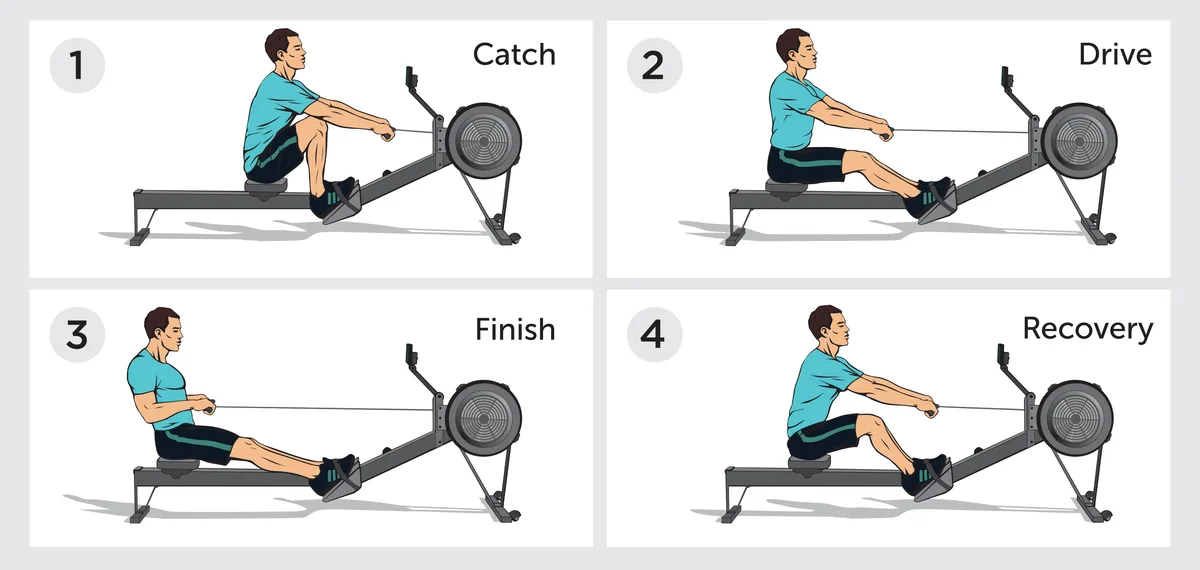
- New to Rowing: Your initial focus should be on learning the correct form. This means shorter sessions where you concentrate on the catch, drive, finish, and recovery phases. Manufacturer guidelines for many popular rowing machines emphasize form over duration for first-time users.
- Some Rowing Experience: You’ve likely developed some muscle memory and endurance specific to rowing. You can probably handle a bit more time on the machine.
- Experienced Rower: You understand the nuances of the stroke and can maintain good form for extended periods.
Your "Why": What Are Your Rowing Goals?
Why are you spending time on the rowing machine? Your objective is a major driver in determining your ideal session length. It's not just about putting in time; it's about putting in the right time for what you want to achieve.
General Health & Fitness
If your main goal is to improve overall health, boost cardiovascular function, and maintain a healthy weight, consistency is more important than extreme duration. For many people aiming for general fitness, 20, 30 minute rowing sessions performed 3, 5 times a week are highly effective. This duration allows for a solid workout that challenges your heart and lungs without leading to excessive fatigue, which could impact adherence.
Keeping your heart rate in a moderate zone (around 60-70% of your maximum heart rate) is a good target for this goal.
Weight Loss Focus
When the primary objective is shedding pounds, the duration of your rowing sessions can play a more significant role, though diet remains paramount. Longer sessions, generally 30, 45 minutes, can lead to a greater calorie burn. However, it's not always about sustained, moderate effort.
Incorporating interval training, where you alternate between short bursts of high intensity and recovery periods, can also be incredibly effective for boosting metabolism and calorie expenditure within a similar or even shorter timeframe. For instance, a 30-minute interval session might burn as many calories as a 45-minute steady-state row.
Building Endurance
For those looking to build stamina, whether for general fitness or specific athletic pursuits, gradually increasing rowing duration is key. This means systematically extending your workout times over weeks and months. Starting with sessions you can comfortably complete and then adding 5, 10 minutes each week or two is a common strategy.
Athletes training for events might eventually aim for rowing sessions lasting 45 minutes to an hour or more, focusing on maintaining a consistent pace and efficient technique throughout.
Strength & Power
While rowing is primarily a cardiovascular exercise, it does engage a significant number of muscles, including those in your legs, core, and upper body. If your goal is to build strength and power, you'll likely incorporate rowing as part of a broader training regimen. Shorter, more intense rowing sessions (15, 20 minutes) focusing on higher resistance settings or explosive power strokes can be beneficial.
These might be paired with dedicated strength training days using weights, or even incorporated as powerful finishers to a weightlifting session. The focus here is less on duration and more on the intensity and quality of each stroke.
Building Your Rowing Time: A Gradual Approach
The most effective way to increase your rowing duration is through a methodical, progressive overload strategy. This means gradually asking your body to do a little more over time, allowing it to adapt and get stronger without risking injury or burnout. Think of it like building a house; you lay a solid foundation before adding more stories.
The 5-Minute Rule: Adding Time Smartly
A highly effective technique for increasing rowing duration is the "5-minute rule." Once you can comfortably complete your current workout length, add just 5 minutes to one or two of your sessions per week. For example, if you've settled into consistently rowing for 20 minutes, aim for 25 minutes next week. This gradual increase prevents overwhelming your body.
It allows your muscles, cardiovascular system, and even your mental stamina to adapt incrementally. This principle is echoed in endurance training methodologies, where progressive increases in volume are key to long-term gains.
Listening to Your Body: The Ultimate Guide
This is arguably the most critical element. No matter what training plan or duration you're aiming for, your body will tell you if you're pushing too hard. Pay close attention to these signals:
- Persistent Soreness: While some muscle soreness is normal after a new or intense workout, constant, debilitating soreness isn't.
- Joint Pain: Sharp or persistent pain in your knees, hips, or back is a red flag that you need to ease up or check your form.
- Extreme Fatigue: Feeling utterly drained and unable to recover for days indicates overtraining.
- Decreased Performance: If your pace or power starts dropping significantly despite increased effort, you might be overdoing it.
Manufacturer guidelines for most rowing machines, like those from Concept2, emphasize that proper form and listening to your body are paramount for safe and effective training, regardless of session length.
Mixing It Up: Steady State vs. Intervals
Varying your workout structure can help you improve endurance and cardiovascular fitness more effectively, and also prevent boredom.
- Steady-State Cardio: This involves rowing at a consistent, moderate intensity for a set duration. It's excellent for building aerobic base and improving overall endurance. For general fitness, aim for 30, 45 minutes here.
- Interval Training (HIIT): This involves alternating short bursts of high-intensity rowing with periods of lower intensity or rest. For example, 1 minute of hard rowing followed by 1 minute of easy rowing, repeated for 20, 30 minutes. HIIT is fantastic for improving VO2 max and burning calories efficiently.
By alternating between these types of workouts, you challenge your body in different ways and can often achieve better results than sticking to just one type of session.
Common Rowing Mistakes to Sidestep
Even with the best intentions, certain common errors can hinder your progress or even lead to discomfort. Being aware of these pitfalls can save you a lot of potential trouble.
Rushing Your Progression
One of the biggest mistakes people make is trying to do too much, too soon. This often happens when someone sees a friend or an online influencer rowing for an hour and tries to replicate it immediately. This "all-or-nothing" approach neglects the fundamental principle of progressive overload, which is essential for building fitness safely.
Aggregated user feedback often highlights that impatience leads to burnout, reduced consistency, and increased risk of injury. It’s far better to consistently complete shorter workouts and gradually increase duration than to do one marathon session and then be too sore or discouraged to row for a week.
Ignoring Pain Signals
Your body is incredibly communicative. Pushing through pain, especially sharp or joint-related discomfort, is a direct route to injury. While muscle fatigue and the burn of exertion are normal parts of a good workout, specific pain signals should never be ignored.
This includes pain in your lower back, wrists, knees, or hips. Per guidelines from biomechanics research, maintaining proper posture and movement patterns is crucial, and ignoring pain can lead to compensatory movements that cause further issues. If you experience persistent pain, it's wise to stop, rest, and potentially consult a physical therapist or certified trainer to assess your form.
Neglecting Proper Form
The rowing stroke is a complex, coordinated movement. If your form is incorrect, you won't just be less efficient; you'll also be putting unnecessary strain on your body. Common form errors include:
- Over-reaching at the catch: Pulling with your arms before your legs have driven fully.
- Rounding your back: Hunching your shoulders instead of maintaining a straight spine.
- Dropping your wrists: Not keeping your wrists relatively straight and level.
- Not finishing the drive: Failing to extend your legs fully at the end of the pull.
Focusing on the sequence, legs, core, arms (drive), then arms, core, legs (recovery), is paramount. Many rowing machine consoles display stroke rate and power, but form is king. Watching instructional videos from reputable sources or working with a coach can be invaluable for developing and maintaining correct technique.
Expert Tips for Maximizing Your Rowing Sessions
To really get the most out of your time on the rowing machine, a few smart strategies can make a big difference. It's not just about the duration, but how you spend that time. Think of these as simple adjustments that amplify your efforts.
Firstly, prioritize your warm-up. Spending 5, 10 minutes on light cardio, dynamic stretching like arm circles and leg swings, and a few slow rowing strokes primes your muscles and cardiovascular system. This prepares your body for the work ahead, reducing injury risk and improving your overall performance.
Secondly, stay hydrated. Drink water before, during, and after your rowing session, especially for longer workouts. Dehydration can significantly impact your energy levels and performance.
For sessions exceeding 45 minutes, consider a sports drink to replenish electrolytes. Thirdly, vary your intensity. Don't fall into the trap of rowing at the exact same pace every single time.
Incorporate interval training (alternating high-intensity bursts with recovery) or tempo workouts (sustained moderate-high intensity) into your weekly routine. This variety challenges your body in different ways, leading to better cardiovascular improvements and preventing plateaus. Many rowing machines offer pre-programmed workouts that can help you achieve this variety without much planning.
Finally, cool down properly. Dedicate 5, 10 minutes after your main workout to slow rowing and static stretching, focusing on the major muscle groups used. This aids in recovery and helps prevent muscle stiffness.
Applying these expert tips can transform your rowing sessions from simply putting in time to strategic training.
Step-by-Step Process: Building Your Rowing Time Safely
Let's outline a clear path for gradually increasing your rowing duration. This process prioritizes safety, consistency, and long-term adherence. Think of it as a roadmap to finding your sustainable rowing sweet spot.
1. Assess Your Current Baseline
Before you add a single minute, know where you stand. If you're brand new, your baseline might be 10 minutes. If you're returning to fitness, it could be 20.
Be honest about your current capacity. This isn't about comparison; it's about setting a realistic starting point.
2. Set Your Target Duration (for now)
Based on your goal (general fitness, weight loss, endurance), decide on a realistic target duration for the next 2, 4 weeks. For general fitness, this might be 30 minutes. For weight loss, perhaps 45 minutes.
For endurance, it could be 50 minutes. This isn't your ultimate goal, just the next milestone.
3. Gradually Increase Session Length
Apply the "5-minute rule" to your current comfortable duration. If you’re comfortable with 20 minutes, your next session might be 25 minutes. Do this for 1, 2 sessions per week.
Keep your other sessions at your current comfortable length. This allows your body to adapt without sudden shock.
4. Monitor and Adjust
This is where listening to your body comes in. If adding 5 minutes feels manageable, great! If it feels too taxing, stick with your current duration for another session or two before trying again.
Pay attention to fatigue levels, muscle soreness, and any joint discomfort.
5. Consolidate Before Progressing
Once you can comfortably complete your target duration (e.g., 30 minutes) for a couple of consecutive weeks without excessive strain, you’ve consolidated that level. Then, you can repeat the process, adding another 5 minutes. This systematic approach ensures you build a robust endurance base.
How Rowing Machine Workouts Evolve
As you progress, your rowing workouts will naturally change. What starts as a simple session of "just rowing" can become more structured and varied, catering to different fitness goals and preventing plateaus. This evolution is a sign of progress and commitment.
From Basic Cardio to Targeted Training
Initially, you might focus purely on duration: just getting through 20 or 30 minutes. As your endurance builds, you can introduce more sophisticated elements. This could mean incorporating structured intervals, where you alternate between high-intensity bursts and recovery periods.
For example, a workout might include 1-minute sprints followed by 2 minutes of easy rowing, repeated several times. This type of training is excellent for boosting metabolism and improving cardiovascular capacity.
The Role of Intensity and Resistance
Duration is only one piece of the puzzle. Intensity, often measured by stroke rate (strokes per minute) and power output, is equally important. As you get fitter, you can maintain your desired duration for longer, or you can increase the intensity within that duration.
This might mean rowing faster, increasing the resistance on your machine (if applicable), or a combination of both. For instance, a 30-minute workout could shift from a steady moderate pace to alternating between periods of higher resistance and faster stroke rates.
Structured Progression Plans
Many rowing machine consoles come with pre-programmed workouts designed for various goals, from beginner fitness to advanced endurance. These plans often dictate duration, intensity, and rest periods, guiding your progression systematically. Following such a plan, or creating your own based on periodization principles, ensures that your training evolves intelligently over time.
This structured approach helps you continuously challenge yourself and avoid stagnation.
Comparing Rowing Durations for Different Goals
When deciding how long to row, your ultimate objective plays a massive role. What's ideal for a beginner aiming for general health will be different from an athlete training for a race or someone focused on weight loss. Let's break down typical durations based on common goals.
| Goal | Recommended Duration per Session | Frequency | Key Focus |
|---|---|---|---|
| General Fitness | 20–30 minutes | 3–5 times/week | Consistency, moderate intensity |
| Weight Loss | 30–45 minutes (or longer) | 4–6 times/week | Calorie burn, metabolism boost |
| Endurance Building | 40–60+ minutes | 3–4 times/week | Sustained effort, pace |
| Strength & Power Focus | 15–25 minutes (high intensity) | 2–3 times/week | Explosive strokes, resistance |
| Beginner Introduction | 10–15 minutes | 2–3 times/week | Form, adaptation |
Remember, these are guidelines. Always adjust based on your personal fitness level and how your body responds. For example, someone focusing on weight loss might also incorporate longer, steadier rows alongside shorter, more intense interval sessions.
Key Metrics to Track During Your Rows
To understand if your rowing duration is effective, tracking certain metrics is vital. These data points offer objective feedback on your effort and progress, helping you fine-tune your workouts. Your rowing machine's console typically displays most of this information.
- Duration: The total time spent rowing. This is the primary metric we're discussing, but it's best tracked alongside others.
- Distance: The total distance covered. This metric can provide a sense of accomplishment and is often used in workout goals (e.g., row 5000 meters).
- Stroke Rate (SPM): This measures how many strokes you complete per minute. For most people, a stroke rate between 20, 30 SPM is common for steady-state rowing, while higher rates (30, 40+ SPM) are used for sprints or racing.
- Pace (e.g., per 500m): This indicates how long it takes you to complete 500 meters. A lower pace time signifies greater speed and efficiency. Many experienced rowers use this as a key performance indicator.
- Power (Watts): This measures the instantaneous power output of your stroke. Higher wattage generally means you're exerting more force. It’s a good indicator of overall effort and performance.
By monitoring these metrics, you can ensure that when you increase your rowing duration, you're also maintaining or improving your performance, rather than just spending more time on the machine inefficiently. For instance, if you extend a session to 45 minutes but your pace per 500m significantly worsens, you might need to re-evaluate your progression rate or intensity.
Frequently Asked Questions About Rowing Duration
How long should a beginner row on their first day?
For your very first day, aim for a short session of 10, 15 minutes. The primary goal is to get comfortable with the machine's movement and basic technique, not to build endurance or burn maximum calories.
Is it better to row for shorter durations more often, or longer sessions less often?
Our research indicates that for most fitness goals, consistency is key. Shorter, more frequent rowing sessions (e.g., 20, 30 minutes, 4, 5 times a week) are generally more effective and sustainable than longer, infrequent sessions for building cardiovascular fitness and adhering to a routine.
Can I row every day?
While it's possible, rowing intensely every single day is not recommended for most individuals. Your body needs time to recover and repair. Incorporating rest days or active recovery days is crucial to prevent overtraining and allow your muscles to adapt and strengthen.
For example, consider alternating rowing days with walking or stretching.
How long should I row if my main goal is weight loss?
If weight loss is your primary objective, longer rowing sessions of 30, 45 minutes, or even up to 60 minutes if you're comfortable, can be beneficial for calorie expenditure. However, remember that a calorie deficit through diet is critical, and incorporating interval training within your sessions can also significantly boost your metabolism.
Does the type of rowing machine affect how long I should row?
The resistance type (air, water, magnetic, hydraulic) primarily affects the feel and sound of the row, not the recommended duration. However, the console features and ergometer capabilities can influence how you structure longer workouts. Focus on your personal exertion and goals, rather than machine type, when determining session length.