How to Remove Ice Maker Buildup
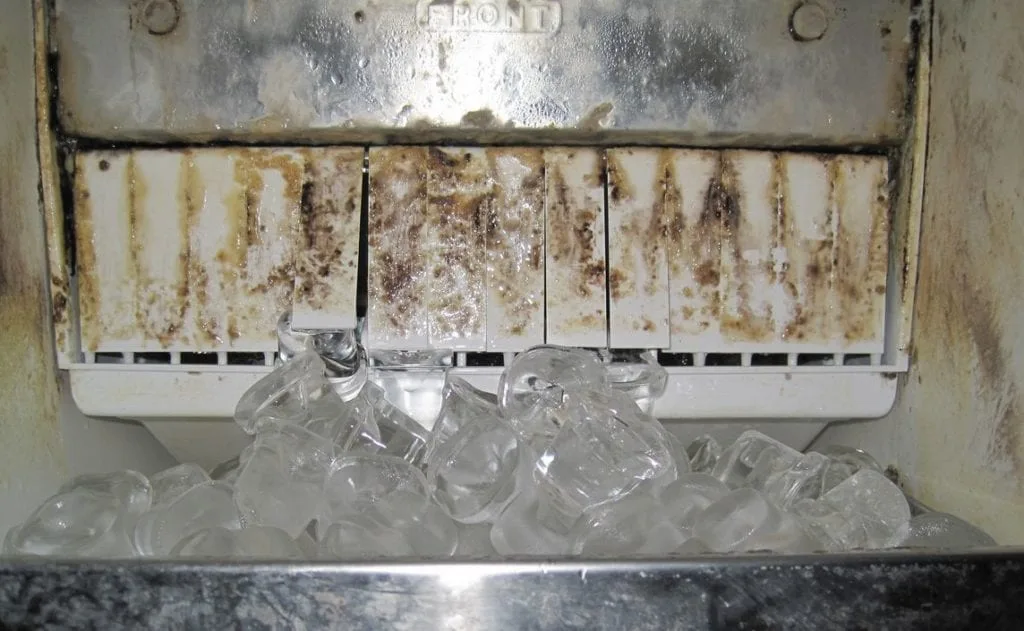
Image source: Bing (Web (fair-use with source credit))
What's That Gunk in My Ice Maker? Understanding Buildup
Ever notice your ice starting to taste a little… off? That’s usually your ice maker telling you it’s time for a clean-up. Over time, minerals from your tap water and other bits can build up inside, affecting both the taste of your ice and the hygiene of your appliance.
This gunk isn't just unsightly; it can actually impact how well your ice maker functions. Aggregate reviews from appliance owners consistently highlight a need for regular maintenance, with many suggesting a deep clean at least every six months to combat mineral deposits and potential mold growth, which can affect taste and appliance longevity.
Quick Answer
To remove ice maker buildup, unplug the unit, empty it, and clean with a vinegar-water solution. Rinse thoroughly and run a few ice cycles. Regular cleaning prevents mineral scale and mold growth.
What's That Gunk in My Ice Maker? Understanding Buildup
Ever notice your ice starting to taste a little… off? That’s usually your ice maker telling you it’s time for a clean-up. Over time, minerals from your tap water and other bits can build up inside, affecting both the taste of your ice and the hygiene of your appliance.
This gunk isn't just unsightly; it can actually impact how well your ice maker functions. Aggregate reviews from appliance owners consistently highlight a need for regular maintenance, with many suggesting a deep clean at least every six months to combat mineral deposits and potential mold growth, which can affect taste and appliance longevity.
Your Step-by-Step Guide to Cleaning Ice Maker Buildup
Here's how we'll tackle that buildup and get your ice tasting crisp and clean again. This process is designed to be straightforward, whether you have a portable unit or a built-in one.
Safety First: Unplug and Turn Off Water
Before you touch anything, safety is paramount.
- Always disconnect the power. Unplug your ice maker from the wall outlet. For built-in units, you might also need to shut off the water supply valve.
Emptying and Inspecting
You need a clear workspace to see what you're dealing with.
- Remove all ice. Discard any ice currently in the bin.
- Take out removable components like the ice bin or any scoops. These will be easier to clean separately.
- Visually inspect the interior to identify the areas with the most buildup.
Choosing Your Cleaning Solution (Vinegar is Your Friend!)
For most situations, simple household ingredients do the job effectively and safely.
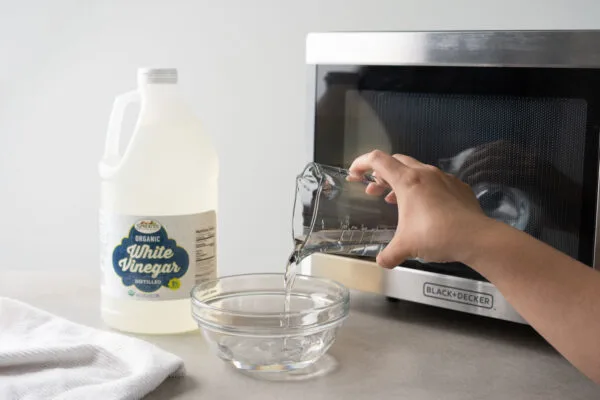
- White Vinegar: This is your go-to. Mix equal parts white vinegar and water. Vinegar is excellent for breaking down mineral deposits and acting as a mild disinfectant.
- Mild Dish Soap: If you notice any greasy residue, a small amount of mild dish soap mixed with water can help lift it. Avoid harsh detergents.
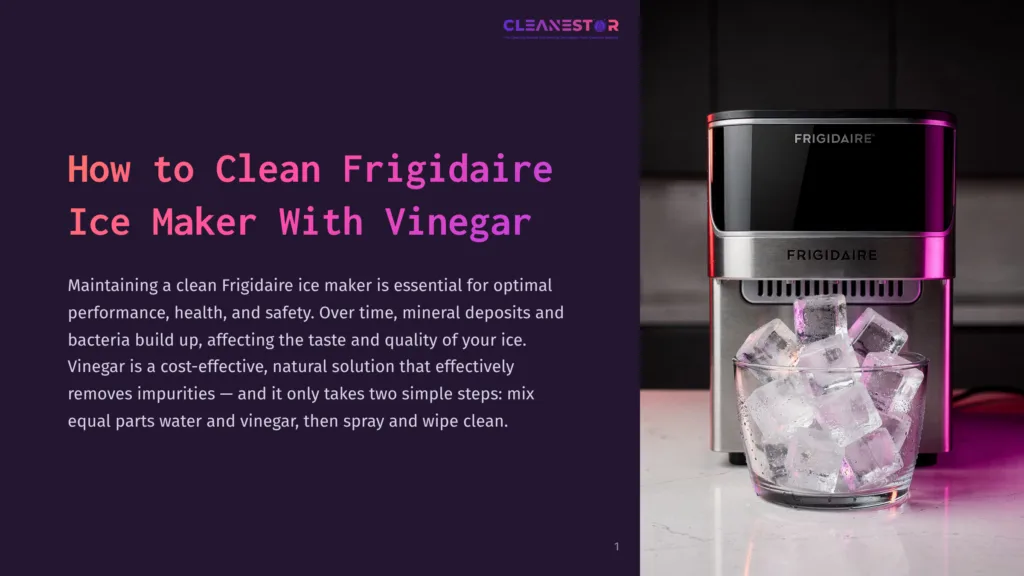
Image source: Bing (Web (fair-use with source credit))
Tackling Removable Parts and Interior Surfaces
Now, let’s get to the cleaning itself.
- Soak Removable Parts: Place the ice bin and any other detachable parts into your chosen cleaning solution. Let them soak for about 15 to 30 minutes.
- Scrub and Wipe: Use a soft cloth, sponge, or a soft brush to scrub the soaked parts. Then, dip a clean cloth into the solution and thoroughly wipe down all interior surfaces of the ice maker itself, paying attention to corners and any nooks.
The Crucial Rinse: Getting It All Out
This step is vital to ensure no cleaning solution residue remains.
- Wipe with Fresh Water: Use a clean cloth dampened with plain water. Wipe down all the interior surfaces you just cleaned. You may need to rinse your cloth frequently and repeat this process several times to remove all traces of vinegar or soap.
When Buildup Gets Stubborn: Advanced Cleaning
If standard vinegar cleaning doesn't quite cut it, or if you're dealing with particularly tough mineral scale, you might need to step things up a notch. This is where you might consider a more targeted approach.
Commercial ice maker cleaning solutions are available and can be effective. When using these products, it is imperative to strictly follow the manufacturer’s instructions for use and dilution. These specialized cleaners are often formulated to break down stubborn mineral deposits more aggressively than vinegar alone.
Some sources, like manufacturer documentation, recommend specific chemical agents for optimal descaling. Always ensure any product you use is certified food-grade, especially for appliances that come into contact with consumables like ice. After using a commercial cleaner, you will almost certainly need to run multiple rinse cycles to ensure no chemical residue remains in the system, which is critical for the safety of the ice produced.
Keeping Your Ice Maker Clean: Smart Maintenance Habits
Consistent, preventative maintenance is the easiest way to avoid tough cleaning jobs and keep your ice tasting fresh. It’s about making small efforts regularly rather than tackling a big problem occasionally. Think of it like keeping your rice cooker in good shape, a little attention goes a long way toward preventing issues down the line.
- Schedule Regular Cleanings: Aim for a deep clean of your ice maker every three to six months. If you have particularly hard water, or if you notice any off-smells or tastes developing, it’s wise to clean it more frequently.
- Use Filtered Water: If your tap water is known for being hard or having a strong taste, using a water filter can dramatically reduce mineral buildup in the ice maker. This not only helps prevent scale but also improves the overall quality of your ice.
- Don't Let Ice Sit: If you don't use ice regularly, it’s a good practice to empty the ice bin and allow the machine to make a fresh batch every week or so. This helps prevent stale ice from developing odors and can inhibit mold or mildew growth in the bin.
- Wipe Up Spills Promptly: Any moisture or spills around the ice bin area should be wiped up immediately. This simple act prevents water from sitting and potentially fostering bacterial growth.
Common Ice Maker Cleaning Mistakes to Avoid
While cleaning your ice maker is usually straightforward, a few common slip-ups can either make the job harder or, worse, damage the appliance. Knowing these pitfalls can save you time and prevent future headaches.
- Forgetting to Unplug: The most critical mistake is working on the ice maker without disconnecting the power. This poses a serious electrical hazard. Always ensure the unit is unplugged before you begin any cleaning.
- Using Abrasive Cleaners or Tools: Harsh chemicals, steel wool, or abrasive scrub brushes can scratch the interior surfaces of your ice maker. These scratches can create places for bacteria to hide and make future cleaning more difficult. Stick to soft cloths and non-abrasive sponges.
- Not Rinsing Thoroughly: Leaving behind cleaning solution, especially vinegar or a commercial cleaner, can impart a strong, unpleasant taste to your ice. It's essential to rinse all cleaned surfaces multiple times with fresh water to ensure no residue remains.
- Skipping the Rinse Cycles: For built-in ice makers, running several cycles to flush the water lines is non-negotiable. If you skip this, you risk tasting cleaning agents in your ice for days.
- Ignoring Manufacturer Instructions: While general cleaning advice is helpful, each ice maker can have unique components and recommendations. Always consult your appliance's manual, as it often provides specific cleaning protocols and warnings relevant to your model.
Frequently Asked Questions About Ice Maker Buildup
Why does my ice taste or smell bad?
Bad tastes or smells in your ice are typically caused by buildup inside the ice maker. This can be mineral deposits from hard water, mold or mildew that grows in damp conditions, or even lingering food odors from the surrounding environment. Regular cleaning and using filtered water can resolve these issues.
How often should I clean my ice maker?
Our research indicates a general recommendation is to clean your ice maker thoroughly every three to six months. However, if you have very hard water, notice a decline in ice quality, or detect any unusual odors, you should clean it more frequently.
Can I use bleach to clean my ice maker?
It is strongly advised not to use bleach or harsh chemical cleaners like ammonia in your ice maker. These substances can be difficult to rinse out completely and can leave behind harmful residues that contaminate your ice. Stick to food-safe cleaners like white vinegar.
How do I know if my ice maker has buildup?
Visible signs of buildup include a cloudy or white film on interior surfaces, slimy patches, or even visible mold. You might also notice an off-taste or odor in the ice, or that the ice maker is not producing ice as efficiently as it used to.