How to Fix an Ice Maker
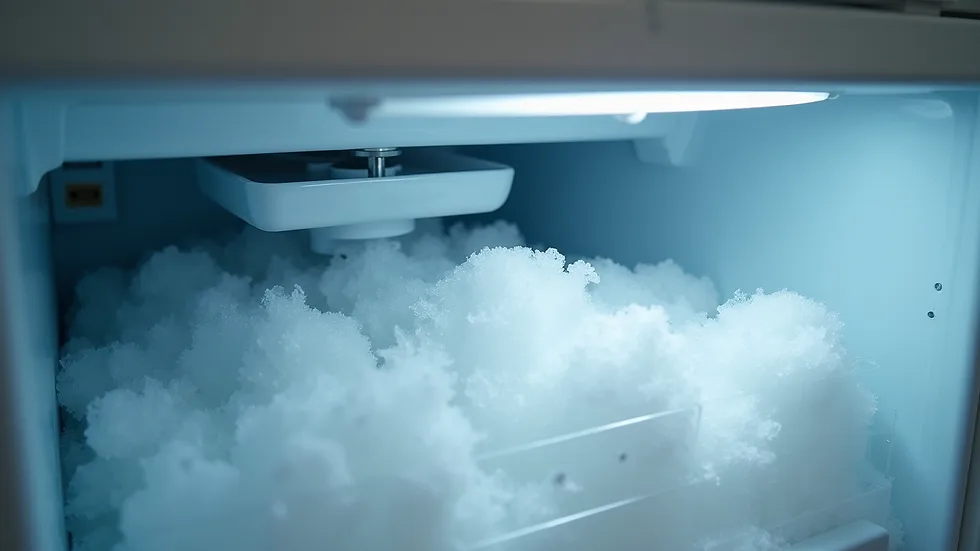
Image source: Bing (Web (fair-use with source credit))
How to Fix Your Ice Maker: A Step-by-Step Guide
Your ice maker is probably one of those appliances you don't think about until it stops working. That's why knowing how to fix an ice maker can save you a lot of hassle and even some money. Most common issues stem from simple causes that you can usually tackle yourself with a little patience.
Manufacturer specifications often indicate that ice makers require consistent temperatures around 0°F (-18°C) to function properly. If yours has gone quiet, let's walk through the most likely culprits and get you back to enjoying that crisp, cold ice.
What's Up With Your Ice Maker? Pinpointing the Problem
When your ice maker stops producing cubes, it's usually pretty obvious, but the why can be a bit trickier. Understanding the specific symptom is the first step in figuring out the right fix. Think of it like a doctor diagnosing an illness, the symptoms tell us where to look.
No Ice at All?
This is the most frustrating situation. You open the freezer or check the dispenser, and there's just… nothing. It means either water isn't reaching the ice maker, or the ice maker itself isn't cycling to freeze and eject the ice.
This could be a simple blockage, a control issue, or a problem with the water supply.
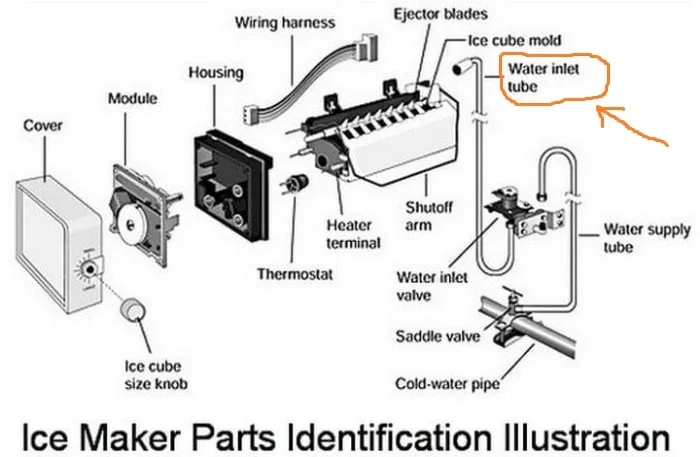
Image source: Bing (Web (fair-use with source credit))
Slow Ice Production or Weird Shapes?
If you're getting ice, but it's trickling out or the cubes look strange (hollow, small, or oddly formed), it usually points to a problem with water flow or freezing temperature. It might be that the water isn't filling the molds completely, or the freezer isn't cold enough to freeze the water quickly and completely. Sometimes, the ice maker is stuck in a cycle and can't properly eject the finished cubes.
Bad Taste or Smell?
Ice is basically frozen water, so if your water has an off-flavor or odor, your ice will too. This often happens when the water filter is old and clogged, or if something in your freezer is imparting its smell onto the ice. Think of onions or garlic in the freezer, that scent can transfer.
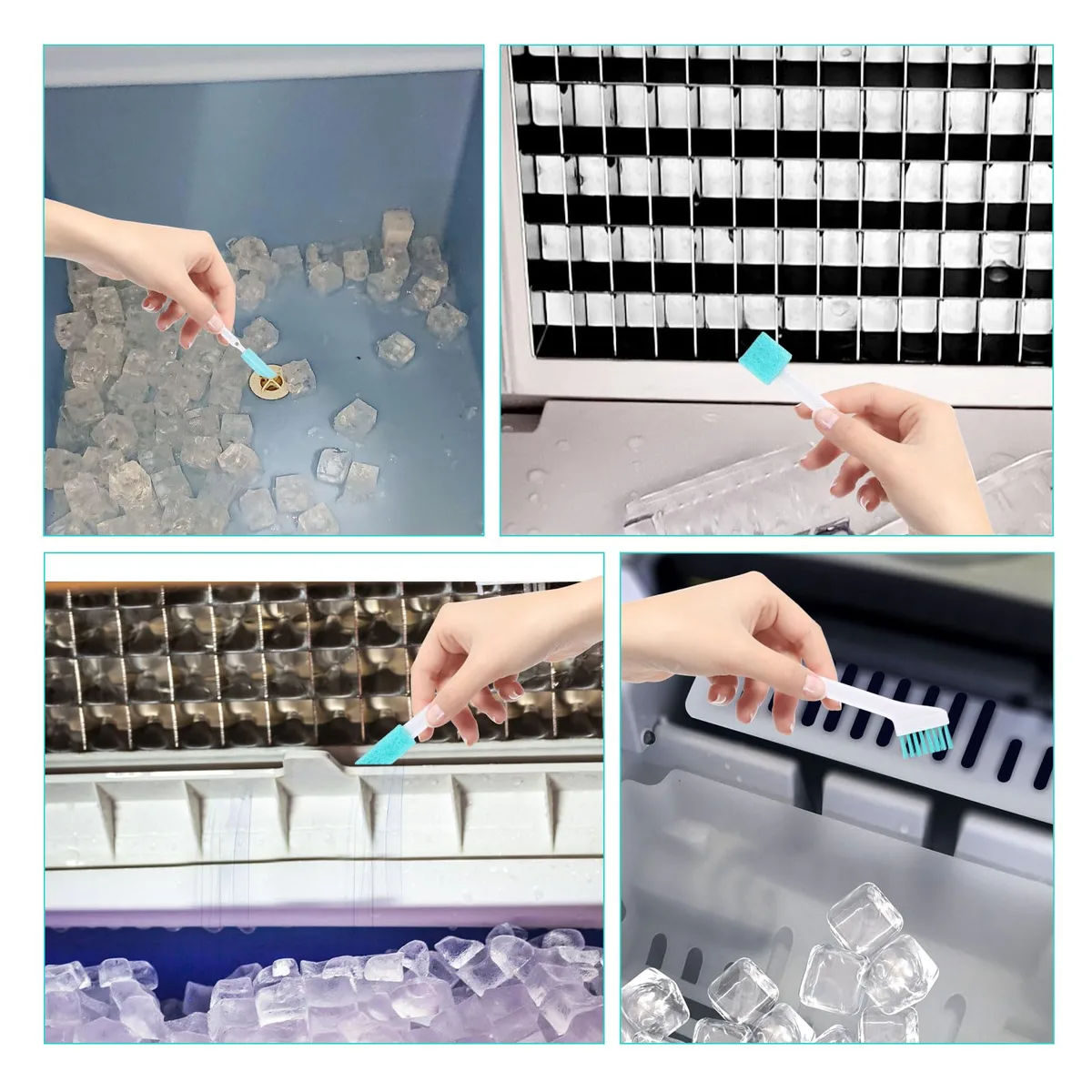
Image source: Bing (Web (fair-use with source credit))
Noisy Operation?
A gentle hum or a slight clunk is normal for an ice maker. But if you're hearing loud grinding, squealing, or banging sounds, something is definitely wrong. This could mean a mechanical part is stuck, a motor is struggling, or something is caught in the mechanism that’s trying to push out the ice.
Water Leaking?
Any leak is a cause for concern. If you see puddles or drips around your ice maker or refrigerator, it's usually a sign of a loose connection in the water supply line, a cracked hose, or a faulty component that's allowing water to escape.
Quick Wins: The Easiest Fixes to Try First
If the easy checks didn't do the trick, it's time to investigate a bit further. These steps involve looking at specific components and are still generally manageable for most homeowners.
Is the Ice Maker Actually On?
This sounds almost too simple, but it's incredibly common. Many refrigerators have a control panel where you can turn the ice maker on or off. For standalone units, there's usually a switch or a lever.
If it's in the 'off' position, no ice will be made. Double-check this, especially if the ice maker has been off for a while or after a power outage.
Water Supply Check: Is It Flowing?
For refrigerators with built-in ice makers, the water supply usually comes from a line connected to your home's plumbing. Make sure this line is properly connected and that the shut-off valve behind the refrigerator is fully open. Aggregate user reviews report that this valve can sometimes get bumped closed accidentally.
For standalone ice makers, ensure the hose is securely attached to both the unit and your faucet, and that the faucet itself is turned on.
Freezer Temperature: Cold Enough?
Ice makers need a consistently cold environment to work. Manufacturer specifications indicate that most freezers should be set to 0°F (-18°C) for optimal ice production. If your freezer compartment isn't cold enough, the water won't freeze properly, or at all.
Try turning your freezer temperature down a notch and give it a few hours to see if production picks up.
Digging Deeper: Common Culprits and How to Address Them
If the easy checks didn't do the trick, it's time to investigate a bit further. These steps involve looking at specific components and are still generally manageable for most homeowners.
No Ice: Water Filter, Inlet Valve, and Sensor Checks
When water isn't making it to the ice maker, the most common culprits are a clogged water filter, a faulty water inlet valve, or a problem with the ice maker's sensor.
- Water Filter: If your refrigerator has a water filter, a clogged one can significantly restrict water flow. Replacing the filter is a straightforward maintenance task that can solve many ice production issues. Check your appliance manual for the filter's location and replacement instructions. For many models, this is a task you can learn how to maintain a rice cooker [https://arianreview.com/how-to-maintain-a-rice-cooker/] with.
- Water Inlet Valve: This is a small valve, usually located at the back of the refrigerator where the water line connects. It controls the flow of water into the ice maker and dispenser. If it's faulty or clogged with sediment, water won't get through. You might hear a humming sound when it's trying to work, indicating it's receiving power but not passing water. Some minor sediment can sometimes be cleared by gently flushing it, but a failed valve often needs replacement.
- Ice Maker Sensor/Arm: Many ice makers have a sensor or a metal arm that detects when the ice bin is full. If this sensor or arm is stuck in the "full" position, the ice maker will stop producing. Gently try moving it to see if it frees up.
Slow Ice: Frozen Molds and Fan Issues
If your ice maker is working but slowly, or the cubes are malformed, it suggests an issue with the freezing process.
- Frozen Molds: Sometimes, especially if the freezer door isn't sealing properly or there are temperature fluctuations, the ice maker's molds can freeze shut. This prevents new water from entering and old ice from being ejected cleanly. You might need to carefully defrost the ice maker mold area. Always unplug the appliance before attempting any manual defrosting. A soft cloth and warm (not hot) water can usually do the trick.
- Evaporator Fan: This fan is crucial for circulating cold air throughout the freezer compartment. If it's not working correctly, the overall temperature in the freezer will be too high, leading to slow or no ice production. If you notice your freezer isn't as cold as it should be, or if you don't hear the fan running, this could be your issue.
Taste/Smell: Cleaning and Odor Elimination
Bad-tasting ice is a common complaint, and it's almost always due to something the water picked up.
- Clean the Ice Bin and Chute: Remove the ice bin and wash it thoroughly with mild soap and warm water. Use a damp cloth to clean the ice chute and any accessible parts of the ice maker mechanism. This removes any lingering residue or mold.
- Address Freezer Odors: Ice absorbs odors from the surrounding environment. If you store strong-smelling foods in your freezer without proper sealing, that smell will transfer to your ice. Ensure all foods are in airtight containers. You can also place an open box of baking soda in the freezer to help absorb lingering odors.
- Replace the Water Filter: As mentioned earlier, an old or clogged water filter is a prime suspect for bad-tasting ice. Replacing it can often resolve the issue quickly. This is part of good appliance upkeep, much like how you might learn to how to clean a rice cooker.
Essential Tools and Safety Precautions for Ice Maker Repair
Before you start troubleshooting, having the right tools and understanding safety protocols is key. Most repairs involve basic household tools, but it's crucial to prioritize your safety.
- Screwdrivers: A Phillips head and a flathead screwdriver are usually sufficient for accessing panels.
- Pliers: Needle-nose pliers can be helpful for gripping small parts or disconnecting clips.
- Nut Drivers/Wrenches: Some components may be secured with nuts.
- Towels/Rags: For cleaning up any water spills.
- Bucket: To catch water when disconnecting lines.
- Flashlight: To see into dark corners of the appliance.
Safety First:
- Always unplug the appliance from the power outlet before attempting any internal repairs or cleaning. This is non-negotiable.
- Turn off the water supply valve before disconnecting any water lines to prevent flooding.
- Be aware of sharp edges inside appliances.
- If you're unsure about a step, or if it involves electrical components you're not comfortable with, it's best to call a professional.
When to Call a Professional: Knowing Your Limits
While many ice maker issues are DIY-friendly, there are times when professional help is the smarter choice. If you've gone through the basic troubleshooting steps and the problem persists, or if you encounter a complex mechanical or electrical issue, it's time to bring in an expert.
- Persistent Problems: If replacing a filter or cleaning components doesn't solve the issue, the problem might be deeper, such as a faulty control board, a damaged motor, or a sealed system issue.
- Electrical Concerns: If you suspect an electrical fault, like a burnt wire or a malfunctioning control board, it's safer to let a qualified appliance repair technician handle it. They have the proper diagnostic tools and expertise.
- Lack of Comfort/Confidence: Appliance repair can sometimes be intricate. If you're not comfortable disassembling parts or working with water lines, it's perfectly fine to outsource the job. The cost of a professional repair is often less than the cost of further damaging the appliance through a DIY attempt. For instance, if your entire refrigerator is acting up, you might want to see how to fix a rice cooker that won’t turn on for a more complex appliance repair scenario, which could indicate a larger electrical issue than just the ice maker.
Frequently Asked Questions About Ice Maker Issues
Why is my ice maker suddenly not making ice?
This often points to a simple issue like the ice maker being turned off, a blocked water supply, a dirty water filter, or the freezer temperature not being cold enough (below 0°F or -18°C).
How often should I replace my ice maker's water filter?
Manufacturer guidelines typically recommend replacing the water filter every six months. However, if you notice a decline in ice production or taste, you may need to replace it sooner.
Can I just bypass my ice maker if it’s broken?
Yes, if your ice maker is a separate unit or a feature within a refrigerator, you can often disconnect the water supply to it and plug the water line. This will stop it from trying to make ice and prevent leaks, but it won't fix the underlying problem.
My ice tastes like my freezer smells. What should I do?
This indicates that the ice is absorbing odors from the freezer. Ensure all food items are stored in airtight containers, clean out the ice bin, and consider placing an open box of baking soda in the freezer to absorb smells. Replacing the water filter can also help.
Is it normal for my ice maker to make noise?
A gentle hum or a clunk as ice is released is normal. However, loud grinding, squealing, or banging sounds suggest a mechanical issue, like a stuck part or a failing motor, that needs to be investigated.