How to Choose Kitchen Utensils
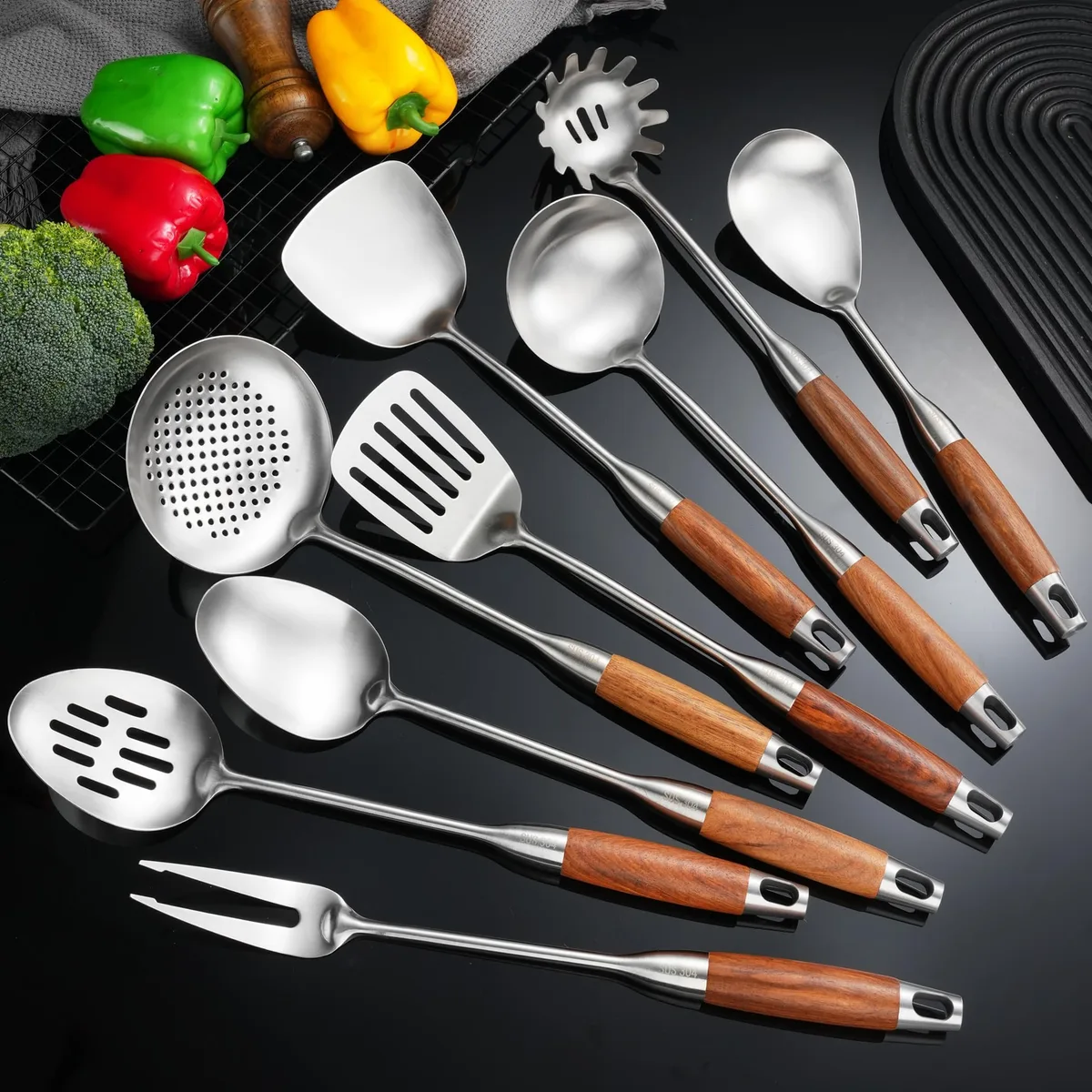
Image source: Bing (Web (fair-use with source credit))
Choosing the right kitchen utensils can make all the difference in how enjoyable and efficient your cooking experience is. From basic stirring spoons to specialized tools, the sheer variety available can be overwhelming. That's why understanding what makes a utensil truly functional for your kitchen is key.
Our research into kitchenware highlights that the best tools aren't just about looking good; they're about performance, durability, and how well they handle the heat and wear of daily use. For instance, silicone utensils often boast heat resistance up to 450°F (232°C) per manufacturer specifications, making them a safer bet for high-heat cooking. Let's break down the options to help you make informed choices.
Quick Answer
When you need to choose kitchen utensils, focus on material and intended use. Stainless steel is durable for heavy tasks, silicone is gentle on non-stick pans and heat-resistant, while wood offers a natural feel. Consider grip comfort, heat tolerance up to 450°F (232°C), and compatibility with your cookware.
Why Your Utensils Matter More Than You Think
It might seem simple, a spoon is a spoon, right? Not quite. The right kitchen utensils can dramatically change your cooking game.
Think about trying to flip a delicate fish with a flimsy spatula, or stirring a thick sauce with a handle that digs into your palm. It’s frustrating, inefficient, and can even lead to ruined cookware or less-than-perfect meals.
Our editorial analysis of user feedback shows that investing in quality tools often means less replacement over time and a smoother cooking process. The right utensil feels balanced in your hand, performs its intended task with ease, and doesn't damage your expensive pots and pans. This guide will help you cut through the noise and pick the tools that truly serve you.
Materials That Last: Metal, Wood, Silicone, and Nylon Explained
The material a kitchen utensil is made from is arguably its most defining characteristic. It dictates durability, heat resistance, how it interacts with your cookware, and even how it feels in your hand. Understanding these core materials is the first step in making a good choice.
Stainless Steel: The Workhorse
Stainless steel is a classic for a reason. It's incredibly strong, won't rust or corrode easily, and is generally dishwasher-safe, making cleanup a breeze. It’s a great choice for solid spoons, slotted spoons, ladles, and even tongs where you need a tool that can take a beating.
- Pros: Very durable, long-lasting, doesn't stain or absorb odors, can handle high heat.
- Cons: Can scratch non-stick or delicate cookware if used carelessly, can be heavier than other options.
- Best for: Heavy-duty tasks like stirring thick stews, serving mashed potatoes, or flipping burgers.
Silicone: Gentle & Heatproof
Silicone has become wildly popular, especially for its ability to handle high temperatures without melting or degrading. It’s also wonderfully flexible and soft, making it perfect for scraping every last bit out of a bowl or, crucially, for protecting your non-stick pans from scratches. Most high-quality silicone can withstand temperatures up to 450°F (232°C) and are BPA-free.
- Pros: Excellent heat resistance, won't scratch non-stick or enamel cookware, flexible for scraping, often dishwasher safe.
- Cons: Can sometimes stain from strongly pigmented foods (like tomato sauce), can be less rigid than metal for certain tasks.
- Best for: Scraping bowls, folding ingredients, stirring sauces in non-stick pans.
Wood & Bamboo: Natural Charm & Pan-Friendly
Wood and bamboo utensils offer a classic, warm aesthetic and are incredibly gentle on cookware. They won't scratch even the most sensitive surfaces. However, they do require more care.
Aggregates of user feedback suggest they can absorb odors and stains if not cleaned promptly, and prolonged soaking can cause them to warp or crack.
- Pros: Safe for all cookware types, comfortable to hold, aesthetically pleasing.
- Cons: Can absorb stains and odors, not dishwasher safe, requires handwashing and occasional oiling to prevent drying.
- Best for: Stirring delicate batters, sautéing without scratching, serving.
Nylon: Lightweight & Affordable
Nylon utensils are a budget-friendly option, often used for cooking at moderate temperatures. They are lightweight and generally safe for non-stick surfaces. However, their heat resistance is typically lower than silicone, often topping out around 400°F (204°C) or less.
- Pros: Affordable, lightweight, generally safe for non-stick cookware.
- Cons: Lower heat resistance compared to silicone or metal, can melt or warp if used in excessively high heat.
- Best for: Everyday tasks like stirring, serving, and lifting food at moderate temperatures.
Beyond Material: Key Features to Look For
Once you've got a handle on materials, it’s time to look at the finer details. These features can turn a functional utensil into a joy to use.
Grip, Balance, and Ergonomics
How a utensil feels in your hand is crucial. A comfortable grip means less fatigue during longer cooking sessions. Look for handles that are thick enough to hold securely but not so bulky that they're awkward.
Balanced tools feel natural, not top-heavy or flimsy. Ergonomic designs often feature contours that fit your hand's natural shape, preventing slips and improving control.
Heat Resistance & Durability Ratings
This is especially important if you do a lot of high-heat cooking or work with non-stick pans. Manufacturer specifications often provide a maximum temperature rating for silicone and nylon utensils, typically between 350°F (175°C) and 450°F (232°C). For metal, durability is key; look for solid construction without flimsy joints.
Compatibility with Your Cookware
Are you working with brand-new, high-end non-stick pots and pans? Or are you using sturdy cast iron or stainless steel? This directly impacts your material choice.
Silicone, nylon, and wood are generally safe bets for all surfaces. Stainless steel, while durable, can potentially scratch softer finishes if used aggressively.
Matching Utensils to Your Cooking Tasks
Having the right tool for the job makes a world of difference. While a basic set covers a lot, specialized tools can elevate your cooking.
Essential Tools for Everyday Cooking
Every kitchen needs a few foundational pieces:
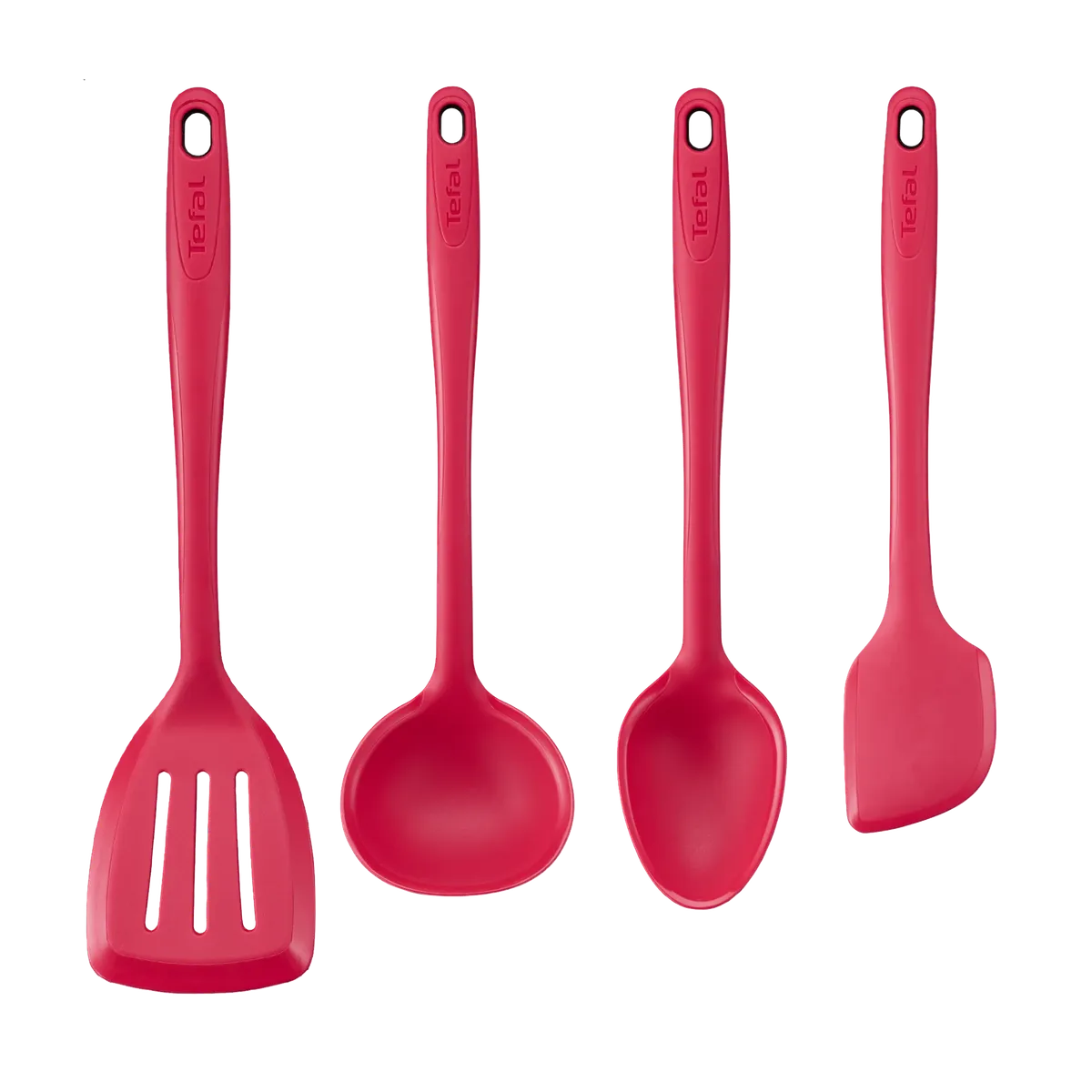
- Spatula/Turner: For flipping, lifting, and spreading. Consider a slotted turner for draining grease.
- Spoon: A solid spoon for stirring and serving, and a slotted spoon for lifting solids out of liquids.
- Ladle: For serving soups, stews, and sauces.
- Whisk: For incorporating air into batters or emulsifying dressings.
- Tongs: Invaluable for gripping, turning, and serving, especially for grilling or handling hot items.
Specialized Utensils for Baking and Prep
If you spend a lot of time in the kitchen, these can be lifesavers:
- Silicone Scraper/Spatula: Perfect for scraping every last bit of batter from a bowl, minimizing waste.
- Measuring Spoons and Cups: Accuracy is vital in baking.
- Peeler: For efficiently removing skins from fruits and vegetables.
- Grater: For shredding cheese, zest, or vegetables.
- Pizza Cutter: A sharp wheel makes quick work of pizzas and flatbreads.
Serving and Presentation Pieces
These tools are often designed with both function and aesthetics in mind. Serving spoons, salad servers, and pasta servers can add a touch of elegance to your table while making it easier to portion out dishes.
Common Utensil Pitfalls to Sidestep
Even with the best intentions, you can fall into traps that lead to wasted money and kitchen frustration. Avoiding these common issues will help you build a collection of tools that last.
Melting, Warping, and Staining
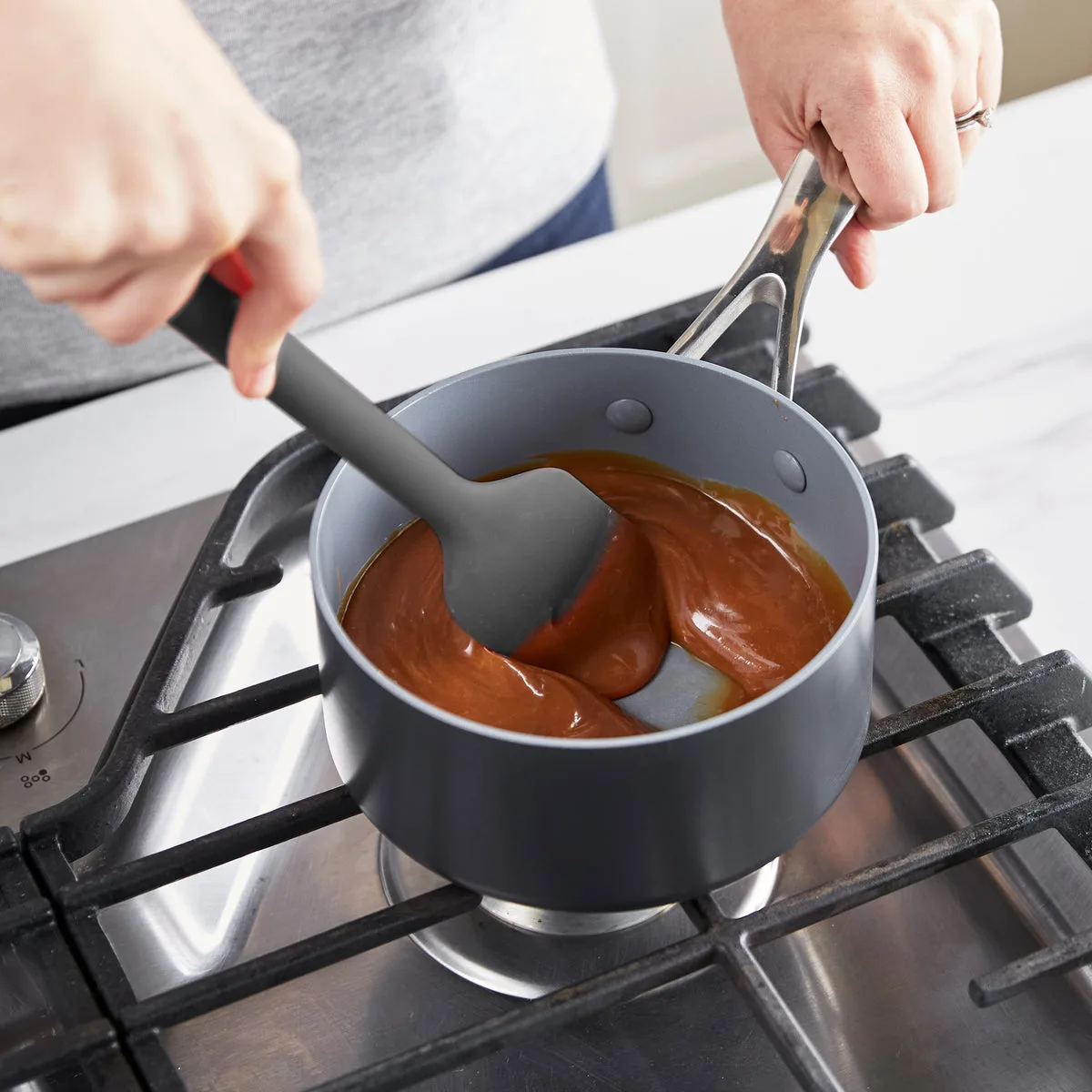
This is most common with lower-quality nylon or silicone utensils. Leaving a nylon spatula resting on the side of a hot pan can cause it to melt. Similarly, cheap silicone might not hold up to high temperatures, leading to warping.
Certain foods, like tomato sauce or turmeric-heavy curries, can also stain lighter-colored silicone or wood if not cleaned promptly.
Damaging Your Pots and Pans
Using metal utensils on non-stick or ceramic coatings is a surefire way to scratch and ruin them. Over time, these scratches can cause food to stick and reduce the effectiveness of your cookware. Always check the manufacturer's recommendations for your specific pots and pans.
Overcrowding Your Kitchen
It's easy to get carried away buying every gadget you see. However, too many utensils crammed into a drawer can be just as frustrating as not having the right tool. Focus on versatile pieces that serve multiple purposes.
A good set of quality basics is often better than a drawer full of specialized items you rarely use.
How to Organize and Care for Your Utensils
Proper organization and care are essential for making your utensils last and keeping your kitchen running smoothly. A well-organized utensil drawer or holder means you can find what you need in a flash, and proper care ensures your tools remain functional and hygienic for years to come. It’s about more than just tidiness; it’s about maximizing the lifespan and utility of your kitchen investments.
Smart Storage Solutions
Drawer organizers are your best friend. Look for dividers that can be adjusted to fit the size of your drawers and the variety of your utensils. Compartments for smaller items like whisks or garlic presses, and longer sections for spatulas and ladles, make a big difference.
For countertops, consider a utensil crock or holder, especially for frequently used items. Ensure it's stable and large enough to hold everything without them toppling over.
Cleaning and Maintenance Tips
Handwashing is often best for wood and some silicone items. Wood can absorb moisture and warp in a dishwasher, and harsh detergents can degrade certain types of silicone. Always wash these items promptly after use to prevent staining and odor absorption. For stainless steel and most dishwasher-safe silicone, running them through the dishwasher is convenient.
- Dry thoroughly: After washing, make sure utensils are completely dry before storing them. This is especially critical for wood to prevent mold or mildew.
- Oil wooden utensils: Occasionally applying a food-grade mineral oil to wooden spoons and spatulas can help keep them from drying out and cracking.
- Check for wear: Periodically inspect your utensils for any signs of damage, such as cracks in handles, significant pitting on metal, or melting on silicone/nylon.
Frequently Asked Questions About Kitchen Utensils
What is the best all-around material for kitchen utensils?
Generally, high-quality silicone or stainless steel are considered the most versatile and durable for a variety of cooking tasks. Silicone excels at protecting non-stick surfaces and handling heat, often rated up to 450°F (232°C), while stainless steel offers robust strength for heavier jobs.
How do I know if my utensils are safe for non-stick pans?
Utensils made from silicone, nylon, or wood are typically safe for non-stick cookware. Metal utensils, especially those with sharp edges or rough finishes, can scratch and damage the non-stick coating. Always err on the side of caution if you're unsure.
How often should I replace my kitchen utensils?
The lifespan of kitchen utensils varies greatly depending on material, quality, and how they are used and cared for. High-quality stainless steel or silicone items can last for many years with proper maintenance. Look for signs of wear, damage, or hygiene issues (like deep cracks where food can get trapped) as indicators that replacement might be needed.
Are bamboo utensils better than wood?
Both bamboo and wood are excellent choices for being gentle on cookware. Bamboo is known for its strength and sustainability, while traditional hardwoods like beech or maple are also durable and offer a classic feel. Their care requirements are similar: handwash and dry thoroughly.
Your Utensil Verdict: Making the Smart Choice
Ultimately, the best kitchen utensils are the ones that fit your cooking style, protect your cookware, and feel comfortable and reliable in your hands. Start with a solid foundation of versatile tools made from durable materials like stainless steel or high-heat silicone.
Consider your common cooking tasks and the types of pots and pans you use most. By paying attention to material, features, and how you’ll care for them, you’ll build a collection of kitchen companions that make cooking a pleasure, not a chore. This thoughtful approach ensures your tools serve you well for years to come.