How to Choose an Ice Maker
Deciding how to choose an ice maker can feel a bit overwhelming, but it's really about matching the right machine to your specific needs. You're looking for a reliable way to get ice for drinks, parties, or just daily use, and there are several types to consider, each with its own set of features and performance metrics.
Our research indicates that factors like ice production rate, which can range from under 30 lbs per day to over 100 lbs per day, are crucial for many users. Understanding these key specifications, along with the different ice shapes available, will help you make a confident decision that avoids common frustrations.
Quick Answer
Choose an ice maker based on your needed ice volume and shape. Countertop models are portable and fast, while under-counter units offer higher capacity. Consider water line hookups for convenience.
As of 2026, look for stainless steel builds and self-cleaning features.
Understanding Your Ice Needs
Before diving into specific models, it’s essential to think about why you need an ice maker and how much ice you’ll actually use. Are you a casual entertainer who needs ice for occasional gatherings, or do you have a busy home bar that’s in constant demand? This is the first step in narrowing down your options.
- Volume: How many pounds of ice do you think you’ll need per day? This is probably the most critical factor. A small, portable unit might make 20-30 lbs a day, while a dedicated built-in could produce well over 100 lbs.
- Frequency: How often will you be using it? Daily, weekly, or just for parties?
- Ice Shape: Do you have a preference? Some people swear by nugget ice for its chewability, while others prefer clear cubes for their slow melting.
- Portability: Do you need to move it around, or will it have a permanent spot?
Your answers here will point you toward either a countertop model or a more permanent under-counter or built-in appliance.
Types of Ice Makers: What's Out There?
When you’re shopping, you’ll primarily see two broad categories: countertop (or portable) and integrated (under-counter or built-in) ice makers. Each serves a different purpose and comes with its own set of pros and cons that make it suitable for specific situations.
Countertop & Portable Ice Makers
These are the most common and generally the most affordable options. They sit on your counter, plug into a standard outlet, and often just need to be filled with water. They’re fantastic for smaller households, apartments, RVs, or for use at parties and outdoor events since you can easily move them.
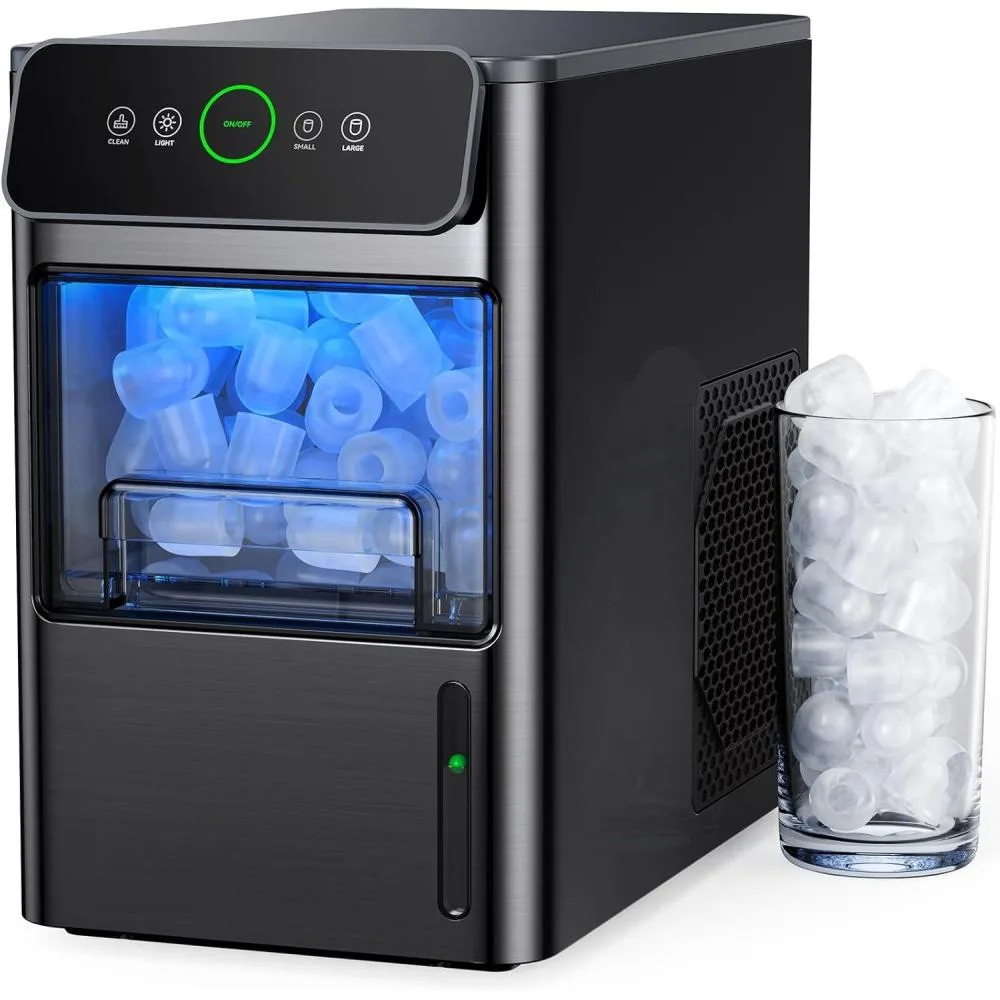
- Pros: Highly portable, quick to start making ice (often within 10-20 minutes), typically don't require a water line connection, wide price range.
- Cons: Lower ice production capacity (usually 25-50 lbs per day), ice storage is often limited and may melt if not used quickly, can be noisier than integrated models.
- Ideal For: Apartments, dorm rooms, RVs, boats, home bars, small gatherings, or as a backup ice source.
Under-Counter & Built-In Ice Makers
These are designed for more permanent installation, usually under your kitchen counter or as part of an outdoor kitchen setup. They often connect directly to your home's water supply, which means you don't have to manually fill a reservoir. This also allows for higher production and storage capacities.
- Pros: High ice production (can exceed 100 lbs per day), larger ice storage bins, often produce clearer ice due to slower freezing cycles, can be plumbed for automatic water refills, a more seamless look in your kitchen or bar area.
- Cons: Higher upfront cost, require professional installation (especially for water line and drainage), less portable, take up more dedicated space.
- Ideal For: Busy households, dedicated home bars, large-scale entertainers, or anyone who wants a consistent, high volume of ice readily available without manual effort.
Key Features to Compare: Beyond Just Ice
Once you’ve got a handle on the type of ice maker you need, it’s time to dig into the specifics. These features can significantly impact your experience, from the kind of ice you get to how easy it is to maintain.
Ice Shape and Production Rate
This is where the magic happens, and it’s not just about how much ice you get, but what kind of ice. Different ice makers produce different shapes, and each has its fans.
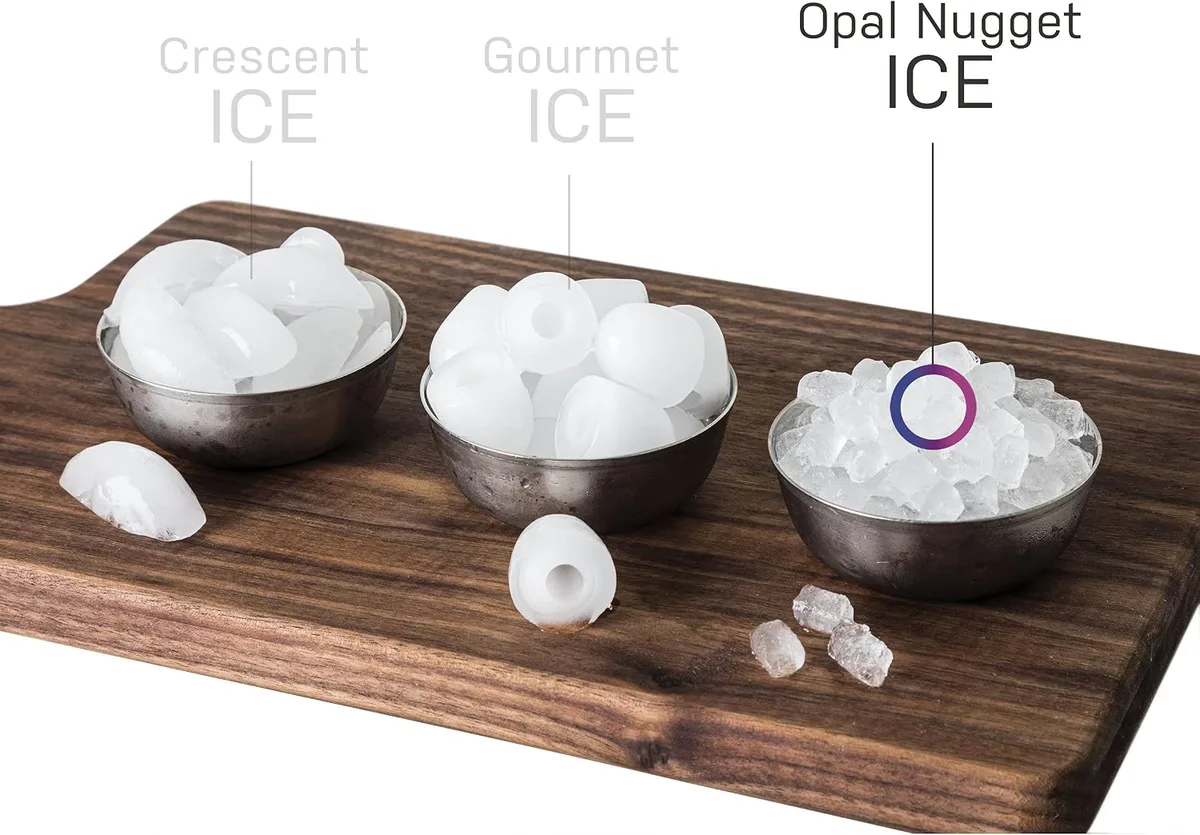
- Nugget Ice: Also called "sonic ice" or "pellet ice." It’s soft, porous, and chewable. Great for cocktails, sodas, and iced coffee. Production is usually moderate.
- Cube Ice: Standard, solid cubes. They melt slower than crescent or bullet ice and are versatile for most drinks. Production can vary widely.
- Crescent/Bullet Ice: These are often half-moon or bullet-shaped. They're relatively clear and melt at a moderate pace. Common in many countertop units.
- Clear Ice: Some higher-end models focus on producing crystal-clear ice, which melts the slowest. This often involves a more complex freezing process.
Production rate is measured in pounds per 24 hours (lbs/day). A small countertop unit might make 26 lbs/day, while a robust built-in could churn out 100 lbs or more. Always consider your maximum daily need to avoid running out.
Water Source, Reservoir, and Drainage
How the ice maker gets its water and where the meltwater goes are crucial for convenience and performance.
- Water Reservoir: Found in most countertop models, you manually fill this with water. Capacities vary, affecting how often you need to refill.
- Water Line Connection: Built-in and some under-counter models connect directly to your home’s cold water supply. This means continuous ice production without manual refilling.
- Drainage: Melted ice needs to go somewhere. Countertop units often have internal bins where ice melts and is re-frozen, but excess water might need manual draining. Some have a small drain plug. Units plumbed into a water line typically need a drain line as well, either via gravity or a small drain pump, to prevent overfilling or water backup.
Size, Storage, and Noise Level
- Dimensions: Measure your intended space carefully, especially for countertop units or if you're installing an under-counter model. Check width, depth, and height, including clearance for ventilation and door swings.
- Ice Storage Capacity: This is how much ice the internal bin can hold at any one time. It's different from the daily production rate. A 25 lb/day maker might only store 3-5 lbs of ice. If you use ice in batches, a larger storage bin is useful.
- Noise Level: Ice makers use compressors and water pumps, which can be noisy. Check manufacturer specifications for decibel (dB) ratings if you're sensitive to noise, especially for units that will be in or near your main living areas. Older or cheaper models can sound like a rattling washing machine.
Extra Features: Self-Cleaning and Controls
- Self-Cleaning Function: Many modern ice makers include a self-cleaning cycle. This uses a cleaning solution or just circulates water to help prevent mold and mineral buildup. It significantly eases maintenance.
- Control Panel: From simple on/off buttons to advanced digital displays with ice thickness settings and cleaning indicators, controls vary. A clear display can make operation and troubleshooting much simpler.
Who Needs What? Matching Ice Makers to Your Life
Choosing the right ice maker really comes down to your lifestyle and specific circumstances. Think about where you'll use it and how much ice will make your life easier.
For the Home Chef & Entertainer
If you love hosting dinner parties, stocking a home bar, or just enjoy having a constant supply of ice for your daily iced tea or cocktails, you'll want a machine with a higher production rate and possibly a larger storage capacity. A built-in or under-counter unit is ideal here, especially if you can connect it directly to a water line. This ensures you won't run out mid-party.
You might also lean towards specific ice shapes, like clear cubes or nugget ice, that enhance the beverage experience. For those who entertain frequently, look for units with a daily production of at least 50 lbs.
For the RV, Boat, or Outdoor Enthusiast
Portability and self-sufficiency are key for this group. A compact countertop ice maker is often the best fit. You'll want a unit that's relatively lightweight, doesn't take up too much space, and can operate on a standard power source, perhaps even a generator.
Ice production speed is important so you can get ice quickly when you need it. Ensure the unit is designed to handle some movement and can be easily cleaned when you’re done with your trip. These units typically produce around 20-30 lbs of ice per day.
For the Office or Small Business
For a small office breakroom or a cafe looking to supplement its main ice supply, a countertop model can be a cost-effective solution. It provides on-demand ice without the need for expensive plumbing. Look for a unit that is simple to operate, has a reasonable production rate for the number of employees or customers, and is easy to clean to maintain hygiene.
If usage is very high, consider a more robust commercial-grade countertop unit that might offer higher daily output than a typical home model.
Navigating Common Ice Maker Pitfalls
Even with the best intentions, there are a few common issues people run into when choosing and using an ice maker. Being aware of these can save you a lot of headaches and help you select a unit that avoids these problems.
- Underestimating Ice Needs: This is probably the most frequent mistake. People buy a small, cheap unit thinking it will be enough, only to find themselves running out of ice constantly. Always err on the side of a higher production rate than you think you'll need, especially if you entertain often. For a family of four with moderate ice use, aim for at least 25-30 lbs per day.
- Ignoring Water Line Complexity: While connecting to a water line offers convenience, it can be a significant installation hurdle and cost. If you're not comfortable with basic plumbing or can't easily access a water supply and drain, a portable unit is a much safer and simpler choice. Incorrect installation can lead to leaks.
- Forgetting About Cleaning and Maintenance: Ice makers need regular cleaning to prevent mineral buildup, mold, and bacteria. If you don't plan on performing regular cleaning cycles (many modern units have a self-cleaning feature to help with this), you might find your ice tastes off or the machine clogs up. Neglecting maintenance can shorten the lifespan of the appliance.
- Noise Levels: Some ice makers, especially older or cheaper portable models, can be quite loud. The sound of ice dropping into the bin or the compressor running might be disruptive if the unit is in or near your main living areas. Always check the decibel rating if noise is a concern.
- Ice Melting in Storage: Many countertop units have ice storage bins that are not heavily insulated. This means that as the machine works to make more ice, the ice already in the bin can melt, especially in warm environments. For large volumes of ice needed later, you might still need to transfer it to a freezer.
What to Expect: Ice Maker Costs and Warranties
The price tag on an ice maker can vary wildly, from a couple of hundred dollars for a basic countertop model to well over a thousand for a high-end, plumbed-in unit. Understanding the general cost range for different types is key to budgeting effectively.
- Countertop Models: Typically range from $100 to $400. This category includes a wide variety of capacities and features. The lower end gets you basic ice production, while the higher end might offer faster cycles and more ice per day.
- Under-Counter/Built-In Models: Expect to spend anywhere from $500 to $1,500 or more. These prices reflect the need for more robust construction, higher production capabilities, and the plumbing and drainage requirements. Professional installation costs are separate and can add several hundred dollars.
When considering cost, also look at the warranty. Most ice makers come with a one-year warranty on parts and labor. Some higher-end units may offer extended warranties, sometimes up to two or three years, particularly on the compressor, which is a critical component.
A longer warranty can offer peace of mind, especially for more expensive integrated models.
Getting the Most From Your Ice Maker: Maintenance and Tips
To ensure your ice maker serves you reliably for years, a little bit of consistent care goes a long way. Neglecting maintenance is how many units end up with issues like poor ice quality or reduced performance.
- Regular Cleaning: As mentioned, cleaning is vital. Most manufacturers recommend running a cleaning cycle every 1-3 months, depending on water hardness and usage. Use a descaling solution recommended by the manufacturer or a diluted vinegar solution. Always rinse thoroughly afterwards.
- Check Water Filters: If your unit has an inline water filter, you'll need to replace it periodically, usually every 6-12 months. A clogged filter restricts water flow and can affect ice production and quality.
- Empty the Ice Bin: If you have a countertop model that doesn't have insulated storage, try to use the ice within a day or two, or transfer it to a freezer. Allowing ice to sit and melt in the bin can lead to clumping and unsanitary conditions.
- Address Mineral Buildup: Hard water is the enemy of ice makers. If you have hard water, you'll need to descale your unit more frequently. Some units have indicators to alert you when descaling is needed.
- Winterizing (for Portables): If you store a portable ice maker in a cold environment (like an RV that won't be used in winter), make sure to drain all water from the reservoir, ice bin, and internal workings to prevent freeze damage.
Frequently Asked Questions About Ice Makers
How long does an ice maker typically last?
The lifespan of an ice maker varies greatly depending on the type, quality of construction, and how well it's maintained. Countertop models might last 3-7 years with proper care, while well-maintained built-in units, especially those with stainless steel components and robust compressors, can last 10-15 years or even longer.
Can I use filtered water in any ice maker?
Yes, it's generally recommended to use filtered water in any ice maker, especially if your tap water has a strong taste or odor, or if you have hard water. Filtered water can improve the taste and clarity of your ice and help reduce mineral buildup inside the machine, which extends its life.
How often should I clean my ice maker?
Most manufacturers suggest cleaning your ice maker every 1 to 3 months. This frequency can depend on your water quality, if you have hard water, you may need to clean it more often to prevent scale buildup. Always refer to your specific model's manual for recommended cleaning schedules and procedures.
Do ice makers need to be plumbed in?
Not all ice makers need to be plumbed in. Countertop and portable ice makers typically have a water reservoir that you fill manually. However, under-counter and built-in ice makers are designed to be connected directly to your home's water supply line for continuous ice production, which requires professional installation.
What does "ice production rate" mean?
"Ice production rate" refers to the maximum amount of ice a machine can create in a 24-hour period, usually measured in pounds (lbs). For example, a unit with a 50 lbs/day rate can produce up to 50 pounds of ice over a full day. This is a key metric for determining if a unit can meet your household's or event's ice demands.