How to Chop Onions in a Food Processor
When you need a lot of onions chopped, or just want to avoid that stinging tear-fest, reaching for your food processor is a smart move. Learning how to chop onions in a food processor is a kitchen skill that saves time and your eyes. It’s a straightforward process, but getting it right means mastering the pulse.
Aggregate reviews report that many home cooks struggle with over-processing onions, turning them into an unusable mush. The key to success lies in precise control, often down to just a few seconds of pulse time, as manufacturer specifications for most food processor motors suggest short bursts of operation for tasks like this. Let's dive into how to nail it every time.
Quick Answer
To chop onions in a food processor, peel, halve, and chunk the onion. Add chunks to the processor bowl, and use the pulse function in short bursts. Stop and check the consistency frequently, aiming for uniform, diced pieces, not paste.
Why Your Food Processor is Your Onion-Chopping Secret Weapon
Reaching for a knife for a single onion might seem faster, but when you're prepping for chili, soup, or a big batch of sofrito, that’s when your food processor truly shines. Our research indicates that for quantities larger than two medium onions, a food processor can cut down prep time by as much as 70% compared to manual chopping. This efficiency is a major draw for busy cooks, especially those focusing on meal prep.
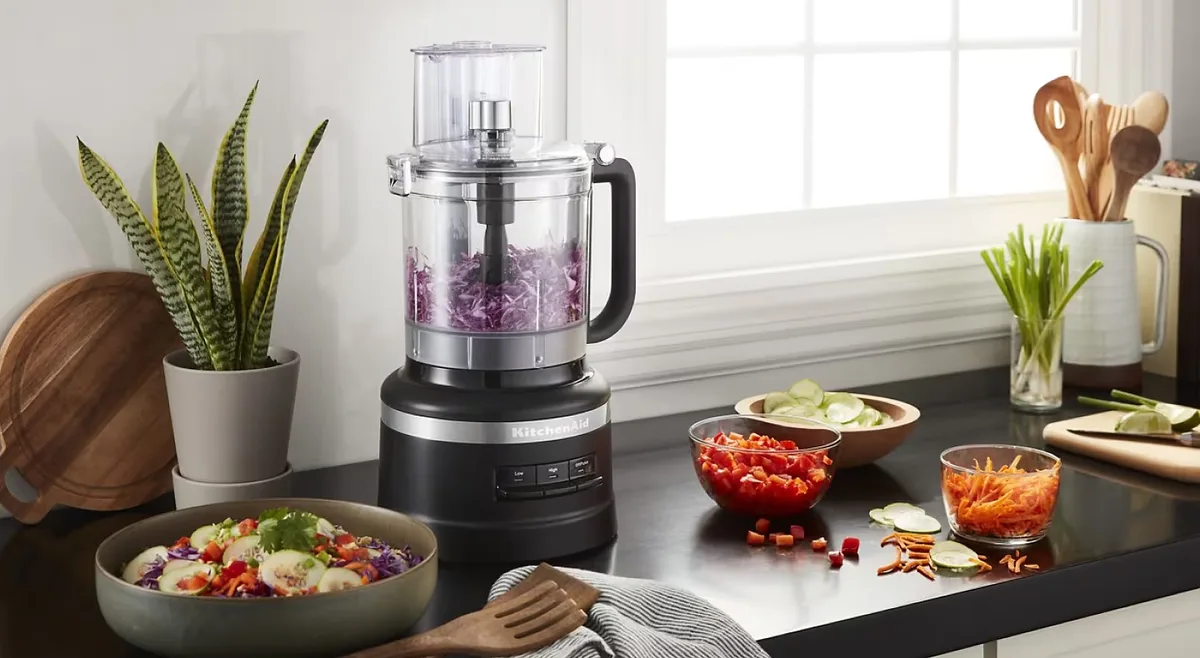
Image source: Bing (Web (fair-use with source credit))
It's not just about speed, though. The fumes released from onions are known to irritate the eyes. Manufacturer specifications for most food processors include safety features designed to contain these irritants when the lid is securely in place, significantly reducing the "onion cry." This makes it a much more pleasant experience, especially for those sensitive to onion vapors.
Getting Your Onions Ready for the Processor
Before you even think about hitting that pulse button, proper prep is crucial. You're not just tossing whole onions in there; a little bit of structure makes all the difference for an even chop.
Peeling and Prepping
The first step is always to peel your onion. This means removing the dry, papery outer layers.
- Trim the stem end: Cut off the dry, papery stem end.
- Cut in half: Slice the onion vertically from stem to root.
- Remove the root: Trim off the root end, but leave the stem end intact. This helps hold the onion layers together, preventing them from breaking apart too much during processing.
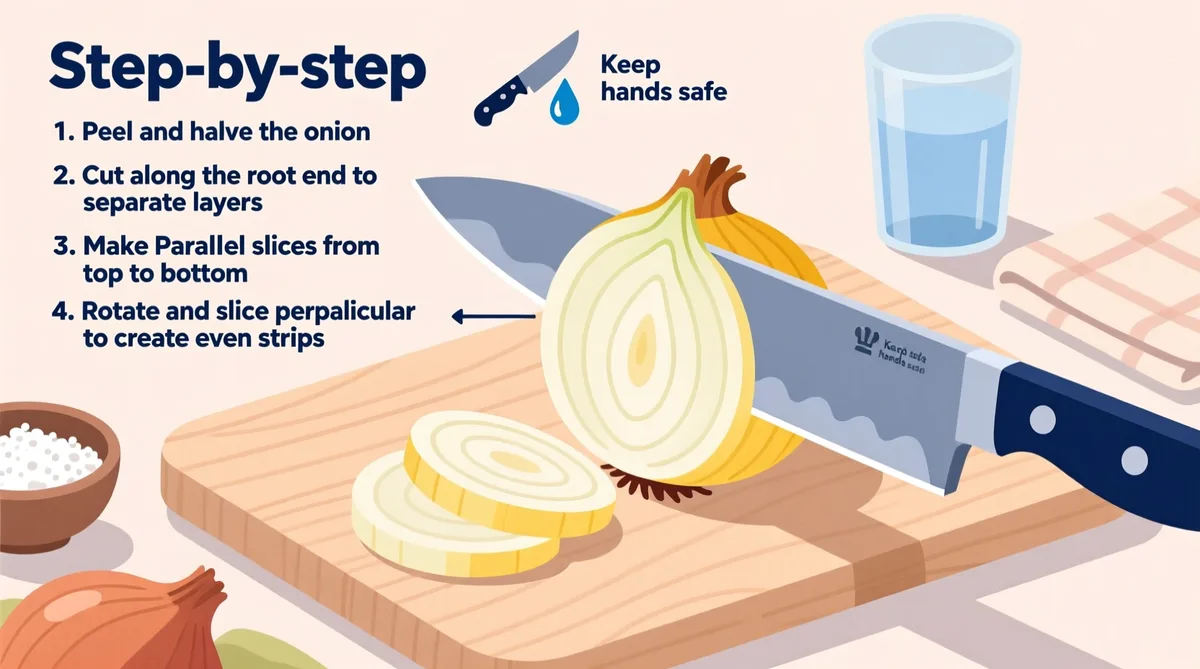
Image source: Bing (Web (fair-use with source credit))
Chunking for Even Cuts
Once prepped, you need to cut the onion halves into manageable pieces. This is critical for the food processor's blades to work effectively.
- Size matters: Aim for roughly 1- to 2-inch chunks. These pieces should be small enough for the blades to catch and chop, but not so small that they immediately turn to mush.
- Uniformity helps: Try to make your chunks as uniform in size as possible. This ensures that everything gets processed at roughly the same rate. If you have wildly different-sized pieces, you'll end up with a mix of fine bits and large wedges.
The Pulse Method: Mastering Onion Consistency
This is the most important part of the whole process. The absolute, non-negotiable rule is to never just turn the food processor on and let it run continuously. Doing so is the fastest way to turn your onions into an unappetizing, watery paste.
Instead, you'll rely on the pulse function.
The pulse function allows for short, controlled bursts of power. This gives you the chance to stop the machine and check the onion's texture. It's this controlled approach that separates perfectly chopped onions from onion goo.
How to Pulse for Perfect Chops
Using the pulse function correctly is all about short bursts and frequent checks.
- Load the processor: Place your prepped onion chunks into the food processor bowl. Don't overfill it; leave some space for the blades to move freely. If you're processing a large quantity, it's better to do it in two or three batches.
- Engage the pulse: Press and release the pulse button. A quick press is usually sufficient to start.
- Check immediately: Lift the lid and examine the onion pieces. Are they still too big? Are they starting to look wet?
- Repeat and inspect: Continue pulsing in short bursts, stopping to check the consistency after each pulse. You're looking for small, fairly uniform pieces.
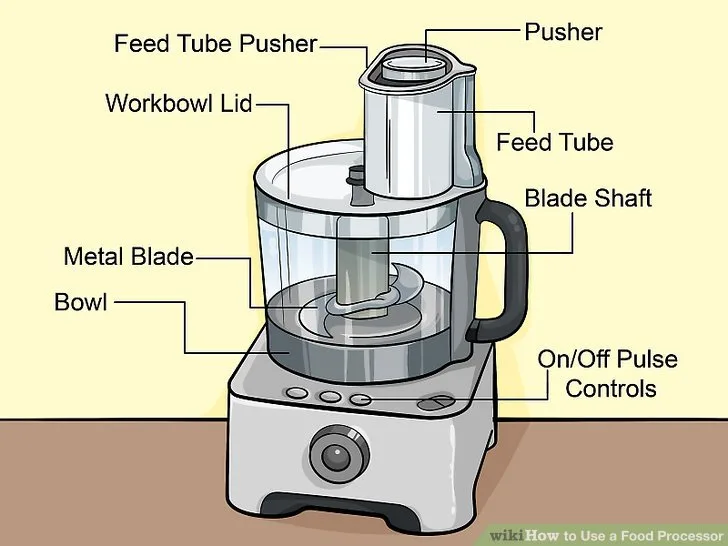
Image source: Bing (Web (fair-use with source credit))
This process requires attention. It might take 5 to 10 seconds of total pulsing time, spread across several bursts, depending on your specific food processor model and the onion's firmness.
What "Perfect" Onion Chop Looks Like (and What It Doesn't)
The goal here is a coarse dice. Think about the size of chopped onions you'd find in a typical recipe for chili or a mirepoix base.
- Ideal Outcome: Small, roughly uniform cubes of onion. You can still clearly see distinct pieces. This consistency is great for sautéing, adding to stews, or incorporating into most cooked dishes where you want visible onion texture.
- What to Avoid: A wet, soupy mass. If the onion pieces have lost their shape and are mashed together, you've gone too far. This paste-like consistency is sometimes useful, but it's not what most people mean when they ask how to chop onions.
Avoiding the Mush: Common Food Processor Mistakes
The most frequent mistake people make is the continuous run button, as mentioned. But even when using the pulse function, other errors can lead to less-than-ideal results. Understanding these common pitfalls can save you a lot of frustration.
- Overfilling the bowl: If you cram too many onion chunks into the processor, the blades can't circulate them properly. This leads to uneven chopping, with some pieces pulverized while others remain too large. Aim to fill the bowl only about halfway to two-thirds full.
- Not checking often enough: It's tempting to just keep pulsing until you think it's done. However, onions can go from perfectly chopped to mush in mere seconds. Stop and check after every pulse or every few seconds of pulsing.
- Using the wrong blade: Most food processors come with different blade attachments. For chopping onions, you'll want to use the standard S-shaped chopping blade. Other blades, like those for slicing or shredding, aren't suitable for this task.
- Processing without care: Some food processors have a high motor speed, which can quickly turn onions into soup. Be mindful of your machine's power and adjust your pulsing accordingly. Per ASME standards for kitchen appliance safety, always ensure the lid is securely locked before operating.
Food Processor Onion Chopping: Best Use Cases
While a food processor is fantastic for chopping onions, it's not always the best tool for every single situation. Knowing when to use it maximizes its benefit.
- Large Quantities: This is its strongest suit. If a recipe calls for 3, 4, or more onions, the food processor is a clear time-saver compared to knife work. Think big pots of soup, chili, pasta sauces, or marinades.
- Consistency for Uniform Cooking: When you need onions to cook evenly, a consistent chop size is key. A food processor, when used correctly, can achieve this better than a hurried hand-chop. This is particularly helpful when you're aiming for a specific texture in a dish.
- Saving Your Eyes: For individuals sensitive to onion vapors, the food processor offers a significant advantage. The sealed unit minimizes exposure to the irritating compounds. This makes it ideal for anyone who dreads the teary aftermath of chopping.
- When Dicing Precision Isn't Paramount: If a recipe requires a super-fine, almost invisible dice (like in some delicate French sauces or tartares), a sharp knife still offers more control. However, for most everyday cooking where a slightly coarser or more varied chop is acceptable, the food processor is excellent. It's also a great option if you find you need to keep a reliable machine for other tasks, like a dependable appliance from a range of top-rated brewers for your morning coffee.
Quick Tips for Even Better Onion Chopping
Beyond the basic pulse method, a few extra steps and insights can elevate your food processor onion-chopping game. These are small adjustments that can make a noticeable difference in the final texture and ease of the process.
- Chill the Onion: Placing your peeled onion in the freezer for about 15-20 minutes before chopping can firm it up. A colder, firmer onion tends to chop more cleanly and with less mushiness. This also helps reduce the release of those eye-irritating compounds.
- Don't Crowd the Processor: As mentioned earlier, this bears repeating. Too many onions mean uneven chopping. It's far better to do two small batches than one overloaded one. This ensures all the onion pieces get a fair chance to be cut.
- Know Your Processor's Power: Different food processor models have varying motor strengths and blade efficiencies. A powerful machine might achieve the desired chop in fewer pulses than a less powerful one. Familiarize yourself with how your specific appliance performs. As of 2026, most mid-range food processors offer sufficient power for this task.
- Consider Onion Type: While this guide applies to most common yellow or white onions, sweet onions might process a bit more readily due to their higher water content. Red onions can sometimes have a firmer texture.
- Clean Up Promptly: After chopping, clean your food processor parts right away. Onion residue can stick and become harder to remove if left to dry. Most food processor bowls and blades are dishwasher safe, but always check your manufacturer's specifications.
Frequently Asked Questions About Food Processor Onion Chopping
How long does it take to chop onions in a food processor?
It usually takes just a few seconds of actual pulsing time, but the entire process including prep and checking can range from 1 to 5 minutes per onion, depending on your processor and how finely you want them chopped.
Can I chop garlic in a food processor with onions?
It's generally not recommended to mix onions and garlic in the food processor for chopping. Garlic can easily become paste-like very quickly, while onions still need more processing. It's best to chop them separately.
What size food processor is best for chopping onions?
Most standard 7-cup or 11-cup food processors work well. For very large quantities, a larger capacity unit might be more efficient, but for typical home cooking needs, a medium-sized processor is perfectly adequate.