Can An Obd2 Scanner Detect Oxygen Sensor Problems: Quick Guide
Yes, an OBD2 scanner can detect many oxygen sensor problems, but not every fault with total certainty.
If you have ever seen a check engine light and wondered whether your oxygen sensor is the culprit, you are not alone. An OBD2 scanner is often the first tool I reach for because it can point you toward sensor trouble fast, and in many cases it can save time, money, and guesswork. In this guide, I’ll show you how an OBD2 scanner detects oxygen sensor problems, what it can and cannot tell you, and how to confirm the real cause before replacing parts.
What an oxygen sensor does and why it matters
An oxygen sensor, also called an O2 sensor, measures how much oxygen is left in the exhaust. The engine computer uses that data to adjust the air-fuel mixture. That helps the engine run cleaner, use fuel better, and protect the catalytic converter.
Most modern vehicles have upstream and downstream oxygen sensors. The upstream sensor helps control fuel trim. The downstream sensor helps check catalytic converter performance.
When an O2 sensor fails, the engine may run rich, run lean, burn more fuel, or trigger emissions codes. Sometimes the problem is the sensor itself. Other times, the sensor is only reporting a problem caused by a vacuum leak, exhaust leak, wiring issue, or bad fuel delivery.

How an OBD2 scanner detects oxygen sensor problems
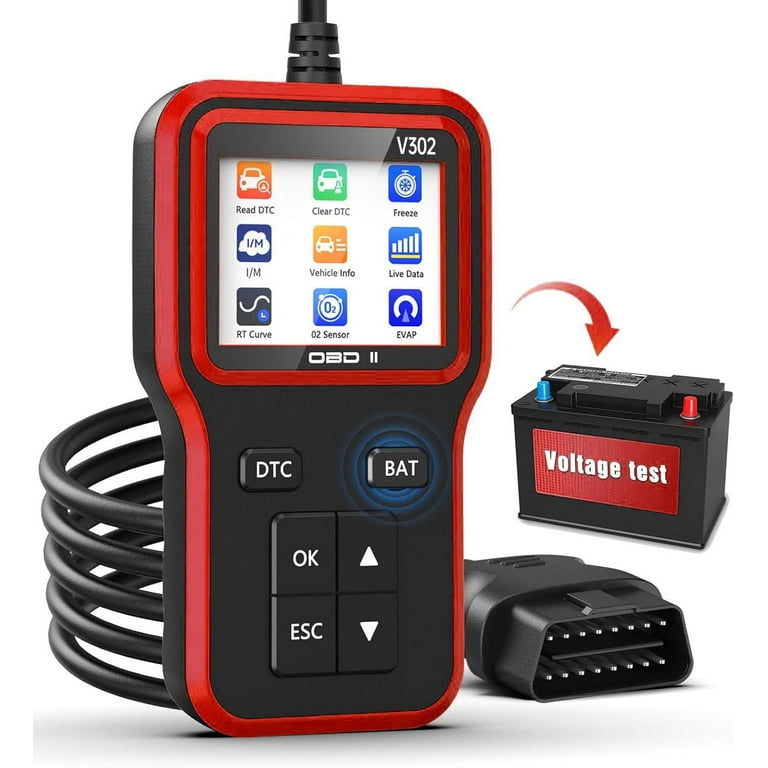
An OBD2 scanner detects oxygen sensor problems by reading trouble codes, live data, and readiness information from the vehicle’s computer. It does not “see” the sensor directly like a mechanic’s eye. Instead, it reads how the engine control module interprets the sensor signals.
Common ways an OBD2 scanner helps:
- It reads diagnostic trouble codes such as P0130 through P0167.
- It shows live voltage or air-fuel ratio data from the sensor.
- It displays fuel trim values that hint at mixture problems.
- It shows whether the sensor is switching normally or stuck.
- It can reveal if the sensor heater circuit has failed.
From my own experience, the scanner is best used like a flashlight, not a verdict. It points you toward the area of the problem, but you still need to check the clues around it.
Common OBD2 codes related to oxygen sensors
When people ask, “Can an OBD2 scanner detect oxygen sensor problems?” the short answer is usually yes, because the scanner can pull codes tied to O2 sensor faults. These are some of the most common ones:
- P0130 to P0135: Oxygen sensor circuit issues on bank 1 sensor 1
- P0136 to P0141: Oxygen sensor circuit issues on bank 1 sensor 2
- P0150 to P0155: Oxygen sensor circuit issues on bank 2 sensor 1
- P0156 to P0161: Oxygen sensor circuit issues on bank 2 sensor 2
- P0171 or P0174: System too lean, often linked to sensor readings or air leaks
- P0172 or P0175: System too rich, which can also affect sensor readings
These codes do not always mean the sensor is bad. A code may point to the sensor circuit, the heater, or a fueling problem that is confusing the sensor.
What live data can tell you
Live data is where an OBD2 scanner becomes much more useful. If you only read the code and stop there, you may miss the real issue. Live data can show how the sensor behaves in real time.
Useful signs to watch:
- Upstream O2 sensor voltage should usually switch up and down quickly on gasoline engines
- A sensor stuck very high may suggest a rich condition
- A sensor stuck very low may suggest a lean condition
- Slow switching may suggest aging or contamination
- Fuel trims far from normal may show the engine is compensating for a bad reading or another fault
A good scanner may also show short-term fuel trim and long-term fuel trim. These numbers help tell whether the engine is adding or removing fuel to stay balanced. If the trims are extreme, I usually suspect a vacuum leak, exhaust leak, clogged injector, weak fuel pump, or sensor problem before I blame just one part.
Signs an oxygen sensor may be failing
An OBD2 scanner is most helpful when it matches the symptoms you notice while driving. Some common signs include:
- Check engine light
- Poor fuel economy
- Rough idle
- Hesitation on acceleration
- Failed emissions test
- Strong fuel smell from exhaust
- Engine running too rich or too lean
I have seen cases where the customer was sure the sensor had died, but the real issue was a cracked intake boot or leaking exhaust manifold. That is why I always treat the scanner as a guide, not the final answer.
What an OBD2 scanner cannot do
This is the part many drivers miss. Can an OBD2 scanner detect oxygen sensor problems? Yes, but only within limits.
It cannot always:
- Tell you the sensor is bad with 100% certainty
- Detect a wiring problem that only happens under vibration
- Find a vacuum leak unless the leak creates a code or fuel trim change
- Confirm a catalytic converter issue by itself
- Replace a proper visual inspection or multimeter test
A code only says what the computer saw. It does not tell you why it saw it. That is why diagnosis works best when scanner data is paired with basic testing.
Common causes that look like an oxygen sensor failure
A faulty O2 sensor is only one possibility. These issues can produce the same codes or symptoms:
- Exhaust leaks near the sensor
- Vacuum leaks
- Dirty mass air flow sensor
- Bad fuel injector
- Weak fuel pressure
- Damaged wiring or connectors
- Failing heater circuit
- Engine misfire
- Oil or coolant contamination on the sensor
This is a big reason people waste money. They replace the sensor, clear the code, and the check engine light comes back a week later. I have made that mistake early in my career too, and it taught me to slow down and verify the cause first.
How to confirm the problem step by step
If you suspect an O2 sensor issue, use a simple process instead of guessing.
-
Read the code
Note the exact code and which bank and sensor it points to. -
Check live data
Watch the sensor voltage and fuel trims at idle and at higher rpm. -
Inspect wiring and connectors
Look for melted wires, corrosion, loose plugs, or broken insulation. -
Check for exhaust leaks
A leak before or near the sensor can fool the reading. -
Look for vacuum leaks
A lean engine condition may cause the sensor to report false trouble. -
Test the heater circuit if needed
Many sensors fail because the heater stops working, especially on cold starts. -
Compare with known-good behavior
If possible, compare readings with another bank or sensor on the same vehicle. -
Repair the root cause
Replace the sensor only if the sensor itself is truly the problem.
Can a basic scanner do the job?
A basic code reader can detect oxygen sensor-related trouble codes, but it may not give enough detail for a confident diagnosis. It can tell you that a problem exists, but not always whether the sensor, wiring, or engine condition caused it.
A more advanced OBD2 scanner is better if it can show:
- Live voltage data
- Fuel trim data
- Freeze frame data
- Readiness monitors
- Mode $06 test results
If you are serious about DIY repair, a better scanner can pay for itself quickly. It gives you more context, which means fewer wrong parts and less frustration.
Why oxygen sensor problems matter
Ignoring O2 sensor problems can lead to bigger issues. A bad sensor can hurt fuel economy, increase emissions, and damage the catalytic converter over time. That can turn a relatively small repair into a much larger bill.
Here’s why it matters:
- Poor fuel economy costs you more at the pump
- Bad mixture control can cause drivability problems
- Excess fuel can damage the catalytic converter
- Failed emissions tests can keep the car off the road
In other words, an oxygen sensor problem is not just a light on the dash. It can affect the whole engine system.
Practical tips from real-world diagnosis
After working with scan tools on many vehicles, I’ve learned a few habits that save time:
- Never replace an O2 sensor just because of one code
- Check fuel trims before buying parts
- Inspect the sensor wiring near the exhaust first
- Watch for other codes that point to the real cause
- Clear the code only after the repair, not before testing
- Use the scanner after a test drive to confirm the fix
My biggest lesson has been simple: the scanner is strongest when you use it with logic. A code is a clue, not a conclusion.
Frequently Asked Questions
Can an OBD2 scanner tell if an oxygen sensor is bad?
Yes, it can often point to a bad oxygen sensor by showing trouble codes and unusual live data. But it may not prove the sensor is bad on its own, so confirmation tests are still important.
What OBD2 code means an oxygen sensor problem?
Codes like P0130, P0135, P0141, P0150, and P0161 often relate to oxygen sensor circuits or heater problems. The exact meaning depends on the vehicle, bank, and sensor position.
Will a bad oxygen sensor always trigger a check engine light?
Not always. A sensor can get slow or weak before the computer sets a code, especially if the problem is mild or intermittent. That is why live data can help catch issues early.
Can an OBD2 scanner detect a downstream oxygen sensor issue?
Yes, it can detect codes and data for downstream sensors too. These sensors are often used to monitor catalytic converter performance, so their readings matter just as much.
Should I replace the oxygen sensor if I get an O2 sensor code?
Not right away. First check wiring, exhaust leaks, vacuum leaks, and live data so you do not replace a sensor that is only reporting another problem.
Conclusion
Can an OBD2 scanner detect oxygen sensor problems? Yes, and it does a very good job of pointing you in the right direction. It can read codes, show live sensor behavior, and help you separate a bad sensor from a problem elsewhere in the engine.
The smartest approach is to use the scanner as your first diagnostic tool, then confirm the real cause with a quick inspection and data check. That way you save money, avoid guesswork, and fix the issue the right way. If you are dealing with a check engine light right now, grab your scanner, gather the clues, and use them to make a better repair decision.