How to Choose a Hand Mixer
Image source: Bing (Web (fair-use with source credit))
Finding Your Perfect Hand Mixer: A Smart Shopper's Guide
Choosing the right hand mixer can make all the difference in your kitchen, turning baking dread into pure joy. You want a tool that’s powerful enough for your toughest recipes but gentle enough not to make a mess. Getting this right means better results and less frustration, whether you're whipping up meringues or kneading bread dough.
We've dug into what makes a hand mixer great, looking at motor power, speed settings, and the all-important attachments. Manufacturer specifications often indicate a wattage range of 100W to 250W or more, which we'll break down to help you match a mixer to your specific culinary adventures. Let's dive in and find your perfect kitchen partner.
Quick Answer
To choose a hand mixer, consider your typical cooking tasks. Look for adequate wattage (150-250W for general use) and variable speed control. Ensure it comes with essential attachments like beaters, and check for comfortable ergonomics and easy cleaning.
What's Your Kitchen Mission? Understanding Your Mixer Needs
The biggest factor in how to choose a hand mixer really boils down to what you plan to do with it most often. Think about your cooking and baking habits. Are you an occasional cookie baker, or do you tackle dense bread doughs regularly?
- Casual Baker: If you’re whipping up a batch of cookies for the kids once a month or making pancakes on a lazy Sunday morning, you don't need a super high-powered machine. Something in the lower wattage range, perhaps 100-150 watts, with basic beaters and a few speed settings will likely serve you well. You're looking for reliability and ease of use for lighter tasks.
- Everyday Cook: For those who find themselves making mashed potatoes, emulsifying dressings, or whipping cream a few times a week, a mid-range mixer is your best bet. Aim for something with 150-250 watts. This power level is crucial for handling slightly thicker batters and ensuring smoother results without straining the motor.
- Serious Baker/Cook: If your kitchen often smells of yeasted bread or you're regularly making large batches of meringue for desserts, you’ll want a robust machine. Look for mixers with 250 watts or more. These workhorses can handle heavier, denser ingredients and will speed up your prep time significantly.
Understanding your personal needs helps narrow down the options considerably. It’s about matching the tool to your workload.
Key Mixer Features That Actually Matter
When you're looking at hand mixers, it's easy to get lost in a sea of technical jargon. But a few core features truly impact how well the mixer performs and how much you’ll enjoy using it. These are the aspects that make a real difference in your daily kitchen tasks, from whisking eggs to kneading dough.
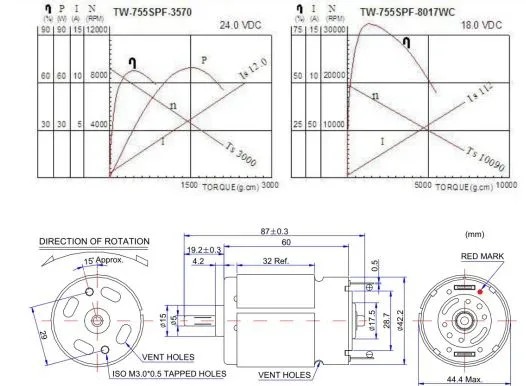
Image source: Bing (Web (fair-use with source credit))
- Motor Power (Wattage): This is the engine of your hand mixer. More wattage generally means more power, which is essential for tougher jobs. We'll cover specific wattages later, but know that a higher number indicates a stronger motor capable of handling denser ingredients without bogging down.
- Speed Settings: Most mixers offer multiple speeds, but the quality and range matter. Variable speed controls, where you can gradually increase the speed, are a huge plus. This prevents flour from flying everywhere when you start mixing dry ingredients into wet.
- Attachments: The beaters are standard, but other attachments like dough hooks and whisks can add a lot of versatility. If you bake bread often, dough hooks are a must-have.
These aren't just specs on a box; they translate directly into how effectively and easily you can create your favorite dishes.
Performance Breakdown: Power, Speeds, and Attachments
Let's get into the nitty-gritty of what makes a hand mixer perform well. The interplay between power, speed, and the right attachments dictates how well it handles different culinary challenges. As of 2026, manufacturer specifications still largely rely on wattage to denote power, and it’s a good starting point for comparison.
How Much Power Do You Really Need?
Wattage tells you how much electrical power the motor can draw, which is directly related to its strength.
- 100-150 Watts: These are your lighter-duty mixers. They're great for tasks like whipping cream, whisking egg whites to stiff peaks, or mixing thin batters for cakes and pancakes. If your baking involves minimal kneading and mostly light ingredients, this range is sufficient.
- 150-250 Watts: This is the sweet spot for most home cooks. This power range can comfortably handle thicker cookie doughs, muffin batters, and general all-purpose mixing. It provides enough torque to work through ingredients without overheating or struggling, offering a good balance of performance and efficiency.
- 250+ Watts: For serious bakers or those who frequently work with very dense doughs, like bread or heavy cookie recipes, this is the range to aim for. This higher wattage ensures the motor can sustain prolonged use under heavy load without issue.
The Magic of Speed Control
Multiple speed settings are key, but how you control them matters.
- Variable Speed: This feature lets you start slow and gradually increase the speed. It’s incredibly useful for preventing dry ingredients from exploding out of the bowl when you first combine them. A gentle start on low speed makes for a much cleaner mixing process.
- Pre-set Speeds: Many mixers offer 3 to 5 pre-set speeds (e.g., Low, Medium, High). While functional, they can be less forgiving than variable control. Ensure the "low" setting is genuinely slow enough for initial mixing.
Understanding Your Attachments
The tools that come with your mixer are what do the actual work.
- Beaters: These are the standard attachments for most mixing jobs, from creaming butter and sugar to incorporating dry ingredients. Look for sturdy, often chrome-plated beaters that feel robust.
- Dough Hooks: If you bake bread or other yeast-leavened items, dough hooks are essential. They are specifically shaped to knead dough effectively, mimicking the action of hand-kneading.
- Whisks: Some mixers include specialized whisk attachments, often balloon-shaped, designed for aerating ingredients like egg whites and heavy cream. These can achieve lighter, fluffier results faster than standard beaters.
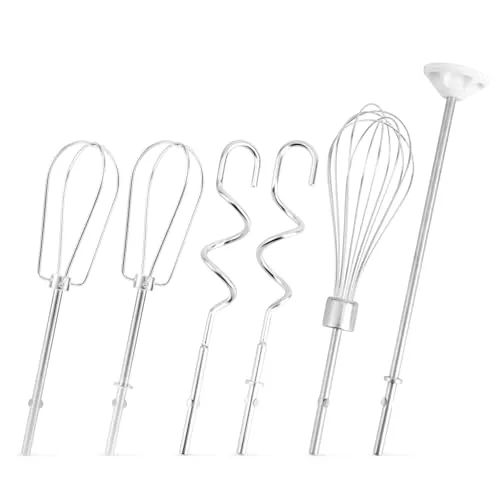
Image source: Bing (Web (fair-use with source credit))
Having the right attachments for your tasks significantly broadens a hand mixer's utility.
Who Needs What? Hand Mixers for Every Cook
Picking a hand mixer isn't a one-size-fits-all situation. The best choice for you depends heavily on your role in the kitchen and the types of recipes you’ll be tackling. Let's break down which types of mixers are ideal for different users.
- For the Weekend Baker (Casual Use):
If your kitchen adventures are mostly limited to occasional cookie batches, pancake batter, or simple cake mixes, you don't need to overspend on power. A mixer with around 100-150 watts is perfectly adequate. Look for models with 3-5 speeds and standard beaters.
Ease of cleaning and a comfortable grip are more important here than raw power. These mixers are usually more compact and budget-friendly.
- For the Home Cook (Everyday Use):
This category covers a broad range of tasks, from mashing potatoes and making frosting to whipping cream and mixing muffin batter. A mid-range mixer, typically between 150-250 watts, is your sweet spot. It provides enough muscle for denser batters without laboring.
Models with 5-7 speeds, including a gentle starting speed, will offer better control. Standard beaters will be your workhorse, but if you ever dabble in simpler doughs, dough hooks could be a valuable addition.
- For the Serious Enthusiast (Frequent & Heavy Use):
If you're the person who bakes bread weekly, experiments with candy making, or whips up large batches of meringue for desserts, you need a powerhouse. Opt for a hand mixer with 250 watts or more. These machines are built for endurance and can handle heavy doughs, thick batters, and prolonged mixing without overheating.
Look for robust construction, excellent variable speed control, and sturdy dough hooks. If you bake frequently, a mixer with a good warranty and easy-to-clean components will also be a significant benefit.
The key is to be honest with yourself about your cooking habits. Overestimating your needs means paying for power you won't use, while underestimating means a mixer that struggles and disappoints.
Navigating the Options: Comparing Mixer Types and Specs
When you start looking at hand mixers, you'll see a range of options that can seem similar at first glance. Understanding the key specifications and how they differ helps you make an informed decision. As of 2026, the market offers a spectrum from basic, budget-friendly models to more robust, feature-rich devices.
Here's a quick comparison of what you're likely to encounter:
| Feature | Basic / Entry-Level Mixer | Mid-Range / All-Purpose Mixer | Premium / Heavy-Duty Mixer |
|---|---|---|---|
| Motor Power | 100-150 Watts | 150-250 Watts | 250+ Watts |
| Speed Settings | 3-5 Speeds (often fixed) | 5-7 Speeds (often variable start) | 7+ Speeds (digital variable control) |
| Attachments | Standard beaters | Standard beaters, possibly dough hooks | Standard beaters, dough hooks, whisk attachments |
| Build Material | Lighter plastics, functional design | Sturdier plastics, some metal components | Metal housing, robust construction |
| Best For | Light batters, whipped cream, occasional use | General baking, cookie dough, everyday tasks | Dense doughs, large batches, frequent use |
| Approx. Price | $20 – $40 | $40 – $70 | $70+ |
Who is each best for?
- Basic Mixers: Ideal for students, small kitchens, or anyone who only needs a mixer for very simple tasks a few times a year. They get the job done without fuss for lighter ingredients.
- Mid-Range Mixers: The best all-around choice for most households. They offer a good balance of power, versatility, and price, handling a wide variety of recipes competently.
- Premium Mixers: Tailored for serious bakers and cooks who demand high performance and durability for demanding recipes and frequent use. They provide the most power and often come with the most versatile attachments.
Choosing among these types means prioritizing your budget and your kitchen's demands.
Smart Shopping: Avoiding Common Mixer Pitfalls
Even with all the information, it's easy to make a mistake when picking out a hand mixer. Many shoppers overlook key details that can lead to frustration down the line. Being aware of these common traps can save you time, money, and a whole lot of kitchen hassle.
- Ignoring Motor Power: People often focus only on the number of speeds or fancy features. However, if the motor isn't powerful enough (check the wattage), it won't handle denser ingredients like cookie dough or bread dough. The mixer might overheat, struggle, or fail to incorporate ingredients properly. For anything beyond light batters, aim for at least 150 watts.
- Skimping on Speed Control: A mixer with only high-speed settings or a poor "low" speed can create a flour-dust explosion. Starting your mixing on a gentle speed is crucial for containing ingredients. Variable speed controls offer the best way to manage this, allowing a gradual increase as needed.
- Not Considering Ergonomics: A hand mixer spends time in your hand. If it's too heavy, too bulky, or has an uncomfortable grip, you'll dread using it, even for simple tasks. While you can't always test in person, look for reviews that mention comfort and weight, especially if you have tasks that take several minutes.
- Overlooking Cleaning Ease: No one enjoys spending more time cleaning the mixer than it took to make the recipe. Look for mixers with dishwasher-safe attachments and a smooth body that's easy to wipe down. Models with complex designs or hidden nooks can be a pain to keep sanitary.
Avoiding these common pitfalls ensures you select a hand mixer that's not just functional, but a genuine pleasure to use.