Can An Obd2 Scanner Detect Transmission Problems: What To Know
Yes, an OBD2 scanner can detect many transmission problems, but not every fault or symptom.
If you have ever felt a hard shift, a slipping gear, or a dashboard warning light that made your stomach drop, you are not alone. I have seen plenty of drivers assume the transmission was “fine” just because the car still moved, only to find a stored code later that pointed straight to a sensor, solenoid, or fluid issue. That is where an OBD2 scanner becomes so useful: it can catch a lot of early transmission trouble, but it also has clear limits you should understand before you trust it with the whole diagnosis.
How an OBD2 scanner works
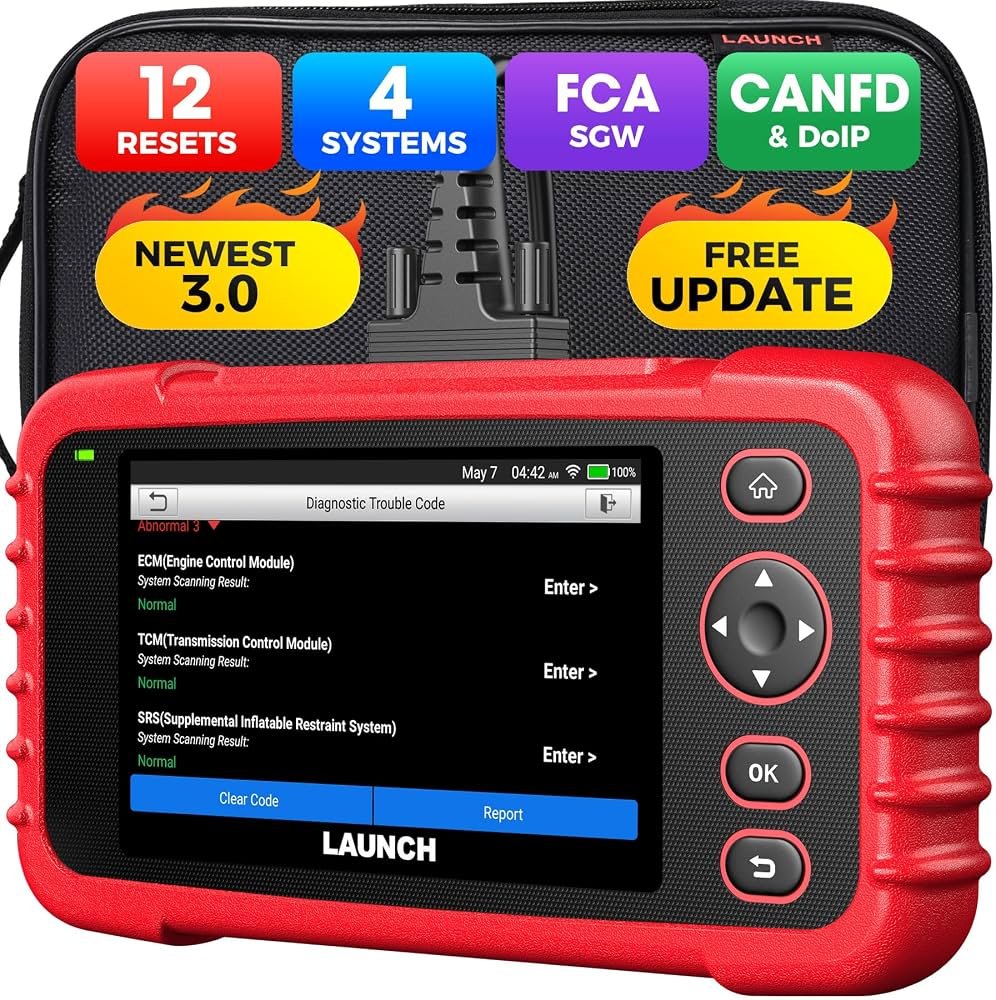
An OBD2 scanner connects to your car’s onboard diagnostic system and reads fault codes stored by the engine control module and, in many vehicles, the transmission control module. Think of it like a translator for your car’s computer. It does not “fix” anything, but it can tell you what the vehicle noticed was wrong.
Most OBD2 scanners can pull:
- Diagnostic trouble codes, also called DTCs
- Freeze frame data
- Live sensor readings
- Readiness monitor status
- Basic emissions-related faults
For transmission issues, the scanner may reveal a problem with:
- Shift solenoids
- Transmission fluid temperature sensors
- Input or output speed sensors
- Torque converter clutch performance
- Transmission control circuit faults
In my experience, the scanner is often the first clue, not the full answer. A code can point to the area of failure, but you still need context from symptoms, fluid condition, and sometimes a road test.
Can an OBD2 scanner detect transmission problems?
Yes, an OBD2 scanner can detect many transmission problems, especially electronic and sensor-based ones. It is very good at catching issues that trigger fault codes in the transmission control module or powertrain system.
That said, it may miss mechanical problems like worn clutches, damaged gears, low hydraulic pressure, or internal wear if no sensor detects the issue yet. So the scanner is helpful, but it is not magic. It is more like a flashlight than a full repair shop.
What kinds of transmission problems can it detect?
An OBD2 scanner can often detect transmission issues that affect electrical signals, pressure control, or gear shifting behavior. These are the problems most likely to set a code.
Common transmission-related issues it may catch include:
-
Shift solenoid faults
These can cause harsh shifting, delayed shifts, or no shift at all. -
Speed sensor problems
Faulty input or output speed sensors can confuse the transmission computer and affect gear timing. -
Torque converter clutch issues
This may create shuddering, poor fuel economy, or higher engine RPM at cruise. -
Transmission fluid temperature sensor faults
Wrong temperature readings can affect shift strategy and protection mode. -
Wiring or connector problems
Broken wires, corrosion, or loose plugs can trigger transmission codes. -
Transmission control module communication faults
Some scanners can spot network or communication issues between modules.
I have found that when a car goes into limp mode, the scanner often reveals an electrical or sensor-related root cause. That saves a lot of guesswork compared with replacing parts blindly.
What transmission problems can an OBD2 scanner miss?
An OBD2 scanner cannot detect every transmission issue. This is one of the biggest mistakes I see people make: they assume “no codes” means “no problem.”
It may miss:
- Internal clutch wear
- Burned transmission fluid
- Low hydraulic pressure
- Damaged valve body components
- Mechanical gear damage
- Early-stage slipping with no stored code
- Problems that happen only under certain load or temperature conditions
A transmission can still be failing even if the scanner shows nothing obvious. If the fluid is dark, smells burnt, or the car slips between gears, that matters just as much as a code.
Signs your scanner might point to transmission trouble
The scanner is most useful when your car is already showing symptoms. If you notice these signs, it is smart to scan the vehicle right away:
- Harsh or delayed shifting
- Slipping between gears
- Stuck in one gear
- Check engine light or transmission warning light
- Shuddering during acceleration
- Weird RPM changes
- Hesitation when shifting into drive or reverse
- Limp mode or reduced power
When I check a car with these symptoms, I always look at both the code and the live data. That combination tells a much better story than the code alone.
Common OBD2 codes linked to transmission problems
Some codes are more closely tied to transmission trouble than others. If your scanner shows one of these, it is worth paying attention.
Examples include:
-
P0700
Transmission control system malfunction. This often means the transmission computer found a problem and asked the engine computer to turn on the warning light. -
P0715
Input/turbine speed sensor circuit fault. -
P0720
Output speed sensor circuit fault. -
P0740
Torque converter clutch circuit malfunction. -
P0750
Shift solenoid A malfunction. -
P0755
Shift solenoid B malfunction. -
P0760
Shift solenoid C malfunction. -
P0791
Intermediate shaft speed sensor circuit. -
P0868
Transmission fluid pressure low.
These codes do not always mean the part itself is bad. Sometimes the cause is wiring, fluid problems, or even a computer issue. That is why a scanner should start the diagnosis, not end it.
Why live data matters so much
Live data is one of the best features on a good OBD2 scanner. It shows what the transmission and engine are doing in real time, not just what happened in the past.
Useful live data may include:
- Transmission fluid temperature
- Input and output shaft speeds
- Gear commanded versus gear actual
- Torque converter clutch status
- Shift solenoid commands
- Vehicle speed and engine load
This can help you spot patterns. For example, if the scanner shows the computer commanding a shift but the gear change does not happen cleanly, that points to a deeper issue. It is like watching the car tell its own story.
When an OBD2 scanner is not enough
Sometimes people want a single tool that gives a yes-or-no answer. In real life, transmission diagnosis is usually messier than that.
You may need more than an OBD2 scanner if:
- The car has symptoms but no codes
- The issue appears only when hot
- The transmission slips without warning
- There is internal damage
- The fluid condition looks bad
- The problem involves hydraulic pressure
At that point, a mechanic may use:
- A transmission pressure test
- A scan tool with manufacturer-level data
- A road test
- Fluid inspection
- Wiring checks with a multimeter
I learned early on that a scanner is great for narrowing the problem, but it cannot replace hands-on testing. That lesson saves time, money, and a lot of frustration.
Best way to use an OBD2 scanner for transmission diagnosis
If you want a better shot at finding the real issue, use the scanner in a simple, step-by-step way.
-
Read all codes
Do not stop at the first code. Check both pending and stored codes. -
Write down the freeze frame data
This shows the car conditions when the fault happened. -
Check live data
Watch sensors, temperatures, and gear command signals. -
Clear codes only after documenting them
Clearing too soon can erase helpful clues. -
Test drive carefully
See if the problem returns under the same conditions. -
Inspect transmission fluid
Look for low level, burnt smell, or dirty fluid. -
Compare symptoms with data
The code should match the behavior you feel.
This approach gives a much clearer picture than just plugging in the scanner and hoping for a miracle.
Can a basic OBD2 scanner find transmission issues?
Yes, but only to a point. A basic OBD2 scanner can usually read generic powertrain codes and may show transmission-related faults if the vehicle stores them in a shared system.
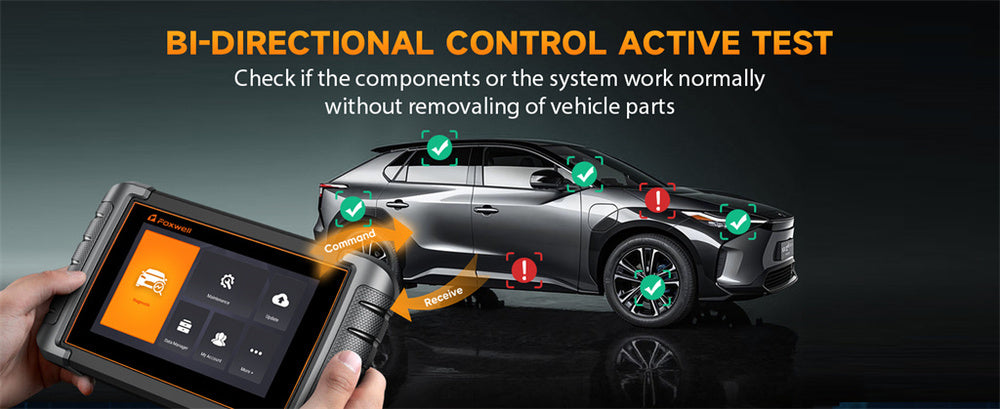
However, more advanced scanners often do a better job because they can:
- Read manufacturer-specific transmission codes
- Access transmission control module data
- Show more live sensor values
- View enhanced freeze frame details
If you drive an older vehicle or only want to check for warning lights, a basic scanner can still help. If you are trying to diagnose shifting issues, an enhanced scan tool is usually worth it.
Real-world example from diagnosis
I once checked a vehicle that had a rough 2 to 3 shift and an occasional limp mode event. The owner had already been told the transmission was “probably dead,” which is a scary thing to hear.
The scanner showed a speed sensor code and strange live data from the output shaft sensor. The transmission itself was not failing internally at that stage. The real issue was a damaged sensor circuit, and fixing that solved the shifting problem.
That is why I always tell people not to jump straight to a full rebuild based on feel alone. Sometimes the scanner catches a simple fix hiding behind a dramatic symptom.
Tips to avoid misdiagnosis
Transmission problems can be expensive, so careful diagnosis matters.
Keep these tips in mind:
- Do not replace parts based on one code alone
- Always check fluid condition and level
- Look for wiring damage near the transmission
- Consider heat-related failures
- Pay attention to whether the problem is constant or occasional
- Use a scanner with live data if possible
A code is a clue, not a verdict. That mindset can save you from throwing money at the wrong part.
FAQ: Can an OBD2 scanner detect transmission problems?
Can an OBD2 scanner read transmission codes?
Yes, many OBD2 scanners can read transmission-related codes, especially if the vehicle stores them in the powertrain or transmission module. Basic scanners may only show generic codes, while advanced models can access more detailed information.
Will an OBD2 scanner tell me if my transmission is bad?
Not by itself. It can show clues like sensor faults or solenoid issues, but internal mechanical damage may not trigger a code right away. If the car slips, jerks, or shifts oddly, the scanner should be used along with a fluid check and test drive.
Why is my check engine light on if the problem is transmission-related?
Many transmission faults turn on the check engine light because the powertrain system shares data across modules. A code like P0700 often means the transmission controller found a problem and asked for the warning light to come on.
Can a transmission problem happen with no code?
Yes, absolutely. Some mechanical or hydraulic problems do not create a code until they get worse, so a car can still have a real transmission issue even if the scanner shows nothing.
Is a more expensive scanner better for transmission diagnosis?
Usually, yes. Better scanners often read manufacturer-specific codes and show live transmission data, which makes diagnosis much easier and more accurate. That extra detail can be the difference between finding the real issue and guessing.
Should I clear transmission codes before fixing the problem?
No, not right away. First, save the codes and freeze frame data so you have a record of what happened, then clear them only after repairs or after you have finished your diagnosis.
Conclusion
An OBD2 scanner can detect many transmission problems, especially those tied to sensors, solenoids, wiring, and control modules. It is one of the best first tools to use when your car starts shifting badly or warning lights appear, but it cannot catch every mechanical or hydraulic failure.
The smartest move is to use the scanner as part of a full diagnosis. Check the codes, look at live data, inspect the fluid, and match the scan results with the symptoms you feel on the road. If you do that, you will make better repair decisions and avoid a lot of expensive guesswork.
If your car is acting up, start with a scan, then dig deeper with confidence.