How To Use A Tow Rope: Safe Towing Guide
A tow rope works best when both vehicles are rated, connected correctly, and driven with slow, steady control.
Knowing how to use a tow rope can save you time, money, and a lot of roadside stress. I’ve seen it go smoothly, and I’ve also seen it go wrong because of one small mistake, like a loose hook or a driver who braked too hard. If you want to use a tow rope safely and confidently, this guide walks you through the right gear, the right steps, and the common errors to avoid.
What a tow rope is and when to use it
A tow rope is a strong strap or rope used to pull one vehicle with another. People often use it when a car has a dead battery, a minor breakdown, or gets stuck in snow, mud, or soft sand. It is a simple tool, but it should never be treated like a casual tug-of-war rope.
In my experience, the best tow rope jobs are the ones done slowly and with patience. The goal is not speed. The goal is smooth control, safe spacing, and enough strength to move the disabled vehicle without damaging either car.
A tow rope is useful for:
• Short-distance towing
• Pulling a vehicle out of light mud or snow
• Moving a disabled car to a safe location
• Emergency roadside recovery when no tow truck is available
It is not a fix for every situation. If the steering, brakes, transmission, or frame are damaged, a tow rope may not be the right choice.

What to check before using a tow rope
Before you connect anything, make sure the tow rope is made for vehicle recovery, not just general lifting or cargo use. Look for a working load limit that matches the weight of the vehicle you want to tow. A rope that is too weak can snap, and that can be dangerous for everyone nearby.
You should also check both vehicles before you start. The towing vehicle needs enough power, working brakes, and a secure attachment point. The towed vehicle should be able to roll freely unless you are using a recovery method meant for stuck wheels.
Here is a simple pre-use checklist:
• Confirm the tow rope is not frayed, cut, or worn
• Check the rope rating and length
• Find proper tow points on both vehicles
• Make sure the transmission is in the correct mode
• Confirm the parking brake is released on the towed vehicle
• Agree on hand signals or a communication method
I always recommend testing the connection with a gentle pull first. That small habit has saved me from a few bad setups over the years.
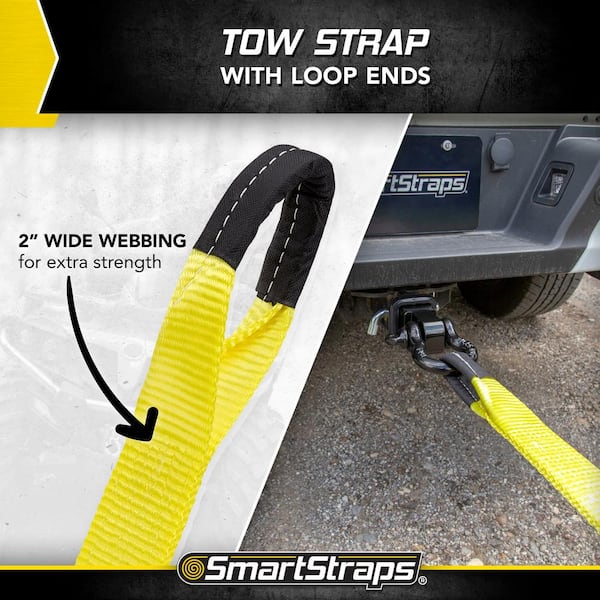
How to use a tow rope step by step
Using a tow rope is mostly about preparation and calm driving. Once the rope is attached correctly, the actual towing should feel controlled, not jerky. Think of it like walking a dog on a leash, not dragging a sled across ice.
Follow these steps:
-
Park both vehicles on level ground if possible
This makes the hookup easier and reduces the chance of movement while connecting the rope. -
Set both vehicles in park or neutral as needed
Check the owner’s manual if you are unsure. Some vehicles have special towing instructions, especially all-wheel drive and electric vehicles. -
Attach the rope to approved tow points
Use factory tow hooks, recovery points, or other approved attachment spots. Never connect to bumpers, suspension parts, or steering components. -
Make sure the rope is centered and secure
The rope should sit straight between the two vehicles. A twisted or loose connection can pull unevenly. -
Remove slack slowly
The towing driver should move forward gently until the rope becomes taut. Sudden acceleration can snap the rope or jolt the towed vehicle. -
Start driving slowly
Keep speed low, usually no faster than a careful city crawl. Smooth starts and stops matter far more than power. -
Brake early and gently
The towing vehicle should signal stops early. The towed driver should keep hands on the wheel and brake lightly only when needed. -
Pull over and check the connection
Stop after a short distance to inspect the rope, hooks, and both vehicles. Heat, rubbing, or shifting is a sign something needs adjustment.
A good tow rope job feels boring in the best way. If it feels dramatic, something is probably wrong.
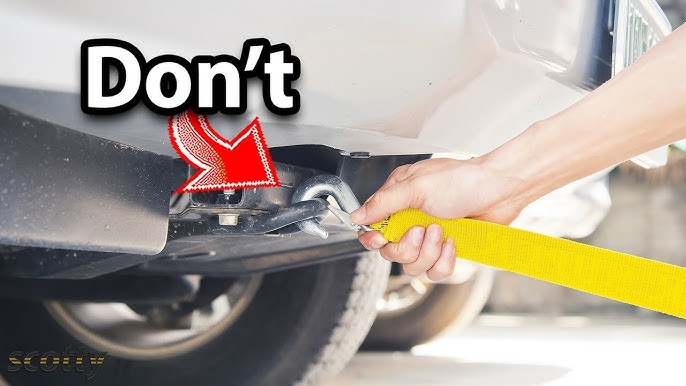
How to attach a tow rope safely
Attachment is where many people make mistakes. The rope may be strong, but the weak point is often the connection. That is why proper tow points matter so much.
Use these rules:
• Attach only to factory-rated tow hooks or recovery points
• Keep the rope away from sharp edges
• Use shackles or recovery hardware only if they are rated for vehicle towing
• Make sure the rope latch, loop, or hook is fully closed
• Never wrap the rope around a axle, steering arm, or control arm
If your vehicle does not have obvious tow points, check the owner’s manual before trying to improvise. I once watched a driver hook to a thin bracket under the bumper, and it bent almost instantly. A five-minute manual check would have prevented the whole mess.
Also, make sure the attachment points on both vehicles are aligned. Side pulls create stress and can make steering harder for the towed vehicle.
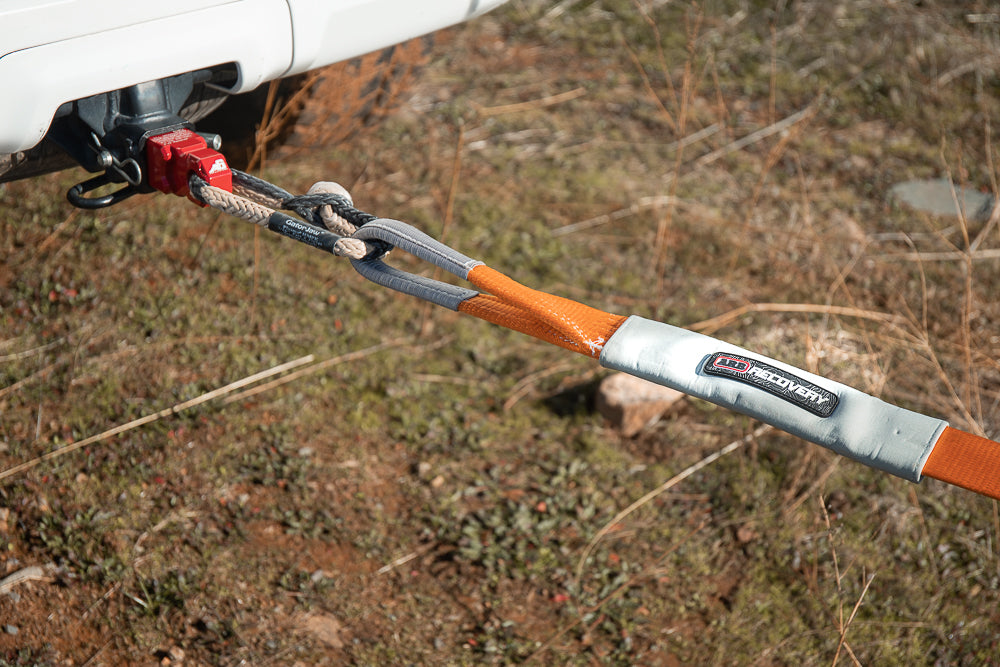
Driving tips while towing with a tow rope
The towing driver should act like a person carrying a tray of full drinks. Smooth, slow, and careful. Hard braking or fast turns can create dangerous tension in the rope.
Follow these driving tips:
• Drive at low speed
• Avoid sharp turns
• Start and stop gently
• Keep the rope visible in your mirrors
• Use hazard lights if legal in your area
• Leave extra room in traffic
The towed driver should stay alert too. Keep the steering wheel straight unless turning, and stay ready to brake lightly if the rope slack changes. If you are towing at night or in bad weather, be even more cautious.
A tow rope is not a race tool. The safest tow is usually the one nobody notices.

Common mistakes to avoid
A lot of tow rope problems come from rushing. People want to get moving fast, but towing rewards patience. The same small error can turn a simple job into a broken bumper or a snapped line.
Avoid these mistakes:
• Using a rope that is too weak
• Towing from the wrong part of the vehicle
• Letting the rope drag on the ground
• Driving too fast
• Forgetting to agree on signals
• Towing a vehicle with major brake or steering damage
• Using a worn or damaged rope
• Ignoring the owner’s manual
One mistake I see often is poor communication. Even a strong tow setup can fail if the drivers do not know when to start, stop, or slow down. A thumb up, a horn tap, or a hand signal can make a huge difference.
:max_bytes(150000):strip_icc()/strap-on-56a0556a3df78cafdaa1107f.jpg)
Tow rope safety rules every driver should know
Safety is the heart of the whole process. A tow rope stores a lot of force, and if it fails, the recoil can be serious. That is why experienced drivers treat towing as a controlled recovery, not a quick pull.
Keep these rules in mind:
• Stand clear of the rope line when attaching or adjusting it
• Never let passengers sit in unsafe positions
• Do not exceed the rope’s rated capacity
• Avoid towing on steep hills unless you are trained and prepared
• Stop if you notice burning smells, unusual noises, or unstable handling
• Use gloves if possible to protect your hands from rope burns or dirty hardware
For added trust, many vehicle makers and roadside safety groups recommend checking the vehicle manual before any tow. That matters because some transmissions and drivetrains can be damaged if the car is pulled the wrong way.
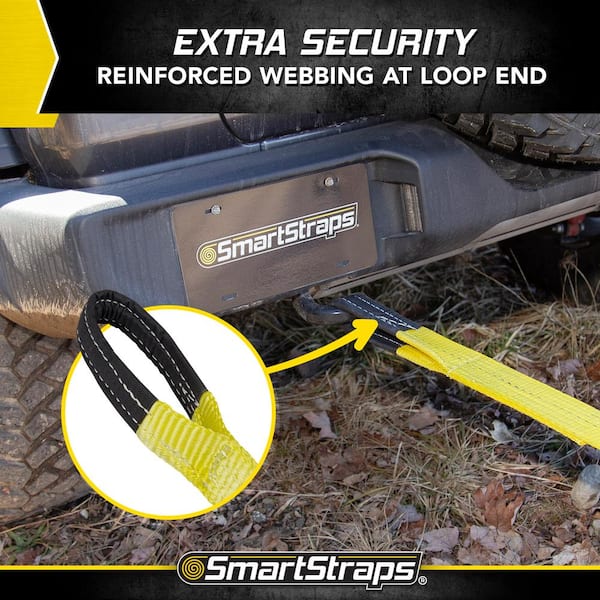
Tow rope vs tow strap vs tow chain
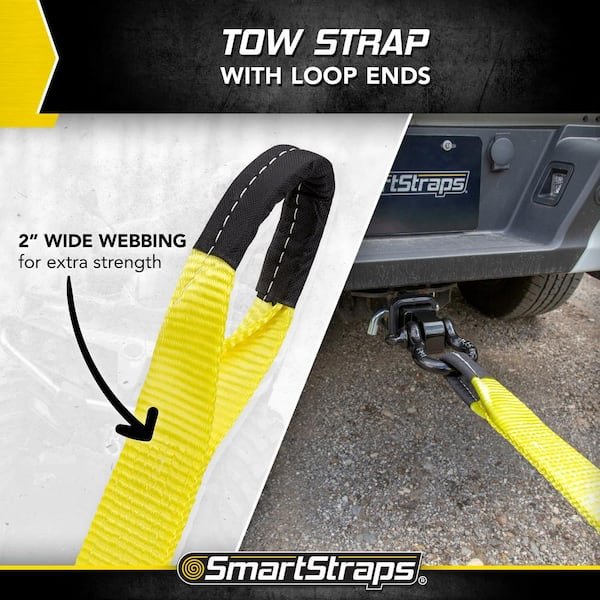
People often use these terms like they mean the same thing, but they do not. A tow rope is usually a flexible line made for pulling a vehicle over short distances. A tow strap is similar, often with flat webbing, while a tow chain is heavy and less forgiving.
Here is the practical difference:
• Tow rope: Flexible, easy to store, good for light recovery
• Tow strap: Strong, often better for vehicle recovery, less stretch than some ropes
• Tow chain: Durable but harsh, can damage vehicles if used carelessly
For most drivers, a tow strap or rated tow rope is a better choice than a chain. It is easier to handle and usually gentler on the vehicles. Still, the right choice depends on the job, the vehicle weight, and the manufacturer’s guidance.
When not to use a tow rope
There are times when a tow rope is the wrong tool. If you push ahead anyway, you can create more damage than the original problem. It is better to pause and choose a tow truck or professional recovery.
Do not use a tow rope if:
• The steering is locked or damaged
• The brakes do not work
• The vehicle is all-wheel drive and the manual says not to tow it that way
• The car is too heavy for the rope or towing vehicle
• The vehicle is stuck in a dangerous position near traffic or a drop-off
• You cannot identify proper tow points
If you are unsure, stop and check the manual or call for help. That is not weakness. It is smart driving.
Helpful tips from real-world towing situations
Over the years, one lesson has stood out to me: towing is mostly about control, not force. The cleanest recoveries I have seen were the ones where both drivers stayed calm and moved slowly. The messiest ones came from panic, surprise braking, or a rope attached in the wrong spot.
A few practical tips that help in real life:
• Keep the tow rope in your trunk or cargo area, not buried under tools
• Practice finding the tow points before an emergency happens
• Carry gloves and a small flashlight
• Use a second person as a spotter when possible
• Stop and recheck everything after the first short pull
Small habits make a big difference. A five-minute prep can prevent a very expensive mistake.
Frequently Asked Questions of How to use a tow rope
How do you connect a tow rope to a car?
Connect the rope only to approved tow points or factory recovery hooks on both vehicles. Never attach it to a bumper, axle, or suspension part, since those pieces can bend or break.
How fast can you tow with a tow rope?
Keep the speed very low, usually just fast enough to move the vehicle safely. Smooth, slow driving helps prevent slack, jerking, and rope failure.
Can you tow an automatic car with a tow rope?
Sometimes, but it depends on the vehicle and the drivetrain. Check the owner’s manual first, because some automatic, AWD, and EV models should not be towed this way.
Is a tow rope better than a tow chain?
For many drivers, yes. A rated tow rope or tow strap is usually easier to handle and less likely to cause damage than a chain when used correctly.
What should I do if the rope starts to slip or fray?
Stop immediately and inspect the setup. If the rope is damaged or the connection is weak, do not continue towing until you replace the rope or fix the attachment point.
Conclusion
Using a tow rope is simple in theory, but it works best when you respect the details. The right rope, the right attachment points, and slow, steady driving can turn a stressful breakdown into a manageable roadside fix. More than anything, safe towing is about patience and clear communication.
If you remember only one thing, make it this: never rush a tow. Check the gear, read the vehicle manual, and keep the pull smooth from start to finish. If this guide helped you, save it for later, share it with a driver who might need it, or leave a comment with your own towing tips.