Flex Vs Porter Cable: Which Tool Brand Wins?
Flex usually wins for power, battery technology, and premium features, while Porter Cable offers lower-cost tools for light home use.
Choosing between Flex vs Porter Cable is not as simple as comparing two logos. These brands serve different users, price points, and work styles. Flex focuses on high-output cordless tools and advanced brushless systems, while Porter Cable is known for affordable tools aimed at homeowners, DIY users, and light-duty projects.
This guide compares Flex vs Porter Cable by power, batteries, durability, tool range, price, warranty, and real-world use. It also explains which brand makes more sense for construction work, home repairs, woodworking, and occasional weekend projects.
Flex vs Porter Cable: Brand Overview
Flex is a German-rooted power tool brand with a strong focus on cordless performance. Its current product line includes drills, impact drivers, saws, grinders, sanders, polishers, vacuums, and outdoor tools. FLEX tools are best known for their 24V battery platform, brushless motors, and premium features.
Porter Cable has a long history in American woodworking and construction tools. Today, the brand mainly targets DIY users and homeowners with affordable corded and cordless tools. Its 20V MAX system covers common tools such as drills, impact drivers, saws, sanders, and inflators.
The basic difference is easy to understand:
• Flex is built more like a professional-grade system.
• Porter Cable is built more like a budget-friendly home workshop system.
• Flex offers stronger performance and more advanced electronics.
• Porter Cable often costs less at the time of purchase.
• Flex has a smaller but more focused battery tool ecosystem.
• Porter Cable is simple, accessible, and suitable for lighter tasks.
 display: block; margin: 0 auto;”
loading=”lazy”
/>
Flex vs Porter Cable: Power and Performance
Power is one of the clearest differences in a Flex vs Porter Cable comparison. Flex tools often use high-output brushless motors, stronger controllers, and advanced battery packs. These features help the tools maintain speed when cutting, drilling, or driving into hard material.
Porter Cable tools can handle normal household jobs well. A Porter Cable drill is suitable for assembling furniture, installing shelves, drilling softwood, and driving screws. However, it may slow down sooner under heavy pressure or repeated use.
Flex tools are more suitable for demanding work such as:
• Drilling through thick lumber.
• Driving long structural screws.
• Cutting dense wood or metal.
• Grinding and polishing.
• Working for long periods without frequent cool-downs.
• Handling repeated use on a job site.
In simple terms, Porter Cable is like a reliable sedan for daily travel. Flex is closer to a work truck with more pulling power. You may not need the extra strength every day, but you will notice it when the job becomes difficult.
Brushless motors
Many Flex tools use brushless motors. These motors reduce friction because they do not use traditional carbon brushes. The result can be better efficiency, longer motor life, and improved battery use.
Porter Cable also sells brushless tools, but not every model has the same performance level. Always check the exact model number before buying. A brushless Porter Cable tool may outperform an older brushed Flex model in some tasks.
Speed and control
Flex often gives users more control through electronic settings, variable speed triggers, and selectable operating modes. Some models include safety systems that reduce kickback or stop the tool during a sudden bind.
Porter Cable keeps many tools simpler. That can be helpful for new users because there are fewer settings to learn. However, advanced users may prefer the extra control offered by Flex.
Battery Systems Compared
The battery platform is a major factor in the Flex vs Porter Cable decision. A cordless tool purchase is not only about one drill or saw. It also commits you to a battery family.
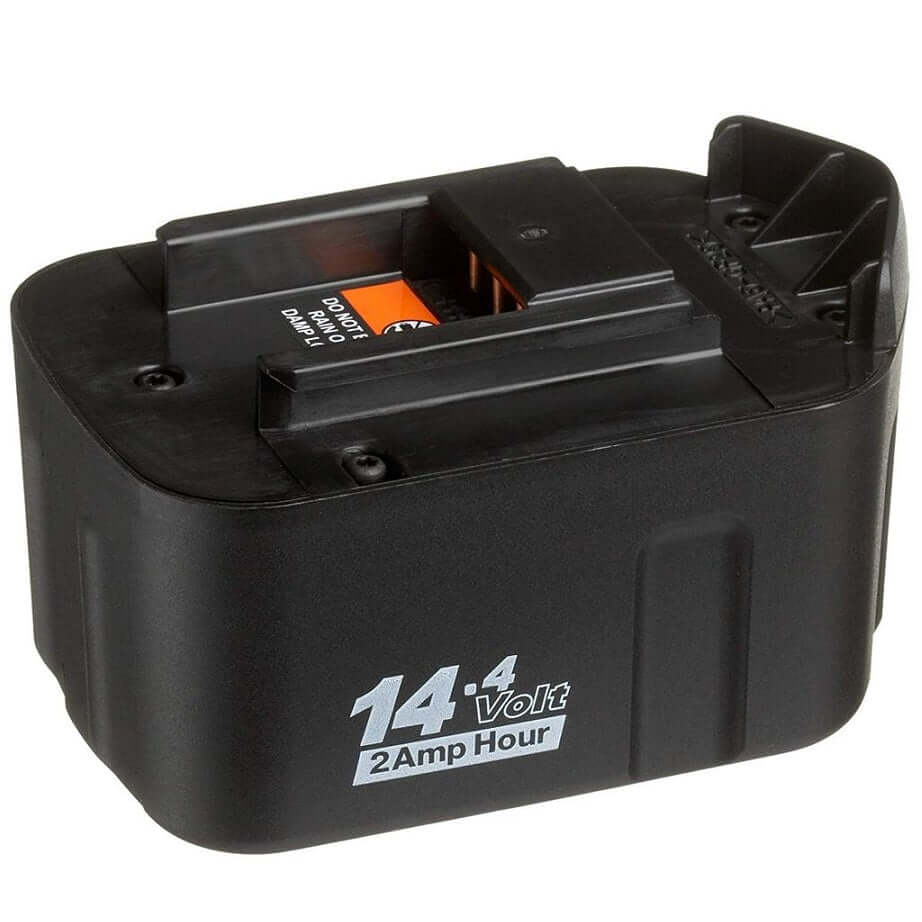
Flex uses a 24V battery platform. The system is designed to deliver high output while keeping the battery size practical. Some Flex batteries use advanced cell layouts and cooling features to support demanding tools.
Porter Cable uses a 20V MAX platform. In the United States, the 20V MAX label refers to the battery’s initial voltage without a load. Its nominal operating voltage is lower, but the label is common across many cordless brands.
Neither voltage label alone tells the full story. Actual performance depends on:
• Motor design.
• Battery amp-hour rating.
• Cell quality.
• Electronic controls.
• Tool gearing.
• Heat management.
• The task being performed.
A larger battery can provide longer run time, but it may also add weight. For example, a compact battery is convenient for overhead drilling, while a larger pack is better for cutting or grinding.
Battery compatibility
Flex batteries work with Flex tools in the same voltage family. Porter Cable batteries work with Porter Cable 20V MAX tools. These systems are not interchangeable.
Do not force a battery from one brand into another tool. Adapters may create safety, warranty, and performance problems. They can also bypass electronic protections that help prevent overheating or over-discharge.
Runtime expectations
Runtime varies greatly by task. A drill driving small screws may run for a long time. A circular saw cutting thick hardwood will use energy much faster.
For better runtime:
• Use the correct blade or bit.
• Avoid pushing the tool harder than necessary.
• Keep blades sharp.
• Use a battery with enough amp-hour capacity.
• Let hot batteries cool before charging.
In many real workshop comparisons, the lesson is clear: battery care matters almost as much as battery size. A well-maintained smaller battery can be more useful than a neglected high-capacity pack.

Durability and Build Quality
Flex generally has the advantage in build quality. Its professional tools often include stronger housings, metal chucks, reinforced gear cases, and better protection against job-site abuse.
Porter Cable tools are not automatically weak. They can last for years when used correctly. They are simply more likely to show wear when used every day in harsh conditions.
The expected workload matters more than the brand name. A homeowner may use a drill for 20 minutes each month. A contractor may use the same type of drill for several hours each day. Those are very different demands.
When comparing durability, inspect:
• Chuck quality.
• Trigger feel.
• Gearbox design.
• Grip comfort.
• Battery connection.
• Switch protection.
• Warranty coverage.
• Availability of replacement parts.
Flex is usually the better choice for contractors who need tools that can survive frequent use. Porter Cable is often enough for light repairs, home improvement, and occasional woodworking.
Dust and moisture
Neither brand should be treated as waterproof unless the manufacturer clearly states a protection rating. Sawdust, concrete dust, and moisture can damage switches, motors, batteries, and circuit boards.
Clean the tool after use. Store batteries indoors and away from extreme heat. These basic habits can extend tool life regardless of whether you choose Flex vs Porter Cable.

Tool Selection and Product Range
Flex offers a growing selection of cordless and specialty tools. Its lineup is especially appealing to users who want strong performance from one battery system.
Common Flex categories include:
• Hammer drills.
• Impact drivers.
• Reciprocating saws.
• Circular saws.
• Angle grinders.
• Random orbital sanders.
• Polishers.
• Wet and dry vacuums.
• Lighting tools.
• Outdoor power equipment.
Porter Cable covers many basic workshop needs. Its product range is useful for people who want a drill, impact driver, saw, sander, or similar tool without spending premium-brand money.
Porter Cable is a practical fit for:
• Furniture assembly.
• Home maintenance.
• Shelving and cabinet work.
• Small deck repairs.
• Light framing.
• Simple woodworking.
• Garage projects.
• Seasonal repairs.
Flex may offer better performance, but Porter Cable can be more convenient for buyers who only need a few tools. A larger ecosystem is not always better if you will never use most of it.

Price and Overall Value
Porter Cable usually has the lower entry price. Starter kits and individual tools are often discounted through home improvement retailers and online stores. This makes the brand attractive to first-time buyers.
Flex costs more, especially when you include batteries and chargers. However, the higher price may be justified for users who need speed, strength, durability, and advanced features.
Compare total ownership cost instead of only the tool price:
• Tool body cost.
• Battery cost.
• Charger cost.
• Extra blades and bits.
• Replacement parts.
• Warranty support.
• Expected service life.
• Number of tools you plan to buy.
A cheap tool that struggles with every task may waste time and frustration. A premium tool may also be poor value if it sits in a drawer for most of the year.
The best value for each user
Flex is usually the better value for:
• Professional tradespeople.
• Serious DIY users.
• Remodelers.
• Woodworkers with heavy workloads.
• Users who want one high-performance cordless system.
Porter Cable is usually the better value for:
• New homeowners.
• Casual DIY users.
• Students and renters.
• People with limited budgets.
• Users who need basic tools for occasional jobs.
The right question is not “Which brand is cheapest?” It is “Which brand gives me the performance I will actually use?”
Flex vs Porter Cable for DIY Projects
For DIY work, both brands can be useful. The best choice depends on the type and frequency of your projects.
Porter Cable is enough for many common tasks, including:
• Hanging curtains.
• Building basic shelves.
• Installing cabinet hardware.
• Assembling outdoor furniture.
• Drilling pilot holes.
• Tightening screws.
• Sanding small wood projects.
Flex becomes more attractive when your DIY projects are larger or more frequent. It can save time when you are building a deck, remodeling rooms, cutting sheet goods, or working with dense lumber.
A common buying mistake is choosing a tool based only on maximum power. Excess power can add weight and cost. If you mainly install small screws, a compact Porter Cable drill may feel better than a larger Flex model.
Another mistake is buying a kit with tools you do not need. Start with the tool that solves your current problem. Add batteries and tools only when your projects require them.

Flex vs Porter Cable for Contractors
For professional use, Flex is generally the stronger choice. Its high-output tools are better suited to repeated drilling, cutting, fastening, and grinding.
Contractors often care about more than raw power. They also need:
• Consistent performance.
• Fast charging.
• Good balance.
• Strong battery connections.
• Heat control.
• Reliable service.
• Reduced downtime.
A tool that saves only a few seconds per task can save hours across a full workweek. That difference becomes more important when the tool is used every day.
Porter Cable may still work for a contractor’s backup kit or for low-demand tasks. It can also be useful for a new tradesperson building a basic collection. Still, professionals should review the warranty, service options, and long-term battery availability before committing to a platform.
Ergonomics, Noise, and User Comfort
Power is only part of tool quality. Comfort affects accuracy, fatigue, and safety.
Flex tools can feel solid and balanced, but some high-performance models are heavier because they use larger motors and batteries. Porter Cable tools may feel lighter and easier to handle for small jobs.
Pay attention to:
• Handle shape.
• Trigger position.
• Tool balance.
• Grip texture.
• Battery weight.
• Visibility around the work area.
• Vibration during extended use.
For overhead work, a compact tool may be more comfortable than a powerful one. For floor-level cutting, extra weight may be less important.
Wear eye protection and hearing protection when needed. Follow the operating instructions for the exact model. A comfortable tool is helpful, but safe technique matters more.

Warranty and Customer Support
Warranty terms can change by model, seller, and region. Check the current manufacturer policy before purchasing. Keep your receipt and register the tool if registration is required for extended coverage.
Flex often positions its tools toward professional users, so warranty and service support are important parts of the buying decision. Porter Cable also provides warranty coverage, but service experiences can vary by product and location.
Before buying, confirm:
• Warranty length.
• What parts are covered.
• Whether batteries have separate coverage.
• How claims are submitted.
• Where repairs are handled.
• Whether replacement batteries are still available.
A strong warranty does not prevent misuse. Overloading a tool, using the wrong accessory, modifying the battery, or exposing the tool to water may limit coverage.
Which Brand Should You Choose?
Choose Flex if you want premium performance and expect frequent use. It is the better fit for demanding construction, remodeling, woodworking, and serious home projects.
Choose Porter Cable if you want affordable tools for basic repairs and occasional DIY work. It offers a practical entry point without requiring a large investment.
Use this simple decision guide:
-
Choose Flex for daily or heavy-duty work.
-
Choose Porter Cable for light and occasional jobs.
-
Choose Flex if battery technology and advanced features matter.
-
Choose Porter Cable if your main concern is upfront cost.
-
Choose the brand with the batteries that match your future tool plans.
-
Compare exact models, not only brand reputations.
The model-to-model comparison is important. A premium Flex tool may not be the best choice for every task, and a brushless Porter Cable tool may be perfectly suitable for a specific home project.
Buying Tips for Flex and Porter Cable Tools
A careful purchase can prevent most regrets. Start by listing the jobs you expect to complete over the next year.
Then follow these steps:
-
Identify the tool you need first.
-
Estimate how often you will use it.
-
Compare bare-tool and kit prices.
-
Check battery capacity and charger speed.
-
Read the exact warranty terms.
-
Look for replacement batteries and accessories.
-
Hold the tool if possible to judge weight and balance.
-
Review verified owner feedback for long-term issues.
Avoid comparing only maximum torque or speed numbers. Manufacturers may measure performance under different conditions, so those figures are not always directly comparable.
Also, do not assume that a larger battery always gives better results. A high-capacity battery can increase runtime, but it may make a drill tiring to use. Match the battery to the tool and task.
Common Mistakes to Avoid
The biggest mistake in the Flex vs Porter Cable debate is treating the brands as direct equals. Flex is usually aimed at a higher performance tier, while Porter Cable focuses more on accessible pricing and basic use.
Other common mistakes include:
• Buying a tool without checking battery cost.
• Mixing incompatible battery platforms.
• Ignoring tool weight.
• Using dull blades.
• Choosing a drill when a hammer drill is needed.
• Leaving batteries in hot vehicles.
• Expecting a compact tool to replace a full-size model.
• Selecting a kit based on the number of pieces alone.
I have seen many tool buyers focus on the bright “20V” or “24V” label and overlook the actual design. Voltage is only one part of performance. Motor quality, gearing, battery cells, and workload all matter.
Frequently Asked Questions About Flex vs Porter Cable
Is Flex better than Porter Cable?
Flex is generally better for power, durability, and demanding use. Porter Cable is often better for buyers who want affordable tools for light home projects.
Are Flex and Porter Cable batteries interchangeable?
No. Flex and Porter Cable use different battery platforms, and their batteries are not designed to work together. Use only batteries and chargers approved for the specific tool system.
Is Porter Cable a good brand for homeowners?
Yes. Porter Cable is a reasonable choice for homeowners who need tools for repairs, furniture assembly, shelving, and occasional DIY work. It may not be the best fit for daily professional use.
Are Flex tools worth the higher price?
Flex tools can be worth the higher price if you use them often or need strong performance. For occasional tasks, the extra cost may not provide enough practical benefit.
Which brand has better cordless tools?
Flex generally has the stronger cordless tool system because of its high-output motors and 24V platform. Porter Cable offers useful cordless tools at a lower cost, but its performance is more suited to light and moderate workloads.
Should I buy a bare tool or a kit?
A kit is often cheaper when you need the battery, charger, and several tools. A bare tool makes sense when you already own compatible batteries and only need to expand your collection.
Can Porter Cable handle construction work?
Porter Cable can handle light construction tasks and occasional framing or repair work. For demanding daily construction, Flex is usually the safer choice because it offers more power and durability.
Conclusion
Flex vs Porter Cable comes down to performance, workload, and budget. Flex is the stronger option for professionals, serious DIY users, and anyone who needs high-output cordless tools. Porter Cable is a smart choice for homeowners and occasional users who want dependable tools at a lower entry price.
Before buying, compare the exact models, battery costs, warranty terms, and expected use. Choose the system that fits your real projects, not the one with the most impressive label. Explore the available tool kits, plan your battery platform carefully, and share your own Flex vs Porter Cable experience in the comments.