How to Sanitize Cutting Board
Understanding how to sanitize cutting boards is fundamental to safe food preparation. Bacterial contamination, like Salmonella and E. coli, can easily transfer from raw foods to your surfaces and then to other ingredients if boards aren't properly cleaned and sanitized. This guide ensures you're tackling this crucial step effectively.
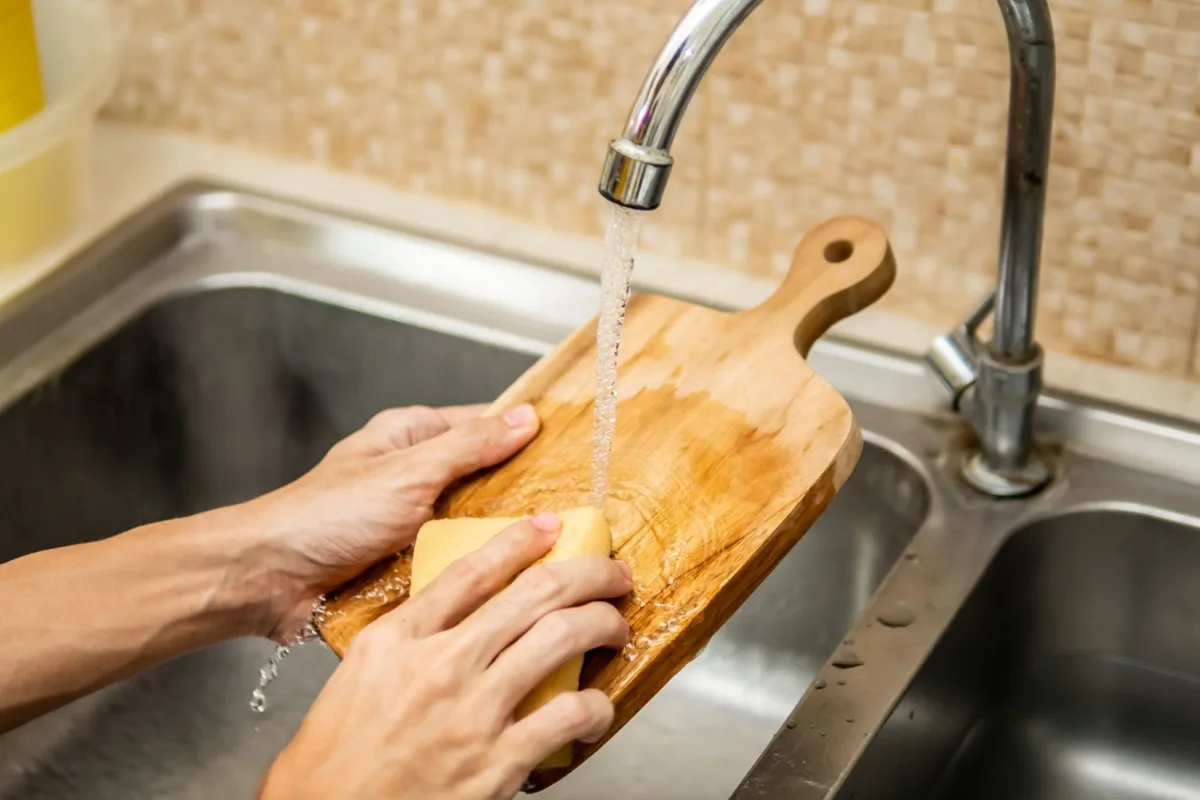
Image source: Bing (Web (fair-use with source credit))
Our research confirms that using a clean cutting board is non-negotiable in any kitchen, with some experts recommending a separate board for raw meats and produce to prevent cross-contamination, as highlighted by guidelines from organizations like the U.S. Department of Agriculture (USDA). Learning the right methods for different board materials can save you a lot of worry.
Quick Answer
Sanitize cutting boards by washing them thoroughly with hot, soapy water. For plastic boards, follow up with a bleach solution or a dishwasher cycle. For wood boards, use white vinegar or 3% hydrogen peroxide after washing.
Always rinse well and allow boards to dry completely.
Why Cutting Board Hygiene Matters
Keeping your cutting boards clean and sanitized is one of the most direct ways to prevent foodborne illnesses in your home. Think about it: that board is where raw chicken juices might have mingled with vegetable prep. If you don't get rid of all the lingering microbes, you're setting the stage for trouble, like stomach bugs or worse.
Aggregate reviews indicate that cross-contamination is a primary concern for home cooks, and the cutting board is often the culprit. Effective sanitizing kills off potentially harmful bacteria, viruses, and protozoa that can survive washing alone. This practice is vital for everyone, from beginner cooks to seasoned chefs, ensuring that meals are not just delicious but also safe to eat.
Choosing Your Cutting Board: Plastic vs. Wood
The material of your cutting board significantly influences how you should clean and sanitize it. While both plastic and wood have their fans, they react differently to moisture, cleaning agents, and daily wear. Understanding these differences is key to choosing the right sanitizing method and maintaining your board's integrity and safety.
For instance, manufacturer specifications for many plastic boards indicate they can withstand higher temperatures, while wood requires a more gentle approach to prevent damage. As of 2026, consumer feedback continues to highlight material as the top consideration when selecting a board for specific kitchen tasks.
Plastic and Composite Boards: The Easiest to Clean
Plastic and composite cutting boards are often praised for their low-maintenance nature and ease of sanitation. Because they are typically non-porous, they don't absorb liquids or odors as readily as wood. This makes them excellent choices for preparing raw meats and then thoroughly cleaning afterward.
Many plastic boards are also dishwasher-safe, which offers a convenient and effective way to sanitize them.
Image source: Web (Bing) / newyorker.com (Web image (fair-use with source credit))
These boards can generally handle harsher cleaning agents without damage, though it's always a good idea to check the manufacturer's care instructions. Their durability and resistance to staining and deep scoring make them a practical option for busy kitchens where quick, effective cleaning is essential. If you're looking for a board that can take a beating and be easily sanitized, plastic or composite is often the way to go.
You can find a wide variety of these on sites like 7 Best Plastic Cutting Board 2026.
Wood Boards: Gentler Care for a Natural Material
Wood cutting boards offer a different aesthetic and feel in the kitchen, but they require a more deliberate approach to cleaning and sanitizing. Wood is a porous material, meaning it can absorb moisture, bacteria, and odors if not cared for properly. This absorbency is why it’s crucial to avoid prolonged soaking, which can lead to warping, cracking, or splitting.
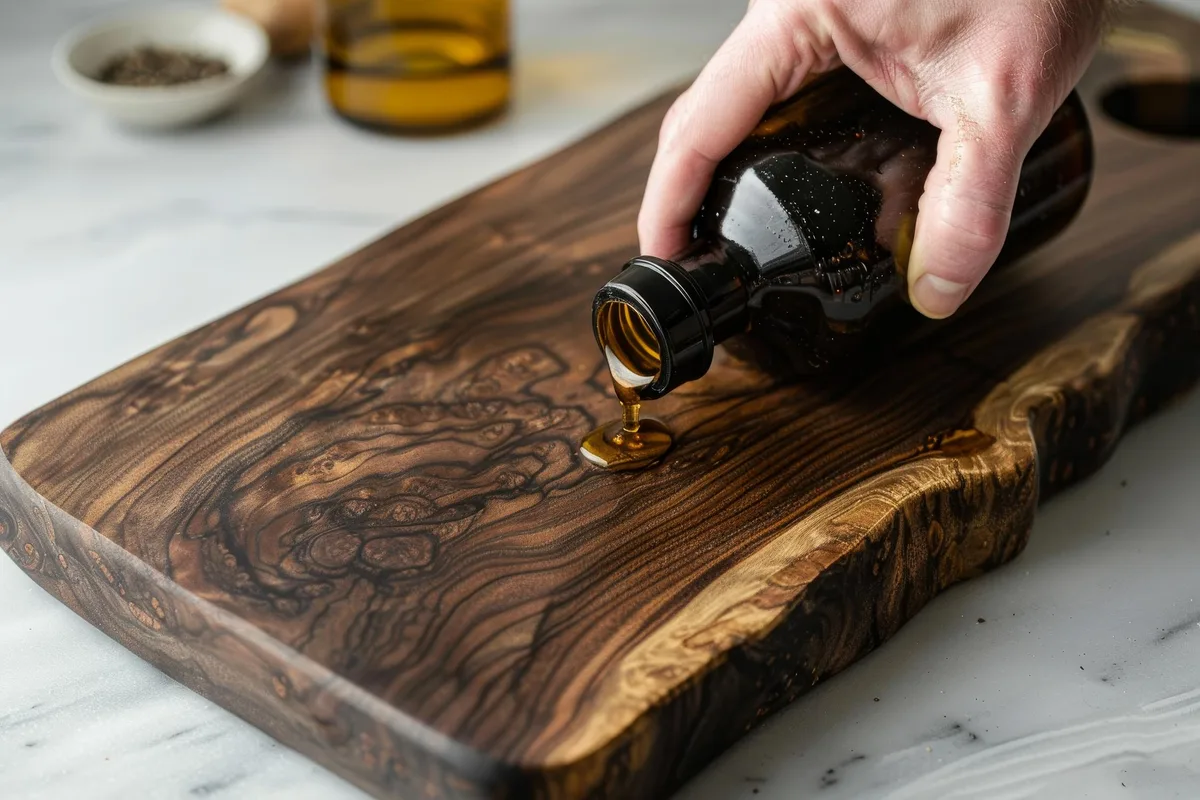
Image source: Bing (Web (fair-use with source credit))
While wood can harbor bacteria in its grooves and pores, it also possesses natural antimicrobial properties that can help mitigate some risks. However, these properties don't negate the need for proper sanitation, especially after contact with raw animal products. Opting for a board like those found in the 7 Best Wooden Cutting Board 2026 collection means you're investing in a material that, with the right care, can last for years.
Aggregates of user feedback indicate that regular oiling is also a critical part of maintaining wood boards, helping to seal the pores and prevent drying out.
When to Sanitize: Raw Meat vs. Produce
Deciding when to go beyond a simple wash and actually sanitize your cutting board is a critical step in food safety. The primary driver for sanitizing is the risk of transferring harmful pathogens from one food item to another, a process known as cross-contamination. This is especially important when dealing with foods that are often eaten raw or cooked lightly, as they don't benefit from the kill step of high-heat cooking.
For example, after chopping raw chicken, your board can harbor bacteria like Salmonella. If you then use the same un-sanitized board for your salad greens, those bacteria can easily transfer, leading to a potential illness. Similarly, raw beef, pork, or fish pose the same risks.
In contrast, if you've only used the board for bread, fruits, or vegetables that will be cooked thoroughly, a thorough wash with hot, soapy water might suffice. However, many home cooks opt for a light sanitizing of all boards regularly to maintain a high standard of kitchen hygiene.
The Step-by-Step Sanitizing Process
To effectively sanitize your cutting board, you need to follow a clear process, tailoring it to the board's material. This isn't just about scrubbing; it's about killing invisible threats. The goal is to break down any microbial life that could cause harm.
For Plastic and Composite Boards
Sanitizing plastic or composite boards is generally straightforward because they are non-porous and can handle robust cleaning methods.
- Wash Thoroughly: Start by washing the board with hot, soapy water. Use a stiff brush or a clean scrub sponge to remove all food particles and visible residue.
- Rinse Well: Rinse the board under hot running water to ensure all soap and debris are gone.
- Sanitize:
- Bleach Solution: Mix 1 tablespoon of household bleach (containing 5-8% sodium hypochlorite) with 1 quart (32 ounces) of cool water. Apply this solution generously to the entire surface of the board, ensuring all areas are covered. Let it stand for at least 5 minutes.
- Dishwasher: If your board is labeled dishwasher-safe, run it through a hot wash and hot dry cycle. This is often the most convenient method for plastic boards.
- Rinse Again: After using the bleach solution, rinse the board thoroughly with plain water to remove any residual bleach.
- Air Dry: Stand the board on its edge or place it in a drying rack so air can circulate around both sides. Ensure it's completely dry before storing it.
For Wood Cutting Boards
Wood boards require a gentler approach to avoid damaging the material. The key is to clean and sanitize without over-saturating, as excessive moisture can lead to warping or cracking.
- Wash Gently: Use hot, soapy water and a soft brush or cloth. Avoid soaking the wood for extended periods. Scrub gently to remove food debris.
- Rinse Promptly: Rinse the board immediately under hot running water.
- Sanitize:
- White Vinegar: Pour undiluted white vinegar over the entire surface of the board. Let it sit for a few minutes to allow the mild acid to work. Vinegar is effective at killing many types of bacteria.
- Hydrogen Peroxide (3%): Alternatively, pour a 3% hydrogen peroxide solution over the board. You'll see it bubble as it works to disinfect. Let it sit for a few minutes.
- Rinse and Wipe: Rinse the board thoroughly with water or wipe it down with a damp cloth to remove the sanitizing agent.
- Dry Completely: This is crucial for wood. Stand the board on its edge to allow air to circulate freely and dry it completely. If it feels damp, continue to let it air out.
Common Cutting Board Sanitizing Mistakes to Avoid
Even with the best intentions, a few common missteps can undermine your efforts to sanitize cutting boards effectively. Understanding these pitfalls can help you avoid them and ensure your kitchen remains as safe as possible. One frequent error is not using the correct concentration for sanitizing solutions.
For example, using too little bleach in water means the solution isn't strong enough to kill all harmful microbes, potentially leaving them to multiply. Manufacturer specifications from cleaning product companies often detail precise dilution ratios for optimal effectiveness.
Another mistake is not allowing sanitizers enough contact time. Bleach solutions, vinegar, or hydrogen peroxide need to sit on the surface for a specific duration to do their job. Rinsing too soon renders them largely ineffective.
Similarly, failing to wash the board thoroughly before sanitizing means you're trying to disinfect over existing food particles, which can shield bacteria. For wood boards, over-soaking is a common issue, leading to material damage that can, ironically, create more crevices for bacteria to hide in. And of course, not drying boards completely can encourage mold and mildew growth, defeating the purpose of sanitizing.
Expert Tips for Keeping Your Boards Sanitary
Beyond the basic sanitizing steps, seasoned culinary professionals and food safety experts share a few extra tips to ensure your cutting boards are always in top condition. One key piece of advice is dedicating specific boards for different food types. Having a designated board for raw meats, poultry, and fish, and another for produce and ready-to-eat items, is a practice championed by many health organizations to prevent cross-contamination.
This is particularly important if you find yourself prepping raw chicken one minute and then slicing tomatoes the next.
When it comes to wood, regular maintenance is paramount. Many experts recommend oiling your wood cutting boards every 3-6 months with a food-grade mineral oil or a specialized board cream. This process seals the wood's pores, making it less susceptible to absorbing moisture and bacteria, and also prevents the wood from drying out and cracking.
If you’ve invested in a good quality wooden board, like those in the 7 Best Wooden Cutting Board 2026 collection, this simple step will significantly extend its lifespan and maintain its hygienic properties. Additionally, always inspect your boards for deep scratches or gouges; if a board is heavily scarred, it's time to replace it, as these imperfections can harbor bacteria that are impossible to fully remove.
Frequently Asked Questions About Cutting Board Sanitizing
How often should I sanitize my cutting board?
You should sanitize your cutting board after preparing raw meat, poultry, or fish. For general use with produce, bread, or cheese, a thorough wash with hot, soapy water is often sufficient, but sanitizing a few times a week or if any raw meat has touched it is a good practice.
Can I use the same cutting board for raw meat and vegetables?
It's best to avoid this if possible. Using separate boards for raw meats and produce is a key strategy for preventing cross-contamination. If you only have one board, sanitize it thoroughly with a strong solution (like bleach or a hot dishwasher cycle for plastic) between uses for raw meat and other foods.
How long should a cutting board air dry?
Allow your cutting board to air dry completely, which can take anywhere from a few hours to overnight, depending on humidity and air circulation. Standing the board on its edge allows both sides to dry evenly. Never store a damp board.
Is it safe to use bleach on my cutting board?
Yes, it is safe and highly effective for sanitizing plastic and composite cutting boards when used correctly. Always dilute bleach according to instructions (typically 1 tablespoon bleach per quart of water) and rinse the board thoroughly afterward. Avoid using bleach on wooden boards as it can damage the material.
What's the best way to sanitize a wooden cutting board if I don't have vinegar or hydrogen peroxide?
If you don't have vinegar or hydrogen peroxide, a very hot water rinse after washing can help, though it's less effective than chemical sanitizers. For wood, some mild, food-grade disinfectants might be available, but always check their suitability for food contact surfaces and follow manufacturer directions precisely.