Why Is My Jeep Renegade Overheating?
It's a common headache for Jeep owners: that dreaded temperature gauge creeping into the red. When your Jeep Renegade starts overheating, it’s not just an annoyance; it’s a clear sign something vital in your cooling system isn't working right. Ignoring this can lead to much bigger, more expensive problems down the road.
The cooling system is designed to keep your engine running at its optimal temperature, typically between 195°F and 220°F (90.5°C and 104.4°C) as indicated by manufacturer specifications. If your Renegade's temperature gauge rises above this range, it means the system is struggling to dissipate heat effectively. Let's break down why this might be happening and what you can do about it.
Why Is My Jeep Renegade Overheating?
Your Jeep Renegade is overheating because a component in its cooling system has failed or is underperforming, preventing efficient heat removal from the engine. This often involves issues like low coolant, leaks, a malfunctioning thermostat, or problems with the radiator fan. These issues disrupt the normal flow and cooling of engine coolant.
What Overheating Means for Your Jeep Renegade
When your engine overheats, it’s operating outside its designed parameters, which can cause immediate and long-term damage. The heat generated by combustion needs to be managed constantly. If the cooling system can't do its job, metal parts can warp or seize, leading to catastrophic engine failure.
That’s why paying attention to the temperature gauge is so important.
Coolant System Basics
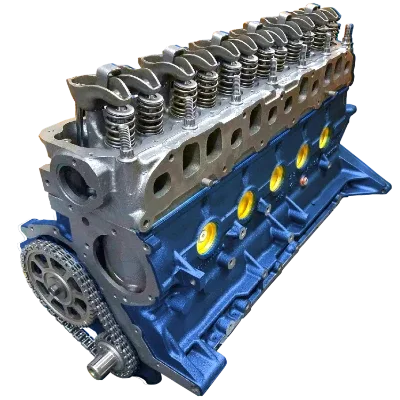
Your Jeep Renegade's cooling system is a closed loop designed to transfer heat away from the engine. It starts with the engine block and cylinder head, which contain passages where coolant circulates. This hot coolant then flows to the radiator, typically located at the front of the vehicle.
Air passing through the radiator fins cools the coolant, which then returns to the engine to repeat the cycle.
This process relies on several key components working together: the engine itself generates heat, the water pump circulates the coolant, the thermostat regulates flow based on temperature, the radiator dissipates heat, and the cooling fan provides airflow, especially when stationary.
Common Causes for Your Jeep Renegade Overheating
It's rarely just one thing that causes an engine to overheat; usually, it's a breakdown in one or more parts of the cooling system. Understanding these common culprits is the first step to diagnosing the issue.
Low Coolant Level
This is the most straightforward and often the easiest fix. Your cooling system needs a specific amount of coolant to function properly. If the level drops too low, there simply isn't enough fluid to absorb and transfer heat away from the engine effectively.
Reasons for low coolant can include:
- Minor evaporation over time.
- Small, slow leaks you might not notice immediately.
- A more significant leak that requires prompt attention.
Low coolant is a critical issue that needs to be addressed immediately to prevent engine damage.
Leaks in the Cooling System
Coolant doesn't just vanish; if it's low, it's likely leaking out somewhere. These leaks can happen in various places, and their severity can range from a slow drip to a gushing torrent. Identifying the source of a leak is key to fixing the problem.
Common leak points include:
- Hoses: Rubber hoses can crack, split, or become loose at the clamps over time.
- Radiator: The radiator itself can develop leaks from corrosion or physical damage.
- Water Pump: Seals within the water pump can degrade, allowing coolant to escape.
- Head Gasket: A blown head gasket can allow coolant to leak into the combustion chamber or external passages.
- Reservoir Tank: The plastic coolant reservoir can crack.
If you notice puddles under your Jeep, especially if the fluid is brightly colored (coolant is typically green, orange, pink, or yellow), you likely have a leak. As aggregate reviews report, identifying and repairing these leaks is paramount.
Thermostat Malfunctions
The thermostat is a relatively simple but vital component. It acts like a valve, controlling the flow of coolant between the engine and the radiator. When the engine is cold, the thermostat stays closed, helping the engine warm up faster.
Once it reaches its operating temperature, the thermostat opens, allowing coolant to flow to the radiator for cooling.
If the thermostat gets stuck in the closed position, coolant cannot reach the radiator to be cooled. This means the engine will rapidly overheat, even if other parts of the cooling system are functioning perfectly. Manufacturer specifications indicate a typical thermostat operating range, and failure to open means the engine can't regulate its own temperature.
Cooling Fan Problems
Your radiator needs airflow to dissipate heat from the coolant. While driving at higher speeds, the vehicle's movement provides sufficient airflow. However, when you're stopped, idling in traffic, or moving slowly, an electric cooling fan is crucial for pulling air through the radiator.
If this cooling fan isn't working, or isn't working effectively, the coolant won't cool down properly when the vehicle is stationary or moving slowly. This often leads to overheating specifically in stop-and-go traffic situations. Per ASME B40.7, proper temperature regulation is critical for machinery longevity.
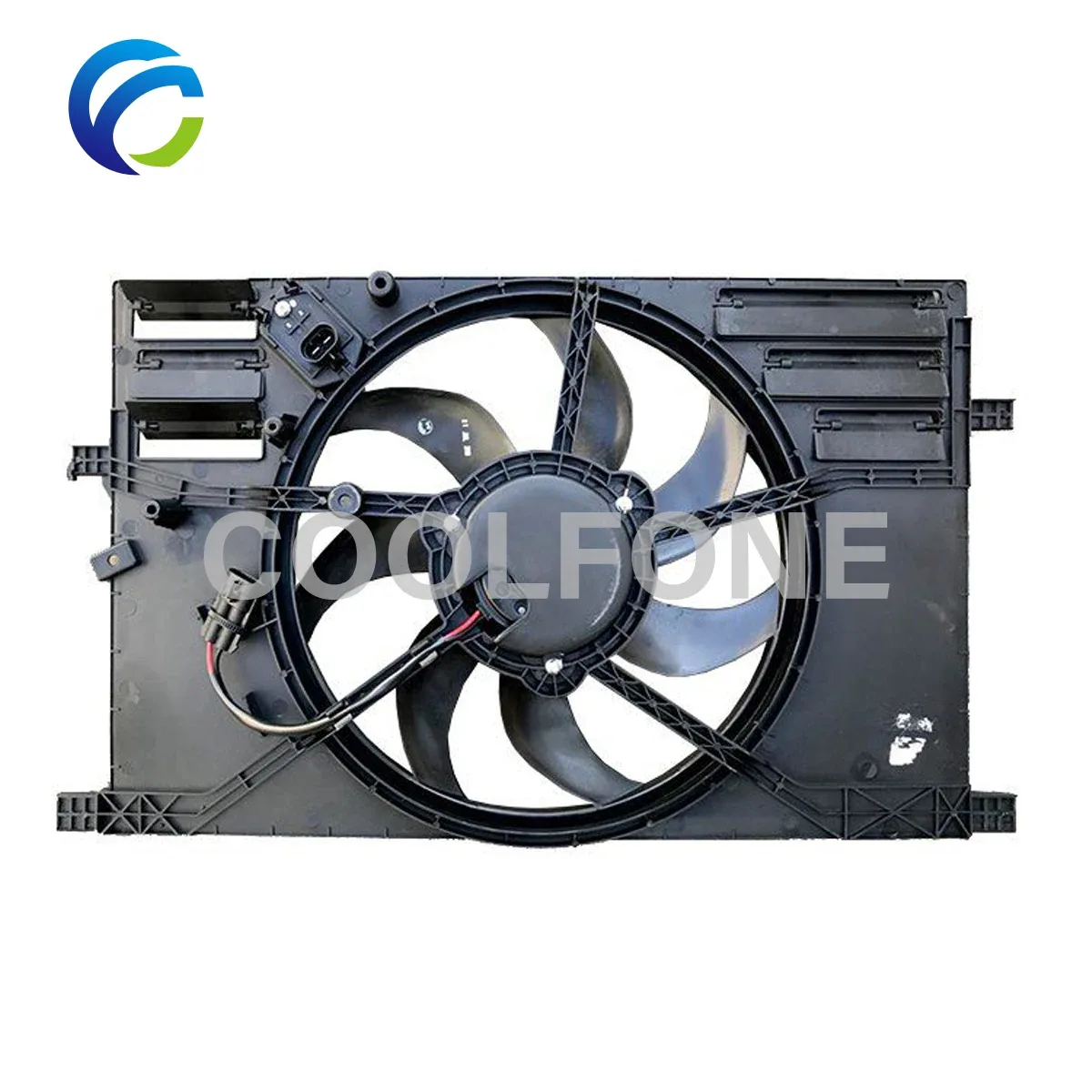
Troubleshooting often involves checking if the fan activates when the engine reaches a certain temperature.
Radiator & Hose Issues
The radiator is the primary component responsible for dissipating heat from the coolant into the atmosphere. Over time, it can become clogged with sediment, rust, or debris from the inside. This internal blockage prevents the coolant from flowing freely through the radiator's tubes, severely reducing its ability to cool the engine.
External fins can also get blocked with bugs or dirt, impeding airflow.
Similarly, the rubber hoses that connect the engine to the radiator can degrade. They can become soft and spongy, leading to collapse under suction from the water pump, or they can become brittle and crack, causing leaks. Internal hose deterioration can also lead to blockages.
Both compromised radiators and hoses mean the cooling system can’t do its job.
Troubleshooting Your Overheating Jeep Renegade: A Step-by-Step Guide
When that temperature warning light flashes or the gauge climbs, it's essential to act quickly but calmly. The goal is to safely diagnose the problem without causing further damage.
Step 1: Safety First & Initial Checks
The moment you notice your Jeep Renegade is overheating, pull over to a safe location as soon as possible. Turn off the engine immediately. Continuing to drive an overheating vehicle can cause severe and permanent engine damage, leading to very costly repairs.
Wait for the engine to cool down completely before attempting any checks. This can take 30 to 60 minutes, or even longer, depending on how hot the engine got. Never attempt to open the radiator cap or coolant reservoir when the engine is hot; the system is pressurized and can spray scalding hot coolant, causing severe burns.
Step 2: Checking Coolant Level (When Cold!)
Once the engine is fully cooled, the first thing to check is your coolant level. Locate the coolant reservoir, which is usually a translucent plastic tank connected to the radiator. You’ll see markings on the side indicating "MIN" and "MAX" fill lines, or "COLD" and "HOT" levels.

If the coolant level is below the "COLD" or "MIN" line, this is a strong indicator of your problem. A low coolant level means there's not enough fluid to effectively circulate and cool the engine. This could be due to evaporation over time or, more likely, a leak somewhere in the system.
Step 3: Visual Inspection for Leaks
With the engine still cool, and after checking the coolant level, it’s time to look for any obvious signs of leaks. Carefully inspect all the hoses connected to the radiator and engine. Look for any cracks, bulges, or signs of wear on the rubber.
Check the clamps securing these hoses to ensure they are tight.
Also, examine the radiator itself for any signs of damage or corrosion, especially around the seams. Look underneath your Jeep for any puddles of brightly colored fluid, this is typically your coolant. The exact color can vary, but common coolant colors include green, orange, pink, or yellow.
Step 4: Testing the Cooling Fan
The electric cooling fan plays a critical role, especially when your Jeep Renegade is idling or moving at low speeds. To test it, with the engine still cool, start the engine. Let it run for a few minutes until it begins to warm up, but keep a close eye on the temperature gauge to ensure it doesn't go into the red.
As the engine heats up, the cooling fan should automatically engage. If the fan doesn't spin or kick on when the engine temperature rises significantly, it indicates a problem with the fan motor, its relay, or the temperature sensor that controls it. This is a common cause of overheating in stop-and-go traffic.
Step 5: Observing Temperature Behavior
How and when your Jeep Renegade overheats can provide valuable clues about the underlying issue. Does the temperature start climbing immediately after you start the engine, or does it only happen after you've been driving for some time?
- Overheating at Idle/Low Speeds: This often points to an issue with the cooling fan or a severely clogged radiator that can't dissipate heat without sufficient airflow.
- Overheating at Highway Speeds: This can indicate a problem with the water pump (not circulating coolant efficiently), a thermostat stuck closed, or a radiator that is significantly blocked internally.
- Sudden Overheating: A rapid rise in temperature might suggest a major coolant leak or a sudden failure of a critical component like the water pump or thermostat.
By noting these patterns, you can give a mechanic much more specific information to help them diagnose the problem faster, potentially saving you money on diagnostic fees.
Addressing Low Coolant & Leaks: Adding and Monitoring
If your initial checks reveal low coolant, the immediate next step is to replenish the system. However, simply topping it off might only be a temporary fix if there’s an underlying leak. It’s essential to use the correct coolant and monitor the system closely afterward.
Choosing the Right Coolant
Not all coolants are created equal, and using the wrong type can actually damage your cooling system. Your Jeep Renegade's owner's manual will specify the correct type of coolant, often referred to by its color or a specific OEM (Original Equipment Manufacturer) designation. Most modern vehicles use an Organic Acid Technology (OAT) or Hybrid Organic Acid Technology (HOAT) coolant.
It's crucial to use a 50/50 mixture of the specified antifreeze and distilled water. Tap water contains minerals that can cause corrosion and build-up inside your cooling system over time, reducing its efficiency. Always check the antifreeze concentrate's label for mixing instructions and recommendations.
Per NHTSA guidelines, regular maintenance, including fluid checks, is vital for vehicle safety.
How to Add Coolant Safely
Again, ensure the engine is completely cool before proceeding. Never open the radiator cap or coolant reservoir when the engine is hot.
- Locate the Reservoir: Find the translucent coolant reservoir tank.
- Open the Cap: Carefully twist and remove the cap from the reservoir.
- Add the Mixture: Using a funnel, slowly pour in the 50/50 mixture of coolant and distilled water until it reaches the "COLD" or "MAX" fill line.
- Replace the Cap: Securely replace the reservoir cap.
- Start the Engine: Start your Jeep Renegade and let it idle. Watch the temperature gauge closely.
- Monitor for Leaks: While the engine is running, check under the vehicle for any new signs of leaks, especially around the hoses and radiator.
- Re-check Level: After the engine has run for a few minutes and reached operating temperature, turn it off and let it cool slightly. Check the coolant level in the reservoir again; it might drop as the coolant circulates through the system. Top up if necessary, ensuring it stays within the marked range.
If the coolant level drops significantly again shortly after topping it up, you have a leak that needs professional attention.
Mistakes to Avoid When Your Jeep Renegade Overheats
Even with the best intentions, some common mistakes can worsen an overheating situation or lead to unnecessary repairs. Being aware of these pitfalls can save you time, money, and further damage to your Jeep.
- Ignoring Warning Signs: The most critical mistake is ignoring the temperature gauge or warning lights. Even a slight increase in temperature can indicate a developing issue. Small problems often escalate into major failures if left unaddressed.
- Opening a Hot System: As mentioned, never open the radiator cap or coolant reservoir when the engine is hot. The pressurized, scalding hot coolant can erupt, causing severe burns. Always wait for the engine to cool completely.
- Using the Wrong Coolant: Mixing coolant types or using plain water long-term can damage your engine. Different coolants have specific additives to prevent corrosion and freezing. Always use the type specified in your owner's manual and a 50/50 mix with distilled water.
- Adding Water to an Empty System (Temporarily): While distilled water is part of the coolant mix, adding plain tap water to an empty or very low system is a stop-gap at best. It lacks the necessary anti-corrosion and anti-freeze properties, and mineral content can cause issues. It’s best to use the proper premixed coolant or a 50/50 blend.
- Driving While Overheating: This is the most dangerous mistake. Continuing to drive an overheating vehicle can lead to warped engine components, blown head gaskets, or a seized engine, turning a repairable problem into a complete engine replacement.
Routine Maintenance for a Healthy Cooling System
Preventing overheating is always better than fixing it. Regular maintenance of your Jeep Renegade's cooling system ensures it operates efficiently and can catch potential problems before they become critical. This aligns with general vehicle upkeep advice from organizations like the National Highway Traffic Safety Administration (NHTSA).
- Regular Coolant Checks: As previously discussed, check your coolant level monthly. Visually inspect the coolant's condition; if it looks rusty, murky, or has debris floating in it, it’s time for a flush.
- Coolant Flushes: Follow your owner's manual recommendations for coolant flushes, typically every 30,000 to 60,000 miles. This removes old, degraded coolant and any sediment or rust buildup.
- Hose and Belt Inspection: Periodically check the condition of your radiator hoses and serpentine belts. Look for cracks, swelling, or excessive wear. Replace them if they show signs of deterioration.
- Radiator Cap Check: The radiator cap maintains pressure in the cooling system. A faulty cap can cause coolant to boil over or leak. Inspect the seal for damage and consider replacing it if it's old.
- Thermostat and Water Pump: While these aren't usually checked during routine maintenance, be aware of their lifespan. If you're experiencing persistent cooling issues or your vehicle is at higher mileage, consider having these components inspected.
Consistent attention to these maintenance points will help ensure your Jeep Renegade's cooling system remains in top condition, preventing those stressful overheating episodes.