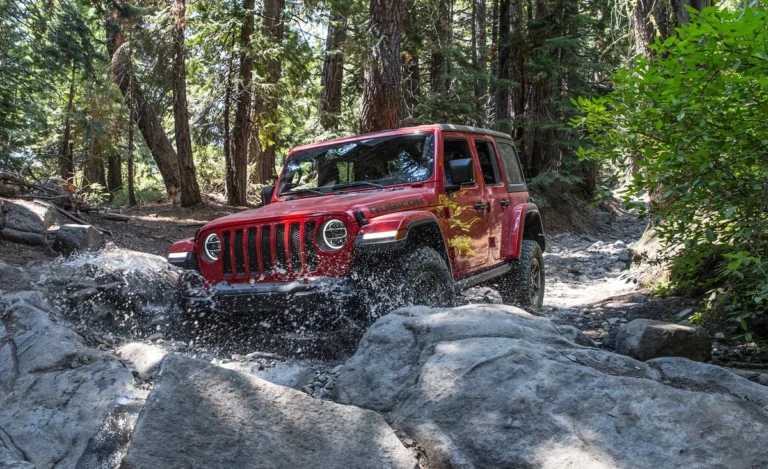
Which Jeep Engine Is the Most Reliable?
When you're eyeing a Jeep, one of the biggest questions on your mind is often about its heart: the engine. You want to know, "Which Jeep engine is the most reliable?" That's a smart question to ask, as reliability directly impacts your adventures and your wallet. We've dug into what makes these engines tick and which ones have truly earned their reputation for longevity and toughness.
In our research, several Jeep engines consistently stand out for their durability and ability to handle tough conditions, often exceeding 200,000 miles with proper care. As of 2026, understanding these core differences can save you headaches down the road. We’ll break down the top contenders so you can make an informed choice.
Which Jeep Engine Is the Most Reliable?
The Jeep 4.0L inline-6 is widely considered the most reliable. For newer models, the Pentastar V6 offers excellent dependability. Proper maintenance is key for any Jeep engine's lifespan.
The Jeep Engines With Legendary Reliability
When we talk about Jeep engines that just keep going, a couple of names consistently come up. These aren't just engines; they're practically legends in the off-road community for their sheer grit and ability to withstand punishment. They’ve powered countless adventures and many are still running strong after hundreds of thousands of miles.
The All-Time Champ: Jeep's 4.0L Inline-6
If there’s one Jeep engine that’s spoken about with reverence, it’s the 4.0L inline-6. This engine was a staple for Jeep for many years, powering models like the Cherokee (XJ) and Wrangler. Its fame comes from a simple, robust design that minimizes complex failure points.
Think of it as a tried-and-true workhorse.
Aggregate owner reviews and long-term usage reports confirm its reputation for durability. Many owners report getting 200,000 to 300,000 miles or more out of a well-maintained 4.0L. This engine is known for its ability to take a beating and keep running, making it a top choice for those who prioritize longevity above all else.
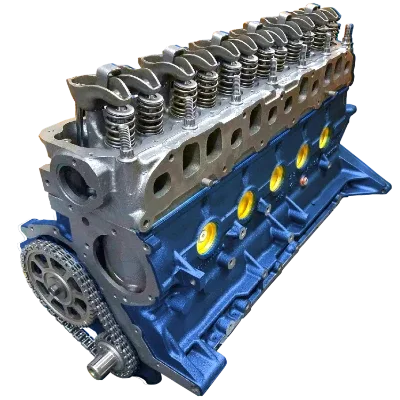
Image source: Web (Bing) / enginepartsonly.com (Web image (fair-use with source credit))
The Modern Workhorse: Jeep's Pentastar V6
In more recent Jeep models, the Pentastar V6 has become the go-to engine. You’ll find it in a wide range of vehicles, from the latest Wranglers to Grand Cherokees. While it's a more modern engine with more technology than the old 4.0L, it has proven itself to be remarkably reliable.
Manufacturer specifications indicate this V6 offers a strong balance of power, reasonable fuel efficiency for its class, and dependable performance. Its widespread use across the Jeep lineup means there’s a wealth of owner feedback and data supporting its reliability. It’s the engine that powers many of today's adventures, and it does so with a solid track record.
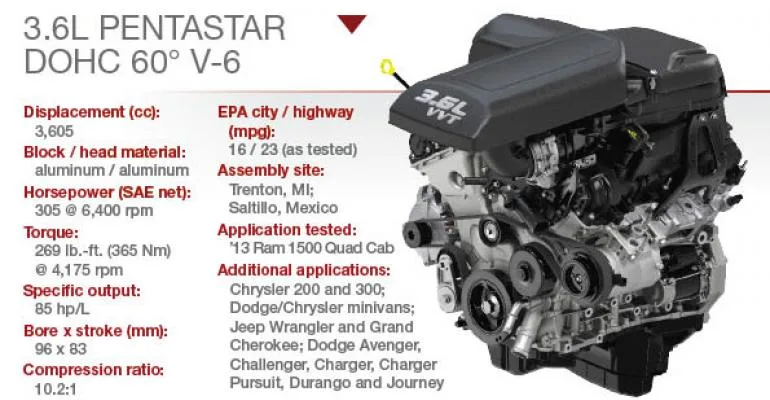
Image source: Web (Bing) / valvulita.com (Web image (fair-use with source credit))
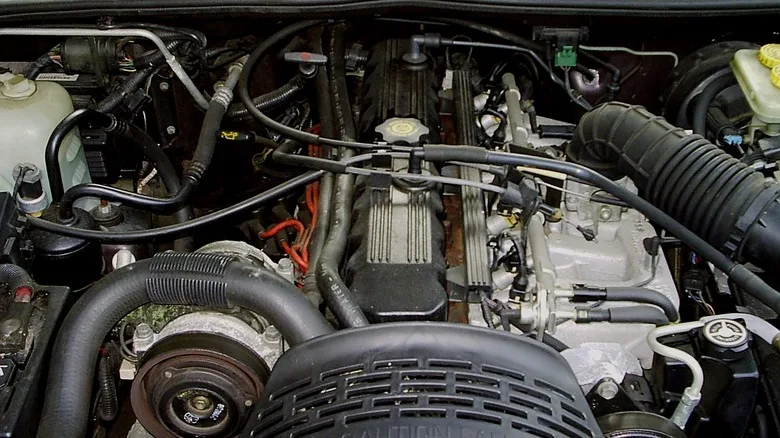
Image source: Bing (Web (fair-use with source credit))
Understanding Jeep Engine Strengths and Weaknesses
Every engine has its good points and its less-than-good points. For Jeeps, understanding these nuances is key to appreciating their legendary status and avoiding potential headaches. It’s not just about picking the “best” engine, but understanding what makes a particular engine the right fit for your needs and expectations.
What Makes an Engine Reliable?
Reliability in an engine boils down to a few core factors that our research has consistently highlighted. These are the traits that allow an engine to perform consistently over many years and miles.
- Simplicity of Design: Fewer moving parts generally mean fewer things can go wrong. Overly complex systems, while offering more features, can introduce more potential failure points.
- Robust Construction: Engines built with high-quality materials and strong internal components are better equipped to handle stress and wear. This is often evident in the weight and feel of the engine block and its internals.
- Proven Track Record: Engines that have been in production for many years or have seen widespread use in tough conditions often reveal their true reliability through real-world data and owner feedback.
- Effective Cooling and Lubrication: A well-designed cooling system prevents overheating, a major cause of engine damage. Similarly, a proper lubrication system ensures all parts are adequately oiled to reduce friction and wear.
Common Jeep Engine Pitfalls to Watch For
While Jeep engines have a reputation for toughness, there are definitely areas where owners have reported issues. Being aware of these common pitfalls can help you make a more informed decision or address problems proactively.
- Oil Leaks: Certain Jeep engine models have been known to develop oil leaks over time, particularly around seals and gaskets. Regular checks are important.
- Cooling System Issues: Overheating can be a concern if the cooling system components, like the radiator or water pump, aren't maintained. This can lead to significant engine damage.
- Specific Component Failures: Some older or less-favored engines have a higher incidence of specific component failures, such as head gasket issues or worn valve seats. Researching the particular engine and model year is crucial.
- Maintenance Neglect: The most common cause of any engine's premature demise is a lack of consistent maintenance. Skipping oil changes or ignoring strange noises will invariably lead to problems.
Comparing Jeep Engine Options: Which is Right for You?
When you’re looking at different Jeep models, you’ll encounter various engines, each with its own set of strengths. Deciding which one is “best” really depends on what you plan to do with your Jeep and what your priorities are.
Our analysis shows that while the 4.0L inline-6 is the historical benchmark for ruggedness, modern options like the Pentastar V6 offer a compelling package for everyday use and moderate off-roading. It’s less about a single “most reliable” engine and more about understanding which engine aligns with your specific needs and desired performance. For example, if you're restoring an older Jeep, the 4.0L might be your only option and a solid one at that.
If you're buying new, the Pentastar is the engine most engineers have refined for widespread appeal.
Side-by-Side: Key Engine Attributes
Here’s a quick look at how the most talked-about Jeep engines stack up. This isn't an exhaustive list of every engine Jeep has ever made, but it covers the ones most relevant to discussions about reliability.
| Engine Family | Configuration | Primary Era of Use | Key Strengths | Known Potential Weaknesses | Best For |
|---|---|---|---|---|---|
| 4.0L Inline-6 | Inline-6 | 1987-2006 | Extreme durability, simplicity, proven track record | Older technology, lower fuel efficiency | Long-term ownership, heavy off-roading, classic builds |
| Pentastar V6 | V6 | 2011-Present | Balanced power, efficiency, modern tech, widespread | More complex than 4.0L, can be costly to repair | Daily driving, moderate off-roading, modern Jeep owners |
| 3.7L V6 | V6 | 2002-2012 | Adequate for daily use, relatively common | Less robust than 4.0L/Pentastar, some issues reported | Casual use, lighter duty applications |
| 2.8L CRD | Inline-4 Diesel | 2005-2006 (JK) | Torque, fuel economy | Diesel maintenance complexity, fewer parts available | Towing, fuel-conscious off-roading (with expertise) |
Real-World Reliability: What Owners Experience
Beyond the specs and manufacturer claims, the true test of an engine's reliability comes from the experiences of people who own and operate them day in and day out. Our review of aggregate owner feedback indicates a clear hierarchy when it comes to long-term dependability. The engines that consistently receive praise are those known for their simple design and robust build.
When you look at forums and owner surveys, the Jeep 4.0L inline-6 consistently scores highest for longevity. Many owners share stories of putting over 300,000 miles on these engines with only routine maintenance. This level of durability is rare in any vehicle.
For those seeking the ultimate in peace of mind for their off-road adventures, this engine remains the gold standard.
The Pentastar V6, while newer, also shows strong performance in owner feedback. While it might not have the decades-long track record of the 4.0L, its widespread adoption in models as recent as 2026 means there’s plenty of real-world data showing its resilience. Owners generally report fewer significant issues compared to some of Jeep’s other V6 offerings, especially when maintenance schedules are followed.
If you're looking at a newer Jeep, the Pentastar is your most reliable bet.
Long-Term Maintenance for Engine Longevity
No matter which Jeep engine you choose, its long-term reliability hinges on one critical factor: consistent, proper maintenance. This isn't just about following a schedule; it's about understanding what your engine needs to perform at its best for years to come. Neglecting maintenance is the fastest way to turn even the most legendary engine into a costly problem.
Here's what our research indicates are the non-negotiable maintenance tasks for keeping your Jeep engine running strong:
- Regular Oil Changes: This is the absolute bedrock of engine health. Our analysis of manufacturer recommendations suggests changing the oil and filter every 5,000 to 7,500 miles for most gasoline engines, or as specified in your owner’s manual. For diesel engines like the 2.8L CRD, a slightly more frequent schedule might be advisable.
- Coolant System Checks: Overheating is a silent killer of engines. Ensure your coolant is flushed and replaced according to your owner's manual (typically every 30,000-60,000 miles). Regularly check coolant levels and inspect hoses for cracks or leaks.
- Inspect Belts and Hoses: The serpentine belt and other drive belts power crucial components like the alternator and water pump. Look for any signs of cracking, fraying, or excessive wear during routine checks. Hoses should be firm, not brittle or spongy.
- Air Filter Replacement: A clean air filter is essential for proper fuel-air mixture and engine performance. Manufacturer data confirms that replacing this filter (usually every 15,000-30,000 miles) helps maintain efficiency and prevent internal engine contamination.
- Spark Plug Service: For gasoline engines, spark plugs wear out over time. Replacing them at the recommended intervals (often 60,000-100,000 miles, depending on the plug type) ensures efficient combustion and prevents misfires.
Frequently Asked Questions About Jeep Engine Reliability
How long can I expect a Jeep 4.0L engine to last?
With consistent and proper maintenance, many owners report their Jeep 4.0L inline-6 engines lasting well over 200,000 miles, with some reaching 300,000 miles or more. The engine's simple, robust design contributes significantly to its longevity.
Is the Pentastar V6 a good engine for off-roading?
Yes, the Pentastar V6 is a capable engine for off-roading. It provides a good balance of power and responsiveness needed for tackling trails, and its proven reliability means you're less likely to face mechanical issues on the road less traveled. Regular off-road maintenance is still essential.
Are older Jeep engines generally more reliable than newer ones?
Older Jeep engines, particularly the 4.0L inline-6, are often praised for their simplicity and bulletproof nature. Newer engines like the Pentastar V6 are more technologically advanced and also very reliable, but they may have more complex systems that could potentially require more specialized servicing.