How To Use Tire Snow Socks: Easy Winter Guide
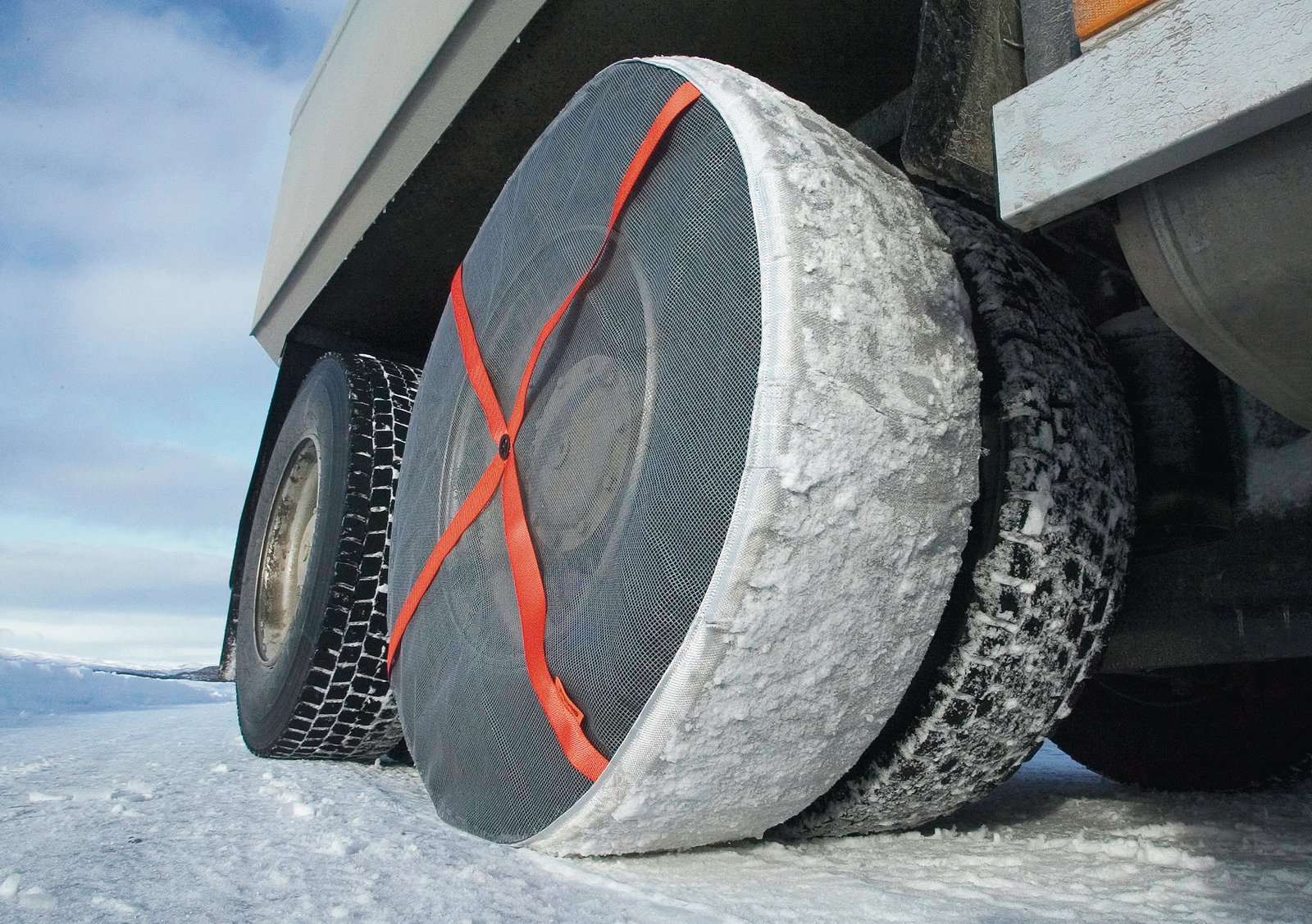
Tire snow socks help your tires grip snow and ice by adding a high-traction fabric cover.
If you have ever watched your car slip at the first snowy incline, you know how fast winter can turn stressful. I have spent enough cold mornings helping drivers get unstuck to know that tire snow socks can be a smart, simple backup for light winter driving when used the right way. This guide explains how to use tire snow socks step by step, when they work best, and what mistakes to avoid so you can drive with more confidence on snowy roads.
What tire snow socks are and how they work
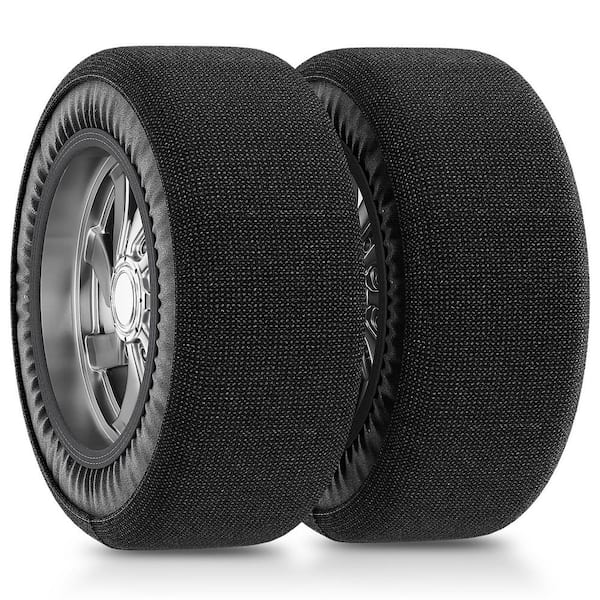
Tire snow socks are textile traction covers that fit over your drive tires. They use a rough fabric surface to create more grip on snow and light ice. Think of them like a winter glove for your tires, giving the rubber more bite when the road gets slippery.
They are not the same as chains or full winter tires. Snow socks are usually quieter, lighter, and easier to install. In my experience, they are best for short trips, emergency use, and roads with fresh snow rather than deep slush or bare pavement.
Here is the basic idea behind how they work:
• The fabric increases friction between the tire and the road
• The tread pattern on the sock helps channel snow away
• The material flexes around the tire for a snug fit
• The added grip helps with starting, braking, and steering on snow
Most brands are designed for passenger cars, SUVs, and light trucks. Always check your vehicle manual and local rules before using them, since some areas only allow certain traction devices in winter conditions.
When to use tire snow socks
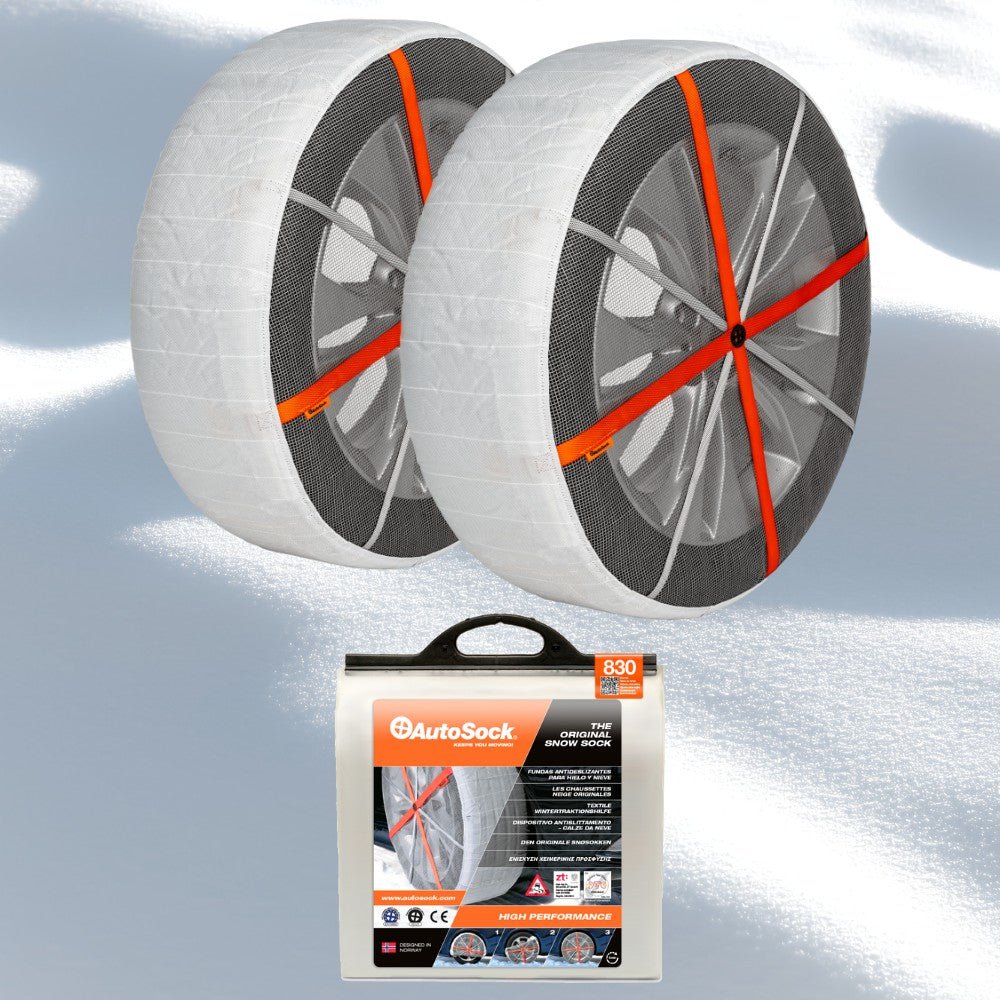
Tire snow socks are most useful when roads are covered in snow and you need better traction for a limited time. They are a practical choice if you do not want to mount snow chains or if your vehicle cannot use them.
Use tire snow socks when:
• You are driving on packed snow or fresh snowfall
• You need to get through a short winter route safely
• You are stuck in an unexpected snowstorm
• Your car has limited wheel well space for chains
• You need a legal traction aid where chains may be restricted
They are not ideal for long highway travel on dry roads. They also wear out faster if used on bare asphalt. I learned this the hard way once during a mountain trip, when a short dry stretch chewed through a set faster than expected. That mistake taught me to treat snow socks as a snow-only tool, not a year-round backup.
How to use tire snow socks step by step
Using tire snow socks is simple, but the details matter. A sloppy install can make them slip, wear out fast, or lose traction at the worst time. Take your time and work on level ground if possible.
1. Park safely and prepare the area
Pull over in a safe, flat spot before you need the socks. Turn on your hazard lights and make sure the car is fully stopped. If you are on a road shoulder, stay aware of traffic and only work where it is safe.
Before you begin, keep these items close:
• Tire snow socks
• Gloves
• A small mat or kneeling pad
• A flashlight if visibility is low
• A cloth or brush to clear loose snow
Clear as much snow as you can from the tire area. Packed snow around the wheel can make installation harder and can stop the sock from sitting correctly.
2. Find the drive wheels
Snow socks usually go on the drive tires only, not all four tires. For front-wheel-drive vehicles, that means the front tires. For rear-wheel-drive vehicles, they go on the rear tires. For all-wheel-drive vehicles, check the manual, because some models only allow them on specific wheels.
If you are unsure, the owner’s manual is the safest place to check. Using them on the wrong axle can reduce traction instead of improving it.
3. Open and position the snow sock
Unfold the tire snow sock and make sure it is not twisted. Hold it so the open side faces the tire. Start by placing the top part over the upper half of the tire, then slide the rest down over the tread.
A good fit should look centered, with the fabric covering the tire evenly. Do not force it too much if the sock feels stuck on ice or packed snow. Clear the wheel area first, then try again.
4. Move the vehicle slightly if needed
Many snow socks need the car to be moved a short distance so the rest of the tire can roll onto the cover. Follow the product instructions carefully here. Usually, you drive or roll the vehicle forward a few feet, then stop and finish pulling the sock into place.
This is one of the most important steps. If you skip it, the sock may sit too low or too loose. That can lead to poor grip and faster wear.
5. Adjust for a snug fit
Once the sock is on, check that it sits tight across the tread. Smooth out any bunching. Make sure the fabric covers the contact surface evenly and that it is not hanging off the sidewall.
A few quick checks help a lot:
• The sock should be centered on the tire
• The fabric should lie flat, not twisted
• The wheel should turn without dragging the sock loose
• The tread area should be fully covered
If the fit looks uneven, stop and adjust it before driving farther. A better fit means better traction and less damage to the sock.
6. Drive slowly and carefully
Snow socks are not made for fast driving. Keep your speed low, especially during the first few minutes. Smooth steering, gentle braking, and light acceleration are the keys.
Think of snow socks like a careful helper, not a magic fix. They improve traction, but they do not turn ice into pavement. Give yourself extra space and avoid sharp turns when possible.
7. Remove them as soon as conditions improve
Take the snow socks off when you reach dry pavement or road sections with little snow. Continued use on clear roads can damage them fast. Once you are out of the snowy section, find a safe place to stop and remove them.
After removal, shake off the snow and let them dry before storing. Wet socks tucked away in a trunk can smell bad and wear out faster.
Practical tips for better results
The best results come from good habits, not just good gear. I have seen drivers expect snow socks to solve every winter problem, and that is where frustration starts. Used correctly, they can be very helpful.
Here are a few practical tips:
• Put them on before you are fully stuck if possible
• Keep them clean and dry in storage
• Practice installation at home once before winter hits
• Check the fit after driving a short distance
• Carry gloves so your hands do not freeze during install
• Use them only on snow-covered roads unless the maker says otherwise
If you travel in winter often, practice matters more than people think. The first time I watched someone install them in a driveway, it took twice as long as expected because the sock was twisted and the wheel well was packed with slush. After one dry practice run, the same person could install them much faster in real snow.
Benefits of tire snow socks
Tire snow socks are popular for a reason. They offer several real advantages, especially for drivers who need a simple winter traction aid.
Main benefits include:
• Easy installation compared with chains
• Lower noise while driving
• Compact storage in the trunk
• Good traction on snow-covered roads
• Less chance of damaging some wheel components than metal chains
• Useful for drivers with limited storage space
They can also be a good choice for rental cars, because many people prefer a temporary option that is easier to carry. That said, you still need to confirm local rules and vehicle fit before using them.
Limitations and when not to use them
Snow socks are useful, but they are not perfect. Knowing the limits helps you use them safely and avoid disappointment.
Do not rely on them for:
• Long-distance driving on dry pavement
• Deep mud or off-road use
• High-speed travel
• Long stretches of bare ice
• Situations where your vehicle manual forbids textile traction devices
They also wear down faster than winter tires in harsh conditions. If you live where snow and ice are common all season, dedicated winter tires are usually the stronger long-term choice. Snow socks are more of a tactical tool for specific trips or emergencies.
Maintenance and storage
Good care can make tire snow socks last longer. After each use, remove them carefully and let them dry fully. Snow and road salt can shorten the life of the fabric if you store them wet.
Follow these care steps:
• Rinse off salt and dirt if the maker allows it
• Air-dry them completely before storage
• Fold them neatly to avoid tears
• Store them in the original bag if possible
• Keep them away from sharp tools or hot surfaces
I always tell drivers to treat them like winter gloves, not garage rags. If you toss them into a dirty trunk and forget them, they will not be ready when the next storm hits.
Safety checks before you drive
A quick inspection before moving can prevent problems. This is especially important if you installed the socks in a hurry or in poor weather.
Check for:
• Proper centering on the tire
• No loose fabric hanging near the wheel
• Enough clearance around brake parts and suspension
• The correct fit for your tire size
• Any warning lights or unusual vibration after starting to move
If something feels wrong, stop and inspect again. A few minutes of caution is better than a damaged sock or a risky drive.
Frequently Asked Questions
How do you put tire snow socks on?
Place the sock over the top of the drive tire, then pull it down over the tread. Move the vehicle slightly if the instructions call for it, then finish adjusting the fit so it sits flat and centered.
Can tire snow socks be used on all four tires?
Usually, no. Most vehicles use them only on the drive wheels, but all-wheel-drive systems can have special rules. Check your owner’s manual and the sock maker’s instructions before installing them.
How fast can you drive with tire snow socks?
Speed limits vary by brand, but they are meant for slow driving on snowy roads. Keep your speed low and smooth, and avoid high-speed driving or sharp turns.
Are tire snow socks better than snow chains?
Not always. Snow socks are easier to install and quieter, but chains usually provide stronger traction in severe winter conditions. The better choice depends on your vehicle, road rules, and how bad the snow is.
Can you reuse tire snow socks?
Yes, if they are not torn or badly worn. Let them dry fully after use, store them properly, and inspect them before the next trip so you know they are still safe to use.
Conclusion
Tire snow socks are a smart winter tool when you know how to use them correctly. They work best on snow-covered roads, install more easily than chains, and can give you the extra traction you need in a tough moment.
The big lesson is simple: use them early, fit them well, drive gently, and remove them once the road clears. If you prepare before the storm hits, you will be calmer, safer, and far less likely to get stuck. If this guide helped, keep learning about winter driving gear and share your own tire snow socks experience in the comments.