How To Use A Roof Cargo Box: Easy Setup Tips
A roof cargo box helps you carry more gear safely, if you install, load, and secure it the right way.
A roof cargo box is one of those travel upgrades that feels small until the first road trip, airport run, or family vacation. Used well, it frees up cabin space, keeps luggage organized, and makes long drives far less cramped. I’ve seen people use a roof cargo box the wrong way too often, though, and that usually means noise, wasted fuel, or gear that shifts at the worst time. This guide will show you how to use a roof cargo box the right way, with practical tips, real-world advice, and the kind of details that make a big difference on the road.
What a roof cargo box is and why people use it
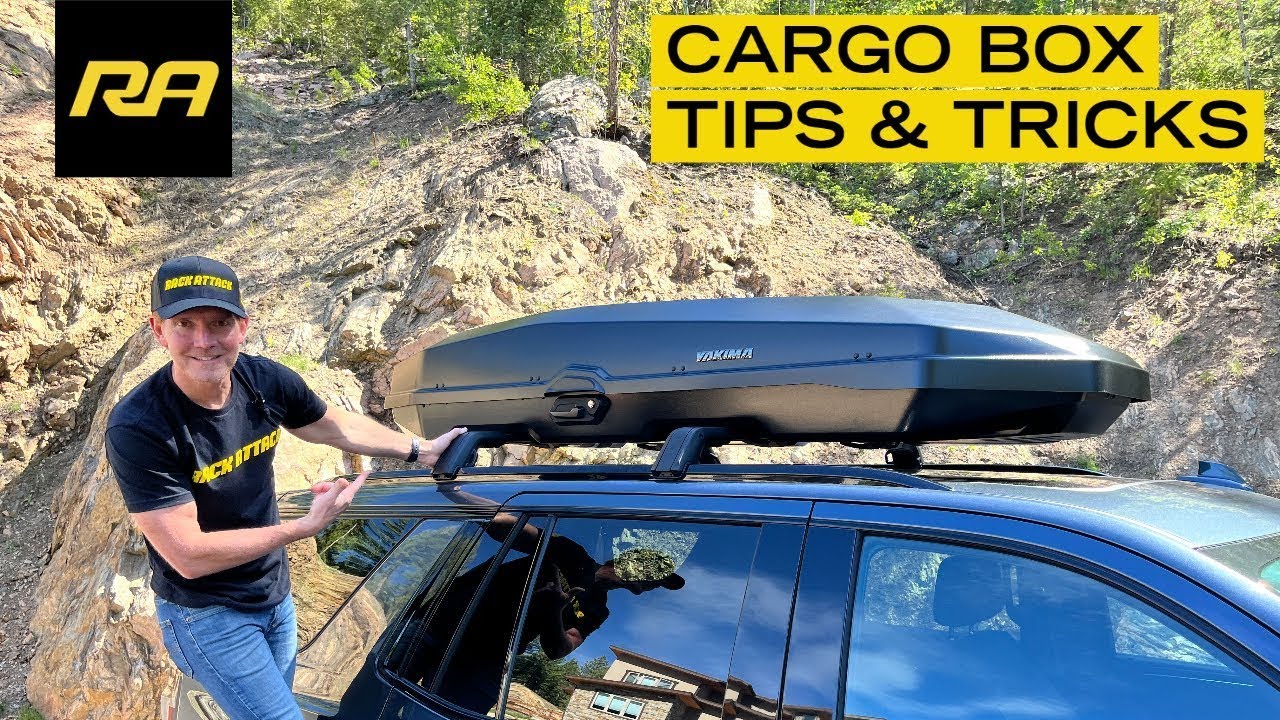
A roof cargo box is a hard shell storage container that mounts to the roof rack of a vehicle. People use it to carry luggage, camping gear, skis, strollers, and other bulky items that do not fit well inside the car. It is a simple idea, but it solves a common problem: too much stuff and not enough space.
The biggest benefit of a roof cargo box is convenience. It lets you spread out your load so passengers have more legroom and less clutter around them. That can make any trip calmer, especially with kids, pets, or a full car.
A roof cargo box also protects gear from weather better than open roof racks. Most models are lockable and built to handle rain, snow, and road grime. That said, it is still important to pack smart and follow the weight limits.
How to use a roof cargo box step by step
Using a roof cargo box is not hard, but the order matters. A good setup starts before anything goes on the roof. The wrong setup can affect fuel use, handling, and safety.
Here is the basic process I recommend:
-
Check your vehicle and rack limits
Look at your owner’s manual and the cargo box instructions. You need to know the maximum roof load, rack weight, and box weight. Do not guess here, because the roof limit includes the box and the items inside it. -
Confirm the roof rack is compatible
A roof cargo box needs a strong base. Most boxes work with crossbars, but bar shape and spacing matter. Make sure the mounting hardware fits your rack style. -
Open the box and inspect the hardware
Before every trip, check for cracks, loose clamps, bent parts, or worn straps. Small issues can turn into big ones at highway speed. -
Mount the box on the crossbars
Center the roof cargo box so the weight is balanced left to right and front to back. Tighten the clamps or mounting system evenly. The box should feel solid, not wobbly. -
Load the heaviest items first and low
Put heavier bags and gear near the center of the box and closer to the middle of the vehicle. Lighter items can go on top. This helps keep the load stable. -
Secure everything inside
Use built-in straps if your box has them. If not, use soft tie-downs or packing cubes so items cannot slide around. A box that sounds like a suitcase drawer on a rough road usually needs better packing. -
Close and lock the box
Close all latches fully and test the lock before you drive. Give the lid a firm tug after locking. If it opens easily, stop and fix it. -
Test drive and listen
Take a short drive at low speed first. Listen for rattles, wind noise, or shifting. It is much easier to fix a problem in your driveway than on the interstate.

How to choose the right roof cargo box
Choosing the right box makes learning how to use a roof cargo box much easier. A box that is too small, too tall, or too heavy can cause daily frustration. The best choice depends on your vehicle, how often you travel, and what you plan to carry.
Pay attention to these factors:
-
Size and capacity
Measure the gear you usually haul. Roof cargo boxes are often listed by cubic feet, but shape matters just as much as volume. -
Length
Longer boxes are better for skis, snowboards, and long camping gear. Shorter boxes work well for suitcases and general travel bags. -
Opening style
Dual-sided opening is easier because you can load and unload from either side of the car. Single-sided boxes are fine too, but less convenient in tight spaces. -
Weight
A lighter box is easier to install and usually puts less strain on the roof system. Still, lightweight does not mean flimsy if the build quality is good. -
Security features
Look for solid locks and a key system that only releases when the box is fully closed. That adds peace of mind on busy travel days.
In my experience, people often buy the biggest box they can find and regret it later. Oversized cargo boxes can be harder to reach, harder to store, and more likely to cause drag than they need to.
How to load a roof cargo box the safe way
Loading is where a lot of people make mistakes. If you want to know how to use a roof cargo box well, this is the part to learn carefully. A neat, balanced load is safer and quieter.
Use these rules:
-
Put heavy items in the center
This helps keep the car balanced and reduces sway. -
Fill gaps with soft items
Towels, jackets, and blankets can stop items from sliding. -
Do not overpack
If the lid has to fight to close, the box is too full. -
Keep sharp items covered
Skis, tools, or poles should be wrapped so they do not scratch the box. -
Use soft bags instead of hard suitcases when possible
Soft bags shape better and waste less space.
One lesson I learned the hard way was that loose items can move more than you expect on long trips. Even a small shift can create a knock or rattle that gets louder the longer you drive. Packing tight and even is like building a sandcastle before the tide comes in: if the base is sloppy, it will not hold.
How to install a roof cargo box correctly
A secure installation is the foundation of safe travel. If the box is mounted wrong, everything else becomes a problem. This includes noise, poor fuel economy, and possible damage to the roof rack.
Follow this simple process:
-
Place the box on the crossbars with help if needed
Roof cargo boxes are awkward and bulky. Having a second person makes alignment easier. -
Center it carefully
Keep the box straight and evenly spaced on both sides. -
Match the mounting points to the bars
Different boxes use U-bolts, clamps, or quick-release systems. Make sure the hardware sits cleanly on the bars. -
Tighten all mounts evenly
Tighten a little at a time on each side. Uneven tightening can pull the box off center. -
Shake-test the box
Try to move it by hand. A little flex is normal, but it should not slide or clunk.
Many manufacturers also recommend checking torque and clamp tension after the first short drive. That is good advice. New mounts can settle a bit once the car starts moving.
How to drive with a roof cargo box
Driving with a roof cargo box changes the feel of the vehicle. The car may be less nimble, slightly louder, and more sensitive to crosswinds. That does not mean you should worry, but it does mean you should drive with more care.
Keep these driving tips in mind:
-
Reduce speed
Slower driving lowers wind drag and helps protect the box and rack. -
Leave extra space
You may need longer stopping distance, especially if the vehicle is heavily loaded. -
Take turns gently
A loaded roof cargo box raises the vehicle’s center of gravity. Smooth steering helps keep handling stable. -
Watch clearance
A roof cargo box adds height. Be careful in garages, drive-throughs, parking decks, and under low branches. -
Expect some fuel impact
Roof cargo boxes usually increase drag, which can reduce fuel economy. The exact amount depends on speed, box design, and vehicle shape.
A good rule is to drive as if your car is wearing a backpack. It is still the same car, but now it has extra weight sitting up high. That extra height deserves respect.
How to pack a roof cargo box for different trips
Different trips call for different packing styles. If you understand how to use a roof cargo box for your specific needs, the box becomes much more useful.
For family road trips:
- Pack suitcases and soft bags first
- Keep snacks and trip essentials inside the cabin
- Put items you will not need until you arrive in the box
For camping trips:
- Use waterproof stuff sacks for sleeping bags and clothes
- Pack bulky but light items like tents, pads, and blankets
- Keep fuel, sharp tools, and anything risky out of the box unless the manufacturer allows it
- Store skis, snow gear, and insulated bags in a way that prevents freezing moisture from spreading
- Check for snow buildup before loading
- Make sure the lid can still close smoothly in cold weather
For airport travel or long vacations:
- Separate items by family member or destination
- Use packing cubes or duffel bags to make unloading easier
- Put the first items you need in the cabin, not the box
The real trick is thinking ahead. Once the box is closed and locked, you do not want to open it again until you reach your destination.
Common mistakes to avoid
Most problems with a roof cargo box come from a few avoidable mistakes. These issues are common, but they are also easy to prevent.
Avoid these:
-
Exceeding the roof load limit
This is the most important safety rule. -
Leaving the box loose
A loose box can shift, rattle, or become dangerous at speed. -
Packing unevenly
Uneven weight can affect balance and handling. -
Forgetting the car’s height
Low parking entrances and garage doors are easy to forget. -
Driving too fast
Speed makes wind noise worse and raises strain on the rack. -
Ignoring the lock
A half-closed box is an accident waiting to happen.
I once watched a traveler discover their box was packed so high that the lid barely latched. They had assumed “if it closes, it must be fine.” That is not a safe test. If the lock is fighting the load, the load is wrong.
Maintenance and care for a roof cargo box
A roof cargo box lasts longer when you care for it regularly. Maintenance is simple, and it only takes a few minutes. It also helps keep the box quieter and easier to use.
Basic care tips:
-
Clean it after trips
Wipe off dirt, bugs, salt, and road grime. -
Check mounting hardware often
Loose bolts and worn clamps should be fixed right away. -
Store it dry
If possible, remove the box when not in use and store it indoors. -
Inspect the lid seal
A worn seal can let in water and dust. -
Lubricate locks if needed
Use only products recommended by the manufacturer.
If you live in an area with snow, road salt can be tough on hardware. In that case, regular cleaning is more than just cosmetic. It helps prevent corrosion and keeps the system working smoothly.
Benefits and limitations of using a roof cargo box
A roof cargo box offers clear benefits, but it is not perfect. Knowing both sides helps you choose wisely.
Benefits:
- Frees up interior space
- Keeps gear organized
- Protects belongings from weather
- Can improve comfort on long trips
- Works well for bulky items
Limitations:
- Adds wind resistance
- Can reduce fuel economy
- Raises vehicle height
- Takes time to install and remove
- Has weight limits you must respect
Think of it like a tool, not a magic fix. It solves one problem very well, but it introduces a few tradeoffs. That is normal, and it is why good packing and careful driving matter so much.
Frequently Asked Questions of How to use a roof cargo box
How fast can you drive with a roof cargo box?
Most manufacturers recommend driving at moderate highway speeds and avoiding aggressive speed changes. Higher speeds increase wind drag, noise, and stress on the mounting system, so it is better to stay smooth and steady.
Can you leave a roof cargo box on all the time?
Yes, but it is usually better to remove it when you are not using it. Leaving it on all the time can increase drag, reduce fuel economy, and expose the box to more wear from weather and sunlight.
How do you know if a roof cargo box is too heavy?
Check the vehicle’s roof load rating, the crossbar rating, and the box’s own weight limit before loading. If the total weight of the box plus gear goes over the allowed limit, it is too heavy and should be repacked.
Does a roof cargo box affect gas mileage?
Yes, usually it does. The added wind resistance can lower fuel economy, especially at highway speeds, though the exact impact depends on the vehicle, box shape, and how fast you drive.
What should you not put in a roof cargo box?
Avoid anything that exceeds the weight limit, leaks, or could be damaged by heat and motion. It is also smart to keep valuable electronics, fragile glass, and anything you may need during the trip inside the cabin instead.
Conclusion
Knowing how to use a roof cargo box well comes down to three things: proper mounting, smart packing, and careful driving. When you respect the weight limits and take a few minutes to check the setup, the box becomes a huge help instead of a hassle. That simple routine can make family trips, camping runs, and holiday travel feel much easier.
If you are planning a trip soon, start with the fit, pack with balance in mind, and test everything before you leave the driveway. A little preparation now can save you from stress later. If you found this guide helpful, explore more travel gear tips, share your own experience, or leave a comment with your biggest roof cargo box question.