Why Is My Jeep Renegade Shaking?
That vibrating sensation when you're driving your Jeep Renegade can be unsettling, to say the least. It's that feeling that something isn't quite right, a little shimmy that grows into a definite concern. You're likely here because you want to understand exactly what's causing your Jeep Renegade to shake and, more importantly, how to fix it.
Our research indicates that while many things can cause a vehicle to shake, most common issues stem from the tires, brakes, or suspension components. Understanding these common causes is the first step toward getting your Jeep back to its smooth, reliable self, as recommended by automotive maintenance guidelines that often cite specific tire pressures and alignment tolerances, such as those outlined by the Society of Automotive Engineers (SAE).
The Shaky Symptoms: Pinpointing When and How Your Renegade Wobbles
To figure out what's wrong, we need to be detectives about the shaking. When you notice your Jeep Renegade shaking, pay close attention to the details. This information is crucial for diagnosing the problem accurately, whether you're doing a quick check yourself or explaining it to a mechanic.
When Does It Shake? (Speeds, Braking, Turning)
The timing of the shake tells a big story. Does it only happen when you're moving at a certain speed, say, between 40-60 mph? Or is it more noticeable when you're braking hard?
Maybe it kicks in when you're turning the steering wheel. If it happens only under specific conditions, like during braking, it points us toward the brake system. If it's primarily at higher speeds, tires or wheel balance are often the primary suspects.
Where Does It Feel Like It's Coming From? (Steering Wheel, Seat, Rear)
Try to pinpoint the location of the vibration. A shake felt primarily in the steering wheel often suggests an issue with the front wheels, tires, or steering components. If you feel it more in your seat or through the floorboards, the rear wheels or driveshaft could be the culprit.
A vibration felt everywhere can be more general, but still gives us clues.
How Severe Is The Shake? (Gentle Vibration vs. Violent Shudder)
The intensity of the shake matters too. A gentle hum or buzz at highway speeds might be a minor imbalance, while a violent shudder that makes the whole car tremble is a more urgent concern. A severe shake could indicate a serious problem, like loose lug nuts or a significant suspension failure, and warrants immediate attention to prevent further damage or a dangerous situation.
Common Culprits Behind Your Jeep Renegade's Shake
Now that we've talked about how to notice the shake, let's get into what's most likely causing it. These are the usual suspects that mechanics check first when a Jeep Renegade starts shaking.
Tire Troubles: The Usual Suspects (Wear, Balance, Damage)
Tires are the only part of your Jeep that touches the road, so any issue with them will directly translate into a shake. Uneven wear is a big one; if the tread isn't wearing down smoothly, it creates an uneven surface that can cause wobbles. Tire balance is critical too.
Manufacturers recommend regular tire balancing, typically every 5,000-7,500 miles, to ensure the weight of the tire and wheel assembly is distributed evenly. If a small balance weight falls off, the wheel can become unbalanced and start to vibrate, usually at higher speeds.
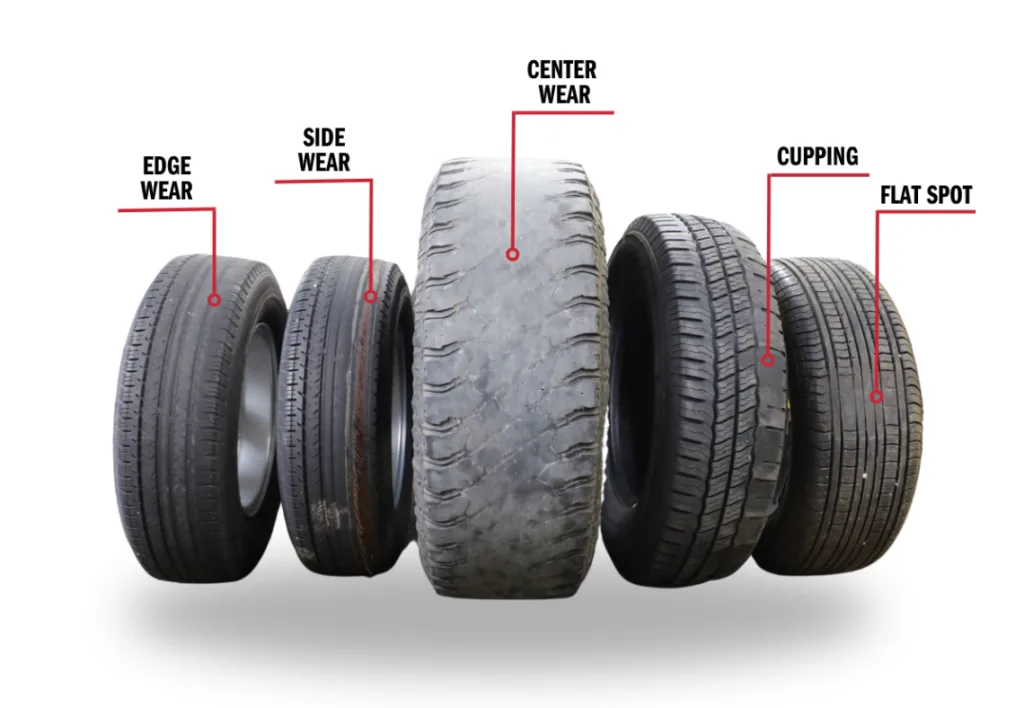
Sometimes, a tire can even be "out-of-round," meaning it's not perfectly circular, which will definitely cause shaking. And in rare, but serious cases, loose lug nuts can cause the wheel to wobble significantly. If you suspect loose lug nuts, stop driving immediately and get them checked; this is a critical safety issue.
Brake System Shenanigans (Warped Rotors, Sticking Calipers)
If the shaking seems to be directly related to applying the brakes, your brake system is likely the cause. The most common culprit here is warped brake rotors. Rotors are the metal discs that your brake pads clamp onto to slow your Jeep.
When they overheat, perhaps from heavy braking or a sticking caliper, they can warp, leading to a pulsing or shaking sensation that you feel in the steering wheel or brake pedal when you brake.
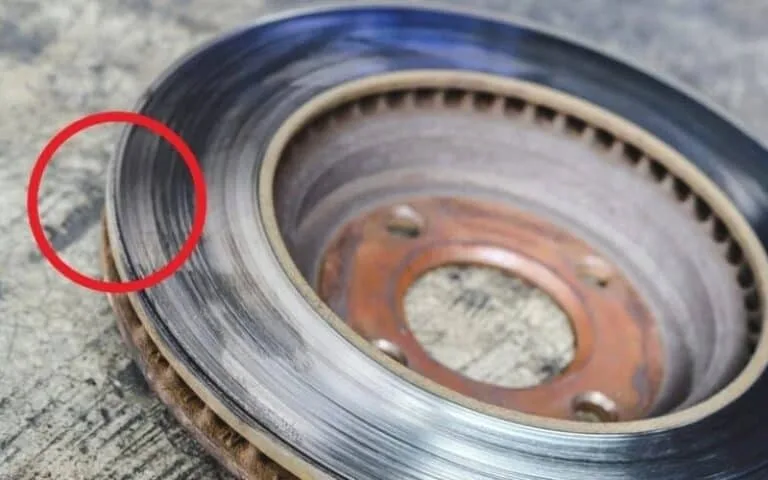
A sticking brake caliper can also cause problems. If a caliper doesn't release properly, it can cause the brake to drag constantly, leading to excessive heat, rotor damage, and the same shaking symptoms. This can also cause your Jeep to pull to one side and lead to premature brake wear.
Suspension & Steering Woes (Ball Joints, Tie Rods, Wheel Bearings, CV Joints)
The suspension and steering systems work together to give you a smooth ride and precise control. When parts in these systems wear out or get damaged, vibrations are a common consequence. Worn ball joints or tie rod ends can create play or looseness in the steering, leading to shakes, especially when you're going over bumps or making turns.
A damaged wheel bearing is another frequent cause. The wheel bearing allows your wheel to spin freely, and when it wears out, it can cause a grinding noise and a noticeable shaking or wobbling, which often gets worse as you speed up. For Jeeps with front-wheel drive or all-wheel drive, the Constant Velocity (CV) joints are also key.
If their protective boots tear and allow dirt in, the joint can be damaged and cause shaking, particularly when turning.
Drivetrain Disturbances (Driveshaft, U-Joints)
The drivetrain is the system that sends power from the engine to the wheels. Issues here can cause vibrations that are felt throughout the vehicle. A bent or unbalanced driveshaft is a primary suspect if the shaking seems to come from the middle or rear of the vehicle.
The universal joints (U-joints) that connect the driveshaft can also wear out. When these joints become loose or damaged, they can cause a clunking sound and a noticeable vibration, especially when accelerating or shifting gears.
Engine Misfires: A Less Common, But Possible Cause
While less common for causing a distinct shaking sensation like tire or brake issues, a significant engine misfire can sometimes feel like a vibration or shudder. This happens when one or more cylinders aren't firing correctly. It's often accompanied by a rough idle, hesitation, or a noticeable loss of power.
The underlying causes can range from simple things like a fouled spark plug to more complex issues like a faulty ignition coil or fuel injector. If the shake is accompanied by the "Check Engine" light, a misfire is definitely on the table for diagnosis.
The "Check Engine" light is a key indicator, and using an OBD2 scanner can help pinpoint misfire codes, which can provide valuable data for diagnosing the issue accurately. Many automotive diagnostic tools, like those from brands such as Bosch or Snap-on, can read these specific codes.
Quick Answer: Why Is My Jeep Renegade Shaking?
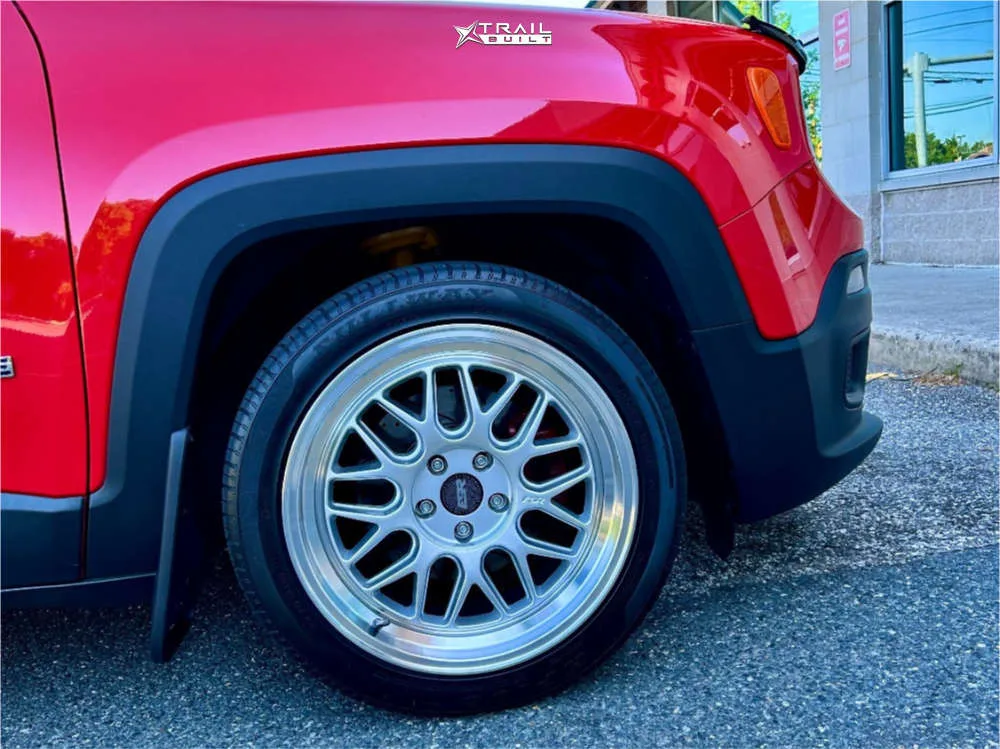
Your Jeep Renegade is likely shaking due to issues with its tires, brakes, suspension, or drivetrain. Common causes include unbalanced tires, warped brake rotors, worn suspension components like ball joints, or even engine misfires. Identifying the specific symptoms is key to diagnosis.
DIY Checks: What You Can Do to Investigate at Home
Sometimes, you can get a good idea of what's causing the shake without needing a mechanic. These simple checks can help you gather valuable clues.
Inspecting Your Tires for Issues
Start with a good visual check of your tires. Look for any obvious signs of damage, like cuts or bulges, in the sidewall or tread. Also, examine the tread itself.
Is it wearing down evenly across the surface? If you see one side of the tire worn more than the other, or bald spots, that's a strong clue that your alignment might be off, or the tires need balancing. Make sure your tires are properly inflated too; low pressure can sometimes cause odd sensations.
Listening for Clues and Sounds
Pay attention to any sounds that accompany the shaking. A grinding noise might point to a bad wheel bearing. A rhythmic clunking could be a worn U-joint or CV joint.
A pulsing sound, especially when you brake, is a classic sign of warped rotors. Sometimes, a hissing sound could indicate a vacuum leak contributing to engine performance issues. These sounds, combined with the type of shake, help narrow down the possibilities considerably.
When to Call in the Pros: Recognizing When You Need a Mechanic
Sometimes, the shake is more than just an inconvenience; it's a signal that a professional eye is needed. If you've gone through the initial checks and the problem persists, or if the symptoms are severe, it's time to put your Jeep Renegade in the hands of a qualified mechanic. They have specialized tools and experience to accurately diagnose and fix the issue safely.
Safety Red Flags: Signs You Shouldn't Drive
Certain types of shaking are immediate safety hazards and mean you should stop driving your Jeep. If you notice a severe vibration that makes steering difficult, hear loud grinding or banging noises, or if you feel the wheel is about to come off (which could indicate loose lug nuts), pull over safely as soon as possible and call for a tow. Driving with these issues can lead to a serious accident.
Trustworthy Diagnosis: Why a Mechanic Is Often Best
Mechanics have access to diagnostic equipment that can read trouble codes from your Jeep's computer, which can be invaluable for issues like engine misfires or sensor problems. They can also perform more in-depth checks on suspension components, brake systems, and the drivetrain using specialized lifts and tools. Their expertise helps ensure the correct part is identified and replaced, preventing costly mistakes or recurring problems down the line.
For example, a proper wheel alignment requires specific angles measured with laser equipment.
Quick Fixes vs. Major Repairs: Understanding the Scope of the Problem
The cost and complexity of fixing a shaking Jeep Renegade can vary wildly. A simple tire rebalance might cost $50-$100, while a complete brake job could be several hundred dollars. More involved repairs, like replacing worn suspension components or a driveshaft, can easily run into the thousands.
Understanding the potential scope helps manage expectations.
For instance, if your issue is just an unbalanced tire, that's a relatively quick and inexpensive fix. However, if that unbalanced tire has been ignored for a long time, it could have accelerated wear on your suspension components, leading to a much larger repair bill. Similarly, a warped rotor might be replaceable on its own, but if a sticking caliper caused it to warp, that caliper also needs attention.
Frequently Asked Questions About Jeep Renegade Shaking
### What's the most common reason my Jeep Renegade shakes?
The most common reason for shaking is usually related to the tires. This includes issues like improper tire balance, uneven tire wear, or tires that have lost their shape.
### Should I be worried if my Jeep Renegade shakes when I brake?
Yes, you should be concerned. Shaking during braking almost always indicates a problem with the brake system, most commonly warped brake rotors. It's a safety issue that needs prompt attention.
### How often should I get my tires balanced?
Most manufacturers recommend having your tires balanced every 5,000 to 7,500 miles or whenever you get new tires. Balancing ensures even wear and prevents vibrations.
### Can a bad alignment cause my Jeep Renegade to shake?
Yes, a bad wheel alignment can cause uneven tire wear, which in turn can lead to shaking. It can also make your Jeep pull to one side.