Toaster vs Toaster Oven
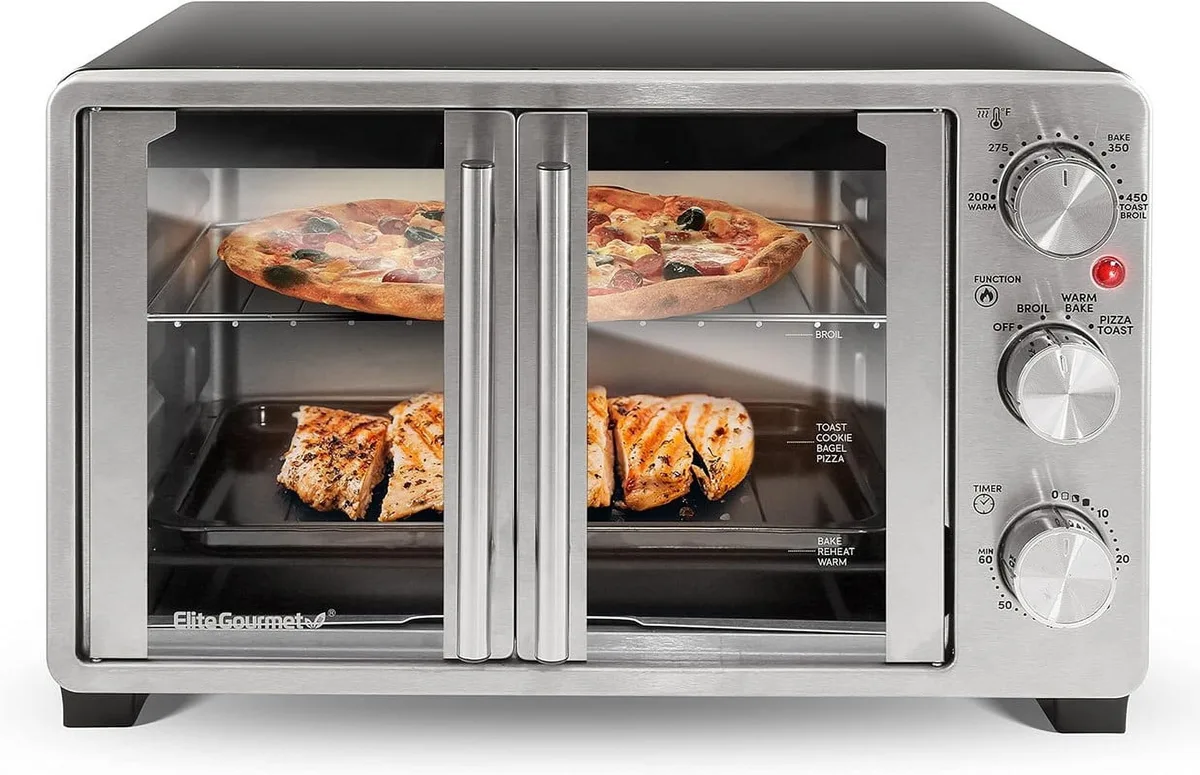
Image source: Bing (Web (fair-use with source credit))
Deciding between a toaster and a toaster oven can feel surprisingly complicated when you just want some good toast. Both appliances promise to brown your bread, but their capabilities stretch in very different directions, impacting your kitchen workflow and what you can make. Understanding these differences is key to picking the right one for your countertop.
Manufacturer specifications indicate that toaster ovens, while often larger, offer significantly more functionality than their slot-based counterparts. For instance, a typical toaster oven can handle baking and broiling tasks that a standard toaster simply can't, as confirmed by product documentation from leading appliance makers.
Quick Answer
A toaster is best for fast, simple bread toasting. A toaster oven excels at toasting plus baking, broiling, and reheating leftovers. Consider a toaster oven if you want multi-functionality; choose a toaster for dedicated, speedy toast.
What's the Big Idea with Each Appliance?
These two kitchen gadgets, while both dealing with bread, serve different purposes. It's less about which is "better" and more about which fits your cooking style and kitchen needs.
The Straightforward Toaster
This is your dedicated toast-maker. Its primary, and often sole, function is to brown slices of bread, bagels, or frozen waffles to your desired crispness. Most toasters feature slots that lower the bread into heating elements and then pop it up when ready.
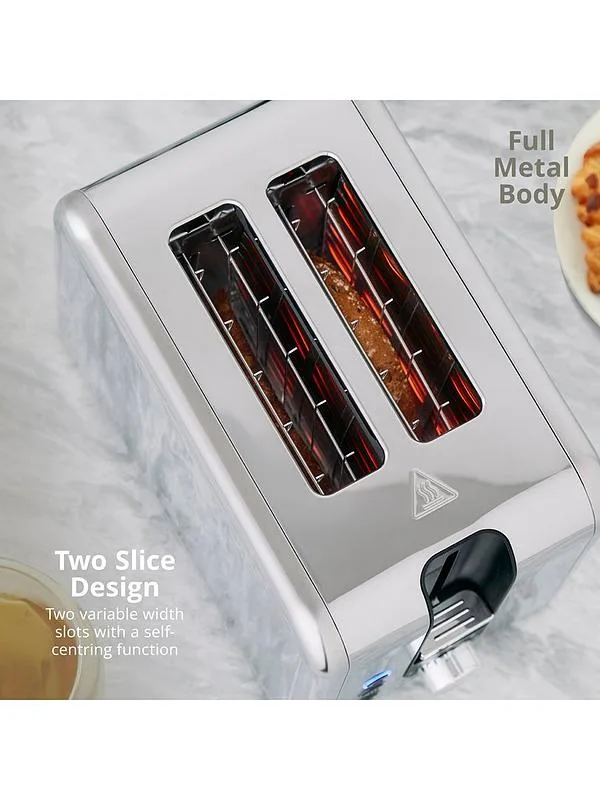
Image source: Bing (Web (fair-use with source credit))
Aggregate reviews show they are designed for speed and simplicity. You'll find options ranging from basic 2-slice models to larger 4-slice units, and many come with adjustable browning controls, cancel buttons, and sometimes defrost or reheat settings for frozen items. A common specification is the width of the slots, with some models designed for thicker items like artisanal bread.
The Multi-Tasking Toaster Oven
Think of a toaster oven as a compact, countertop version of your main oven. It can toast, yes, but its versatility is where it truly stands out. These appliances typically feature a door on the front and an interior rack where you place food.
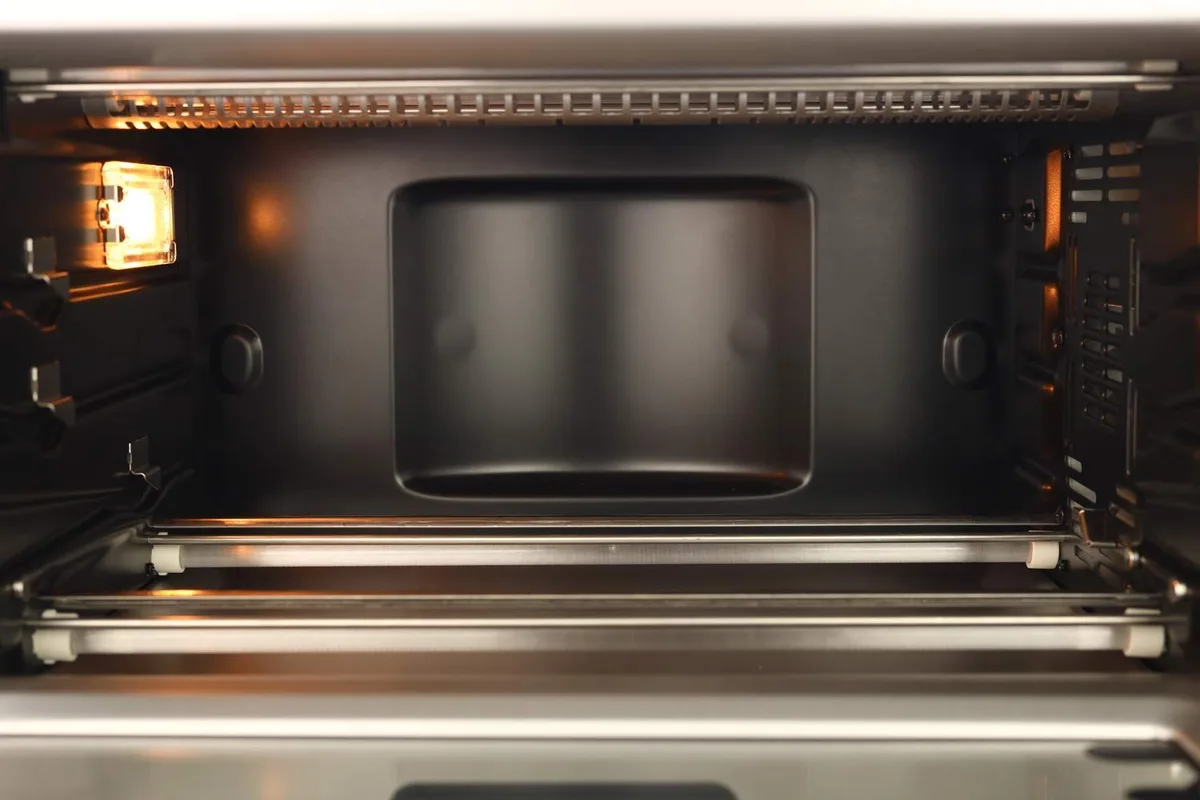
Image source: Bing (Web (fair-use with source credit))
Beyond toasting, they are equipped to bake small items like cookies or muffins, broil fish or vegetables, and reheat leftovers efficiently. Some advanced models even include air frying or convection cooking functions. This expanded capability makes them a more substantial addition to your kitchen counter.
When to Grab Which: The Pros and Cons
Both appliances have their strong suits, and understanding these will help you decide which one deserves a spot in your kitchen.
The Toaster: What's Great & What's Not
A toaster is built for a single purpose: toast. Its design is optimized for this, leading to several key advantages.
What's Great About It:
- Speed: Toasters are incredibly fast for making toast. You can often get perfectly browned slices in 1-3 minutes.
- Simplicity: Operation is usually as easy as dropping in bread and pushing a lever. There are minimal settings to worry about.
- Compact Size: They take up very little counter space, making them ideal for smaller kitchens.
- Energy Efficiency for Toasting: For the specific task of toasting bread, a toaster uses less energy than firing up a toaster oven or a full-sized oven.
What's Not So Great:
- Limited Functionality: If you want to do anything beyond toasting, a toaster won't cut it.
- Bagel Issues: Toasting bagels can sometimes be uneven, with one side getting darker than the other, unless the toaster has a specific bagel setting.
- Cleaning: Crumbs can accumulate at the bottom and can be a bit tricky to clean out thoroughly, though many models have removable crumb trays.
The Toaster Oven: What's Great & What's Not
The toaster oven's appeal lies in its ability to perform many kitchen tasks beyond just toasting.
What's Great About It:
- Versatility: This is its biggest draw. It toasts, bakes small batches, broils, reheats, and more, acting as a mini-oven.
- Better Reheating: For leftovers you want to stay crisp (like pizza or fried chicken), a toaster oven is often superior to a microwave.
- Energy Savings: For small portions or single servings, using a toaster oven can be more energy-efficient than heating a large conventional oven.
- Convenience: Having a small oven readily available on your counter saves time and hassle for many quick cooking jobs.
What's Not So Great:
- Slower for Toasting: While it can toast, it often takes longer than a dedicated toaster because it needs to heat up a larger space.
- Counter Space: Toaster ovens are generally larger and take up more significant counter real estate.
- Might Not Toast Perfectly: Some models may not toast as evenly as a dedicated toaster, requiring you to flip the bread.
- Preheating Time: If you're baking or broiling, it requires preheating, just like a regular oven, adding time to the cooking process.
Making Your Choice: What Matters Most to YOU?
Deciding between these two appliances really boils down to how you plan to use them and what your kitchen priorities are. There isn't a one-size-fits-all answer, but by looking at your typical kitchen routines, you can make the best choice.
Best For Quick Toasting: The Toaster's Moment
If your morning routine is all about getting a couple of slices of perfectly browned toast, and that’s about it, then a dedicated toaster is likely your best friend. They are engineered for this specific job, making them incredibly efficient and fast. For instance, many models offer settings to accommodate different bread thicknesses, ensuring a consistent outcome.
If you're looking for a simple appliance that performs its one task exceptionally well without fuss, the toaster is the clear winner. It’s also the ideal choice if you have very limited counter space or prefer to keep your kitchen tools minimal. Many units, like those in the 7 Best Toaster With Countdown Timer 2026 category, are specifically designed for speed and convenience for one or two people.
Best For Versatile Kitchen Tasks: The Toaster Oven Shines
If you find yourself constantly reaching for your big oven for small jobs, or if your microwave leaves your leftovers soggy, a toaster oven might be the game-changer you need. These appliances offer a broad range of cooking capabilities. They're fantastic for reheating slices of pizza, baking a few cookies, toasting thick bread or bagels, or even broiling small portions of fish.
According to product specifications from manufacturers like Cuisinart, a good toaster oven can often replace several other appliances, saving both space and energy for smaller cooking needs compared to a full-sized oven. If you're looking for a multi-functional appliance that can handle a variety of tasks beyond just browning bread, the toaster oven is the way to go. Consider models discussed in the 7 Best Air Fryer Toaster Oven 2026 list for enhanced functionality.
Common Kitchen Scenarios: Which Appliance Wins?
Let's walk through a few everyday kitchen situations to see which appliance shines brightest. This helps put the pros and cons into real-world context.
Scenario 1: Just Need Toast, Fast!
Winner: Toaster
If your primary goal is to get a couple of slices of toast ready in under three minutes, a standard toaster is unbeatable. It heats up almost instantly and is designed for maximum speed when browning bread. You just pop your slices in, select your desired level of brownness, and it's done before you can even finish making your coffee.
For those who value efficiency and simplicity above all else for their morning toast, a dedicated toaster is the perfect fit. Many models, including those in the 7 Best Toaster for Sourdough 2026 roundup, are specifically engineered to handle different bread types for optimal crispness.
Scenario 2: Reheating Leftovers Crisp and Quick
Winner: Toaster Oven
Microwaves are fast, but they can turn crispy leftovers into a soggy mess. A toaster oven, however, can bring that crispness back. Whether it’s a slice of pizza, some chicken tenders, or even French fries, a toaster oven can reheat them to near their original texture.
You can set it to a moderate temperature and let it work its magic. It’s a much better option than a microwave for maintaining food quality. For example, reheating a few slices of leftover pizza is easily done in a toaster oven, keeping the crust firm and the cheese gooey.
Scenario 3: Small Batch Baking or Broiling
Winner: Toaster Oven
When you want to bake a few cookies, a small batch of muffins, or broil a single piece of fish or some vegetables, the toaster oven is your ideal kitchen companion. Firing up a full-sized oven for such small tasks is inefficient and heats up your entire kitchen unnecessarily. A toaster oven heats up much faster and uses significantly less energy.
This makes it perfect for quick meals or snacks when you don't need the capacity of a larger appliance. Many units can achieve temperatures similar to a conventional oven, often exceeding 400°F (200°C).
Frequently Asked Questions About Toasters and Toaster Ovens
How long does it take to toast bread in each?
A standard toaster typically toasts bread in 1-3 minutes. A toaster oven can also toast bread, but it usually takes a bit longer, often around 3-5 minutes, as it needs to preheat its internal space.
Can a toaster oven replace my main oven?
A toaster oven can effectively replace a main oven for smaller tasks like toasting, reheating, baking small batches, and broiling. However, it is generally too small to cook large meals, roasts, or bake multiple dishes simultaneously.
Which is better for bagels?
Many toasters now come with specific bagel settings that toast the cut side more intensely while gently warming the rounded side. Toaster ovens can also toast bagels well, often allowing for even browning due to their open interior and rack placement.
What are the energy consumption differences?
For just toasting bread, a toaster generally uses less energy than a toaster oven. However, when performing tasks like baking or broiling small items, a toaster oven can be more energy-efficient than a full-sized oven due to its smaller capacity and faster preheating time.
Mistakes to Avoid: Common Errors with Toasters and Toaster Ovens
Even with simple appliances, you can run into issues if you're not careful. Understanding common mistakes can save you frustration and help you get the best performance from your chosen appliance.
For toasters, one frequent problem is trying to force items that are too large into the slots. This can damage the heating elements or get the item stuck. Another error is neglecting to empty the crumb tray regularly.
A buildup of crumbs is a fire hazard and can also lead to unpleasant smells. For toaster ovens, users sometimes forget to preheat them for tasks like baking, leading to undercooked food. Overcrowding the interior rack is also common, blocking air circulation and resulting in uneven cooking.
Costs and Specs: What to Consider
When you're looking at toasters and toaster ovens, a few key specs and cost factors are worth noting.
Toaster Costs & Specs:
- Price Range: Basic 2-slice toasters can start around $20, with more advanced models (4-slice, special settings) going up to $100 or more.
- Key Specs: Slot width (crucial for bagels or thick bread), browning control settings (usually 1-7 levels), cancel button, and sometimes defrost/reheat functions. Power output is typically between 800-1500 watts.
Toaster Oven Costs & Specs:
- Price Range: Entry-level toaster ovens might be found for $40-$70. Mid-range models with more features (convection, air fry) can range from $80 to $200. High-end units can exceed $300.
- Key Specs: Capacity (often measured in cubic feet or by pizza size it can fit), temperature range (e.g., 150°F to 450°F), wattage (typically 1000-1800 watts), and included functions (bake, broil, toast, convection, air fry). Dimensions are critical for fitting on your counter, often requiring 12-18 inches of clearance.
As of 2026, the market shows a continued trend towards multi-functional toaster ovens, with many incorporating air frying capabilities. For those prioritizing simplicity and dedicated toast quality, specialized toasters with features like countdown timers, as seen in the 7 Best Toaster With Countdown Timer 2026 category, remain popular.
Expert Tips for Getting the Best Toast (and More!)
Our research indicates that even with basic appliances, a few pro tips can elevate your experience. For toasters, ensuring consistent browning often comes down to the quality of the heating elements and the evenness of the browning control. If you frequently toast artisan loaves or thick slices, look for models designed with wider slots, such as those found in the 7 Best Toaster for Thick Bread 2026 reviews.
When using a toaster oven, remember that convection settings can cook food faster and more evenly. Always place food on the rack in a way that allows air to circulate freely. If you're baking, place your baking sheet on the oven rack rather than directly on the bottom, which can sometimes lead to a scorched underside.
For optimal results, consult your appliance's manual; it often contains specific guidance for different cooking functions and food types.