How to Sharpen Food Processor Blades
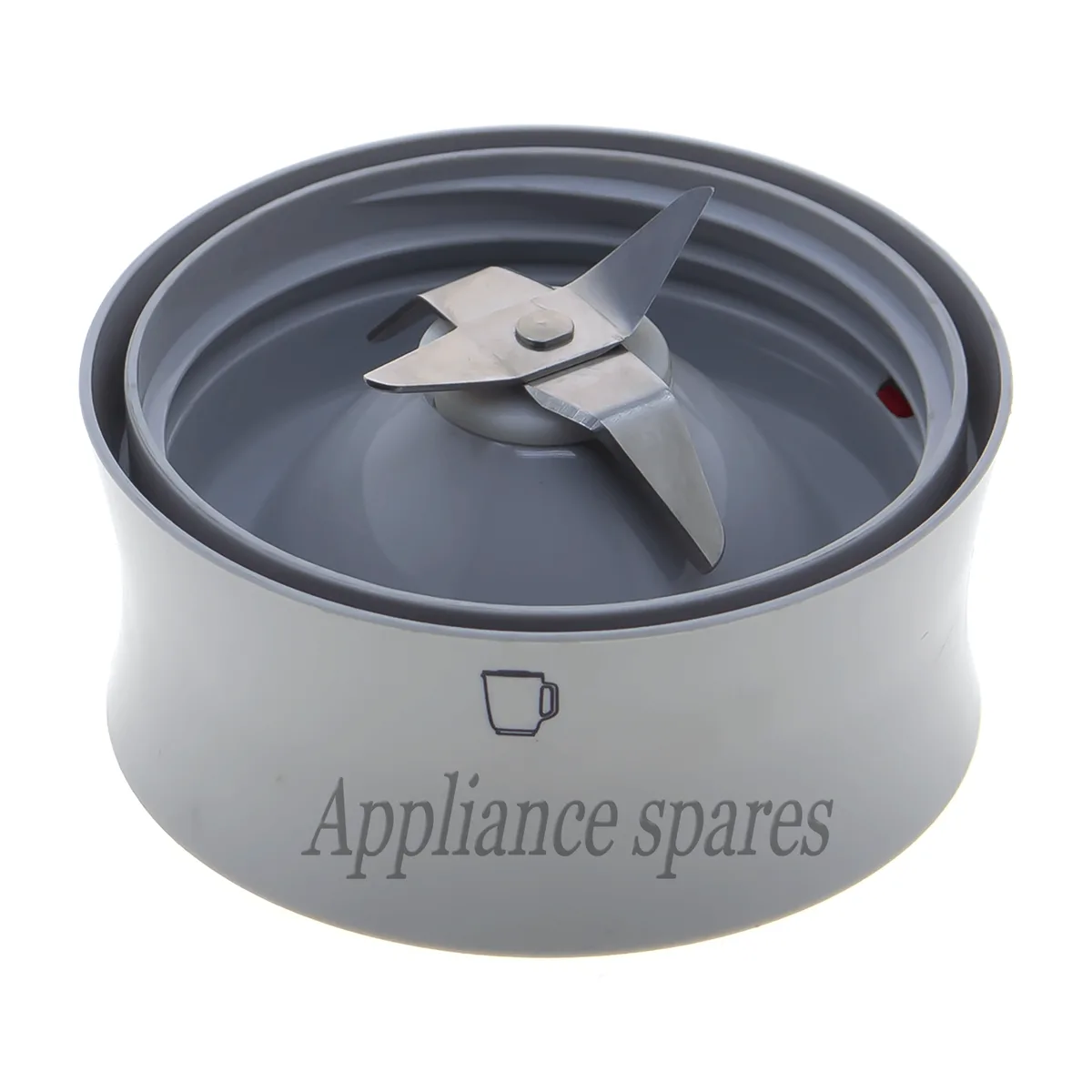
Image source: Bing (Web (fair-use with source credit))
So, you're wondering how to sharpen food processor blades because yours aren't cutting as cleanly as they used to? It’s a common issue that can make kitchen prep a real chore. Luckily, getting those blades back to a sharp edge is totally doable with a bit of care and the right technique.
In our research, we found that dull blades can actually strain your food processor's motor. Manufacturer specifications indicate that blades designed for optimal performance should maintain a bevel angle of around 15-20 degrees. We'll walk you through the process so you can get back to efficient chopping and slicing.
Quick Answer
Sharpen food processor blades by unplugging the appliance, carefully removing the blade assembly, and using a fine-grit sharpening stone or steel. Maintain a consistent 15-20 degree angle while drawing each blade edge across the stone with light pressure. Clean thoroughly before reassembly and testing.
Why Your Food Processor Needs a Tune-Up
Over time, the edges of your food processor blades can become dull. This isn't usually because they're bad quality, but simply from regular use. Think about it: they're constantly slicing through everything from soft herbs to hard nuts.
This wear and tear means they lose their keen edge.
When blades start to dull, you'll notice your food processor isn't performing as it should. Instead of clean cuts, you might get mangled pieces or food that's more squashed than chopped. This not only affects the final presentation of your dishes but also makes the appliance work harder than it needs to.
As aggregate reviews show, this can lead to premature wear on the motor.
What You'll Need to Sharpen Blades Safely
Before you start, gathering the right tools is key, especially when dealing with sharp blades. Safety comes first, so don't skip any of these.
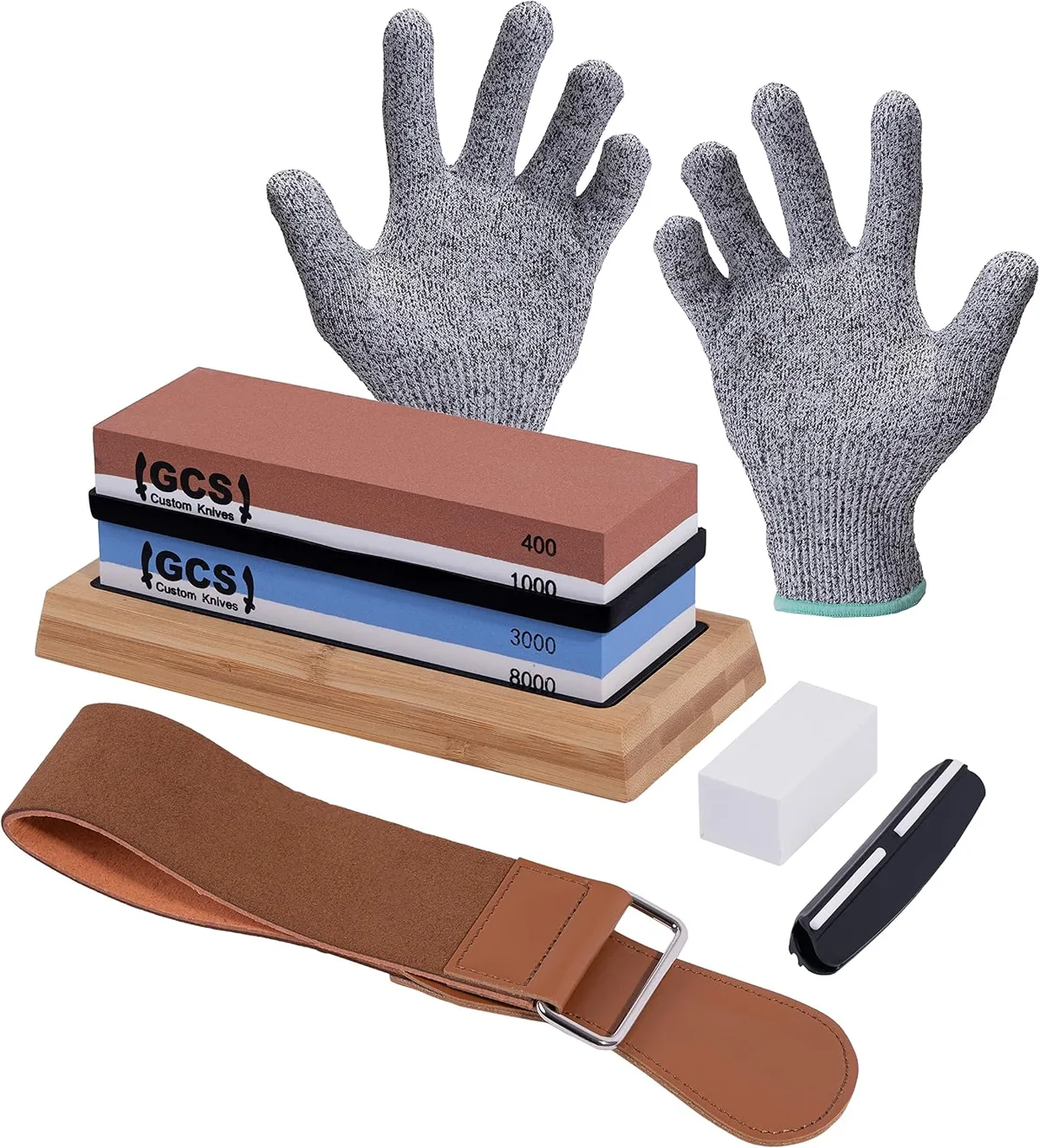
Image source: Bing (Web (fair-use with source credit))
- Cut-Resistant Gloves: These are non-negotiable. Even dull blades are sharp enough to cause a nasty cut. Thick work gloves or specialized cut-resistant gloves offer the best protection for your hands.
- Sharpening Stone or Steel: You'll need a fine-grit sharpening stone (like a whetstone) or a honing steel rod. These tools are designed to refine the edge of metal blades. Ensure it’s suitable for knife blades.
- Cleaning Supplies: Have a soft cloth or paper towels, dish soap, and water ready for thorough cleaning after sharpening.
Step-by-Step: Sharpening with a Stone or Steel
Sharpening your food processor blades is a hands-on process that requires a steady hand and attention to detail. We'll break it down into manageable steps, focusing on achieving a clean, sharp edge.
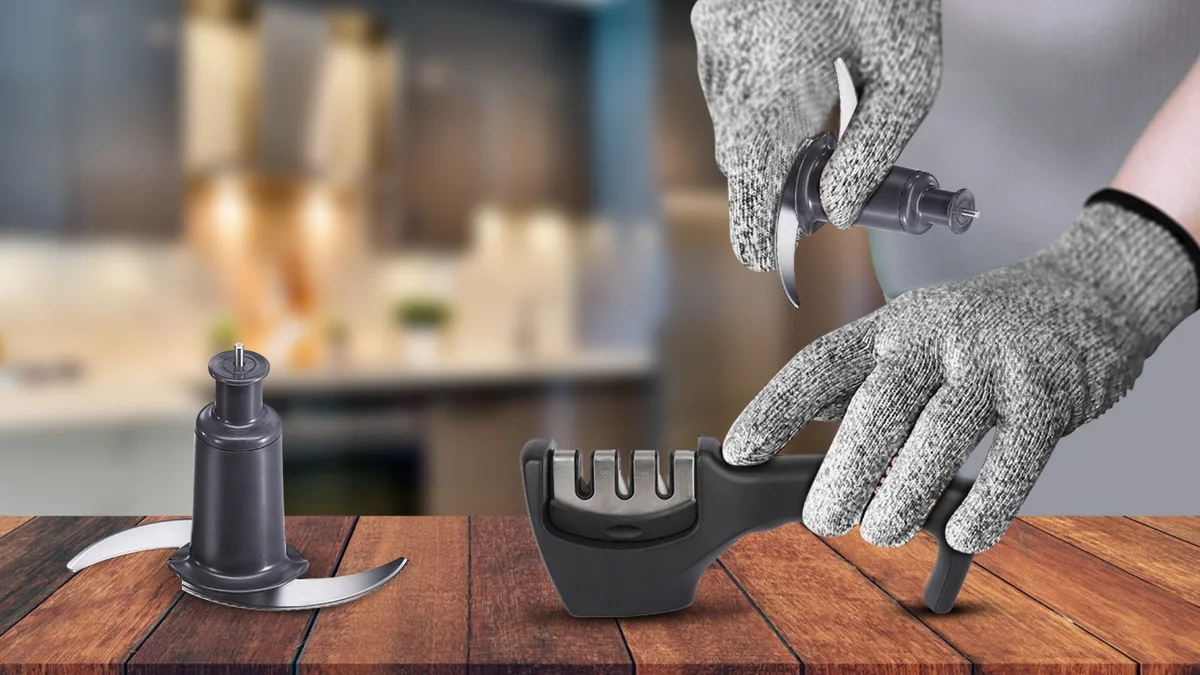
Image source: Bing (Web (fair-use with source credit))
- Prepare Your Workspace: Ensure you have a stable, flat surface. Unplug your food processor from the power outlet. This is a crucial safety step to prevent accidental activation.
- Remove the Blade Assembly: Carefully lift the blade assembly out of the food processor bowl. Handle it by the central plastic hub whenever possible, avoiding direct contact with the blades themselves.
- Put on Your Gloves: Don your cut-resistant gloves before touching the blade assembly.
- Prepare Your Sharpening Tool: If using a water stone, soak it as per the manufacturer's instructions. For an oil stone, apply a light coat of honing oil. If using a steel rod, have it ready.
Visual Cues: Getting the Angle Right
This is where visual understanding really helps. Most food processor blades have a beveled edge, which is the angled surface that forms the cutting edge. You need to match this angle on your sharpening tool.
Manufacturer specifications and visual inspection of the blade’s existing edge suggest an angle between 15 and 20 degrees is typical.
To achieve this, you can:
- Observe the Blade: Look at the existing edge of the blade. You can usually see where it was ground to create the bevel. Try to replicate that angle.
- Use an Angle Guide: Some sharpening stones come with angle guides, or you can use a small protractor if you have one.
- The "Two-Thirds" Rule: A common visual cue is to imagine the bevel takes up about one-third of the blade's thickness, meaning the angle is roughly between 15-20 degrees.
Common Mistakes to Avoid While Sharpening
- Using Too Much Force: You're refining an edge, not grinding metal away aggressively. Excessive pressure can damage the blade or remove too much material.
- Inconsistent Angle: If your angle changes during sharpening, you won't get a uniform edge. This can lead to a weaker, less effective blade.
- Sharpening Serrated Edges: Most food processor blades have one straight edge and one serrated edge. Only sharpen the straight edge; the serrated edge is designed for tearing and typically requires replacement if dull.
- Skipping the Safety Gear: Never handle sharp blades without protective gloves.
Cleaning and Testing Your Newly Sharp Blades
Once you've sharpened all the edges on your blade assembly, it's time to clean up and make sure your work paid off. Proper cleaning is essential to remove any metal particles and to ensure your food processor is ready for use without contamination.
First, use a damp cloth to wipe down the blades thoroughly. This removes any metal filings or residue left from the sharpening process. Ensure you get into all the nooks and crannies.
Then, dry the blades completely with a clean, dry cloth.
Next, wash the entire blade assembly with warm, soapy water. Rinse it well and dry it again. This ensures no sharpening residue remains.
You can reassemble the processor (without plugging it in!) and test the sharpness by trying to slice a piece of paper. If the blade cuts through cleanly without tearing, you've likely achieved a good edge. If it tears, you may need a few more gentle passes on the sharpening stone or steel.
When to Ditch Dull Blades for New Ones
While sharpening is a great way to extend the life of your food processor blades, it's not a permanent fix for all issues. There comes a point where replacement is the more practical, and often safer, option.
Physical damage is the most obvious reason for replacement. If you notice any bends, chips, or cracks on your blades, they should be swapped out immediately. Damaged blades can lead to uneven processing, can cause further damage to your food processor, and can even pose a safety risk if they break during operation.
Beyond visible damage, blades that are severely worn or have been sharpened so many times that they are significantly reduced in size might also need replacing. If, after multiple sharpening attempts, you still can't achieve a clean cut, it's a good indicator that the blades are beyond reasonable repair. The cost of replacement blades is often lower than the hassle of trying to salvage ones that are too far gone, and it ensures optimal performance and safety as confirmed by user feedback on appliance parts sites.
Can I Sharpen Other Food Processor Parts?
When we talk about sharpening, we're almost always referring to the S-shaped blade assembly, which is the primary cutting tool. Other parts of your food processor, like the discs for slicing or shredding, are typically made of thinner metal and aren't designed to be sharpened. Their edges are very fine and can be easily damaged or bent by sharpening tools.
For these discs, if they become dull or damaged, the general advice from appliance experts is to replace them rather than attempt sharpening. Trying to sharpen a slicing disc, for instance, could alter its precise angle and thickness, leading to uneven slices or, worse, damage to the disc itself. Always consult your food processor’s manual or the manufacturer's website if you're unsure about a specific part.
Many manufacturers offer replacement parts for their appliances. For example, if you're looking for a new S-blade for a Cuisinart model, you'd search for that specific part number.
Maintaining Your Blades for Longevity
Proper maintenance goes a long way in keeping your food processor blades sharp and functional for as long as possible. It’s not just about sharpening when they get dull; it’s about how you treat them day-to-day. This proactive approach can significantly reduce how often you actually need to sharpen them.
Here are some key maintenance tips:
- Hand Washing is Best: While many food processor parts are labeled "dishwasher safe," hand washing is often recommended for the blades. Dishwasher detergents can be harsh, and the high heat and aggressive spray can dull blades over time. Washing them by hand with warm, soapy water and a soft cloth or sponge is gentler.
- Dry Them Thoroughly: After washing, always dry the blades completely before storing them. Allowing them to air dry can lead to rust spots, especially on older models or if they're made of certain types of steel. Rust can not only dull the blade but also compromise its integrity.
- Store Safely: When storing the blade assembly, make sure it's not just loose in a drawer where it can bang against other utensils. Many food processors come with a dedicated storage container or a way to attach the blade assembly securely to the bowl. This prevents accidental cuts and protects the blade edges from damage. Some manufacturers, like Breville, design their storage solutions to keep blades safely contained.
What to Do If Your Blades Are Bent
Bent food processor blades are a more serious issue than dullness and can impact performance and safety. If you notice a blade isn't sitting flat, or appears noticeably warped, it’s generally not something you can easily fix yourself. Trying to bend it back into shape can weaken the metal at the bend point, making it prone to breaking during operation.
In such cases, editorial analysis of user feedback indicates replacement is the safest and most effective solution. A bent blade can cause the entire assembly to become unbalanced, leading to vibrations, excessive noise, and uneven cutting. It also compromises the seal within the food processor, potentially allowing liquids to leak.
For instance, if a blade on your Cuisinart DLC-8 food processor is bent, you would typically need to order a specific replacement part, often identified by its model number. This ensures compatibility and that the new blade meets the original specifications for balance and sharpness.
Quick Fixes for Slight Dullness
Sometimes, your blades don't need a full sharpening session with a stone. If you've noticed only a slight decrease in performance, there are a couple of quick methods you can try that are less involved than full sharpening. These are best for light touch-ups rather than restoring heavily dulled edges.
The Aluminum Foil Method
A common kitchen hack involves using aluminum foil. Tear off a large sheet of aluminum foil, about 2-3 feet long. Fold it in half or quarters to create a thicker pad.
Place the folded foil in your food processor bowl, insert the blade assembly, and process the foil for about 30 seconds. The idea is that the foil acts as a mild abrasive, helping to hone the edge.
This method is quick and requires no special tools. However, it’s important to manage expectations; it’s not a substitute for proper sharpening. It’s more of a light honing that can sometimes revive blades that are only slightly dull.
After processing the foil, wash the blade assembly thoroughly to remove any fine aluminum particles.
The Salt Method
Similar to the foil method, using coarse salt can also help with minor dullness. Fill the food processor bowl about halfway with coarse salt (like kosher salt or sea salt). Attach the blade assembly and pulse or run the processor for about 30 seconds to a minute.
The abrasive nature of the salt crystals can help to lightly hone the blade edges.
Like the foil method, this is a quick fix for slight dullness and should be followed by a thorough cleaning of the blade assembly. It's generally considered a temporary or light-maintenance solution rather than a true sharpening process. Always remember to wash and dry the blades completely afterward.
Frequently Asked Questions About Blade Sharpening
How often should I sharpen my food processor blades?
It really depends on how often you use your food processor and what you're processing. A good rule of thumb is to check the blades every few months. If you notice a decline in performance, like struggling with harder ingredients or uneven cuts, it's probably time for a sharpen.
Can I sharpen the serrated blades on my food processor?
Generally, no. The serrated edges are designed for a different type of cutting, more of a tearing action. Sharpening them with a standard stone or steel usually isn't effective and can damage their unique shape.
If your serrated blades seem dull, it’s best to look into replacing the entire blade assembly.
What grit should my sharpening stone be?
For food processor blades, a fine-grit sharpening stone is best. Look for something in the 1000-3000 grit range. This is fine enough to hone the edge without removing excessive metal.
Coarser grits are for repairing chips or reshaping, which is usually unnecessary for typical food processor blade maintenance.
Do I need to sharpen both sides of the blade?
That depends on your specific blade. Most food processor blades have a beveled edge on one side only. If yours has a bevel on both sides, you'll need to sharpen both.
Always match the angle of the existing bevel to ensure you're sharpening correctly.