How to Make Iced Coffee With a Coffee Maker
Craving a cold, refreshing iced coffee but only have your regular drip coffee maker handy? You’re not alone. Many people think you need fancy equipment for a good iced coffee, but that’s simply not the case.
Learning how to make iced coffee with a coffee maker is all about a few simple tweaks to your usual brewing process.
The biggest hurdle is avoiding that weak, watery taste that happens when hot coffee hits ice. Our research indicates that by brewing your coffee at about twice the normal strength, you can create a concentrate that holds up beautifully against melting ice. This method, as of 2026, remains a top choice for home baristas seeking quality without complexity.
Quick Answer
To make iced coffee with a coffee maker, brew coffee twice as strong. Use double the grounds for the amount of water. Cool the strong coffee completely before pouring it over ice.
Add milk and sweetener to taste. This prevents dilution.
The Big Challenge: Avoiding Watery Coffee
The main problem when you're trying to make iced coffee with a standard drip coffee maker is dilution. Hot coffee is inherently liquid, and when you pour it over a glass full of ice, the ice begins to melt immediately. This meltwater mixes with your coffee, watering down the flavor and the strength.
It’s the most common pitfall, turning what should be a bold, refreshing drink into a pale imitation.
Why Visual Cues Matter for Iced Coffee Strength
To truly master this, understanding what "strong" coffee looks like and behaves like is key. When you're brewing, you'll notice a thicker, darker stream of coffee coming from the brew basket if you've used more grounds. Properly cooled, this concentrated coffee will have a richer viscosity.
The goal is a brew that, even after chilling, still has a noticeable depth of color and flavor that can stand up to dilution, rather than disappearing into it. Think of it like making a strong sauce base before thinning it slightly, you start with more flavor.
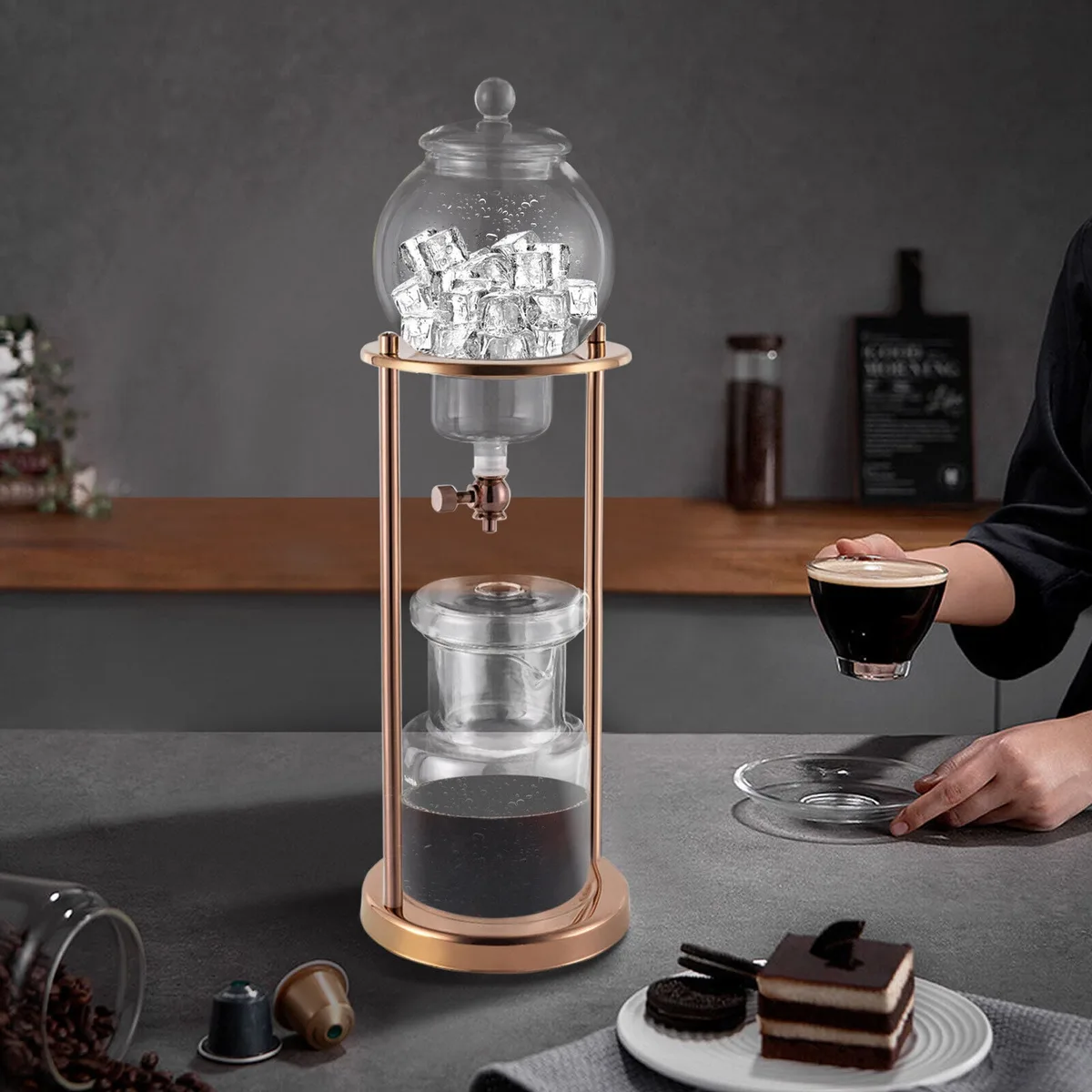
Image source: Bing (Web (fair-use with source credit))
Brewing Stronger Coffee for Iced Success
The secret to great iced coffee from a drip machine is brewing a concentrated batch. This means using more coffee grounds than you typically would for the same amount of water. This concentrated brew acts as a robust base that won't lose its punch when poured over ice.
Manufacturer specifications for many coffee makers suggest using between 1 to 2 tablespoons of coffee grounds per 6 ounces of water for a standard brew, but for iced coffee, we’re pushing that much higher.
Adjusting Your Coffee Grounds
A good starting point is to use approximately double the amount of coffee grounds you’d normally use for your desired volume of coffee. If your standard recipe calls for two scoops of coffee for a full pot, try using four scoops for the same amount of water. This significantly increases the coffee-to-water ratio, resulting in a much more intense brew.
Picking the Right Coffee Roast
While you can use any coffee beans, certain roasts tend to perform better for iced coffee. Medium to dark roasts often yield the richest, boldest flavors that translate well when chilled and diluted by ice. These roasts typically have notes of chocolate, caramel, or nuts, which are wonderfully complementary to iced beverages.
Lighter roasts might end up tasting a bit too thin or acidic when served cold.

Image source: Bing (Web (fair-use with source credit))
The Step-by-Step Brew Process
Making iced coffee with your drip coffee maker is a straightforward process, but it involves a few key differences from your morning routine. The aim is to brew it strong and then cool it down properly before it ever meets ice. This ensures maximum flavor and minimal watering down.
Preparing Your Coffee Maker
Start with a clean coffee maker. Any residual oils or grounds from previous brews can affect the taste of your iced coffee. Make sure the carafe and brew basket are washed and rinsed thoroughly.
Adding Coffee Grounds and Water
This is where we deviate from the norm. Fill your coffee maker’s water reservoir to the desired level, as you normally would for the amount of coffee you want to drink. Then, in the filter basket, add your coffee grounds.
For the strength we’re aiming for, use about double the amount of grounds you'd typically use for that volume of water.
Brewing the Concentrated Coffee
Simply run your coffee maker as you normally would. The machine will brew your extra-strong coffee into the carafe. You'll notice it might look a bit darker and perhaps thicker than your usual brew.
This concentrated coffee is the foundation of your delicious iced beverage.
Crucial Step: Cooling Down Your Brew
Pouring hot coffee directly over ice is the fast track to a watered-down disaster. You must let your brewed coffee cool down significantly before you even think about adding ice. This step is non-negotiable for achieving a good result.
Chilling in the Refrigerator (Best Option)
The ideal method is to let the brewed coffee cool on the counter for about 20, 30 minutes, then transfer it to a pitcher or carafe and store it in the refrigerator. Allowing it to chill thoroughly, ideally for several hours or overnight, ensures it’s cold enough to minimize ice melt. This method preserves the coffee's flavor best.
Speeding Up Cooling with an Ice Bath (Use with Care)
If you're short on time, you can use an ice bath. Pour the hot coffee into a heat-safe pitcher or carafe. Then, place this pitcher inside a larger container or sink filled with cold water and ice cubes.
Stir the coffee occasionally to help it cool faster. Be careful not to let water seep into your coffee. This method can cool the coffee down in about 30, 45 minutes, but it’s essential to ensure it's thoroughly chilled before serving.
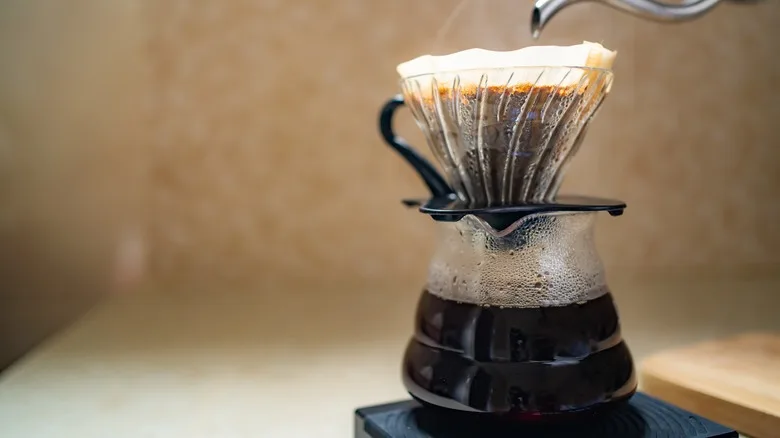
Image source: Bing (Web (fair-use with source credit))
Assembling Your Perfect Iced Coffee
Now that your concentrated coffee is perfectly chilled, it’s time to build your refreshing drink. This is where you can personalize it to your exact liking, whether you prefer it black, with a splash of milk, or sweetened. The steps are simple and lead to a satisfyingly cold beverage.
Filling Your Glass with Ice
Grab your favorite tall glass and fill it generously with ice. The more ice you use, the colder your drink will stay, but also, the more potential there is for dilution. Using plenty of ice is key to keeping the drink cold for a longer period.
Pouring the Chilled Coffee
Carefully pour your thoroughly chilled, strong coffee over the ice in the glass. Fill the glass to about three-quarters full with the coffee, leaving room for any additions you might want to include. Watch how the dark, cold coffee interacts with the ice.
Adding Your Favorite Fixings
This is your moment to customize. Add your preferred sweetener, such as sugar, simple syrup, or a sugar substitute. If you enjoy milk or cream, add a splash or two of your favorite dairy or non-dairy option.
Stir everything together until well combined. The strong coffee base will ensure that even with these additions, the coffee flavor remains prominent. For those who enjoy flavored drinks, adding a pump of vanilla or caramel syrup at this stage is also a great choice.
Pro Tips for Next-Level Iced Coffee
Beyond the basic steps, there are a few insider tricks that can elevate your homemade iced coffee from good to fantastic. These small adjustments can make a noticeable difference in flavor, texture, and overall enjoyment, turning a simple drink into a delightful treat. Thinking about how to get the most out of your brew is where the real fun begins.
Master the Coffee Ice Cube Trick
The ultimate secret weapon for consistently great iced coffee is making your own coffee ice cubes. Brew a batch of coffee, you don't necessarily need it to be super-concentrated for this part, just good, standard-strength coffee. Let it cool, then pour it into ice cube trays and freeze.
The next time you make iced coffee, use these coffee cubes instead of regular ice. As they melt, they release more coffee flavor, preventing that dreaded dilution and ensuring your drink stays strong and delicious from the first sip to the last. This is a simple hack that truly pays off.
The Value of a Chilled Glass
It might seem minor, but chilling your serving glass beforehand can make a surprising difference in how long your iced coffee stays cold. If you have time, pop your glass in the freezer for 10, 15 minutes before you plan to assemble your drink. A cold glass helps to slow down the melting process of the ice inside it, meaning your coffee stays colder for longer and you get more enjoyment from it before it becomes watery.
It’s a small step that adds to the overall refreshing experience.
Exploring Different Coffee Beans
The type of coffee bean you use can significantly impact the final taste of your iced coffee. While dark and medium roasts are excellent choices for their rich, bold flavors that stand up well to ice, don't be afraid to experiment. Some people find that even certain medium-light roasts can offer bright, fruity notes that are enjoyable in iced beverages.
Consider trying single-origin beans to discover unique flavor profiles. For example, a Sumatran bean might offer earthy tones, while a Colombian could bring more balanced sweetness.
Common Mistakes and How to Fix Them
Even with a good guide, sometimes things don't go exactly as planned. Knowing what can go wrong and how to course-correct is part of mastering any recipe, and iced coffee is no different. These are the most common slip-ups, and thankfully, they're usually easy to fix for your next batch.
When Your Coffee is Too Watery
If you find your iced coffee is too weak or watery, it usually means your initial brew wasn't concentrated enough, or it didn't cool down thoroughly before hitting the ice. For your next attempt, increase the amount of coffee grounds you use significantly. Aim for that double-grounds ratio we discussed.
If you’ve already brewed a batch that’s too watery, you can try making a very small, highly concentrated "shot" of coffee by using a minimal amount of water with a good amount of grounds in your maker, then adding this potent coffee to your glass to boost the flavor.
Tackling Bitter Brews
Bitterness in iced coffee can stem from a couple of places. One common culprit is over-extraction, which can happen if your coffee grounds were too fine for the brewing method, or if the coffee brewed for too long. Another cause could be that your coffee maker itself needs a good cleaning; old coffee oils can turn rancid and impart a bitter taste.
To fix this, ensure you're using a coarser grind for your concentrated brew, and always make sure your coffee maker is sparkling clean. If a batch is already bitter, a touch more sweetener or a splash of cream can sometimes help to balance out the harshness.
Frequently Asked Questions (FAQs)
### How much coffee do I need to use for iced coffee?
You'll want to use about double the amount of coffee grounds you normally would for the same amount of water. This creates a concentrated brew that won't become watery when poured over ice. For example, if you use two scoops for a standard pot, try four scoops for iced coffee.
### Can I just brew coffee and pour it over ice immediately?
No, this is the biggest mistake to avoid. Pouring hot coffee directly onto ice will cause the ice to melt rapidly, diluting your coffee and weakening the flavor. Always cool your brewed coffee completely in the refrigerator before serving it over ice.
### How long does it take to cool coffee for iced coffee?
Ideally, let your brewed coffee cool on the counter for 20, 30 minutes, then refrigerate it for several hours or until thoroughly chilled. If you're in a rush, an ice bath can speed up cooling to about 30, 45 minutes, but ensure it's still very cold.
### What kind of coffee beans are best for iced coffee?
Medium to dark roasts are generally recommended. They offer rich, bold flavors with notes like chocolate or caramel that hold up well when chilled and diluted. Lighter roasts might taste too thin or acidic.
Experimenting with different roasts is part of the fun.
### Can I use my regular coffee maker for iced coffee?
Absolutely. A standard drip coffee maker is perfectly capable of making the concentrated brew needed for iced coffee. The key is adjusting the coffee-to-water ratio and ensuring proper cooling.
No special equipment is necessary.