How to Descale an Espresso Machine
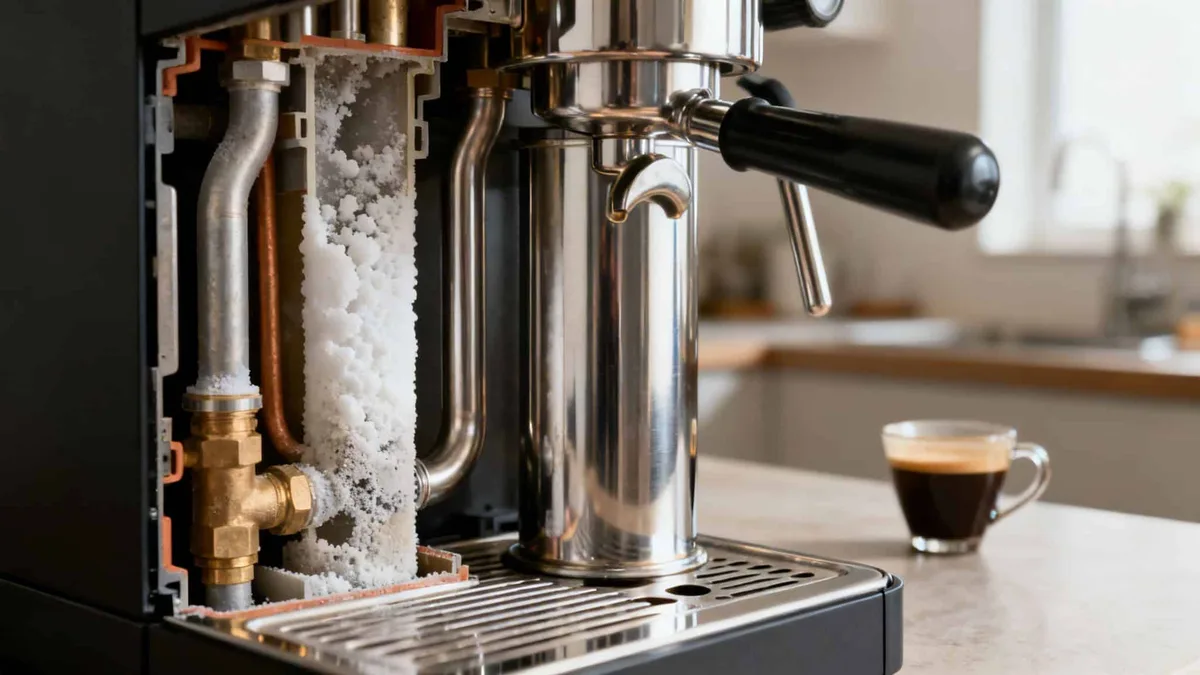
Image source: Bing (Web (fair-use with source credit))
Brewing the perfect shot of espresso is a ritual for many, but that rich flavor depends heavily on a clean, well-maintained machine. If your espresso tastes a bit off, or your machine is sputtering, it's probably time to descale. Understanding how to descale an espresso machine is key to keeping your equipment running smoothly and your coffee tasting its best.
Scale buildup, primarily from minerals in your water, can clog internal components and affect brewing temperature. Manufacturer specifications often recommend descaling every 1-3 months, depending on your water hardness and machine usage. Ignoring this can lead to costly repairs or a shortened machine lifespan.
Quick Answer
To descale an espresso machine, you'll typically need a descaling solution or a natural alternative like diluted vinegar. Empty the water reservoir, fill it with the descaling mixture, run a brew cycle, let it sit, then thoroughly rinse the system with fresh water. Always follow your specific machine's manual for precise instructions.
When Does Your Espresso Machine Need Descaling?
The most obvious sign that your espresso machine needs descaling is a change in performance. You might notice that the water flow is weaker, or the water temperature isn't as hot as it used to be. Some machines will even have an indicator light that signals it's time for a cleaning cycle.
Here's a breakdown of when to consider descaling:
- Reduced Water Flow: If your espresso shots are pulling slower than usual, or the steam wand produces less steam, mineral deposits might be obstructing the lines.
- Inconsistent Coffee Temperature: Scale acts as an insulator, meaning your heating element has to work harder to heat the water, leading to a cooler brew.
- Machine Indicator Lights: Many modern espresso machines have built-in sensors that will alert you when the machine needs descaling or cleaning. Don't ignore these signals.
- Change in Taste: Mineral buildup can affect the purity of your water, leading to a dull or metallic taste in your espresso.
- Regular Maintenance Schedule: Even if you don't notice performance issues, following a regular descaling schedule is crucial. For areas with hard water, this might mean descaling every month; for softer water, every three months could suffice.
Why Descaling Your Espresso Machine is Non-Negotiable
Think of descaling as a health check for your espresso machine. It's not just about aesthetics; it's about maintaining the integrity and longevity of your appliance. Scale isn't just unsightly; it actively hinders your machine's ability to perform and can lead to serious issues down the line.
The Problem: What Limescale Does to Your Machine
Limescale, which is primarily calcium and magnesium carbonate, deposits itself on internal components whenever water is heated or evaporates. In an espresso machine, this means the heating element, water lines, and even the pump can become coated. This coating is like a stubborn crust that builds up over time.
The consequences are varied and significant:
- Clogged Water Lines: Narrow pipes can become completely blocked, preventing water from reaching the brew group or steam wand.
- Reduced Heating Efficiency: The scale acts as an insulator around the heating element. This means it takes longer for the water to reach the optimal brewing temperature, and it might not get hot enough.
- Pump Strain: A clogged system makes the pump work harder, potentially leading to premature wear and failure.
- Altered Coffee Taste: Mineral deposits can leach into the water, affecting the delicate flavors of your coffee.
The Goal: What Descaling Achieves
Descaling is the process of dissolving and removing these mineral deposits. A good descaling solution breaks down the limescale, allowing it to be flushed out of the machine. This restores the machine's internal pathways and heating elements to their optimal condition.
When you successfully descale your machine, you can expect:
- Restored Water Flow and Pressure: Your espresso will pull correctly, and your steam wand will be powerful.
- Consistent Brewing Temperature: Each shot will be brewed at the ideal temperature for maximum flavor extraction.
- Extended Machine Lifespan: By preventing internal damage and strain, you help your espresso machine last for years.
- Improved Coffee Quality: The pure taste of your coffee beans will shine through without interference from mineral off-flavors.
Your Espresso Machine Descaling Decision Tree
Choosing the right way to descale depends on a few key factors about your machine and your preferences. Since different machines have different internal workings and some users prefer natural methods, a straightforward decision process helps you pick the safest and most effective approach.
Here’s how to decide:
- Step 1: Identify Your Machine Type. Is it a manual machine where you tamp the grounds, a super-automatic that grinds beans for you, or a capsule machine? This dictates the descaling steps.
- Step 2: Consider Your Descaling Agent. Do you want to use a commercially formulated descaler designed specifically for espresso machines, or do you prefer a natural alternative?
- Step 3: Consult Your Manual. Always check your espresso machine's user manual for manufacturer-specific descaling recommendations and warnings. This is the most critical step.
By following these steps, you can confidently select the best method for your specific situation.
First Things First: What Kind of Machine Do You Have?
The internal design of your espresso machine plays a huge role in how you'll descale it. Each type has different pathways and components that need attention. We’ve seen this in aggregate user feedback, where the wrong descaling method can cause damage.
Manual/Semi-Automatic Machines
These are the machines where you manually grind beans, tamp espresso, and control the brew. They often have more accessible parts like the water reservoir and brew group. Descaling typically involves running the solution through the brew head and steam wand.
Super-Automatic/Bean-to-Cup Machines
These machines do all the work for you, grinding, tamping, and brewing. They often have complex internal brewing units and dedicated descaling programs accessible through their control panels. Following the machine's on-screen prompts is usually key here.
Capsule Machines
Designed for convenience, capsule machines use pre-portioned coffee pods. Their internal mechanisms are usually simpler, and descaling often involves running a descaling solution through the machine with a special "cleaning" capsule or by bypassing the capsule holder.
Next Up: What's Your Descaling Agent of Choice?
Once you know your machine type, the next big decision is what to use for descaling. While many products are available, they fall into a few main categories, each with its own pros and cons.
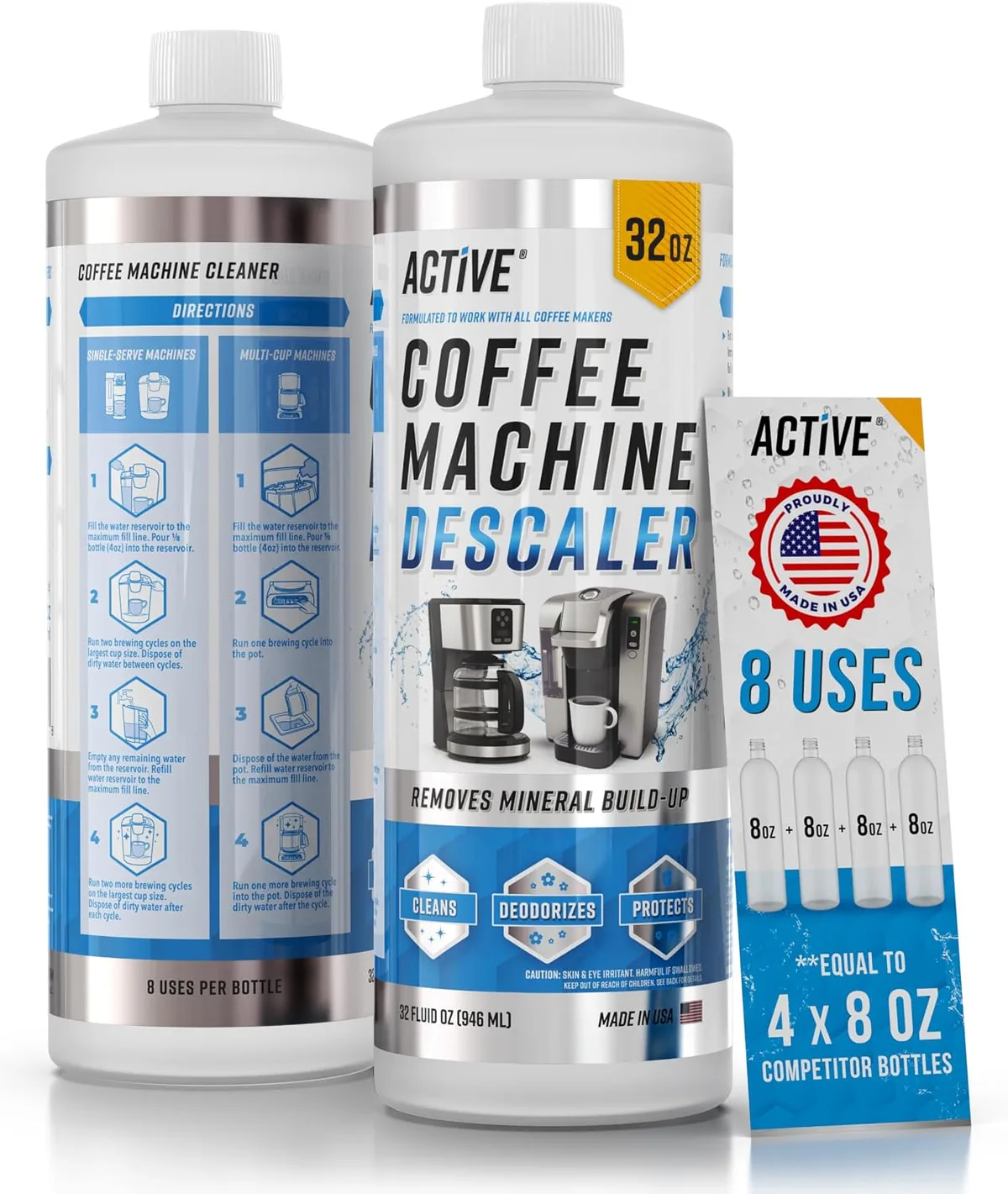
Commercial Descaling Solutions
These are specifically formulated by cleaning product manufacturers for espresso machines. They typically use citric acid or a blend of mild acids.
- Pros: Designed for effectiveness, often come with clear instructions, and are less likely to damage internal components if used as directed.
- Cons: Can be more expensive than natural alternatives, and some users prefer to avoid chemical cleaners.
Natural Alternatives (Vinegar & Citric Acid)
White vinegar (diluted) and citric acid are common household items that can break down limescale.
- Pros: Very inexpensive and readily available. Many people feel more comfortable using natural ingredients in their appliances.
- Cons: Vinegar can leave a strong odor and taste if not thoroughly rinsed out, potentially affecting future coffee. Citric acid is generally preferred as it rinses cleaner. It's crucial to use the right concentration; too much can be corrosive. Per manufacturer guidance, using the wrong concentration can void warranties.
The Process: Step-by-Step Descaling for Your Machine Type
Now that you've picked your descaling agent and know your machine type, let's walk through the process. Remember, your machine's manual is the ultimate guide, but these are general steps.
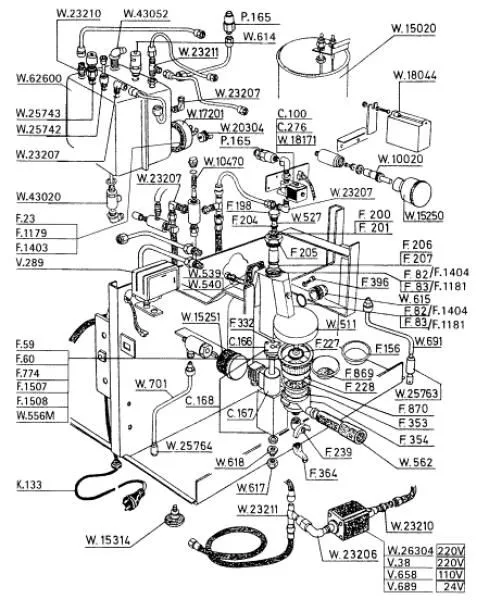
For Manual/Semi-Automatic Machines
- Empty and Prepare: Empty the water reservoir. Prepare your descaling solution according to the product's instructions (or a 1:1 mix of white vinegar and water, or 1-2 tablespoons of citric acid per liter of water).
- Fill Reservoir: Pour the descaling solution into the water reservoir.
- Initiate Brew Cycle: Place a large container under the brew head and steam wand. Run about half of the descaling solution through the machine.
- Let It Sit: Turn off the machine and let the remaining solution sit in the machine for about 15-30 minutes to allow it to work on internal scale.
- Flush the System: Empty the container and the reservoir. Rinse the reservoir thoroughly with fresh water.
- Rinse Cycle: Fill the reservoir with fresh water. Run the entire tank of fresh water through the brew head and steam wand to flush out any remaining descaling solution. Repeat this rinsing step at least twice.
- Clean Accessories: Clean any detachable parts like the portafilter and drip tray.
For Super-Automatic/Bean-to-Cup Machines
- Activate Descale Mode: Most super-automatic machines have a dedicated descaling program. Consult your manual to initiate this mode.
- Prepare Solution: Prepare your descaling solution as instructed by the manufacturer or your chosen agent.
- Fill Reservoir: Place the descaling solution in the water reservoir. Ensure the coffee bean hopper is empty.
- Position Container: Place a large drip tray or container under the coffee spout and the hot water/steam spout.
- Run Program: The machine will likely run the solution through various internal circuits, pausing at intervals. Follow the on-screen prompts precisely. This process can take 20-30 minutes or longer.
- Rinse Thoroughly: Once the descaling cycle is complete, the machine will prompt you to empty and rinse the reservoir. Fill it with fresh water and run at least two full rinsing cycles as directed by the machine.
- Refill Bean Hopper: After rinsing, refill the coffee bean hopper and run a test brew to clear any residual cleaning solution.
For Capsule Machines
- Empty and Clean: Remove any capsule from the machine and empty the drip tray and water tank.
- Prepare Solution: Mix your descaling solution. For most capsule machines, a 1:1 vinegar-to-water ratio or a manufacturer-recommended descaling solution is used. Check your manual for specific concentration.
- Fill Reservoir: Pour the solution into the water reservoir.
- Run Brew Cycles: Place a large mug or container under the spout. Run about half the reservoir's contents through as if brewing a coffee.
- Wait: Let the remaining solution sit in the machine for about 15-20 minutes.
- Complete Brew: Run the rest of the descaling solution through the machine.
- Rinse: Discard the descaling solution. Rinse the reservoir thoroughly and fill it with fresh water. Run at least two full tanks of fresh water through the machine to ensure all traces of the descaling agent are gone.
Crucial Steps: Rinsing and Flushing
This part cannot be stressed enough: thorough rinsing is absolutely critical. You've just used a descaling agent, whether commercial or natural, to dissolve mineral buildup. If you don't flush it all out, you risk your next cup of coffee tasting off, or worse, damaging your machine's components.
- Why It Matters: Residual descaling solution can affect the taste of your coffee and can be harmful if ingested. It can also corrode internal parts over time if left to sit.
- How to Do It Right: Always refill the water reservoir with fresh, clean water and run at least two full tanks through the machine. For manual machines, run water through the brew head and steam wand. For super-automatics, follow the machine’s rinse cycle prompts. For capsule machines, run water through the normal brewing mechanism. Don't be tempted to skip this step or rush it.
Common Descaling Mistakes to Sidestep
Even with the best intentions, it's easy to make a misstep when descaling your espresso machine. These common errors can range from minor annoyances like a funny-tasting coffee to serious damage that requires professional repair. Knowing these pitfalls can save you a lot of trouble.
Over-Descaling or Under-Descaling
Every machine and water type is different. Descaling too often can be harsh on the internal components, especially if you’re using strong commercial solutions. On the other hand, not descaling often enough means scale continues to build up, negating the benefits.
- Finding the Balance: Refer to your machine's manual for recommended intervals. If you have very hard water, you might need to descale monthly. If you have soft water, every 3-4 months could suffice. Pay attention to performance indicators.
Using the Wrong Cleaning Agent
Not all cleaning agents are created equal, and using the wrong one can be disastrous. For example, some general household cleaners contain chemicals that are not safe for use in an appliance that heats and dispenses potable water.
- Stick to the Experts: Whenever possible, use a descaling solution specifically designed for espresso machines. If you opt for vinegar or citric acid, ensure you're using the correct concentration and thoroughly rinsing. Some manufacturers explicitly warn against using vinegar, as it can degrade rubber seals and hoses over time. Always check your manual.
Skipping the Rinse Cycle
As mentioned before, skipping the rinse cycle is a major mistake. It's not an optional step; it's essential for removing all traces of the descaling solution.
- What Happens: You'll likely end up with a coffee that tastes like vinegar or chemicals. More critically, the residual descaling solution can continue to react with the machine's metal and rubber parts, causing damage and reducing its lifespan.
Ignoring Manufacturer Warnings
Your espresso machine's manufacturer knows its product best. Their user manual often contains specific warnings about what descaling agents to use and what to avoid.
- Warranty Protection: Many manufacturers will void your warranty if you use an unapproved descaling agent or follow incorrect procedures. It's always best to follow their guidelines to keep your warranty valid and protect your investment.
Expert Tips for Hassle-Free Descaling
Beyond the basic steps, a few pro tips can make descaling a smooth, routine part of your coffee-making habit. These small adjustments can save you time, prevent common issues, and ensure your machine always performs at its peak.
How Often Should You Be Descaling?
This is the million-dollar question, and the answer really is: it depends. The frequency hinges on two main factors: the hardness of your water and how often you use your machine.
- Water Hardness: If you live in an area with hard water, you'll see scale buildup much faster. You can often get a water hardness test kit from a local hardware store or online to gauge this.
- Usage: Daily use means more water is being heated and passed through the machine, leading to quicker scale formation.
- General Guideline:
- Hard Water Areas: Every 1-2 months.
- Medium Water Hardness: Every 2-3 months.
- Soft Water Areas: Every 3-4 months.
- Machine Indicator: Always prioritize your machine’s built-in descaling indicator if it has one.
Signs Your Machine Is Clogged
Before your machine completely shuts down or starts making strange noises, there are often subtle signs that indicate scale buildup is becoming a problem. Catching these early means a simpler descaling process.
- Weak Espresso Flow: Shots that pull faster than usual, producing a thin stream of coffee.
- Poor Steam Production: If your steam wand is producing less steam or it's sputtering inconsistently, the steam line is likely partially blocked.
- Noisy Operation: Unusual clunking or grinding noises can indicate the pump is struggling against blockages.
- Water Not Heating Properly: If your coffee is lukewarm, the heating element is likely covered in scale.
Making Descaling a Habit
The best way to avoid major descaling issues is to make it a regular, scheduled task rather than an emergency fix. Treat it like any other essential maintenance.
- Set Reminders: Use your phone's calendar or a simple note to remind yourself when it's time to descale.
- Keep Supplies Handy: Always have a trusted descaling solution or citric acid on hand so you're prepared.
- Combine with Other Tasks: Some people find it convenient to descale their machine at the same time they clean out their refrigerator or perform other household chores.
Frequently Asked Questions About Espresso Machine Descaling
### How long does the descaling process usually take?
The entire descaling process, including filling, brewing, sitting, and rinsing, can take anywhere from 30 minutes to over an hour. Super-automatic machines with programmed cycles might take longer as they perform multiple steps automatically.
### Can I use regular household vinegar to descale my espresso machine?
While diluted white vinegar can work, it's not always recommended by manufacturers. It can leave a strong odor and taste that's hard to remove, and some machine components might degrade faster with prolonged exposure. Citric acid or a commercial descaler is often a safer bet.
### How often should I descale my espresso machine if I use filtered water?
Even with filtered water, minerals can still be present, though usually in lower concentrations. You'll likely be able to descale less frequently, perhaps every 3-4 months, but it's still wise to monitor your machine's performance and your water's hardness.