How to Cook Beans in a Pressure Cooker
If you've ever opened a pressure cooker to find beans that are still crunchy in the middle, you know the frustration. Learning how to cook beans in a pressure cooker isn't hard once you understand a few key variables. It's not about luck or some secret trick.
It's about choosing the right bean, the right soak, and the right release method.
As of 2026, most electric pressure cookers max out at 15 PSI, which cuts cook times by up to 70% compared with conventional boiling. That's impressive, but it also means small mistakes turn into bigger ones. The difference between creamy pinto beans and bullet-like pellets often comes down to one simple decision.
Let's walk through each fork in the road.
Why Pressure Cooker Beans Fail (and How to Never Miss Again)
Most pressure cooker bean disasters share a few root causes. The most common is undercooking. Beans need time at full pressure to soften, and the clock starts only after the valve seals.
If you quick-release too early, you're biting into hard centers.

Image source: Bing (Web (fair-use with source credit))
Another culprit is skipping the soak. Unsoaked beans aren't a problem, but they need different timing than soaked beans. Mixing up those times gives you inconsistent texture, like some beans mushy and some still gritty.
Foam is a quieter villain. Lentils and split peas foam a lot. That foam can block the valve and trigger a burn warning on electric models.
Leaving enough headroom in the pot prevents most foam issues.
Data from manufacturer cooking charts and aggregate user experiences show that most failures fall into three categories:
- Timing: wrong cook time for that specific bean
- Liquid ratio: not enough water for the beans to absorb
- Release method: quick-releasing beans that need natural release
Get those three right, and you're most of the way there. The good news is that all three are easy to fix, so let's start with the first decision.
The First Fork in the Road: Soaked vs. Unsoaked Beans
Here's the question that changes everything: do you have time for a soak? If you answered yes, soak your beans overnight. If you answered no, skip the soak and add roughly 10 to 15 minutes of cook time.
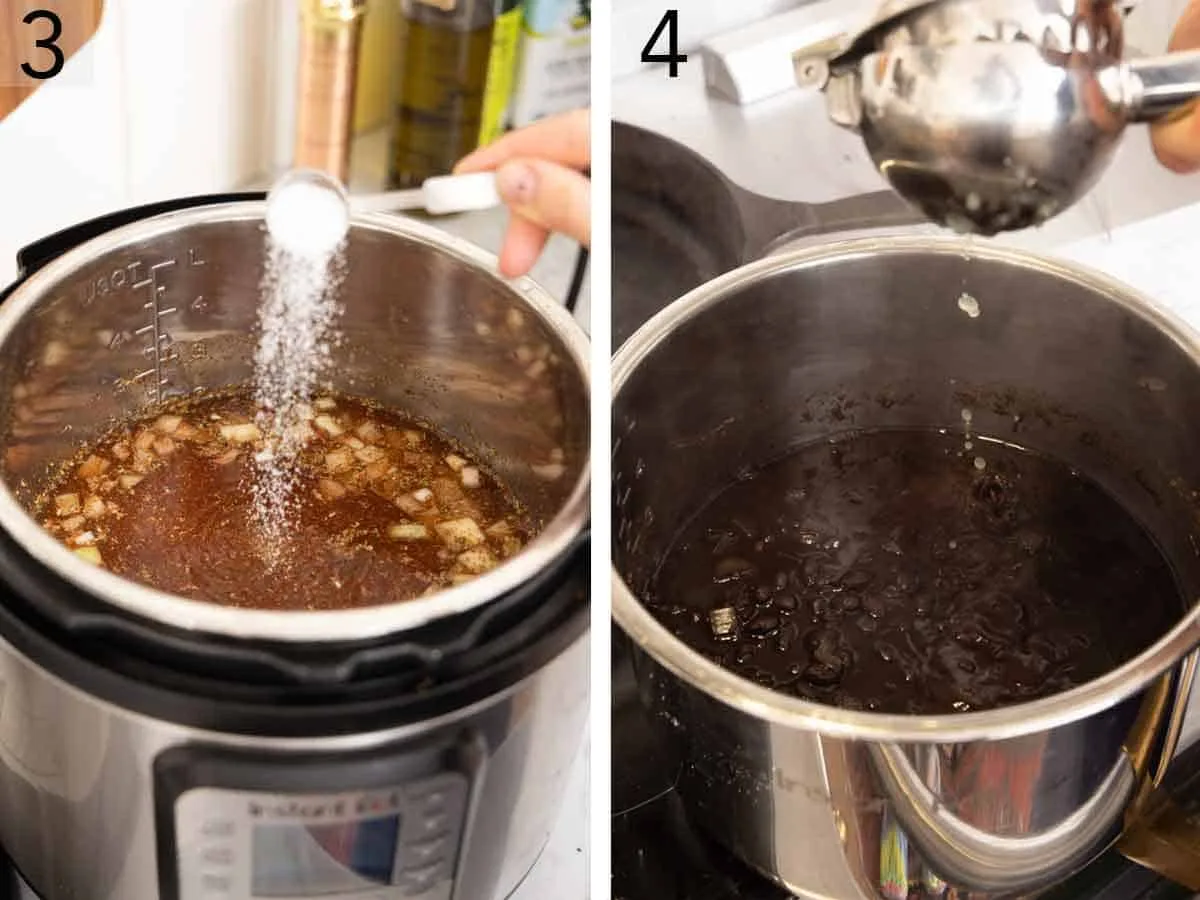
Image source: Bing (Web (fair-use with source credit))
Soaking truth: it shortens the pressure cook time, but it's not required. Modern pressure cookers handle unsoaked beans comfortably. The real difference is texture.
Soaked beans hold their shape better. Unsoaked beans tend to split and become softer.
The quick-soak hack exists too. Boil the beans for two minutes, let them sit for an hour, drain, and cook. It's not as good as overnight, but it beats nothing.
Presoaking also washes away some of the carbohydrates that cause gas. If you're sensitive to bloat, that's a strong reason to plan ahead. But if you forgot, don't stress.
Unsoaked beans still turn out great, they just need more time.
A good starting ratio is 1 part beans to 3 parts water for unsoaked, and 1 part beans to 2 parts water for soaked. That extra water gives the beans room to expand. If you're measuring by weight, a digital kitchen scale keeps the ratio consistent every time.
The Second Fork: Your Bean Type (with Full Cook Time Chart)
Once you've decided on soaked or unsoaked, the next branch is the bean itself. Every bean has its own sweet spot. The cook times below come from manufacturer specifications and USDA food preparation guidelines.
| Bean Type | Unsoaked (min) | Soaked (min) | Water Ratio (Unsoaked) | Water Ratio (Soaked) |
|---|---|---|---|---|
| Black beans | 25–30 | 8–12 | 1:3 | 1:2 |
| Pinto beans | 25–30 | 10–15 | 1:3 | 1:2 |
| Navy / Great Northern | 25–30 | 8–12 | 1:3 | 1:2 |
| Chickpeas (garbanzo) | 35–40 | 12–15 | 1:3 | 1:2 |
| Kidney beans | 25–35 | 10–15 | 1:3 | 1:2 |
| Red lentils | 3–5 | N/A | 1:3 | N/A |
| Green or brown lentils | 8–10 | N/A | 1:3 | N/A |
| Split peas | 10–15 | N/A | 1:3 | N/A |
| Black-eyed peas | 10–15 | 5–8 | 1:3 | 1:2 |
| Lima beans | 20–25 | 8–10 | 1:3 | 1:2 |
| Soybeans | 35–45 | 15–20 | 1:3 | 1:2 |
Note that lentils and split peas never need soaking. Also, if you live above 2,000 feet, add about 5% more time for every 1,000 feet above that. According to the FDA, undercooked kidney beans can contain a toxin that causes severe stomach upset, so always cook them to the full timing above.
Stovetop pressure cookers run at slightly higher PSI, so times are usually similar. Still, check your owner's manual for the final word.
Your Pressure Cooker Bean Playbook: Step-by-Step Decisions
This is the actual workflow. Follow these steps and you'll know exactly what to do when you're staring at a bag of dried beans.
- Sort and rinse. Spread beans on a light surface and pick out small stones or broken ones. Rinse in a strainer under cool water.
- Choose your soak path. If you soaked, go with a 1:2 bean-to-water ratio. If you didn't, use 1:3.
- Add aromatics. Onion, garlic, bay leaf, or a dried chili add flavor. Skip salt for now, since salt can slow softening.
- Seal and set the valve. Set to high pressure. Lock the lid in place.
- Set the timer. Use the chart above for your bean type and soak status.
- Pick the release method. Natural release for large beans like chickpeas and kidney beans. Quick release for lentils, split peas, and small beans.
- Test for doneness. Squeeze a bean between your fingers. It should be creamy with no hard center. If not, pressure cook for another 5 minutes and check again.
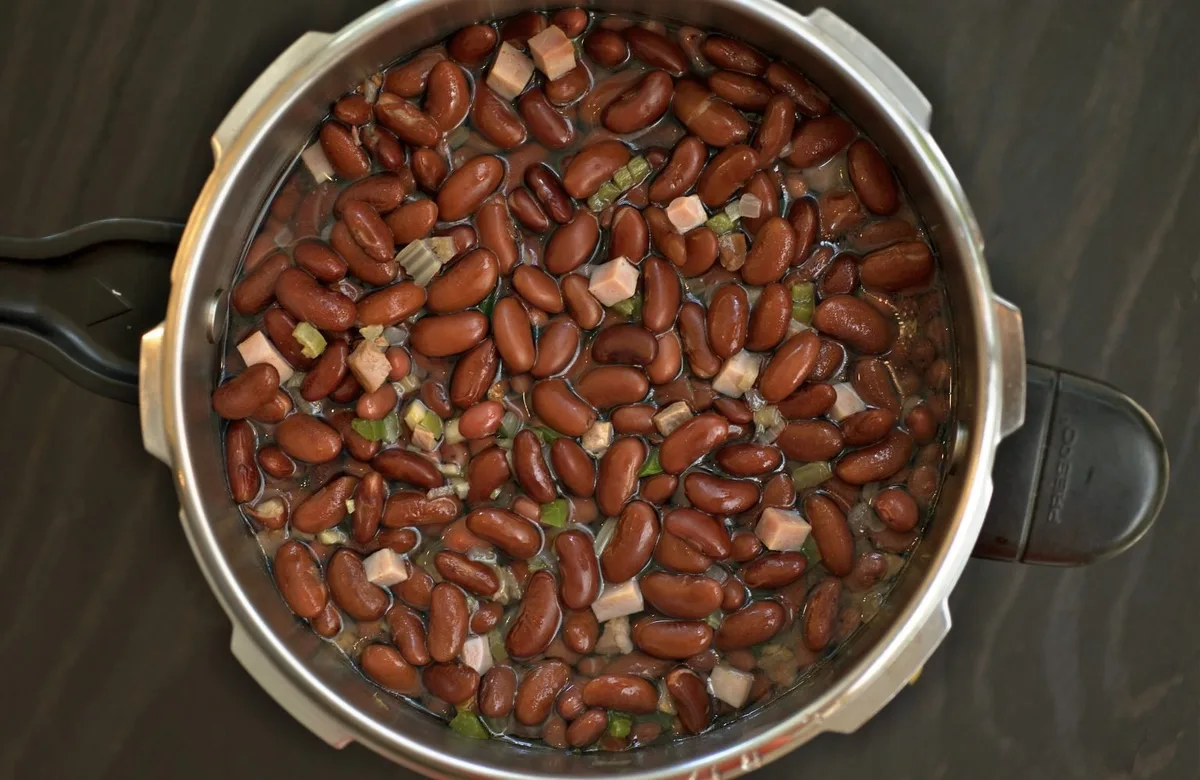
Image source: Bing (Web (fair-use with source credit))
To hit consistent ratios, use a kitchen scale and tare the bowl first. That keeps water amounts precise, even with unfamiliar bean types.
Common Bean-Cooking Mistakes That Trip Everyone Up
Even experienced cooks mess up a batch now and then. These are the mistakes that show up over and over in aggregate reviews:
- Not enough water. Beans expand a lot. If the pressure cooker is dry, it won't reach pressure and you'll get a burn notice.
- Quick-releasing the wrong beans. Large beans need natural release to finish cooking gently. Releasing too fast shocks them into mush.
- Adding acid too early. Tomatoes, vinegar, and wine can keep beans from softening. Add them after cooking for best results.
- Overfilling the pot. Keep the total volume below two-thirds full. Foaming beans like lentils need even more headroom.
- Using old beans. If those dried beans have been in your pantry for years, they might never soften. Fresh dried beans cook faster and taste better.
- Forgetting altitude. Mountain cooks need extra minutes. The lower boiling point means pressure cooking takes slightly longer.
If you're scaling a recipe, weighing your beans and water avoids most ratio mistakes. If your numbers keep coming out wrong, test your kitchen scale to make sure it's accurate.
The Safety Checklist: Kidney Beans, Steam, and Sealing Rings
Pressure cookers are safe when used correctly, but beans add two extra risks: toxins and foam. This checklist covers what actually matters.
- Kidney bean rule: Red kidney beans contain phytohaemagglutinin, a natural toxin. The FDA warns that undercooked kidney beans cause severe nausea and vomiting. Always cook them at high pressure for the full 25-35 minutes, then let them release naturally. Never taste a half-cooked bean to check doneness.
- Steam burns: When releasing pressure, keep your face and hands clear of the vent. Steam is hotter than boiling water. On stovetop models, open the release valve slowly.
- Gasket care: Inspect the sealing ring before every cook. Cracks or stretched rings cause steam leaks and prevent the pot from reaching pressure. Replace a worn ring promptly. Many cooks keep a separate ring for savory dishes so it doesn't hold bean odors.
- Headroom rule: Never fill the pot more than two-thirds full. For foamy beans like lentils, stay under half full. Foam can plug the valve and trigger a burn notice.
Pro-Level Tips for Better Flavor and Texture
If you want beans that taste like they came from a good restaurant, a few small details make a big difference.
- Salt strategy: Salt added at the start can slow softening. In our research, up to 1 teaspoon per pound is safe and improves flavor. More than that, and you risk hard beans. When in doubt, salt after cooking.
- Aromatics that earn their place: A bay leaf, garlic cloves, half an onion, and a strip of kombu. Kombu adds minerals and helps with digestibility. Dried oregano or cumin works well for black beans.
- Save the liquid: Beans stored in their cooking liquid stay creamy and moist. Use that liquid for soups, stews, or cooking rice. It carries so much flavor that throwing it away feels wasteful.
- Freeze in batches: On a meal prep day, freeze beans in 2-cup portions. Add a little liquid to the bag so they don't dry out. Thaw overnight and reheat gently.
- Scale precision: When scaling a recipe, a reliable scale matters. If your ratios feel off batch after batch, checking the scale's calibration is a quick fix that eliminates one variable.
Frequently Asked Questions
Do I really need to soak beans before pressure cooking?
Not strictly. Unsoaked beans cook perfectly in a pressure cooker, just longer. Soaking shortens cook time, improves texture, and helps digestion.
If you forgot to soak, add 10-15 minutes to the chart times above.
Why are my pressure cooker beans still hard?
Undercooked beans usually mean the timer ran too short, the pressure never sealed, or the beans are old. Add 5 minutes and run the cycle again. Also, high-acid ingredients like tomatoes or vinegar added at the start can block softening.
Can I cook lentils and beans together in a pressure cooker?
Yes, but only if they share a cook time. Red lentils finish in 3-5 minutes, so they won't work with pinto beans. Cook the beans first, then add lentils for the final few minutes.
Can I use the bean cooking liquid for other dishes?
Absolutely. It's packed with flavor and thickens soups naturally. Use it as a base for stews, or cook rice and grains in it instead of water.
How long do pressure-cooked beans last in the fridge?
Cooked beans stay good for 3-5 days in an airtight container. They also freeze beautifully for 3-6 months. When refrigerating, keep them submerged in liquid to avoid drying out.
Is it safe to cook red kidney beans in a pressure cooker?
Yes, as long as they're fully cooked at high pressure for the full time. The pressure cooker reaches well above boiling point, which neutralizes the toxin. Never cook raw kidney beans in a slow cooker, since it barely boils and may not get hot enough.