CTEK MXS 5.0 Vs NOCO Genius10: Best Charger Compared
The CTEK MXS 5.0 suits lead-acid care, while the NOCO Genius10 offers faster, broader charging.
Choosing between the CTEK MXS 5.0 vs NOCO Genius10 depends on your battery type, charging speed needs, and preferred features. Both are smart battery chargers, but they use different strengths to solve the same problem: keeping a 12-volt battery healthy, full, and ready to start. This guide compares their charging programs, safety features, battery support, real-world use, and value so you can buy with confidence.

CTEK MXS 5.0 vs NOCO Genius10 at a glance
The CTEK MXS 5.0 is a 5-amp smart charger designed mainly for 12-volt lead-acid batteries. It is known for gentle charging, battery maintenance, and its useful reconditioning mode.
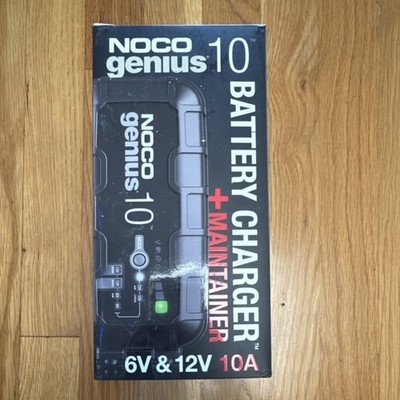
The NOCO Genius10 is a 10-amp smart charger for 6-volt and 12-volt batteries. It supports lead-acid batteries and 12-volt lithium batteries with a battery management system, commonly called a BMS.
| Feature | CTEK MXS 5.0 | NOCO Genius10 |
|---|---|---|
| Charging voltage | 12 volts | 6 volts and 12 volts |
| Maximum charging current | 5 amps | 10 amps |
| Main battery types | Lead-acid, AGM, and some calcium batteries | Lead-acid, AGM, deep-cycle, and 12-volt lithium |
| Lithium support | No | Yes, for compatible LiFePO4 batteries |
| Reconditioning mode | Yes | Yes, through repair mode |
| Supply mode | Available on some versions and markets | No dedicated 13.6-volt power supply mode |
| Battery size guidance | Best for small to medium batteries | Better for medium to large batteries |
| Maintenance charging | Excellent | Excellent |
| Water and dust protection | IP65 on common versions | IP65 |
| Best known for | Gentle, structured battery care | Speed, power, and wide compatibility |
The CTEK MXS 5.0 vs NOCO Genius10 comparison is not simply about which charger has more amps. A charger should match the battery chemistry, vehicle use, storage time, and amount of control you want.
Charging power and speed
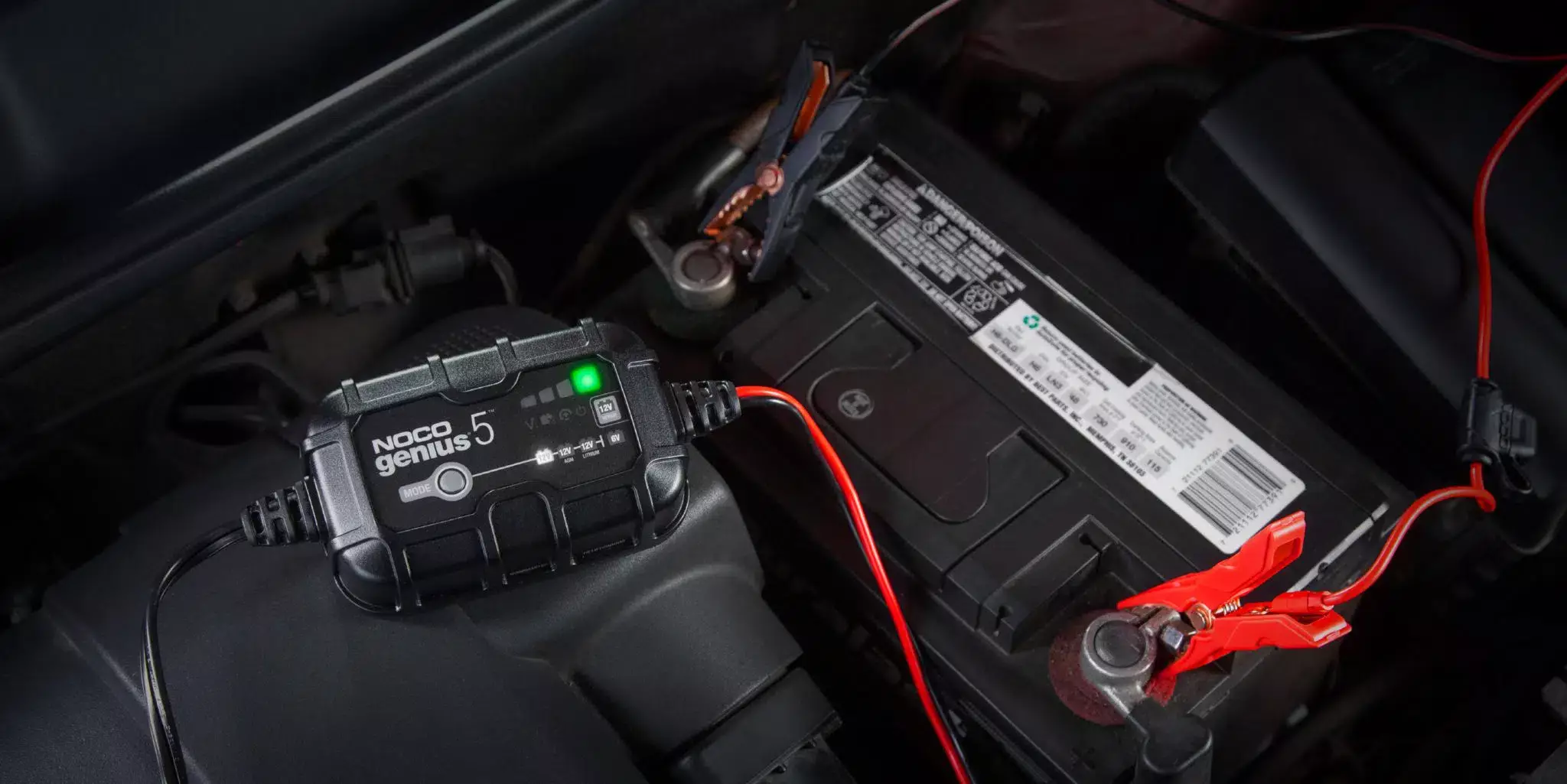
The biggest hardware difference is output power. The CTEK MXS 5.0 delivers up to 5 amps, while the NOCO Genius10 delivers up to 10 amps on a 12-volt battery.
In basic terms, the NOCO can put energy into a battery about twice as quickly under similar conditions. Charging speed will still vary because smart chargers reduce current as the battery becomes full.
For example, a healthy 60 amp-hour car battery that is partly discharged may take several hours with either charger. The NOCO Genius10 will usually finish sooner. The CTEK MXS 5.0 may take longer, but its lower current can be a good fit for long, gentle charging.
A simple estimate looks like this:
- Divide the battery capacity by the charger’s rated current.
- Add extra time for charging losses and the final absorption stage.
- Expect a deeply discharged battery to take longer than the estimate suggests.
A 60 amp-hour battery is not charged in exactly 12 hours with a 5-amp charger. Smart charging is not a straight line. The charger first restores the battery, then carefully lowers current near full charge.
In my experience comparing chargers in garages and workshops, people often buy more power than they need. That is not harmful when the charger is properly designed, but it may add cost without improving long-term battery life. For a daily driver that sits overnight, 5 amps is often enough. For a large SUV, truck, boat, or motorhome battery, 10 amps is more practical.

Battery compatibility
Battery chemistry is one of the most important parts of the CTEK MXS 5.0 vs NOCO Genius10 decision.
The CTEK MXS 5.0 is designed for 12-volt lead-acid batteries. That includes many standard flooded batteries, maintenance-free batteries, AGM batteries, and some calcium batteries. It is not designed to charge modern 12-volt lithium iron phosphate batteries.
The NOCO Genius10 supports more battery types. Depending on the selected mode, it can charge:
• Standard wet-cell lead-acid batteries
• Maintenance-free batteries
• AGM batteries
• Gel batteries
• Deep-cycle lead-acid batteries
• 12-volt lithium-ion batteries with a suitable BMS
Lithium support needs careful attention. “Lithium” does not mean every lithium battery is safe to charge with the NOCO. The battery must be a compatible 12-volt LiFePO4 battery with the right internal protection system. Always follow the battery maker’s instructions.
The CTEK MXS 5.0 vs NOCO Genius10 choice is easy if you own a lithium battery. The NOCO is the better match. If you only use lead-acid batteries, both chargers are suitable, and other factors become more important.

Smart charging programs
Both chargers use automatic charging stages. These stages adjust the current and voltage as the battery changes.
The CTEK MXS 5.0 uses an eight-step charging process on common versions. Its program can include:
• Desulfation to help address certain forms of lead-sulfate buildup
• Soft start for batteries that need a gentle beginning
• Bulk charging to restore most of the battery’s energy
• Absorption charging to finish the charge
• Analysis to check whether the battery can hold power
• Reconditioning for some deeply discharged lead-acid batteries
• Float charging for long-term maintenance
• Pulse maintenance to keep the battery near full
The exact behavior depends on the selected mode. The normal program is suitable for many lead-acid batteries, while the AGM setting uses a different charging profile for compatible AGM designs.
The NOCO Genius10 also monitors the battery and changes its output automatically. Its modes may include:
• 6-volt charging
• 12-volt charging
• AGM charging
• Lithium charging
• Repair mode
• Maintenance charging
• Force mode for some very low-voltage batteries
The NOCO’s force mode can help detect batteries that are too low for normal automatic recognition. This feature should be used with care. A battery that reads almost zero volts may be damaged, shorted, or frozen. Charging it without testing can be unsafe.
Reconditioning and repair features
Lead-acid batteries can lose usable capacity when they remain partly charged for long periods. This process is often linked with sulfation. A reconditioning mode may help some batteries, but it cannot restore every old or damaged battery.
The CTEK MXS 5.0 includes a reconditioning program for suitable lead-acid batteries. It raises the charging voltage in a controlled way to help mix the electrolyte in certain flooded batteries and address some charging problems.
The NOCO Genius10 uses a repair mode for certain lead-acid batteries. It can apply a higher voltage cycle to help recover a battery that has been deeply discharged or has signs of sulfation.
Neither feature is magic. A battery with a bad cell, cracked case, heavy corrosion, or severe plate damage usually needs replacement. A charger cannot repair physical damage.
One mistake I have seen many vehicle owners make is running repair mode repeatedly on a battery that is already failing. They see a temporary voltage increase and assume the battery is healthy. The better test is to charge the battery fully, let it rest, and then check its resting voltage and performance under load.

Ease of use
The CTEK MXS 5.0 has a simple interface with a small number of buttons and indicator lights. You choose the charging mode, connect the clamps or eyelet leads, and let the charger work.
Its standard procedure is straightforward:
- Connect the red lead to the positive battery terminal.
- Connect the black lead to the negative terminal or a suitable chassis ground.
- Plug the charger into a wall outlet.
- Select the correct charging mode.
- Check the indicator lights during the charge.
The NOCO Genius10 uses a similar process, but it provides more mode choices. That flexibility is useful when you own several vehicle types. It can also make the first setup feel less simple.
A clear display or indicator does not replace basic battery safety. Check the battery label before selecting AGM, lithium, 6-volt, or repair mode. Choosing the wrong chemistry can cause poor charging or damage.
For someone who wants a “connect it and forget it” charger for a classic car, the CTEK often feels more focused. For someone who wants one charger for a car, motorcycle, lawn tractor, boat, and lithium battery, the NOCO offers more options.

Safety and build quality
Both chargers are built for garage and outdoor maintenance use when protected from direct weather. Common versions carry an IP65 rating, which means they resist dust and low-pressure water spray. They should not be submerged or left in heavy rain.
Both models include automatic protection features. These may include safeguards against:
• Reverse polarity
• Sparks during connection
• Short circuits
• Overheating
• Overcharging
• Incorrect battery selection
The CTEK MXS 5.0 is well regarded for its stable, controlled charging process. Its indicator system also helps show whether the battery is charging, fully charged, or failing the analysis stage.
The NOCO Genius10 has a rugged case and strong cable design. Its higher output creates more heat, so keep ventilation around the charger and battery. Never charge a frozen, leaking, swollen, or visibly damaged battery.
Always charge in a ventilated area. Lead-acid batteries can release hydrogen gas, which is flammable. Keep sparks, cigarettes, and open flames away from the battery.
Which charger is better for cars?
For a normal gasoline or diesel car with a 12-volt lead-acid battery, both chargers can work well.
The CTEK MXS 5.0 is a strong choice when the car is stored for weeks or months. Its maintenance program is gentle and well suited to classic cars, weekend vehicles, and seasonal drivers.
The NOCO Genius10 is better when you want faster charging. It is also useful for vehicles with larger batteries, frequent starts, or accessories that place more demand on the electrical system.
The CTEK MXS 5.0 vs NOCO Genius10 result for a typical car depends on your routine:
• Choose CTEK for long-term maintenance and a simple lead-acid setup.
• Choose NOCO for faster charging and wider battery support.
• Choose either one if your main goal is safe overnight charging.
A charger is not a substitute for a failing alternator. If a battery keeps going flat while driving, test the charging system and check for parasitic drain.

Which charger is better for motorcycles and powersports?
Motorcycle batteries are smaller, so a high-current charger is not always necessary. The CTEK MXS 5.0 can charge many motorcycle lead-acid and AGM batteries, but you should check the battery maker’s recommended charging current.
The NOCO Genius10 can also charge motorcycle batteries, but its 10-amp capacity may be more than a small battery needs. The charger controls current automatically, yet the correct mode and connection remain important.
For a motorcycle stored over winter, a dedicated maintenance lead or eyelet connection is convenient. Keep the charger dry, make sure the battery is in a safe condition, and inspect the connection from time to time.
If your powersports vehicle uses a lithium battery, the NOCO has a clear advantage. Confirm that the battery is a compatible 12-volt LiFePO4 model before using lithium mode.
Which charger is better for boats, trucks, and RVs?
Large vehicles often use batteries with higher amp-hour ratings. They may also have deep-cycle batteries that need more charging time.
The NOCO Genius10 is generally the better option for larger batteries because its 10-amp output can reduce charging time. It also supports deep-cycle lead-acid batteries and some lithium batteries used in marine and recreational applications.
The CTEK MXS 5.0 can maintain a larger battery after it reaches full charge, but it may take much longer to recover a deeply discharged battery. It is better suited to smaller systems or long-term maintenance.
For an RV with multiple batteries, neither charger should be connected casually across a complex bank. Confirm whether the batteries are wired in series or parallel, check the total voltage, and follow the battery manufacturer’s instructions.
CTEK MXS 5.0 vs NOCO Genius10 for battery maintenance
Maintenance charging keeps a battery near full without continuous overcharging. This is useful because lead-acid batteries can slowly discharge while parked. Vehicle computers, alarms, clocks, and keyless entry systems all use small amounts of power.
The CTEK MXS 5.0 has a strong reputation in this area. Its float and pulse stages are designed for long-term connection when the battery and electrical system are suitable.
The NOCO Genius10 also supports automatic maintenance. After the battery reaches full charge, it monitors the voltage and supplies power as needed.
For a stored classic car, either charger can help prevent a dead battery. The best choice often comes down to whether you value the CTEK’s focused battery-care program or the NOCO’s faster output and broader compatibility.
Do not assume every vehicle can remain connected forever without supervision. Inspect the charger, cables, battery case, and plug from time to time. Stop immediately if you notice heat, odor, swelling, or leakage.
Price and value
Prices change by retailer, promotions, and included accessories. The NOCO Genius10 often costs more than basic 5-amp chargers, but its higher output and lithium support can justify the price for some owners.
The CTEK MXS 5.0 may offer better value if you only need a high-quality 12-volt lead-acid maintainer. Its extra charging modes are useful for owners who care about battery storage and recovery.
Consider the cost of the wrong charger as well. Buying a cheaper charger that does not support your battery chemistry can create more trouble than it saves.
Before buying, compare:
• Battery chemistry
• Battery voltage
• Battery size
• Desired charging speed
• Included clamps and eyelet cables
• Warranty terms
• Local plug and voltage requirements
The CTEK MXS 5.0 vs NOCO Genius10 value decision should be based on years of use, not only the price on the day you shop.
Common mistakes to avoid
Even a smart charger needs correct setup. Most charging problems come from using the wrong mode or trying to save a battery that is already damaged.
Avoid these common mistakes:
• Selecting 6-volt mode for a 12-volt battery
• Selecting lithium mode for a lead-acid battery
• Using repair mode as a normal charging mode
• Charging a frozen or swollen battery
• Leaving cables near belts, fans, or hot exhaust parts
• Connecting to dirty or loose terminals
• Charging in a sealed room
• Assuming a full voltage reading proves the battery is healthy
• Using a damaged extension cord or charger cable
A clean connection matters. Corrosion creates resistance and can make the charger appear to behave strangely. Clean the terminals safely, then reconnect the charger according to the manual.
One practical lesson is worth repeating: if the charger repeatedly enters fault mode, test the battery rather than forcing the process. A smart charger may be warning you that the battery has reached the end of its useful life.
How to choose between them
Use this simple decision guide:
- Choose the CTEK MXS 5.0 if you mainly charge 12-volt lead-acid batteries.
- Choose the CTEK if long-term maintenance is your main goal.
- Choose the NOCO Genius10 if you need 6-volt and 12-volt charging.
- Choose the NOCO if you own a compatible 12-volt lithium battery.
- Choose the NOCO if faster charging matters.
- Choose either model if you need safe automatic charging for a normal car battery.
- Check the battery label and manual before making the final choice.
The CTEK MXS 5.0 vs NOCO Genius10 comparison has no universal winner. The right charger is the one that matches your battery and your habits.
Frequently Asked Questions of CTEK MXS 5.0 vs NOCO Genius10
Is the NOCO Genius10 better than the CTEK MXS 5.0?
The NOCO Genius10 is better for faster charging, 6-volt batteries, and compatible 12-volt lithium batteries. The CTEK MXS 5.0 is an excellent choice for gentle charging and long-term maintenance of 12-volt lead-acid batteries.
Can the CTEK MXS 5.0 charge an AGM battery?
Yes, the CTEK MXS 5.0 includes an AGM setting on common versions. Select the AGM mode only when the battery label or manufacturer confirms that the battery is AGM.
Can the NOCO Genius10 charge a lithium battery?
Yes, it can charge compatible 12-volt lithium iron phosphate batteries with a suitable battery management system. Do not use lithium mode on an unsupported lithium chemistry or on a lead-acid battery.
Which charger charges a car battery faster?
The NOCO Genius10 has twice the rated output of the CTEK MXS 5.0, so it will generally charge a similar battery faster. The actual time depends on battery size, condition, temperature, and the charger’s automatic charging stage.
Can either charger maintain a battery all winter?
Yes, both chargers are designed to maintain suitable batteries after reaching full charge. Use them in a dry, ventilated area and inspect the battery and cables during long storage.
Can these chargers revive a completely dead battery?
They may help a deeply discharged battery if it is still structurally sound. Neither charger can repair a battery with a shorted cell, severe plate damage, leakage, swelling, or other physical failure.
Is the CTEK MXS 5.0 suitable for a motorcycle?
It can be suitable for many 12-volt motorcycle lead-acid and AGM batteries. Check the motorcycle battery maker’s guidance because a small battery may have a lower recommended charging current.
Do these chargers need to be disconnected when the battery is full?
Their automatic maintenance modes are designed to remain connected when used correctly. Still, inspect the setup regularly and disconnect it if the battery becomes hot, swollen, damaged, or shows any unusual smell.
Conclusion
The CTEK MXS 5.0 and NOCO Genius10 are both capable smart chargers, but they serve slightly different owners. The CTEK focuses on careful 12-volt lead-acid charging, reconditioning, and long-term maintenance. The NOCO adds twice the charging power, 6-volt support, and compatibility with suitable 12-volt lithium batteries.
Choose the CTEK MXS 5.0 for a classic car, stored vehicle, motorcycle, or standard lead-acid battery that needs gentle care. Choose the NOCO Genius10 for faster charging, larger batteries, mixed vehicle types, or compatible lithium power.
Check your battery label first, then match the charger to its chemistry and voltage. That small step can protect your battery, reduce charging time, and prevent an expensive mistake. Share your vehicle and battery type in the comments to help other readers make the right choice.