CTEK MXS 5.0 Vs Schumacher SC1281: Best Battery Charger?
CTEK MXS 5.0 offers better battery care, while Schumacher SC1281 delivers faster charging and engine-start power.
Choosing between the CTEK MXS 5.0 vs Schumacher SC1281 depends on what your battery needs most: gentle long-term maintenance or strong, fast charging. After comparing their charging stages, safety features, battery support, and real-world use cases, the difference becomes clear. One is a precision battery maintainer, while the other is a more powerful garage charger with engine-start support.
CTEK MXS 5.0 vs Schumacher SC1281: Quick Comparison
The CTEK MXS 5.0 and Schumacher SC1281 both charge 12-volt batteries, but they serve different users. The CTEK focuses on battery health, accurate charging, and long-term maintenance. The Schumacher adds higher output and starting assistance for drivers who need more power in less time.
| Feature | CTEK MXS 5.0 | Schumacher SC1281 |
|---|---|---|
| Main purpose | Smart charging and battery maintenance | Charging, boosting, and engine starting |
| Battery voltage | 12V | 6V and 12V |
| Charging style | Multi-stage automatic charging | Automatic microprocessor-controlled charging |
| Maximum regular charge | Up to 5A | Commonly listed around 6A, depending on mode |
| Engine start function | No | Yes, up to 100A on many versions |
| Battery repair mode | Recond mode | No comparable dedicated reconditioning cycle |
| AGM support | Yes | Supports many standard and AGM batteries, depending on model instructions |
| Best for | Cars, motorcycles, stored vehicles, AGM batteries | Cars, trucks, farm equipment, and emergency starting |
| Portability | Compact and lightweight | Larger and heavier |
| Long-term maintenance | Excellent | Good, but less specialized |
| 6V battery support | No | Yes |
| Warranty and design focus | Premium battery care | Versatile garage charging |
The CTEK MXS 5.0 vs Schumacher SC1281 comparison is not simply a contest between “better” and “worse.” It is more like comparing a precision thermostat with a powerful workshop tool. The right choice depends on whether you want maximum battery protection or extra charging and starting power.

CTEK MXS 5.0 Overview
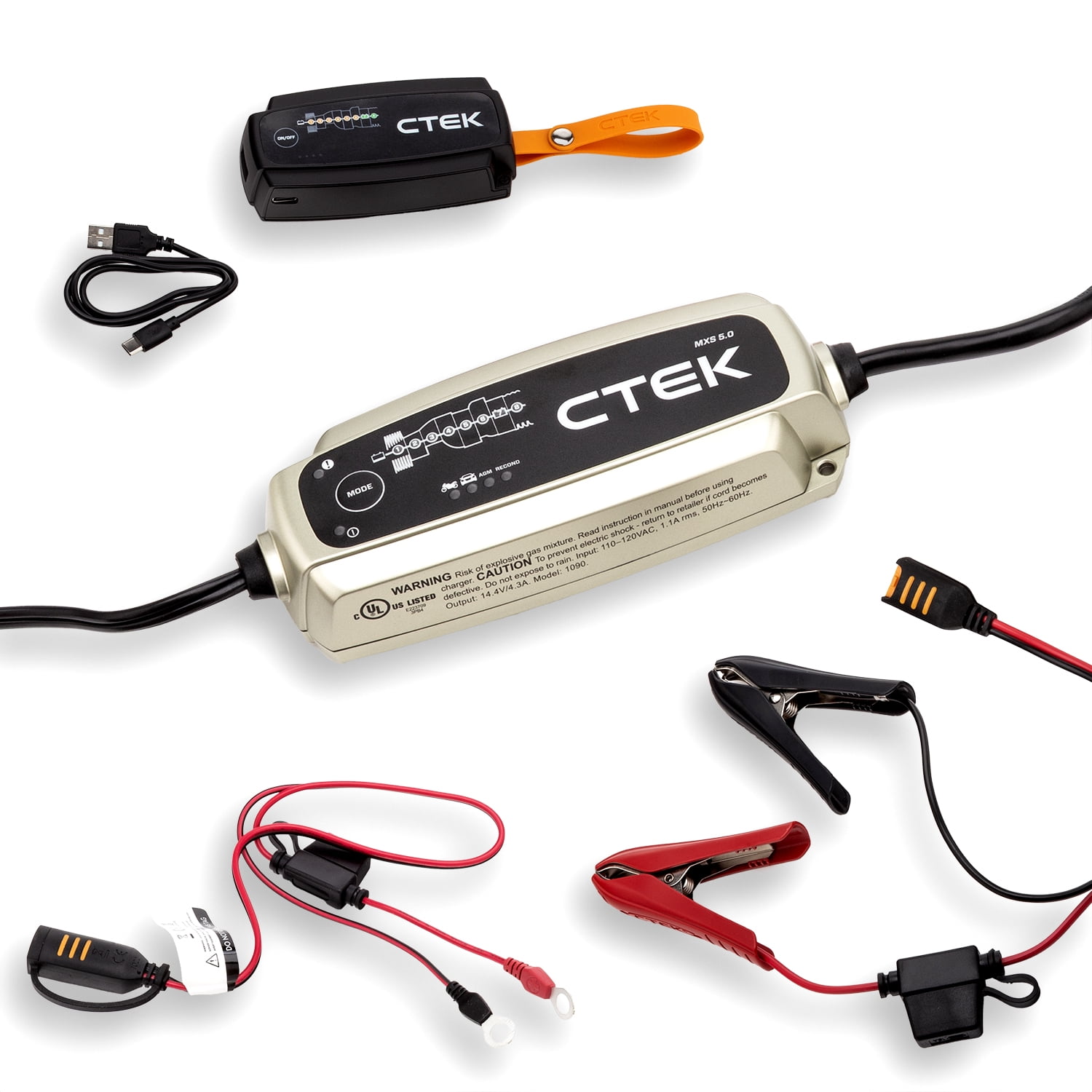
The CTEK MXS 5.0 is a smart 12V battery charger designed for cars, motorcycles, recreational vehicles, and other vehicles with lead-acid batteries. It uses a multi-step charging process that checks the battery, raises its charge safely, and then maintains it without constant user input.
Its standard charging output is 5 amps. That is enough for many automotive batteries, though it is not designed to start a dead engine. It is also a popular choice for seasonal vehicles because it can remain connected for long periods when used correctly.
Main CTEK MXS 5.0 features
• Eight-step automatic charging program for controlled battery care
• Normal and small-battery charging modes
• AGM mode for compatible AGM batteries
• Recond mode for some deeply discharged or stratified lead-acid batteries
• Float and pulse maintenance stages
• Reverse-polarity and short-circuit protection
• Spark-free connection design
• Compact housing with an IP65 rating on many versions
• Temperature compensation through an included sensor on supported units
The CTEK MXS 5.0 is especially strong at maintaining a battery. Its maintenance mode does not simply push power into the battery all day. Instead, it monitors the battery and applies charge as needed. This helps reduce the risk of overcharging during storage.
One important limitation is its 5A output. A large truck battery may take many hours to charge. A badly damaged battery may also fail the charger’s initial tests and refuse to charge. That is often a sign of a battery problem, not a fault with the charger.
Schumacher SC1281 Overview
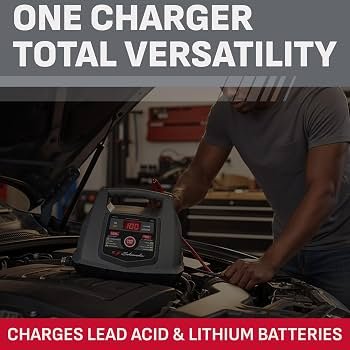
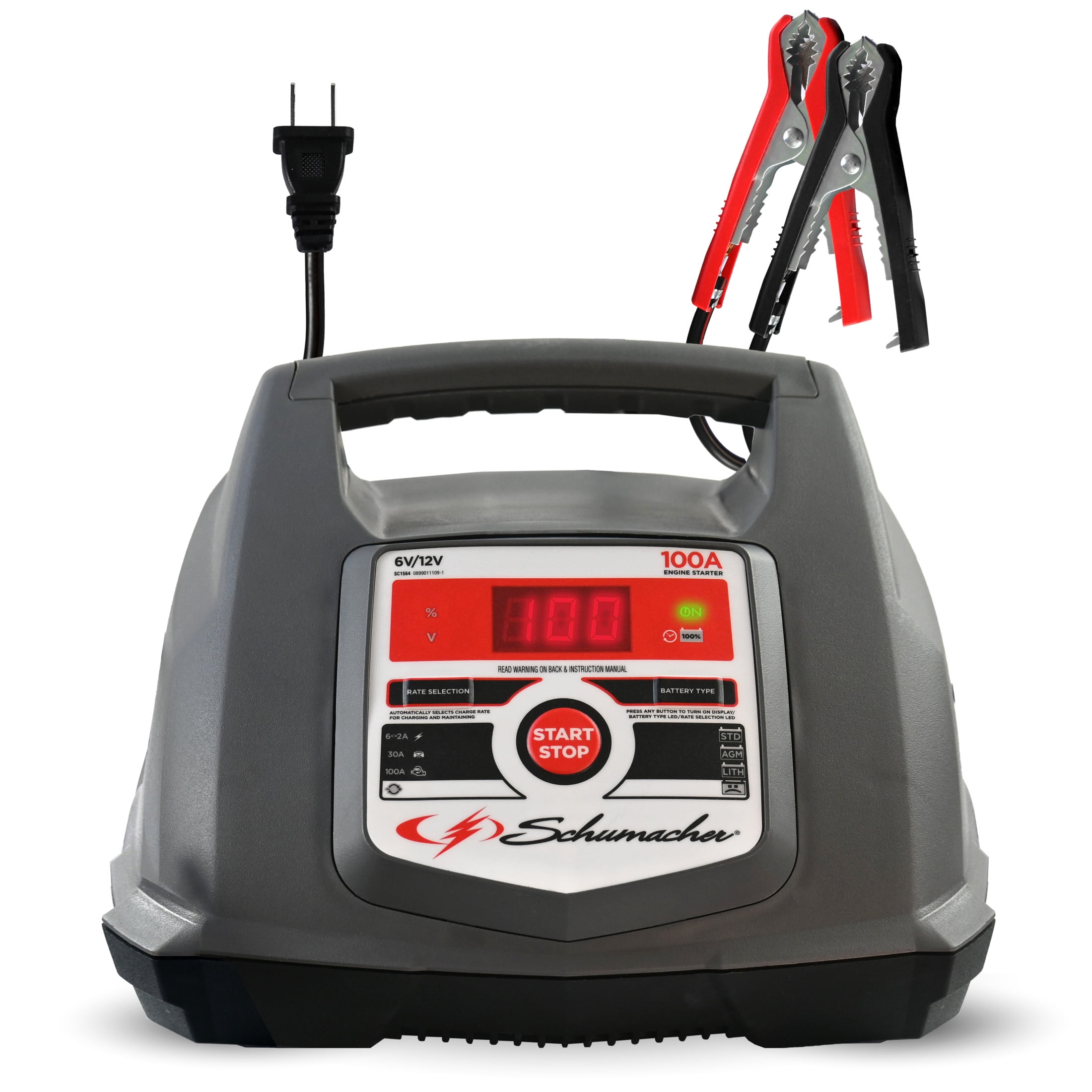
The Schumacher SC1281 is a multi-purpose automatic charger and engine starter. It is designed for drivers who want more than a battery maintainer. Depending on the selected mode and model version, it can charge 6V or 12V batteries and provide a high-current engine-start function.
Many listings describe the SC1281 with a 30A boost setting and a 100A engine-start output. It also includes lower charging and maintenance modes. Because product specifications can vary by market or production revision, check the label and owner’s manual before relying on a specific amperage.
Main Schumacher SC1281 features
• Automatic 6V and 12V battery detection or selection
• Microprocessor-controlled charging
• Higher charging output than the CTEK MXS 5.0 in common modes
• Engine-start assistance on supported models
• Boost function for faster charging
• Alternator test function on many versions
• Digital display or status indicators
• Protection against reversed connections and improper operation
The Schumacher SC1281 is useful in a home garage where several types of vehicles need service. Its 6V setting can also help owners of older equipment, classic vehicles, and certain lawn or utility machines.
Still, an engine-start setting is not the same as a portable jump starter. It usually requires a strong AC power connection and proper cable placement. It should be used only as directed, with the charger connected to a suitable battery.

Charging Performance Compared
Charging speed is one of the biggest differences in the CTEK MXS 5.0 vs Schumacher SC1281 debate. The CTEK supplies up to 5A in its normal high-output mode. The Schumacher typically offers a slightly higher regular charge and much stronger boost settings.
For a healthy 60Ah car battery, both chargers can work well. A simple estimate helps explain the timing:
-
A 60Ah battery does not accept every amp continuously.
-
Charging slows as the battery nears full capacity.
-
A 5A charger may need roughly 12 to 18 hours for a deeply discharged battery.
-
A higher-output Schumacher mode may reduce the time, but it still will not charge at its advertised peak for the entire cycle.
These estimates are not guarantees. Battery age, temperature, state of charge, internal resistance, and vehicle electronics all affect charging time.
The CTEK MXS 5.0 wins when slow, controlled charging is acceptable. The Schumacher SC1281 wins when a battery needs more immediate help. However, faster charging is not always better. High current creates more heat and can place greater stress on an old or damaged battery.
Which charger is better for a dead battery?
The answer depends on what “dead” means. If the battery is only discharged because a light was left on, either charger may recover it. If the battery has a shorted cell, severe sulfation, or internal damage, neither charger can turn it into a reliable battery.
The Schumacher has a clear advantage when the goal is to get a vehicle started soon. The CTEK has an advantage when the goal is to restore and maintain a battery over time.

Battery Maintenance and Reconditioning
Battery maintenance is where the CTEK MXS 5.0 has its strongest advantage. Its charging cycle is built around battery testing, bulk charging, absorption charging, voltage checks, and long-term maintenance. This approach is useful for vehicles that sit for weeks or months.
The CTEK Recond mode is designed for certain flooded lead-acid batteries that have experienced acid stratification. Acid stratification occurs when the electrolyte becomes unevenly mixed, often after long periods of light use. The reconditioning program uses a controlled voltage increase to help mix the electrolyte.
Recond mode is not suitable for every battery. It should not be used casually on batteries that do not support the process. Always follow the battery and charger instructions, especially with sealed batteries.
The Schumacher SC1281 also offers automatic charging and maintenance, but it is better understood as a versatile charger rather than a dedicated battery-care system. It can keep a battery ready, yet it does not provide the same specialized reconditioning focus as the CTEK.
For a stored classic car, motorcycle, boat, or seasonal vehicle, the CTEK MXS 5.0 is usually the more refined option. For a daily-use vehicle that occasionally needs a boost, the Schumacher may be more practical.
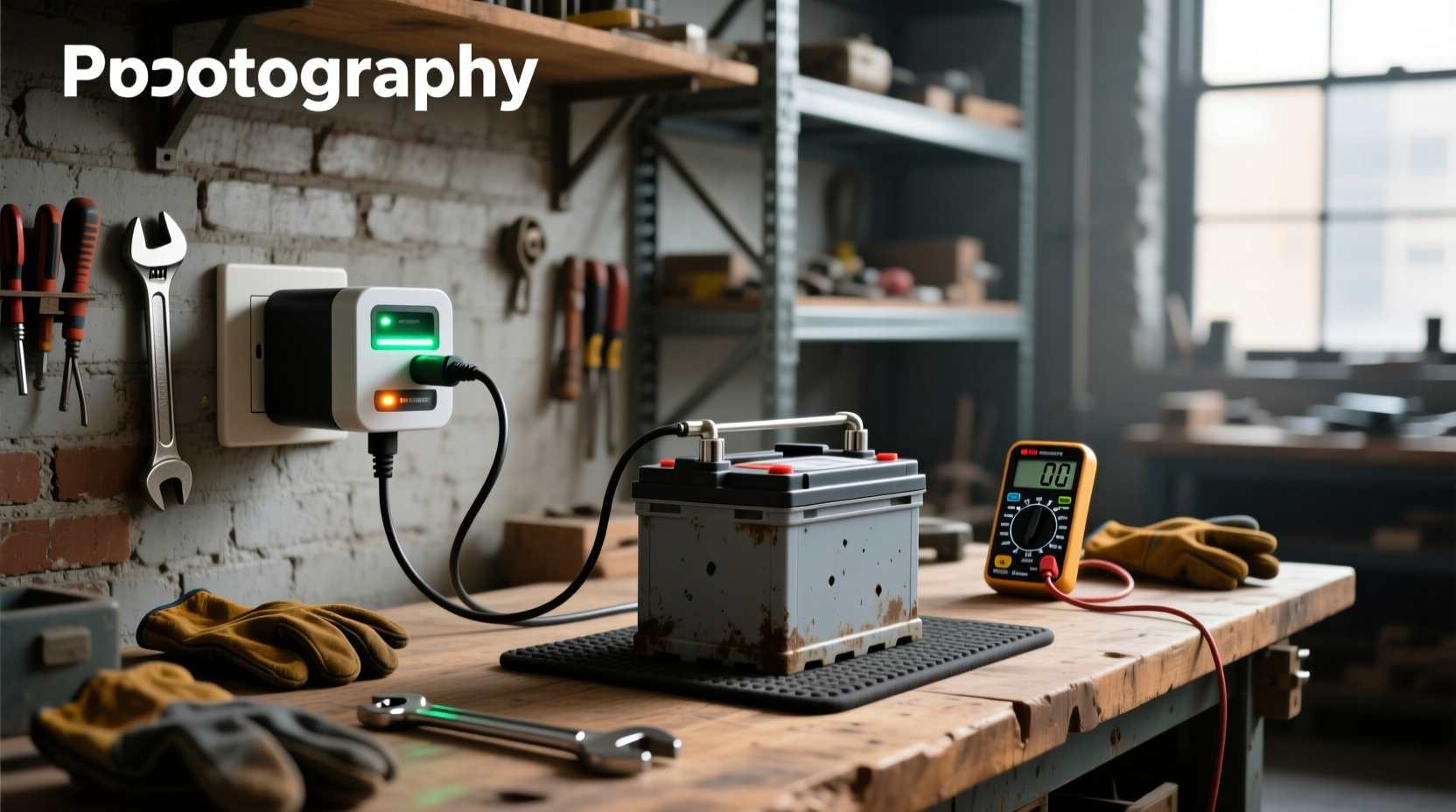
AGM, Flooded, and Gel Battery Compatibility
Battery chemistry matters. A charger should match the battery type and the vehicle maker’s instructions. Using the wrong charging mode can reduce battery life or create a safety risk.
Flooded lead-acid batteries
Traditional flooded batteries have removable or serviceable electrolyte caps on some designs. Both chargers can support many 12V flooded lead-acid batteries. Ventilation is still important because charging can produce gas.
AGM batteries
AGM batteries use an absorbent glass mat to hold the electrolyte. They are common in vehicles with start-stop systems and high electrical demand. The CTEK MXS 5.0 includes a dedicated AGM setting on the standard model, making it a strong choice for AGM maintenance.
The Schumacher SC1281 can support AGM batteries in many applications, but the exact procedure depends on the model instructions. Do not assume that every automatic mode is ideal for every AGM battery.
Gel batteries
Gel batteries require careful voltage control. Some CTEK programs may suit certain gel batteries, but the correct setting depends on the battery maker’s specifications. Check the label before charging.
A useful rule is simple: select the battery mode, not the vehicle name. A large SUV may use an AGM battery, while a small sedan may use a flooded battery. The battery label gives the answer.

Safety Features and Ease of Use
Both chargers include automatic controls and protection features. These reduce mistakes, but they do not remove the need for safe handling.
The CTEK MXS 5.0 is simple to use. Connect the clamps, plug in the charger, select the correct mode, and let the automatic program work. Its spark-free design and reverse-polarity protection add confidence for newer users.
The Schumacher SC1281 has more controls because it offers more functions. That flexibility is helpful, but it also means you must choose the correct voltage, charging mode, and starting function. A busy control panel can feel like a small dashboard.
Follow these basic steps with either charger:
-
Turn off the vehicle and remove the keys.
-
Inspect the battery for cracks, swelling, leaks, or heat damage.
-
Place the charger on a dry, stable surface.
-
Connect the positive clamp to the positive terminal.
-
Connect the negative clamp as directed by the charger manual.
-
Plug the charger into AC power only after the clamps are secure.
-
Select the correct battery type and voltage.
-
Disconnect AC power before removing the clamps.
Never charge a visibly damaged battery. Do not use either unit in rain unless the product instructions specifically allow it. Keep sparks, cigarettes, and open flames away from the battery area.
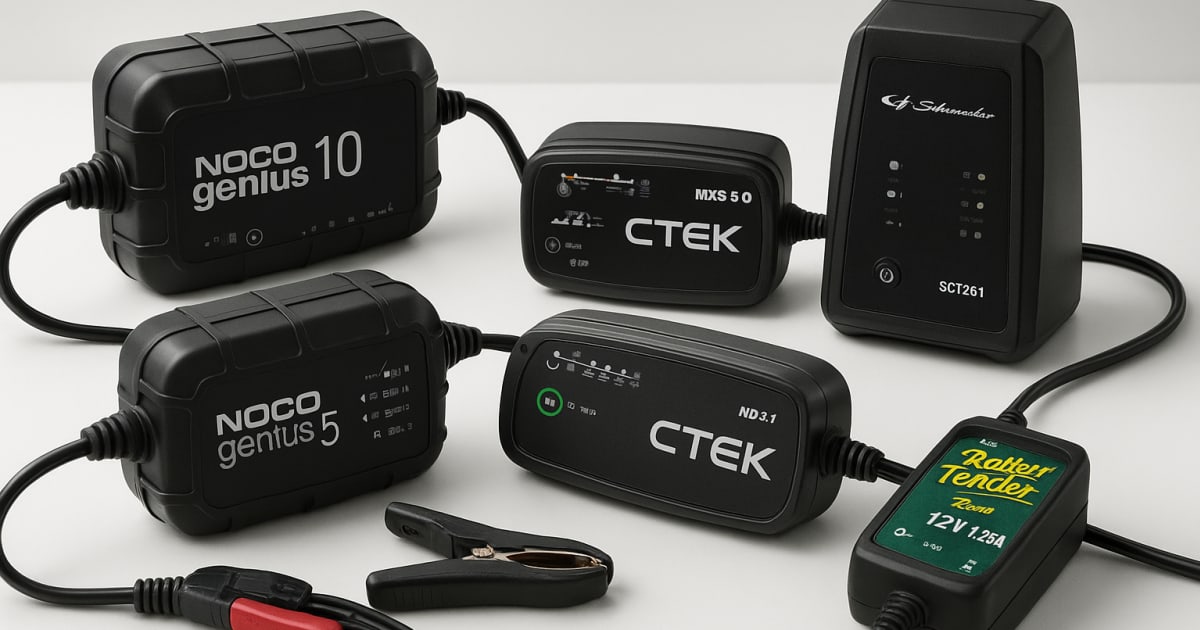
Portability, Build Quality, and Storage
The CTEK MXS 5.0 is compact and easy to store in a small toolbox. Its cables and accessories are designed for repeated connection, and optional comfort connectors can make permanent installation easier on stored vehicles.
The Schumacher SC1281 is more suitable for a garage or workshop. Its larger body and heavier cables reflect its higher-output design. It is not the charger most people would pack for a road trip.
Build quality can vary with use and storage. Keep either charger away from fuel, moisture, extreme heat, and loose metal tools. Coil the cables without sharp bends, and inspect the insulation before each use.
In practical terms, the CTEK feels like a specialist tool. The Schumacher feels like a general-purpose garage tool. Neither description is negative. They simply show different design goals.
Real-World Use Cases
The best choice becomes easier when you match the charger to your routine.
Choose the CTEK MXS 5.0 for:
• A vehicle that sits during winter
• A motorcycle, classic car, or boat
• Long-term battery maintenance
• AGM battery support
• Controlled charging with minimal supervision
• A compact charger for a small workspace
• A battery that is often stored but must remain ready
Choose the Schumacher SC1281 for:
• A home garage with several vehicle types
• 6V and 12V battery support
• Faster charging needs
• Occasional engine-start assistance
• Farm, utility, or older equipment
• Drivers who want an alternator test function
• A tool that can perform several charging jobs
One common mistake is buying a powerful charger for a vehicle that only needs maintenance. A high-output charger may be useful, but it can be unnecessary for a small motorcycle battery. Another mistake is buying a small maintainer when you regularly need engine-start support.
Think about the task you perform most often. The answer should guide the purchase more than the brand name.
CTEK MXS 5.0 vs Schumacher SC1281: Pros and Cons
CTEK MXS 5.0 advantages
• Excellent long-term maintenance
• Dedicated AGM and reconditioning modes
• Compact and easy to store
• Gentle, controlled charging cycle
• Strong reputation for battery-care products
• Suitable for many cars, motorcycles, and stored vehicles
CTEK MXS 5.0 limitations
• No engine-start function
• No 6V charging mode
• Slower than a high-output garage charger
• Premium price compared with basic chargers
• May reject batteries with very low voltage or serious damage
Schumacher SC1281 advantages
• Charges both 6V and 12V batteries
• Offers stronger boost and starting support
• Useful for many vehicle types
• Often costs less than premium smart chargers
• Practical for garage and workshop use
• May include alternator testing
Schumacher SC1281 limitations
• Larger and less portable
• Higher output requires more careful use
• Features and specifications may vary by production version
• Less focused on long-term precision maintenance
• Engine-start mode cannot replace a quality jump pack
The CTEK MXS 5.0 vs Schumacher SC1281 decision becomes straightforward after listing these trade-offs. CTEK emphasizes battery longevity. Schumacher emphasizes versatility and power.
Which One Is Better for Winter Storage?
The CTEK MXS 5.0 is the better choice for winter storage in most cases. Its maintenance program is designed to keep a battery at a healthy charge without constant manual adjustment.
Before storage, clean the battery terminals, check the electrolyte instructions if applicable, and fully charge the battery. Connect the CTEK in the correct mode and place the charger where it will stay dry and ventilated.
The Schumacher SC1281 can also maintain a battery during storage. It is a good choice if you want one charger for storage, regular charging, and occasional starting assistance. It simply does not offer the same narrow focus on long-term battery conditioning.
For a snowmobile, classic car, or motorcycle that sits for months, the CTEK MXS 5.0 is usually worth the extra cost. For a family garage with changing needs, the Schumacher may provide better overall value.
Which One Is Better for Emergency Starting?
The Schumacher SC1281 is the clear winner for emergency starting because the CTEK MXS 5.0 does not include an engine-start function.
Even so, you should not treat a wall-powered charger as your only emergency solution. It requires access to a safe AC outlet and may need time before the vehicle can start. A charged lithium jump starter is often more useful when you are stranded away from home.
Use the Schumacher starting mode only when the battery and vehicle are compatible. Make sure the clamps are connected correctly, and follow the recommended wait time. Repeated starting attempts can overheat the charger, cables, or vehicle starter.
A practical garage setup can include both tools: a CTEK for maintenance and a jump starter or Schumacher for urgent starting needs.
Price and Long-Term Value
The CTEK MXS 5.0 usually costs more because it focuses on refined charging control, battery maintenance, and specialized modes. Its value is strongest when replacing a battery is expensive or when a vehicle spends much of the year in storage.
The Schumacher SC1281 often offers more functions for the money. Its 6V support, boost output, and engine-start feature can reduce the need for several separate garage tools.
Do not judge value by the number of amps alone. A charger that protects a premium AGM battery may save more money over time than a cheaper unit that only charges quickly. At the same time, a high-output charger can be the better investment if you maintain several vehicles.
Check the current manual, warranty, cable length, plug type, and included accessories before buying. Retail listings sometimes contain simplified or conflicting specifications.
My Practical Buying Advice
When comparing the CTEK MXS 5.0 vs Schumacher SC1281, I would begin with three questions:
-
Do you need engine-start assistance?
-
Do you maintain AGM, motorcycle, classic, or stored batteries?
-
Do you need 6V support?
Choose the CTEK if your main goal is safe charging and long-term maintenance. Choose the Schumacher if you need stronger output, broader voltage support, and a garage charger that can help start an engine.
A lesson that applies to nearly every battery charger is this: do not use charging power to hide a failing battery. If a battery repeatedly loses charge overnight, test the battery and the vehicle’s parasitic draw. A charger can refill the bucket, but it cannot repair a hole in the bucket.
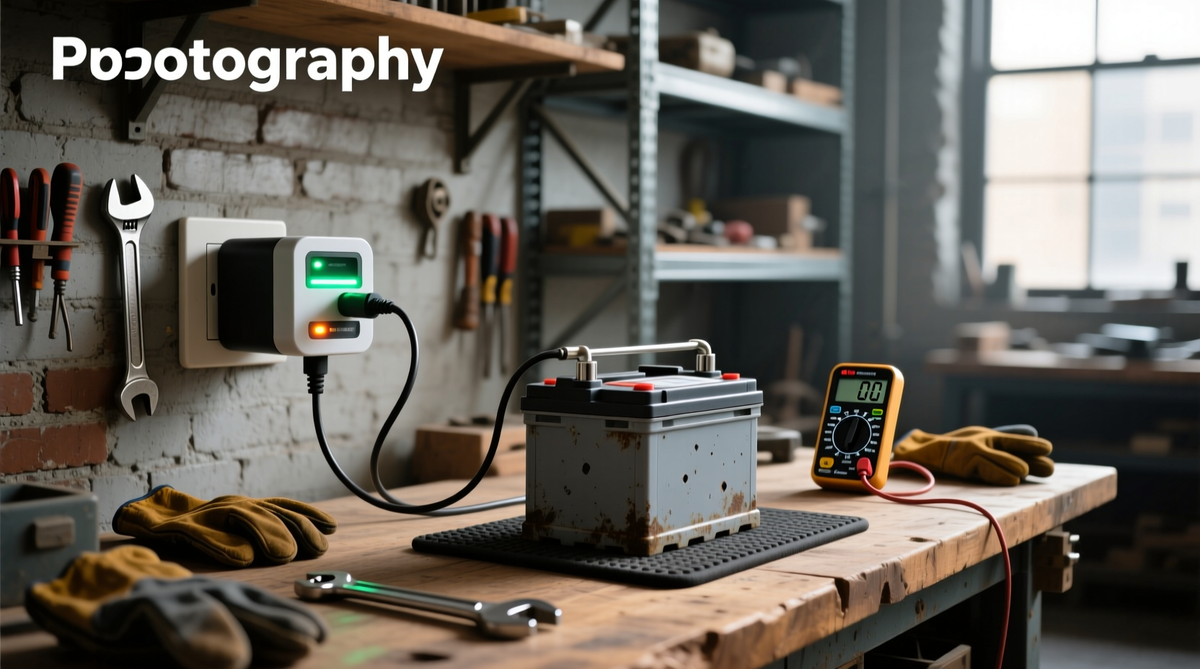
For accurate results, use a digital multimeter or a professional battery tester. A fully charged 12V lead-acid battery often rests near 12.6 to 12.8 volts, while a reading near 12.0 volts indicates a deeply discharged battery. Voltage alone does not prove battery health, so a load or conductance test is still valuable.
Frequently Asked Questions About CTEK MXS 5.0 vs Schumacher SC1281
Is the CTEK MXS 5.0 better than the Schumacher SC1281?
The CTEK MXS 5.0 is better for precise charging, AGM support, reconditioning, and long-term maintenance. The Schumacher SC1281 is better for faster charging, 6V batteries, and engine-start assistance.
Can the CTEK MXS 5.0 start a car?
No. The CTEK MXS 5.0 is a battery charger and maintainer, not an engine-start booster. Use a jump starter or a charger with a suitable start function when immediate starting power is needed.
Can the Schumacher SC1281 charge a motorcycle battery?
It can charge many motorcycle batteries when the voltage, battery type, and charging mode are correct. Use the lowest suitable setting and follow the motorcycle battery manufacturer’s instructions.
Is the Schumacher SC1281 safe for AGM batteries?
Many versions support AGM batteries, but the exact mode and voltage must match the owner’s manual. Confirm compatibility before charging, since AGM batteries require controlled charging.
Which charger is better for winter storage?
The CTEK MXS 5.0 is generally better for winter storage because its maintenance cycle is designed for long-term battery care. The Schumacher can maintain a battery too, especially if you also need boost and starting functions.
Can either charger repair a bad battery?
No charger can reliably repair a battery with a shorted cell, cracked case, or severe internal damage. Reconditioning modes may help some sulfated or stratified batteries, but replacement is often the safest answer for a failed battery.
Does the Schumacher SC1281 support 6V batteries?
Yes, the SC1281 is commonly designed for both 6V and 12V batteries. Confirm the voltage selection before connecting it, because using the wrong setting can damage the battery.
Conclusion
The CTEK MXS 5.0 vs Schumacher SC1281 comparison shows two useful but different chargers. The CTEK is the better specialist for controlled charging, AGM batteries, winter storage, and long-term maintenance. The Schumacher is the stronger all-round garage tool for 6V and 12V batteries, faster charging, boost power, and engine-start assistance.
Choose the CTEK when battery health matters most. Choose the Schumacher when versatility and starting power matter more. Before you buy, match the charger to your battery type, vehicle use, and most common charging task, then check the latest product manual for exact specifications.