How to Make a Treadmill Quieter
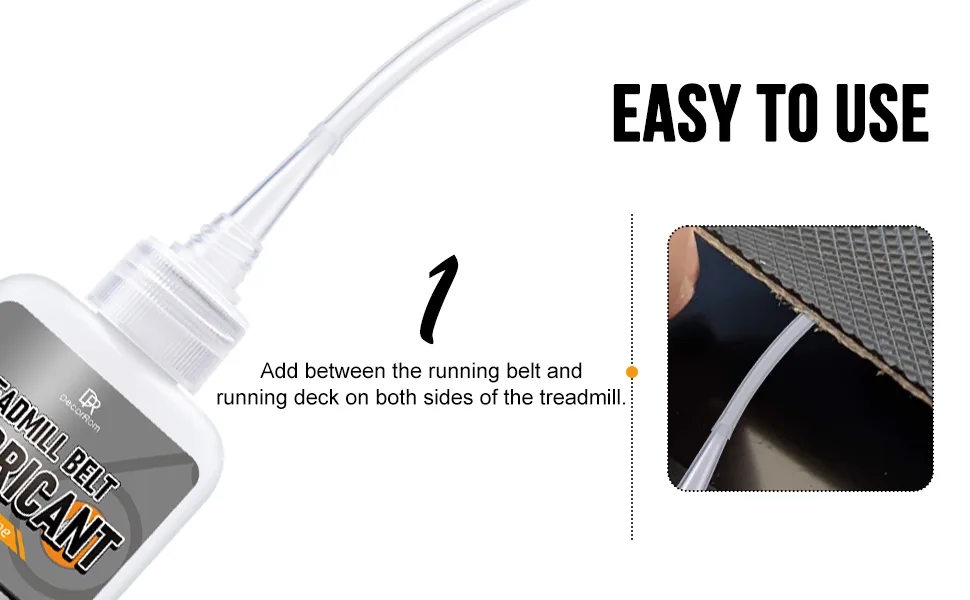
Image source: Bing (Web (fair-use with source credit))
There's nothing like a squeaky treadmill to ruin a good workout. That rhythmic thump and high-pitched squeak travels through floors and walls, annoying everyone in the house. If you're looking for answers on how to make a treadmill quieter, you've come to the right place.
Most of that noise is fixable, and you probably don't need a new machine.
Manufacturer specifications indicate that a well-maintained treadmill runs around 60 to 75 dB at 3 meters, roughly the level of normal conversation. A badly worn one can push past 80 dB. As of 2026, the cheapest fixes are still the best ones: lubrication, tension, and a vibration mat.
Let's walk through the noise sources first, because the right fix depends on the sound.
Quick Answer
To make a treadmill quieter, isolate the noise first. Then lubricate the belt, tighten or replace the rollers, tighten the frame hardware, and add a vibration-reducing mat underneath. Most noise comes from the belt, rollers, or floor contact.
- High-pitched squeak: dry belt or rollers
- Deep thump: worn belt or uneven roller
- Rattle or buzz: loose hardware or motor mount
- Floor thud: vibration transferring through the deck
If the sound is high-pitched, it's usually friction. If it's a deep beat, it's mechanical wear. If it's a buzz, something's loose.
Listen for five seconds, and you'll know which branch to follow.
Anatomy of a Noisy Treadmill: Know Your Machine
Every treadmill has six parts that can produce noise. The belt, deck, rollers, motor, frame, and cushioning system. When one wears out, you hear it.
The trick is knowing which one.
| Component | Function | Noise When Worn |
|---|---|---|
| Belt | Moves under your feet | Squeak, slap, thumping |
| Rollers | Guide the belt | Rhythmic clunk or grind |
| Motor | Drives the front roller | High-pitched whine |
| Deck | Supports your weight | Hollow thud on impact |
| Frame | Holds everything together | Rattle, buzz, creak |
| Cushioning | Absorbs footstrike | Deep floor vibration |
A new treadmill moves quietly because every part is tight and lubricated. Over time, the belt dries out, rollers wear unevenly, and bolts work loose. The noise you hear is the machine telling you which component needs attention.

Image source: Web (Bing) / mytour.vn (Web image (fair-use with source credit))
Normal running volume is a steady hum with air movement from the belt. Problem noise is sharper, louder, or rhythmic. If your neighbor can hear your workout through the wall, something isn't right.
Per testing under the ASTM F2115 standard, treadmills should maintain a consistent noise profile when properly maintained.
Three Main Noise Branches: Find Yours
Start with your ears. Stand by the front of the machine, then the rear. The sound will lead you to the problem, and the right fix becomes obvious.
Squeak or Squeal
If you hear a squeak, the belt is dry or misaligned. The rubber is gripping the deck without lubrication, creating friction. This is the easiest fix in this entire guide.
Check belt tension first. If the belt lifts only 1 inch from the deck, it's too tight. Loosen it slightly.
Then clean the belt and deck surface, and apply silicone-based treadmill lube.
Image source: Bing (Web (fair-use with source credit))
Thump or Rhythmic Slap
A thump every full rotation means the belt is worn unevenly or a roller has a flat spot. Run the belt slowly and watch the seam. If it pulls to one side, tracking is off.
If the thump follows a specific roller position, the roller itself is damaged.
Replacement rollers cost anywhere from $30 to $80 depending on your model. A new belt runs $50 to $150. If you have more than 1,000 miles on the treadmill, budget for both.
Rattle or Vibration Hum
A rattle is almost always loose hardware. Walking on the frame causes vibrations, and every bolt slowly backs out over time. Grab a wrench and tighten every visible fastener.
Check the motor mount, the upright posts, and the console brackets.
If the hum is coming from the motor, your brushes may be worn. Motor brushes are inexpensive, around $15, and replacement is a simple DIY job for most users.
Make It Quieter: Step-by-Step Fixes by Noise Source
Follow the branch that matches your sound. Each fix takes roughly 10 to 30 minutes, and the only tools you'll need are a hex wrench, screwdriver, and silicone lubricant.
- Belt noise: Unplug the treadmill. Loosen the tension bolts half a turn. Lift the belt and apply silicone lube across the deck. Run at 2 mph for 2 minutes to spread it. Wipe off excess.
- Roller noise: Inspect both rollers for wobble. Spin them by hand. If they grind or catch, replace them. Tighten the roller bolts to keep alignment steady.
- Deck slap: Check cushioning pads under the deck. If compressed, replace them. On older treadmills, flip the deck over for a fresh surface if both sides are usable.
- Motor whine: Clean dust from motor vents. Check brushes for wear. If the motor smells hot, stop and call a technician.
- Frame rattle: Tighten every visible bolt. Add lock washers to prevent future loosening.
- Floor transfer: Place a treadmill mat under the machine. Choose one that's at least 3/8 inch thick to actually absorb vibration.
The order matters. Fix the machine first, then address the floor. A mat alone won't fix a squeaky belt, and a quiet belt won't stop the thud of vibration if you're on a wooden floor.
One note: don't use household spray lubricants like WD-40. They're petroleum-based and will degrade the belt. Stick with silicone-based products made specifically for treadmills.
The same applies to other home cardio gear, since a squeaky elliptical needs the same cleaning-first approach.
DIY Soundproofing vs. Buying New Parts: What's Worth It?
Every fix has a price point, and some are smarter than others. Here's the honest breakdown.
| Fix | Cost | When It Works | When to Skip |
|---|---|---|---|
| Lubricate belt | $10–$15 | Squeak, belt feels dry | Belt is cracked or frayed |
| Tighten hardware | Free | Rattle, buzzing | You've tightened twice already |
| Treadmill mat | $30–$80 | Floor thud, neighbor complaints | Noise comes from the motor |
| Replace belt | $50–$150 | Thumping, visible wear | Treadmill is over 10 years old |
| Replace rollers | $30–$80 each | Grinding, flat spots | Budget exceeds treadmill value |
| Replace treadmill | $500–$2,000 | Motor failure, multiple worn parts | One part is salvageable |
A mat is the smartest first purchase for most people. It absorbs footstrike vibration and protects your floor. But it won't fix a squeak that's coming from the belt.
And if your treadmill is 12 years old with a failing motor, a $60 mat won't save it.
Compare the repair cost to the machine's value. If a replacement belt and rollers together cost more than half the price of a new treadmill, start shopping. Don't sink $800 into a $1,000 machine.
For floor transfer specifically, a heavy rubber mat works better than carpet. Carpet traps heat and allows the treadmill to rock. A dense mat creates a stable base that reduces both noise and vibration.
If you're weighing alternatives, consider whether the treadmill is still the right machine for your space. A quieter alternative like an exercise bike or an elliptical trainer might serve you better if noise is a daily battle. For now, fix what you have.
Mistakes That Make Treadmills Louder (Avoid These)
You'd be surprised how often a simple fix goes wrong. These mistakes are the usual culprits when noise actually gets worse.
- Using WD-40 or petroleum-based lube. It attracts dust and degrades the belt rubber. Stick with silicone-based treadmill lube.
- Over-tightening the belt. It strains the motor and amplifies vibration. Aim for 2 to 3 inches of lift at the center.
- Lubricating a dirty belt. Grit won't be fixed by lube. Clean the deck and belt first, then apply.
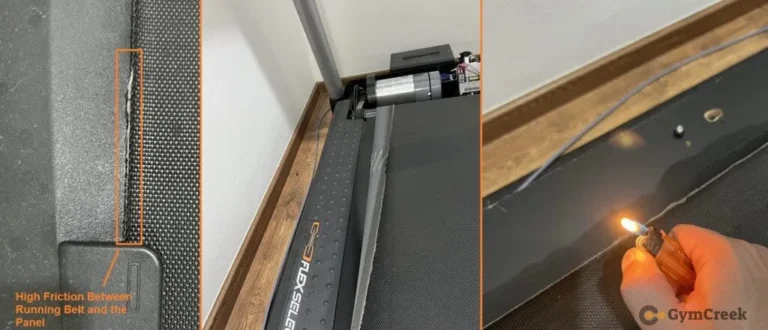
- Ignoring belt tracking. A misaligned belt rubs the frame, creating a constant scrape. Sort tracking before tension.
- Skipping the manual's schedule. Most brands recommend lubrication every 3 months or 150 to 300 miles.
Another common one: blocking motor vents with a mat. That overheats the motor and creates a high-pitched whine. Keep mats clear of the underside.
Avoid these, and you're already halfway to a quieter machine.
Maintenance: Keeping It Quiet for the Long Haul
A quiet treadmill is a maintained treadmill. Routine care takes 10 minutes a month and stops the noise from coming back.
Monthly checklist:
- Wipe the belt and deck edges with a dry cloth.
- Check belt tension with the lift test.
- Tighten visible hardware once a month.
- Inspect roller bearings for wobble.
- Vacuum the motor vents.
Lubrication follows a set schedule. Every 3 months or 150 to 300 miles, whichever comes first. Check your manual for the exact interval, since brands like NordicTrack and Sole differ slightly.
Seasonal factors matter too. Cold basements harden the belt, so run it at low speed for a minute before a workout. Humid climates need more frequent lubrication.
This is the same logic as routine upkeep of other cardio machines, where consistency beats everything else.
If you notice a new rattle after months of quiet, check the leveling feet. A machine that rocks creates frame noise. Adjust them like you would on any home gym gear.
And remember, a pro should handle motor brush replacement if you're not comfortable with electrical parts.
Frequently Asked Questions
Is it normal for a new treadmill to be loud?
A new treadmill should hum, not squeak or rattle. Expect around 60 to 70 dB at a normal walking pace. If you hear sharp noises, check for loose shipping bolts.
Most manufacturers include a checklist for this. Run it at low speed for the first few sessions to let the belt settle.
Can I use a yoga mat under my treadmill?
No. A yoga mat is too thin and provides zero vibration absorption. Use a dedicated treadmill mat at least 3/8 inch thick.
Dense rubber mats work best on hardwood or tile. On carpet, a thinner mat for stability is fine, but don't expect much noise reduction.
How often should I lubricate my treadmill belt?
Every 3 months or every 150 to 300 miles, whichever comes first. Lighter walkers can stretch toward the 6-month mark. Heavier usage demands the 3-month schedule.
Always follow the manual for your specific model. Over-lubricating causes slipping, so don't go overboard.
Why does my treadmill get louder when I speed it up?
Higher speed increases friction and motor load. A slight rise in noise is normal. A big jump means the belt is dry or the tension is off.
Lubricate and test at the same speed before adjusting anything else. If the noise persists, inspect the rollers for wear.
Should I oil the motor to quiet it down?
No. Motors are sealed and don't need oiling. Lubricant belongs only on the belt and deck.
Oil on the motor attracts dust and can damage electrical components. If the motor whines, check the brushes first. Worn brushes cost around $15 and are easy to replace.
When is it cheaper to replace the treadmill than fix it?
Apply the 50% rule. If the repair costs more than half the machine's value, replace it. A treadmill over 10 years old with motor or frame issues isn't worth sinking money into.
If you're facing that choice, it's also worth considering lower-impact cardio options for your next purchase.