How to Safely Use a Treadmill
Many people step onto a treadmill with zero instruction. They press start and hope for the best. If you're asking how to safely use a treadmill, you're already ahead of the curve.
This guide covers the ground rules, the common mistakes, and the machine features that keep you upright.
The statistics are sobering. U.S. Consumer Product Safety Commission data shows that treadmill accidents account for more than 24,000 emergency room visits a year.
Most of these incidents involve falls. With the right prep, almost every single one is preventable. Let's walk through the essentials.
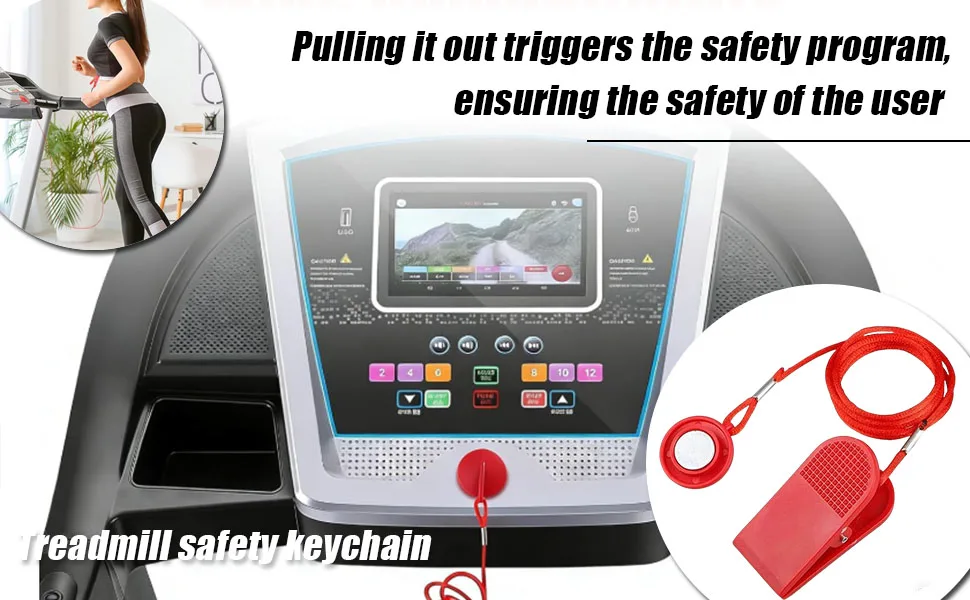
Image source: Bing (Web (fair-use with source credit))
Why Treadmill Safety Is More Than Common Sense
A treadmill feels straightforward. Press a button, move your legs. But that confidence is exactly why people get hurt.
The belt keeps moving no matter what. If you stumble, it keeps pulling. You must stay present the whole time.
Distraction is the most common cause of incidents. One look over the shoulder, reaching for a water bottle, or hitting the wrong button can throw off your stride. In that split second, a harmless walk turns into a fall.
Research from the Consumer Product Safety Commission shows falls are the leading cause of treadmill injuries. They happen to beginners and experienced runners alike. Experienced runners get hurt when they tune out the machine.
Beginners get hurt when they set the speed too high.
As of 2026, treadmill-related falls remain a top cause of home exercise injury. The belt shortens your stride. There's no wind resistance.
There's no changing terrain. Your body needs time to adjust, especially in your first few sessions.
This isn't meant to scare you. It's meant to make you respect the machine. Understanding the risks is the first step to avoiding them.
Know the Machine: Safety Features That Can Save You
Before you press start, learn where the emergency controls are. Each treadmill differs a little. The basics stay consistent.
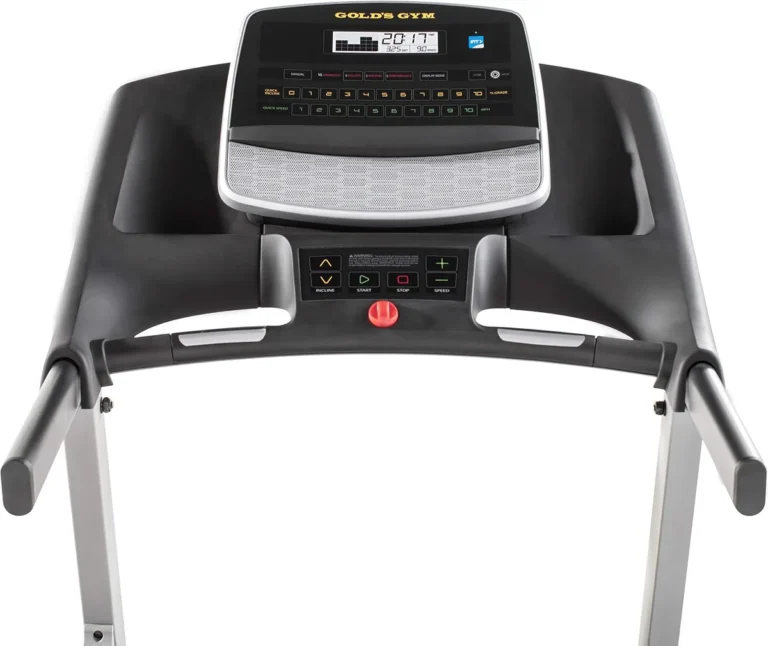
The Safety Key
Most home treadmills include a magnetic safety key. It clips to your clothes and connects to the console. If you fall or step away, the key rips out and the belt stops instantly.
This is your number one safety net.
Never skip it. Manufacturer guidelines list the safety key as a required component. Many machines won't start until it's attached.
Use it every workout.
The Emergency Stop Button
This is the bright red button or lever on the console. It stops the belt immediately. Test it before you begin.
Just knowing where it sits can prevent a bad fall.
Handrails
Handrails are for balance support. Use them when you mount the treadmill, dismount, or change settings. Don't hold them during your entire walk or run.
Gripping the rails ruins your posture and shortens your stride. It also trains you to depend on them. If you lose your grip, you're in trouble.
The Belt and Deck
The belt should move with a smooth, steady glide. A worn belt can jerk or slip. The deck needs to sit level on the floor.
If the machine wobbles or rocks, stop using it. Place it on flat ground and check that all feet are stable.
Here's a quick breakdown:
| Safety Feature | What It Does | When to Use It |
|---|---|---|
| Safety key | Stops the belt if you fall or step away | Every workout |
| Emergency stop | Halts the belt instantly | Any loss of balance |
| Handrails | Offer balance support for mounting and dismounting | Getting on, getting off, adjusting settings |
| Speed controls | Set the belt speed | Set your pace, then step back |
Spend two minutes testing each control before you start. Walk slowly and hit the emergency stop. Pull the safety key out.
Feel what a sudden stop is like. It feels strange the first time, but it also builds confidence.
The Pre-Workout Safety Checklist
Run through this checklist before every session. It takes less than two minutes.
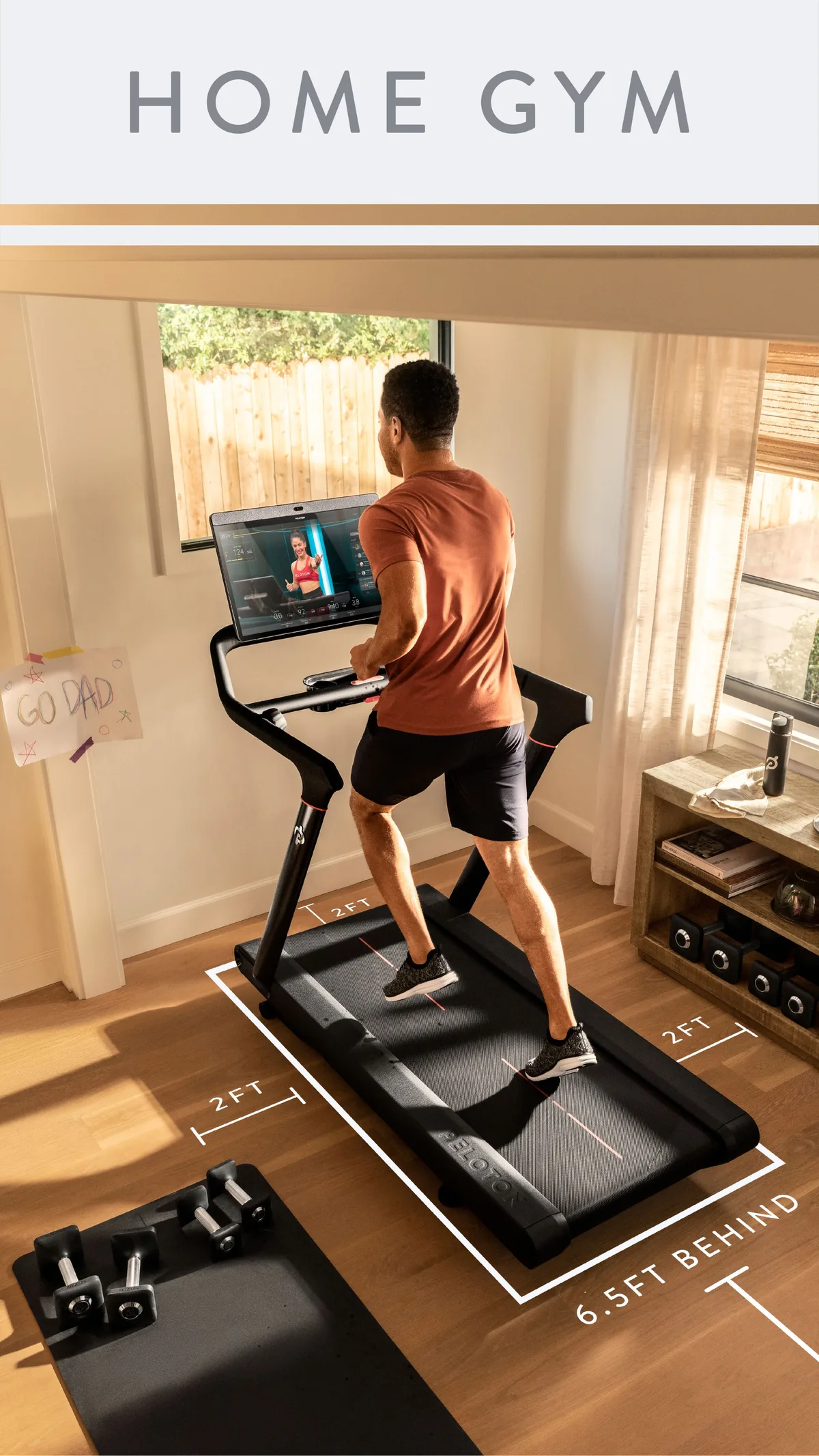
Image source: Bing (Web (fair-use with source credit))
Read the Manual
Each model has a different safety key location and speed range. Read the owner's manual before you start. It'll also tell you how to maintain the belt.
Wear Proper Shoes
Use running shoes with solid grip. Avoid fashion sneakers, sandals, or going barefoot. A slippery sole on the belt is a recipe for a fall.
Cross-trainers work fine. Traction is the key.
Dress for the Machine
Skip loose clothing, long laces, and dangling hoodie strings. These can catch in the belt. Fitted workout gear is safer.
Tie long hair back too.
Keep Water Within Reach
Place your bottle in the console cup holder or on the floor well behind the treadmill. Never lean down to grab it mid-stride. Stop the machine first if you need a drink.
Check the Area
Treadmills need space. The U.S. Consumer Product Safety Commission recommends at least 6 feet of clearance behind the machine and 2 feet on each side.
That gives you a safe landing zone if you fall or jump off. It also keeps nearby objects out of your path.
Know Your Health Baseline
If you have chest pain, dizziness, or shortness of breath while resting, don't exercise. Talk to your doctor before starting a treadmill routine. The same goes for uncontrolled high blood pressure, recent surgery, or a history of fainting.
Treadmills are demanding on your heart, even at a walking pace.
How to Use a Treadmill Safely, Step by Step
Follow these steps in order. Don't skip ahead.
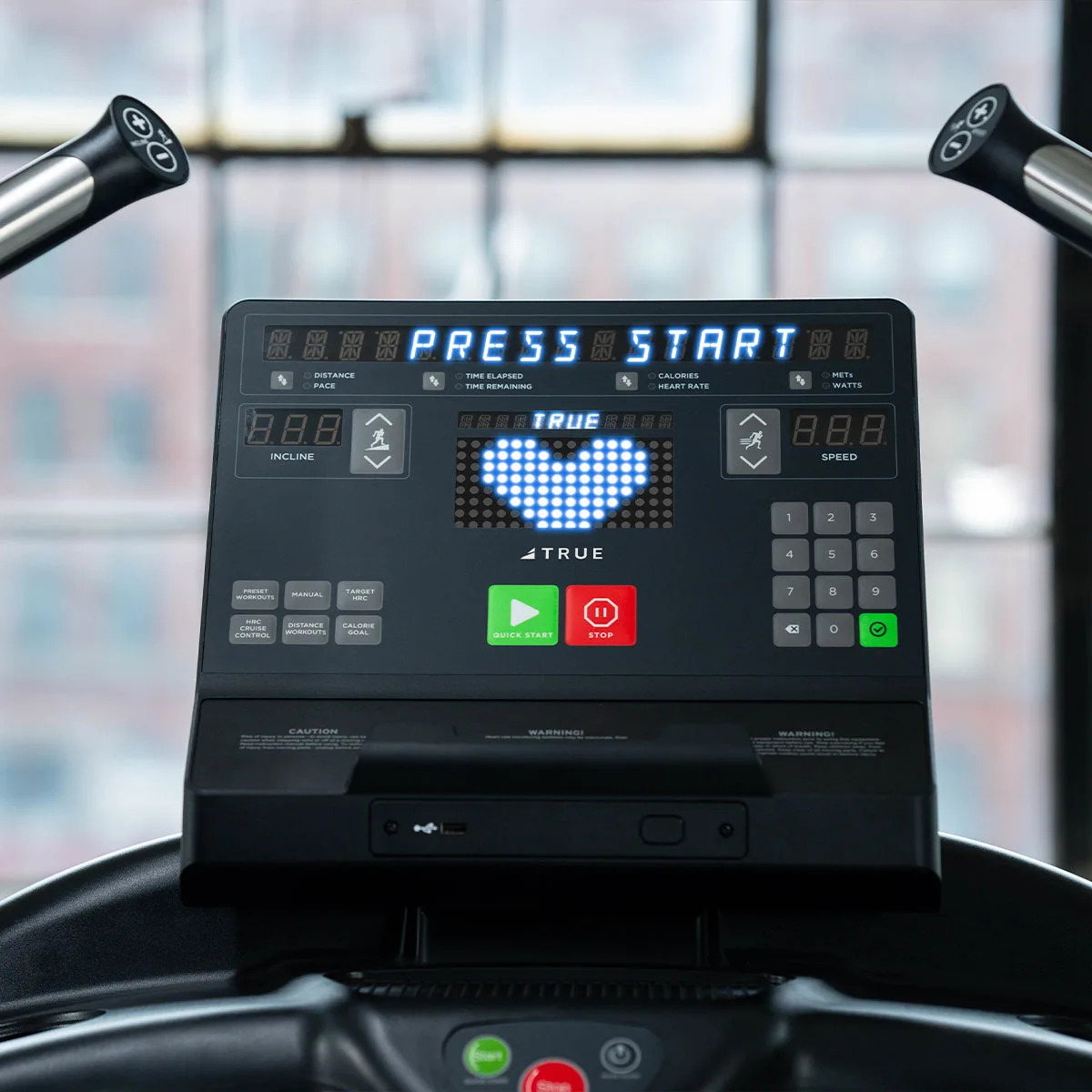
Image source: Bing (Web (fair-use with source credit))
Start With the Belt Off
Stand with one foot on each side of the belt. Hold the handrails. Turn the machine on and set the speed to 1 to 2 mph.
Wait for the belt to start moving slowly before you step on. Never step onto a moving belt at a high speed.
Mount and Get Your Balance
Keep holding the handrails. Step on the belt with one foot, then the other. Let the belt pull you along at its slow pace.
Release the rails only when you feel steady.
Find Your Walking Pace
Start at 2 to 3 mph. That's a comfortable walking speed for most people. Increase the speed slowly, by about 0.5 mph every minute.
You're looking for an effort level you can maintain with good form. A proper warm-up lowers your injury risk.
Fix Your Posture
Look forward. Keep your shoulders back and your chest open. Let your arms swing naturally.
Avoid leaning on the console or gripping the handrails. If you need support, the pace is too fast. Slow down instead.
Add Incline Slowly
Once you're comfortable with the speed, you can add incline. Keep it at 1 to 2 percent to start. That's roughly equal to outdoor walking.
Increase by no more than 1 percent at a time. Give your body a few minutes to adjust.
Cool Down and Step Off
Lower the speed gradually. Walk at 2 mph for at least two minutes. When you're ready, hold the handrails and step one foot onto the side platform.
Then step the other. Stop the belt completely before you step away.
Common Treadmill Mistakes That Cause Injuries
Every one of these mistakes is avoidable. Here's what not to do.
Stepping Onto a Moving Belt
Jumping on a treadmill that's already spinning is a common way to fall. Always stop the belt completely before you mount or dismount. It only takes a second.
Gripping the Handrails the Whole Time
This is the most common treadmill error. Holding the rails feels safer, but it changes your posture and shortens your stride. It also reduces the benefit of your workout.
If you can't walk without holding on, you're going too fast.
Getting Distracted
Phones, TVs, and reading materials steal your attention. Turning to glance at a screen can shift your weight and knock you off rhythm. Keep entertainment on the console if you can.
Save deep scrolling for after your workout.
Raising Speed or Incline Too Fast
Big jumps in speed or incline stress your legs and lungs. Make changes slowly. Increments of 0.5 mph or 1 percent incline at a time are safer.
Reaching for Dropped Items
A water bottle falls over and your instinct says grab it. Don't. Twisting or bending at speed puts you off balance.
Stop the treadmill, step off, and pick things up.
Letting Kids or Pets Near the Treadmill
A moving belt attracts kids. It can catch fingers, paws, or loose clothing. Never let children or pets wander near a treadmill that's running.
Even a stopped treadmill can become a toy. Unplug it when it's not in use.
When to Avoid the Treadmill or Seek Medical Advice
Sometimes the safest choice is to skip the treadmill. It doesn't matter how good your form is. Certain health conditions need a doctor's clearance first.
You should avoid the treadmill if you have:
- Chest pain or pressure, especially during physical exertion
- Dizziness, lightheadedness, or fainting spells
- Shortness of breath with minimal activity
- Uncontrolled high blood pressure
- Balance problems that put you at risk of falling
- Recent joint, back, or heart surgery
- A fever, severe fatigue, or an active infection
Don't push through warning symptoms. If you feel pain, nausea, or sudden discomfort at any point during a walk, stop the machine. Press the emergency stop button and step off.
Sit down and rest. If symptoms continue, call a medical professional.
If you want a lower-impact alternative, the elliptical works well. It has no moving belt and no impact. That makes it a safer starting point for many people with joint pain or balance concerns.
Compare the motion to a treadmill before you decide which fits your needs. Some machines even help with the same cardio goals as a treadmill.
Treadmill Safety FAQs
What speed should a beginner use on a treadmill?
Beginners should start with a walking speed between 1 and 2 mph. Keep it there until you're comfortable getting on and off. Once you're steady, increase to 2.5 to 3 mph.
That's a normal brisk walking pace.
Should I hold the handrails while walking?
Not while you're actively walking. Handrails are only for mounting, dismounting, and adjusting the console. Holding them the whole time changes your stride and posture.
If you can't walk without support, reduce the speed.
How long should a treadmill workout last?
For most beginners, 20 to 30 minutes is enough. That includes a 5 minute warm-up and a 3 minute cool-down. As your fitness improves, you can build to 45 minutes.
Anything longer than an hour starts to stress your joints unnecessarily.
Is a treadmill safe for seniors?
It can be, with the right setup. A safety key, slow speed, and a secure handrail make a big difference. Seniors should clear a fall-zone and start with short walks.
A stationary option like an upright bike may also be worth trying if balance is a concern.
What's the best way to stop a treadmill in an emergency?
Hit the emergency stop button or pull the safety key. Both stop the belt instantly. Keep your hands off the handrails when you press them.
Hold on to the console, then step off carefully.