Why Is My Treadmill Not Working
If you've ever asked yourself "why is my treadmill not working," you know the frustration. One minute you're warmed up, the next the belt won't budge or the console goes dark. The good news?
Most treadmill problems fall into just a few categories. The right fix depends entirely on the symptom.
In our research, the most common faults trace back to power delivery, belt tension, or sensor alignment. As of 2026, most home treadmills run on a standard 110, 120V outlet and draw between 10 and 20 amps. Understanding that baseline makes troubleshooting much easier.
So let's walk through a simple, tool-free diagnostic process.
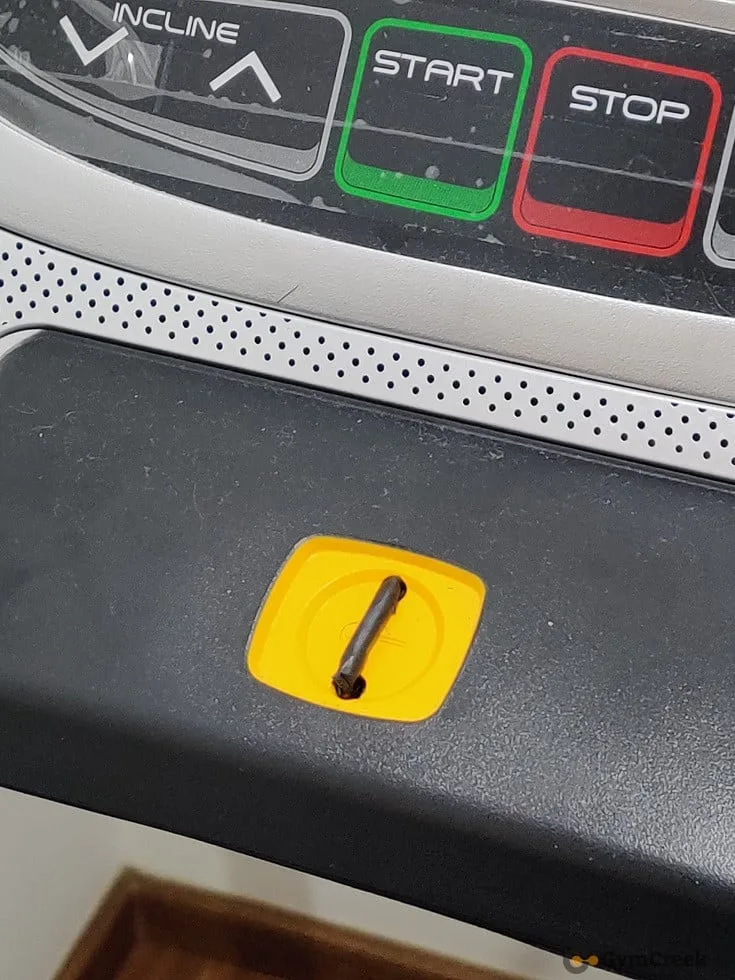
Image source: Bing (Web (fair-use with source credit))
How to Diagnose a Treadmill Without Any Tools
Start by listening and looking. You don't need a multimeter or a screwdriver to narrow it down.
Three main symptom branches cover nearly every failure:
- No power at all, the console is dead, nothing lights up.
- Console works, belt won't move, the display is alive, but the walking belt stays still.
- Belt slips, jerks, or stops mid-run, the motor turns, but the belt doesn't cooperate.
Use if/then logic from here. If there's no power, trace the electrical path first. If the console lights up but the belt won't turn, the issue sits between the motor, drive belt, and speed sensor.
If the belt moves erratically, look at tension and lubrication.
This approach saves you time and money. It also helps you explain the issue clearly on a service call if it comes to that. Proper diagnosis is the first step toward a fix, not a full teardown.
And if you're comparing fitness setups, knowing how these parts fail can help you weigh a treadmill against other home cardio gear.
No Power at All? Trace the Outlet, Cable, Reset Switch, and Control Board
Dead console? Start at the wall. One of the most common causes is simply a dead outlet or a loose cable.
Follow these steps in order:
- Test the outlet with a phone charger or a lamp. If that works, move on.
- Inspect the power cord for frays, kinks, or a loose fit at the back of the treadmill.
- Find the treadmill's internal circuit breaker. Most home models have a small reset switch near the power cord connection. Push it firmly. If it clicks back, you've found the culprit.
- Check the safety key. Without it fully inserted and engaged, the console stays dark. Some models use a small magnet or tether.
- Unplug and wait 60 seconds, then plug back in. This clears minor control board glitches.
If the reset switch trips again after plugging in, you likely have a short in the motor or control board. Stop there. Repeatedly resetting a tripped breaker can cause electrical damage.
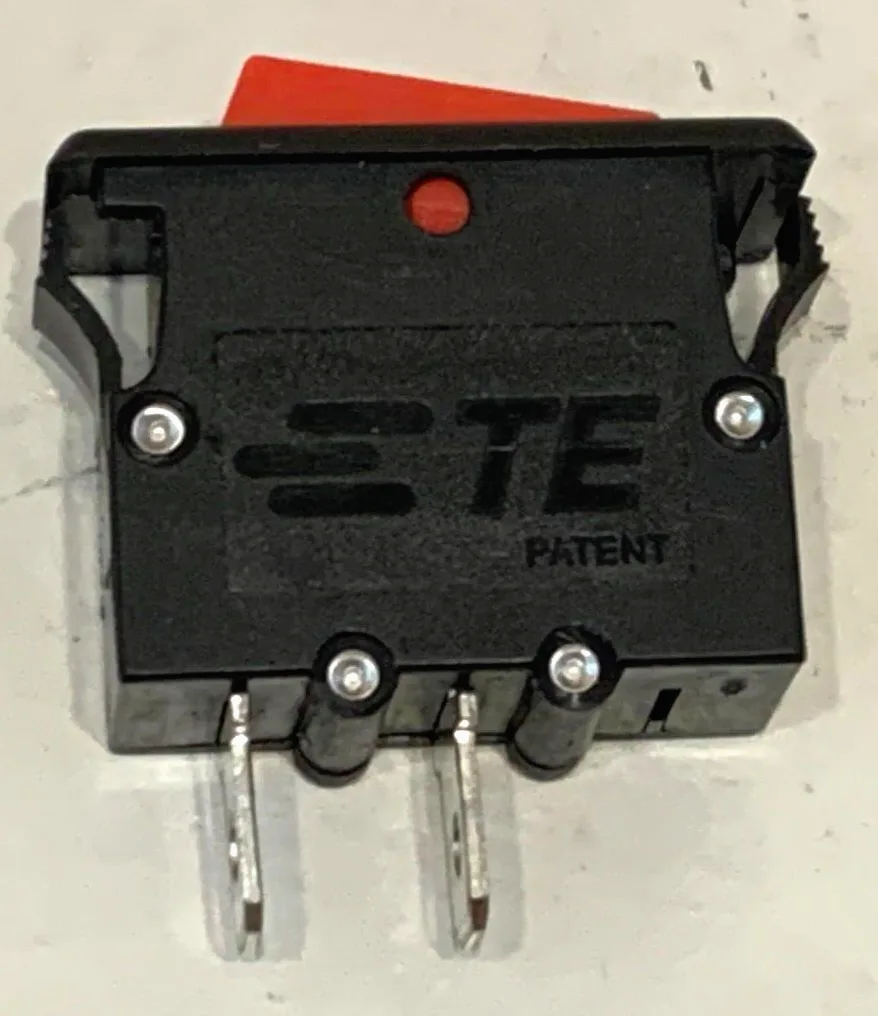
Image source: Bing (Web (fair-use with source credit))
Also, make sure your treadmill is on a dedicated circuit. Sharing a circuit with a fridge or space heater can drop voltage and trip breakers. The U.S.
Consumer Product Safety Commission reports that electrical faults are a leading cause of treadmill fires, so never bypass a breaker or use a worn cord.
Console Works but Belt Won't Move? Check the Motor, Drive Belt, and Speed Sensor
If the display powers up but the belt stays still, you're dealing with a mechanical or sensor fault. The motor control board sends power to the drive motor, which turns the front roller via the drive belt. A failure anywhere in that chain stops the walking belt.
Start with the simplest cause: the drive belt. It sits between the motor and the front roller. Over time, it can stretch, crack, or snap completely.
Look under the motor cover for signs of wear. A broken drive belt often shows as a loose, hanging piece of rubber.
Next, check the speed sensor. It's a small magnetic or optical sensor mounted near the rear roller. If it's misaligned, the motor won't get the signal to move.
Clean any accumulated dust and make sure the sensor gap is about the thickness of a credit card.
If both look fine, the drive motor itself may be seized. Turn the front roller by hand. If it doesn't spin freely, the motor bearings could be gone.
Replacing a motor is doable, but it's a bigger job. This is where a professional service call often makes sense.
For home fitness maintenance, many of these checks apply to any cardio machine. If you're dealing with a different piece of equipment, the troubleshooting approach is often similar. For example, a machine that squeaks or grinds usually points to worn bearings or dry contact points.
Belt Slips, Jerks, or Stops Mid-Run? It's Usually Tension, Tracking, or a Dry Deck
A walking belt that slips feels like a loss of traction. Your feet stall while the motor keeps turning. That's a classic sign of loose belt tension or a dry deck.
Tension is adjusted at the rear roller. Look for two bolts at the back of the frame, one on each side. Turn both bolts the same direction, a half-turn at a time, to tighten the belt.
Aim for a belt that lifts about two to three inches off the deck in the center.
Tracking refers to the belt staying centered. If it drifts left or right, it will rub against the rollers and jerk. Loosen the side it's drifting toward and tighten the opposite side.
Do this in quarter-turns.
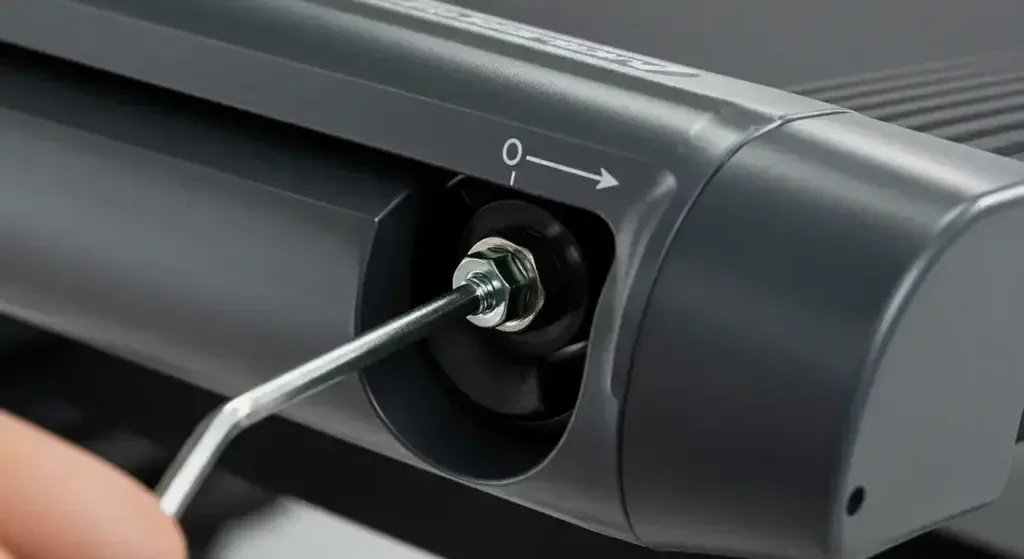
Image source: Bing (Web (fair-use with source credit))
A dry deck is often the culprit after a few months of heavy use. Most manufacturer guidelines recommend lubricating the deck every three to six months or every 150 to 500 miles. Silicone-based lubricants are the standard.
Apply a thin line under the belt while the treadmill is off, then run it slowly for a minute to spread the lubricant.
If the belt still jerks after these fixes, check the front roller for built-up residue. Cleaning the rollers and belt edges can restore smooth motion. Regular care like this mirrors the upkeep you'd give any home fitness machine.
Motor Hums, Grinds, or Smells Burnt? That's a Drive Motor or Control Board Clue
A humming motor that won't move the belt points to either a locked rotor or a failed motor control board. When the motor hums but nothing spins, unplug the treadmill and try turning the front roller by hand. If it's stiff or locked, the motor's internal bearings are likely worn out.
Grinding noises are never good. They usually mean metal-on-metal contact inside the motor or a worn drive belt. Stop using the treadmill immediately.
Continued running can warp the motor shaft or crack the housing.
Burning smells are the most serious warning. An acrid, electrical odor indicates overheating wiring, a fried control board, or insulation melting. This is not a DIY fix.
Unplug the machine and call an authorized repair technician.
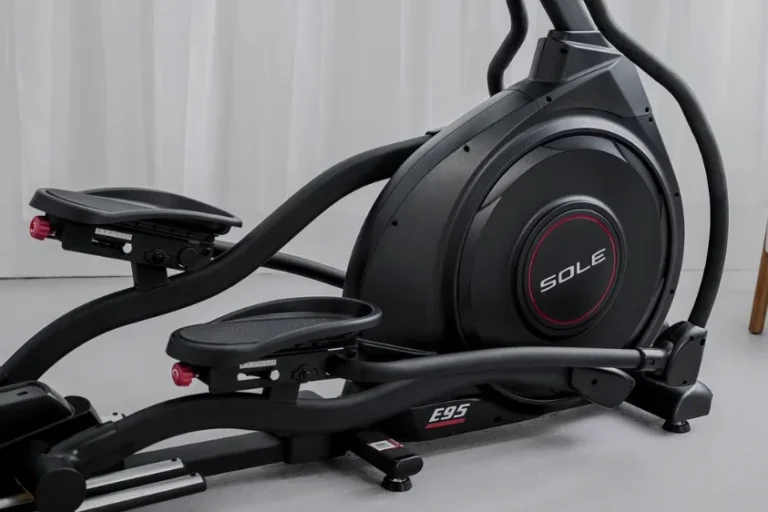
In our research, motor and control board replacements cost anywhere from $100 to $400 in parts alone, plus labor. For older treadmills, that bill might exceed the machine's current value. In that case, many owners choose to replace the whole unit and look at modern alternatives like an elliptical for a joint-friendly workout at home.
Decoding Error Codes: E1, E2, E6, and When a Reset Actually Works
Error codes save you from guessing. Most home treadmills from brands like NordicTrack, ProForm, and Sole display a simple letter-and-number code when something fails.
Here's what the most common codes mean:
| Error Code | Meaning | Likely Fix |
|---|---|---|
| E1 | Speed sensor or motor issue | Check sensor alignment, inspect wiring |
| E2 | Overspeed detected | Calibrate or replace speed sensor |
| E6 | Incline motor malfunction | Reset incline, check elevation motor wiring |
A simple reset clears many error codes. Unplug the treadmill for 60 seconds. Plug it back in and press the reset button if your model has one.
If the code reappears right away, you have a hardware fault, not a software glitch.
Don't ignore repeated error codes. A sensor that keeps failing will eventually stress the motor control board. And if the board fails, you're looking at a much pricier repair.
When in doubt, check your owner's manual for the exact code list for your model.
Mistakes to Avoid — And When to Stop DIY and Call a Technician
Some repairs are simple. Others need professional hands. Knowing the difference saves you money and keeps you safe.
Avoid these common mistakes:
- Ignoring the safety key. If the console won't power on, check this first. It's the cheapest fix in this article.
- Over-tightening the rear roller bolts. Too much tension strains the motor and bearings. Stick to the two-to-three-inch lift rule.
- Lubricating with the wrong product. Household oils degrade the belt and deck. Use only silicone-based treadmill lubricant.
- Running the treadmill during an electrical storm. Power surges can fry the control board. Unplug it when it's not in use.
- Forcing the belt by hand when the motor hums. This can overheat the motor and cause permanent damage.
Call a technician if you see burnt wiring, smell smoke, or face a motor that's seized. These issues carry fire and shock risks. The U.S.
Consumer Product Safety Commission maintains safety standards for treadmill manufacturing, and electrical faults are among the top hazards they track.
A professional diagnosis usually runs between $75 and $150. Add $100 to $400 for parts. Compare that against the replacement cost, and you'll know whether a repair makes sense.
If you're weighing new equipment anyway, it's a good moment to consider how a treadmill compares to other cardio machines for your space and goals.
FAQ: Quick Answers for the Most Common Treadmill Problems
Why won't my treadmill turn on at all?
Check the wall outlet first with another device. Then inspect the power cord, press the internal circuit breaker, and confirm the safety key is fully engaged. Unplug for 60 seconds to reset the control board.
If it still won't power on, the motor control board likely needs replacing.
Why does my treadmill belt stop suddenly while I'm running?
A sudden stop usually means loose belt tension or a misaligned speed sensor. Tighten the rear roller bolts evenly, then check the sensor gap near the roller. If the belt still stops, inspect the drive belt for wear or breakage.
Why is my treadmill tripping the circuit breaker?
Your treadmill may be sharing a circuit with other appliances. It needs a dedicated 15 or 20 amp outlet. If the breaker trips immediately upon startup, you likely have a short in the motor or control board.
Stop using the machine and call a technician.
How often should I lubricate my treadmill belt?
Most manufacturers recommend every three to six months or every 150 to 500 miles. Check your owner's manual for exact intervals. Dry decks cause friction, which can eventually damage the motor.
Use only silicone-based lubricant.
When should I replace my treadmill instead of repairing it?
If repair costs exceed 50 percent of the machine's value, replacement makes sense. Motors and control boards often cost $200 to $400 installed. For an older treadmill, that investment is hard to justify.
As of 2026, entry-level home models offer solid value if you're starting fresh with a new machine.