What Treadmill Belt Size Do I Need
If you've ever asked yourself "what treadmill belt size do I need," you're already on the right track. Choosing the wrong deck length is one of the most common home gym mistakes, and it can lead to poor form or a machine that just doesn't get used. Getting the right size from the start means a safer, more comfortable workout that fits both your body and your space.
Most home treadmills offer a running surface between 45 and 60 inches long and 18 to 22 inches wide. That sounds like a narrow range, but the difference between a 48-inch walking pad and a 60-inch running deck is massive. The right choice depends on a simple workflow: your activity, your height, and the room you have available.
Why Belt Size Matters More Than You Think
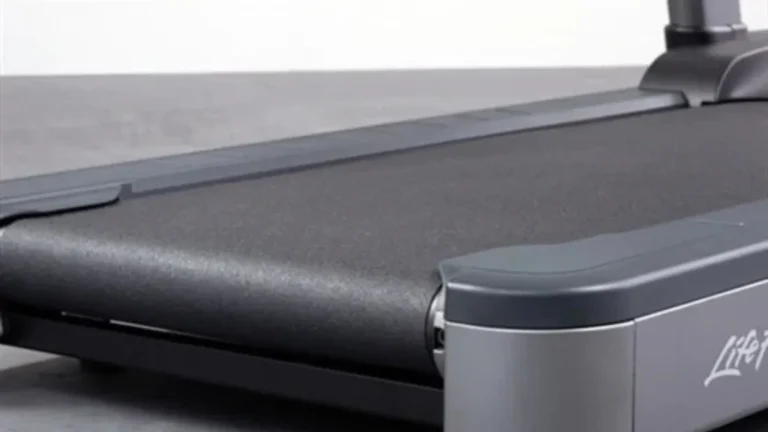
The treadmill belt, often called the deck or running surface, is the moving track you walk or run on. Its dimensions directly impact your safety, stride, and overall workout quality. A belt that's too short forces you to shorten your stride or risk clipping the rear housing with your foot.
A surface that's too narrow can make you feel unstable, especially at higher speeds.
Think of it as the treadmill's primary interface with your body. If that interface is poorly sized, your posture breaks down. Overstriding on a short deck puts extra stress on your shins, knees, and hips.
According to gait analysis principles from the American College of Sports Medicine, maintaining a natural stride length is key to injury prevention. The deck size is what makes that natural stride possible.
Choosing the right dimensions isn't just about comfort. It's about building a sustainable habit. A treadmill that fits you perfectly is one you'll actually want to use.
One that feels cramped or awkward will quickly become an expensive clothes hanger.

Image source: Bing (Web (fair-use with source credit))
Quick Answer: The Simple Rule That Fits 80% of People
What treadmill belt size do you need? For walking, aim for a deck at least 48 inches long. For jogging, choose at least 52 inches.
For running, you need 55 inches or more. Your height is the main variable. Taller people require longer belts.
The width should be at least 20 inches for comfort. A 22-inch surface works best for larger frames. Always match the belt length to your primary workout intensity and your height.
This quick rule handles most situations.
The Real Process: How to Match Deck Length and Width to Your Body and Workout
Following a decision workflow eliminates the guesswork. It breaks the problem into three clear steps. By answering a few simple questions, you'll land on the exact dimensions you require.
Step 1: Determine Your Primary Activity (Walking vs. Jogging vs. Running)
Your workout style is the first and most important filter. Each activity has a different stride length requirement.
- Walking: Stride lengths are typically 30-40 inches. A 45-48 inch belt provides ample clearance.
- Jogging: Strides lengthen to around 40-50 inches. A belt of 50-54 inches is a safe minimum.
- Running/Sprinting: Strides can exceed 60 inches. You need a belt of 55-60 inches to avoid shortening your pace.
If you plan to do a mix, always size the belt for your most demanding activity. A belt that works for running also works for walking, but not the reverse.
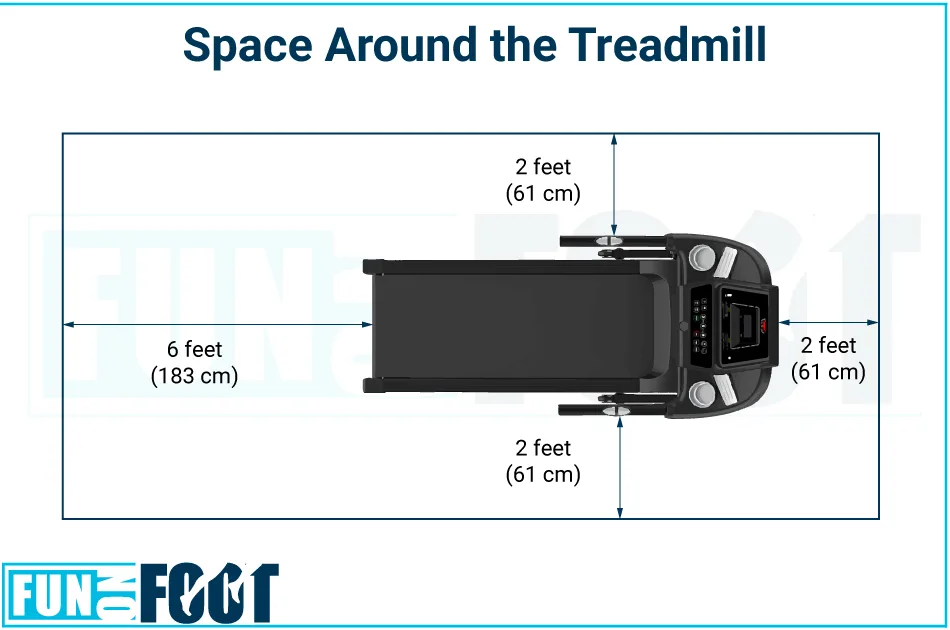
Image source: Bing (Web (fair-use with source credit))
Step 2: Match Deck Length to Your Height and Stride
Height is the next critical variable. Taller individuals have longer natural strides. Manufacturer specs often provide a height range for each deck size.
Aggregate reviews and expert guidelines offer these general benchmarks:
| Your Height | Minimum Recommended Deck Length (Running) | Preferred Deck Length |
|---|---|---|
| Under 5'6" | 50 inches | 52-55 inches |
| 5'6" to 6'0" | 55 inches | 55-60 inches |
| Over 6'0" | 58-60 inches | 60+ inches |
These numbers ensure you have room for your natural gait without clipping the front or back of the treadmill. For users over 6 feet tall, a 60-inch belt is the professional recommendation. It provides a safe margin at higher speeds.
Step 3: Choose Deck Width Based on Your Frame and Comfort
Width affects lateral stability. A narrow belt can feel restrictive. Here's how to choose:
- 18-inch width: Suitable for very petite users or dedicated walking only. Can feel tight for jogging.
- 20-inch width: The standard for most home treadmills. Adequate for jogging and running for average-sized individuals.
- 22-inch width: The premium choice. Provides a spacious, gym-like feel and is better for larger frames or those who want maximum stability.
In our research of user feedback, many runners report that the jump from 20 to 22 inches significantly improves confidence during interval training. The extra two inches prevent any feeling of being hemmed in.
Deck Specs That Actually Matter (and the Numbers You Should Know)
Beyond the basic length and width, other specifications influence the belt's performance and your experience. The continuous horsepower rating should scale with your intended use. A motor under 2.0 CHP may struggle on a long deck during sustained running.
Look for 2.5 CHP for jogging and 3.0+ CHP for serious running on a 60-inch deck. As of 2026, this remains the industry benchmark for durability.
The cushioning system under the belt also matters. On a shorter, stiffer deck, poor cushioning increases impact stress. A well-cushioned deck can make a slightly shorter length feel more comfortable.
Finally, consider the foldability. Long, 60-inch decks are often non-folding. They require a permanent footprint of roughly 7 to 8 feet in length.
If space is a major constraint, a folding 52-inch treadmill might be the practical choice. It's worth comparing how much room a treadmill needs versus the footprint of other cardio gear before you commit.
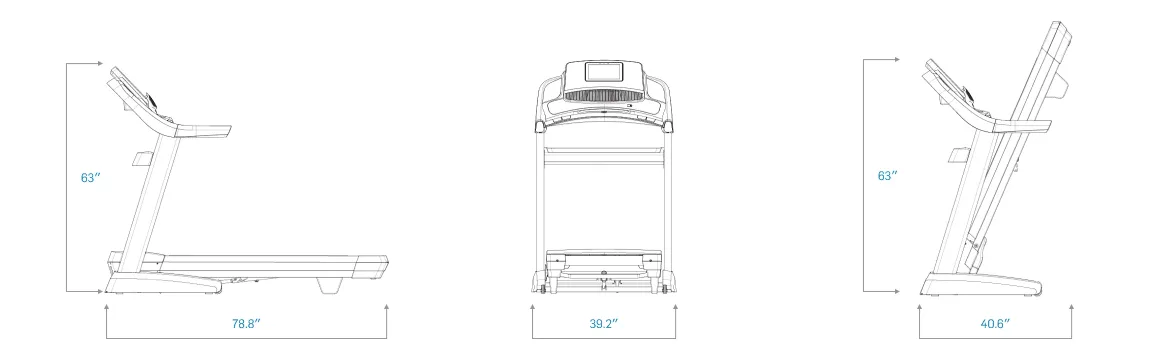
Image source: Bing (Web (fair-use with source credit))
The Biggest Mistakes People Make When Buying a Treadmill Deck
- Ignoring Height for Running: A 5'10" person buying a 48-inch "running" treadmill is setting themselves up for disappointment and potential injury. Always check the height-to-deck-length chart.
- Confusing Walking and Running Sizes: A walking pad is not a running treadmill. A 45-inch belt is fine for 2.5 mph walking. It is dangerous for a 6 mph jog.
- Underestimating Space Needs: A non-folding 60-inch treadmill has a footprint larger than a twin mattress. Measure your room twice. Remember to add clearance space behind the machine for safe dismounts.
- Overlooking Belt Width: Focusing only on length while ignoring width can leave you feeling cramped laterally, especially if you have a broader shoulder stance.
- Buying Based on Price Alone: A $400 treadmill rarely has the motor power to smoothly drive a 55-inch belt for running. The belt length, motor CHP, and build quality are linked. Our advice on budgeting for home gym equipment covers how to balance cost and quality without sacrificing the deck you need.
The right treadmill deck isn't just a spec on a page. It's the foundation of your workout. By working through your activity, height, and space needs, you can select a machine that fits your life perfectly.
Measure carefully, choose wisely, and enjoy a workout that feels natural every time.
Real Scenarios: Matching the Right Deck to the Right Person
Let's walk through three typical situations to see how this decision tree works in practice. These examples use common body types and workout patterns, not extreme outliers.
Scenario 1: The Casual Walker. Sarah is 5'4" and wants a treadmill for a daily 30-minute walk at 3 mph. Her stride stays around 32 inches. A 45-inch belt gives her 6 inches of clearance front and back.
She doesn't need a 60-inch deck, and buying one would waste floor space. The shorter belt is perfectly safe and comfortable for her pace.
Scenario 2: The 5'11" Jogger. Mark weighs 185 pounds and jogs at 5 mph, three days a week. His running stride stretches to roughly 48 inches. Manufacturer guidelines suggest a minimum 52-inch belt.
A 55-inch deck would give him room to speed up during intervals. Settling for a 48-inch walking deck would clip his heels and ruin his form. He needs to step up.
Scenario 3: The 6'2" Runner. Priya is 6'2" and trains for marathons. At her 7 mph base pace, her stride hits 60 inches. She needs a 60-inch belt with a 3.0 CHP motor to drive it smoothly.
Anything shorter forces her to overstride, which risks hamstring strain. She also chooses a non-folding frame because folding mechanisms don't support that deck length.
If you're still weighing cardio options, consider how other machines like ellipticals fit into a room. Our advice on adjusting an elliptical's setup can help you visualize space needs and layout constraints before you buy.
FAQs About Treadmill Belt Size
Can I use a 45-inch treadmill for running?
No. A 45-inch belt is designed for walking only. Running on it forces you to shorten your stride or risk hitting the rear motor cover.
For jogging, step up to at least 52 inches. For serious running, choose 55 to 60 inches. The extra length protects your knees and hips.
What belt length do I need if I'm 5'9"?
For walking, a 48-inch belt works. For jogging, choose at least 52 inches. For running at full speed, you'll be comfortable on a 55-inch deck.
Your stride at 5'9" reaches about 50 inches during a sprint. Adding 5 inches of clearance prevents accidental foot strikes against the housing.
Is a 20-inch wide belt enough?
Yes, for most adults. A 20-inch surface fits joggers and runners up to about 220 pounds. If you have broad shoulders or a larger frame, step up to 22 inches.
That extra width gives your arms natural swing space without grazing the console. For walkers, 18 inches can work, but 20 feels more secure.
Does a longer belt need a stronger motor?
Yes. Longer belts have more surface area and more friction against the rollers. A 45-inch walking belt runs fine on a 1.5 CHP motor.
A 60-inch running belt needs at least 3.0 CHP to maintain speed without overheating. Undersizing the motor leads to belt slip and premature wear. Always match motor power to deck length.
What's the difference between belt length and deck length?
Nothing. The two terms describe the exact same measurement. Manufacturers sometimes call it the "running surface" or "belt size" in spec sheets.
When a treadmill lists a 55-inch deck, that's the usable length of the moving belt. This number does not include the plastic housing or end caps.
Your Decision Guide: What to Check Before You Buy
Before you commit to any treadmill, run through this final checklist. It condenses everything into five practical questions.
- What's your primary pace? Walking needs 45-48 inches. Jogging needs 52-55 inches. Running needs 55-60 inches. Match the belt to your fastest typical pace.
- What's your height? If you're over 6 feet, never accept less than 55 inches. Taller runners clip shorter decks even during gentle jogs. Measure your actual stride by running in place on the floor and marking heel to toe.
- What's your width? Check how much room your shoulders need. A 20-inch belt suits most users. Choose 22 inches if you want a roomier feel or have a wider frame.
- What's your floor space? A 60-inch deck requires roughly 7 feet of floor length. Folding models with shorter belts save space but limit your stride. Measure the room before you measure the spec sheet.
- What's your motor budget? If the motor falls below 2.5 CHP for running, walk away. The belt will struggle to stay smooth at speed. You'll end up replacing the machine sooner than you think.
If you check these five boxes before ordering, you'll land on the right deck almost every time. Remember, the treadmill belt size isn't a luxury variable. It's the core safety feature of your machine.
Take the time to get it right, and your joints will thank you after every session.
For those still exploring cardio options, our take on ellipticals' value offers a useful comparison if you're balancing multiple workout goals. And if you're curious how different equipment affects your routine, see our thoughts on weekly elliptical frequency for perspective on cross-training variety.
The right deck size makes every workout feel natural. The wrong one makes you fight the machine. Now that you know exactly what you need, measure once, buy once, and enjoy running on a surface that actually fits your stride.