How to Unfold a Treadmill
So you've got a folding treadmill sitting upright in the corner, and now you're staring at the latch wondering how to get the deck down without pinching a finger or sending it slamming onto the floor. That moment of hesitation is exactly why we're covering how to unfold a treadmill the right way.
Manufacturer specifications indicate most folding treadmill decks weigh between 50 and 100 pounds, which means an uncontrolled drop isn't just noisy, it can damage the frame, the motor hood, or your toes. The good news? Once you understand the release mechanism and the right sequence, unfolding takes about 15 seconds.
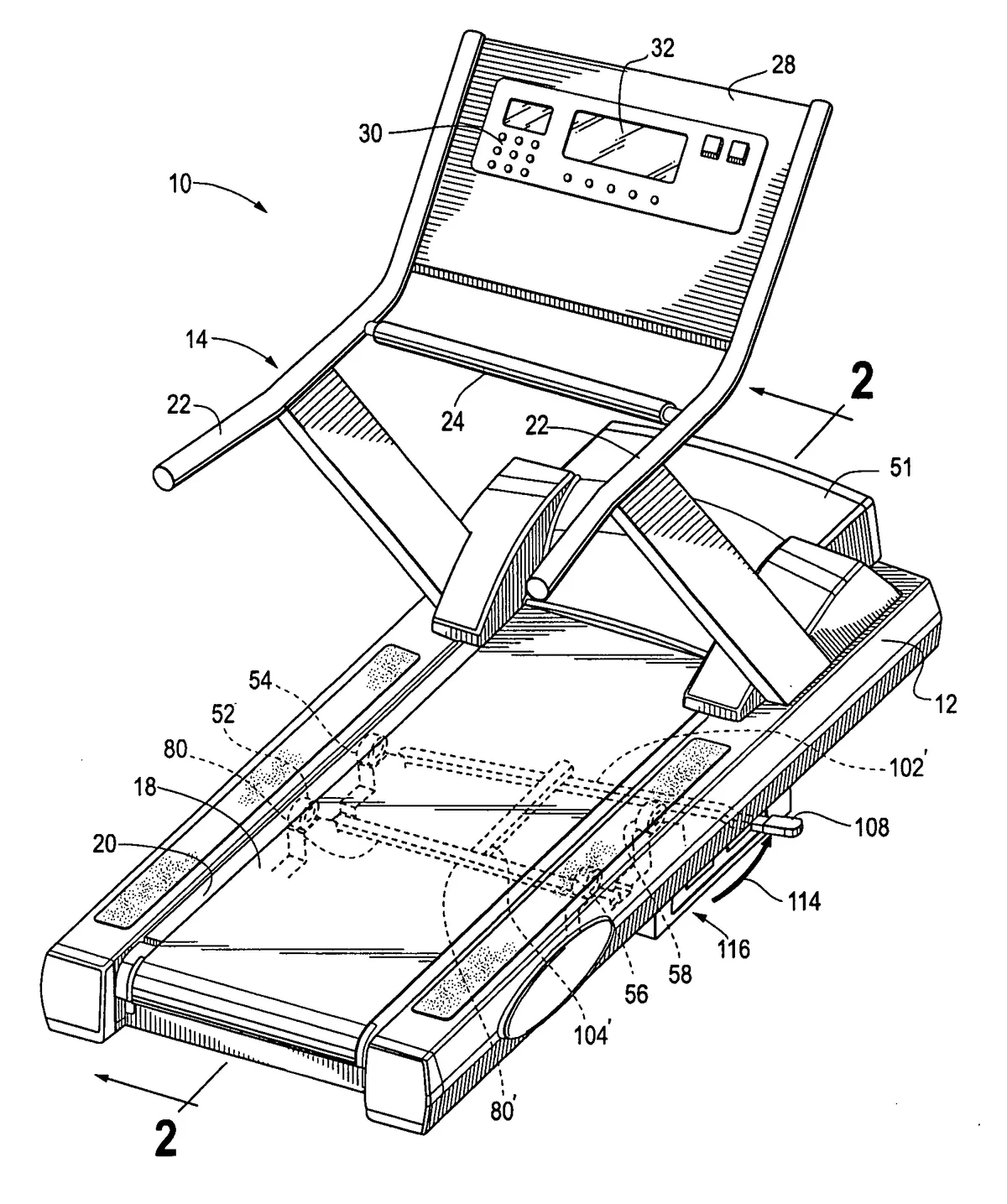
Image source: Bing (Web (fair-use with source credit))
Quick Answer
Pull the release lever or pin while the deck is still fully upright. Hold the lever as you guide the deck down with both hands. The gas shock should control the descent.
If there's no shock, lower it slowly and evenly. Always step back and check the deck is level before you step on.
Read the Machine: Why Your Treadmill's Unfold Mechanism Matters
Every folding treadmill uses one of two systems, and knowing which one you own changes your approach completely.
The first is a manual lock. A pin or latch physically holds the deck upright. You pull it, and gravity does the rest.
These are common on budget and mid-range models. They put all the control in your hands, and honestly, they're the ones where most accidents happen.
The second is a soft-drop system with a gas shock, sometimes called a gas spring. This is what you'll find on most modern treadmills, including NordicTrack, ProForm, Sole, and Horizon models. The shock cylinder pushes back against the deck's weight, so it eases down slowly even if you let go.
If you're picking between home cardio equipment, the same thinking applies to comparing elliptical machines and rowing machines, the mechanism matters as much as the workout.
Before you touch anything, find the owner's manual. It will have a diagram of your exact latch system. If you lost it, look for a sticker near the folding joint or a support page on the manufacturer's website.
The Visual Checklist: Latches, Pins, and Gas Shocks
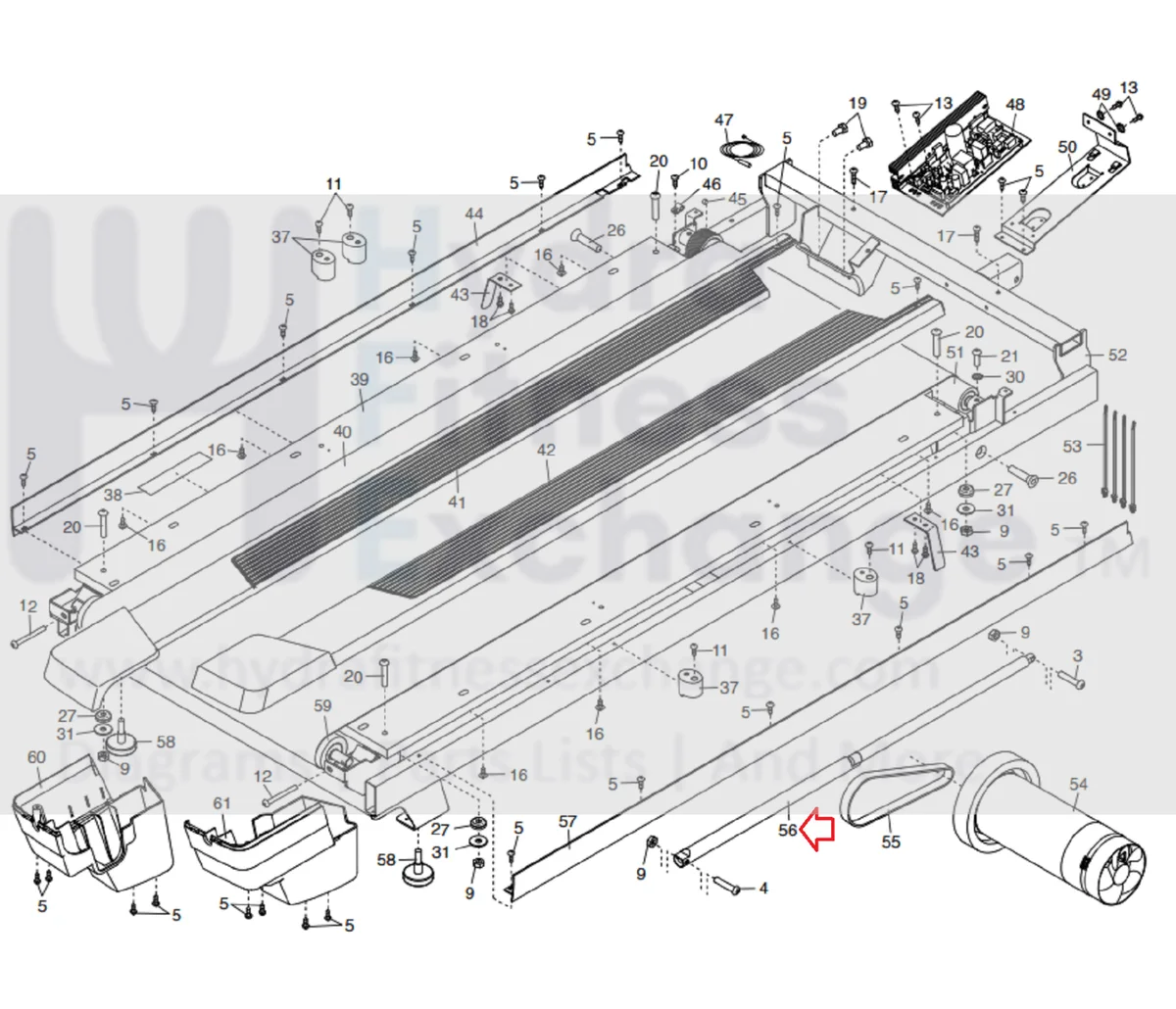
Image source: Bing (Web (fair-use with source credit))
Take thirty seconds to eyeball the mechanism before you pull anything. Here's what you're looking for:
| Component | What It Looks Like | What It Does |
|---|---|---|
| Locking pin | Metal rod or knob near the pivot | Seats into a slot to hold the deck up |
| Release lever | Flat handle or trigger you pull | Pulls the pin out of its slot |
| Gas shock | Silver cylinder tube on each side | Controls the descent speed |
| Hinges | Pivoting joints where the deck meets the base | Allow the deck to rotate down |
How to Tell If You Have a Soft-Drop Assist
Look for the cylinder. If you see a thick metal tube angling from the base frame up toward the deck, that's your gas shock. Some budget treadmills skip it entirely.
If there's no shock or spring, treat the deck like it's fully unassisted. You must control every inch of the drop with your own strength.
Identifying the Locking Pin vs. the Release Lever
The pin holds everything in place. The lever removes the pin. Some designs combine them into one knob you pull straight out.
If your model has a lever, it usually sits at the top of the upright post. Pull it firmly and hold it there. Releasing it before the deck moves can let the pin snap back into the slot.
That's the most common reason a treadmill refuses to unfold, and it's a simple misunderstanding, not a broken machine.
Step-by-Step: How to Unfold a Treadmill Safely

Image source: Bing (Web (fair-use with source credit))
Now we get to the actual process. Set aside ten seconds of patience and follow these steps in order.
Step 1: Clear the Drop Zone
Move anything within three feet of the treadmill, including chairs, toys, and pets. Check the floor behind the base, too. The deck swings down and forward, so you need clearance in both directions.
Step 2: Find and Unseat the Locking Pin
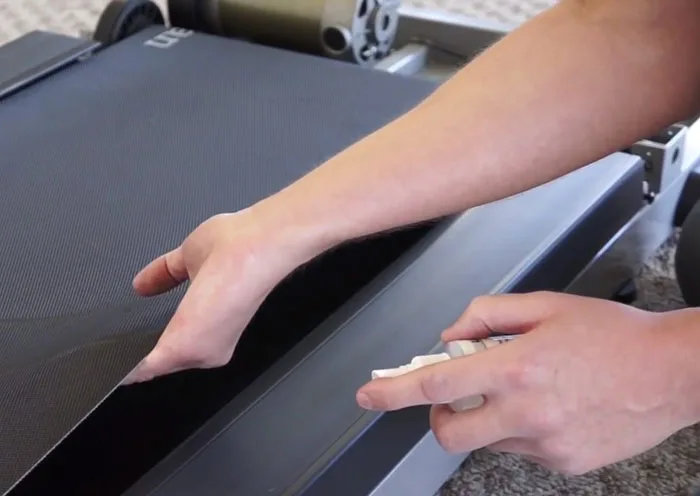
Stand beside the treadmill, not in front of it. Place one hand on the deck itself to support it. With your other hand, pull the release lever or locking pin fully out.
Keep it out while you transition to the next step.
Step 3: Guide the Deck Down with Even Pressure
Keep your support hand under the deck near the center. Let the deck start moving slowly. If you have a gas shock, the cylinder will do the work.
If you don't, use your legs and arms to lower it steadily. Don't jerk it. Don't let go.
Step 4: Check the Deck is Level and Locked In
Once the deck touches the floor, give it a gentle shake. It should feel stable with no wobble. Check that no part of the deck is resting on the release lever.
If it is, the latch could re-engage and lift the deck later.
One quick note: if you're working through initial setup and the deck feels uneven, the same principle of checking your equipment applies to making sure your elliptical is adjusted to your stride. Alignment matters on every machine.
Troubleshooting Visual Clues: Why Your Treadmill Won't Unfold
Most folding treadmills don't break. They just get misunderstood. Here's how to read the warning signs when the deck won't budge.
The Deck Is Stuck Even With the Lever Pulled
You've pulled the lever, but the deck stays upright. Nine times out of ten, this happens because the deck is still under tension. The pin is loaded against the slot, so pulling the lever isn't enough.
The fix: Push the deck up about an inch as you pull the lever. This unloads the pin and lets it slide free. If it still won't move, check for anything wedged in the hinge area.
The Deck Slams Down Despite Having a Gas Shock
That's a weak or failed gas spring. Over time, these cylinders lose pressure. A worn shock drops the deck quickly, which is dangerous.
The fix: Order replacement gas shocks from your manufacturer. They're usually easy to swap with basic hand tools. Until then, unfold with both hands and extra care.
Never stand in front of the deck while it drops.
Regular upkeep on home cardio equipment prevents a lot of these surprises. The same logic that goes into checking why your elliptical squeaks applies here. A little maintenance goes a long way.
Unfold Safety: Protecting Your Fingers, Deck, and Floor
The honest truth is that almost every fold-related injury comes from standing in the wrong spot or letting go too early. Let's fix both.
Keep your body out of the deck's path. Stand to the side when you pull the release. The deck swings down and slightly forward. If you're crouched in front of it, you're in the danger zone.
Use two hands when you don't have a soft-drop. One hand on the lever and one hand on the deck only works if you're coordinated. The safer play is to pull the lever with one hand, then immediately move both hands to the deck as it starts moving.
Check the clearance above. If you're unfolding in a low-ceiling basement, confirm the upright deck has room to swing down without hitting a light fixture or ductwork.
Keep kids and pets out of the room. This isn't paranoia. A curious toddler reaching under a descending deck is a serious pinch hazard. The U.S.
Consumer Product Safety Commission tracks equipment-related injuries, and falls and pinches are near the top. You can review their guidelines at the Consumer Product Safety Commission.
Watch your fingers near the pivot. The hinge area where the deck meets the base is a pinch point. Keep your hands on top of the deck and away from the sides.
Treadmill Unfold FAQs
Do I need two people to unfold a treadmill?
Not usually. If your treadmill has a soft-drop gas shock, one person can handle it easily. Manual-lock models without gas assistance are harder.
The deck weighs 50 to 100 pounds, so listen to your own strength. For a heavy manual deck, a second person is the smart call, not the weak one.
Why does my treadmill deck slam down when I unfold it?
That's a failed gas shock. The cylinder has lost its internal pressure, so nothing slows the deck's descent. Order a replacement from your manufacturer and swap it with basic hand tools.
Until it arrives, use both hands and steady the deck the whole way down.
Can unfolding a treadmill damage the motor?
Only if you let the deck drop hard. The impact travels through the frame and can shift the motor mount or crack the plastic motor hood. A controlled, supervised lower causes no damage to the motor or wiring.
Should I lubricate the folding hinge?
No. The hinge and latch are meant to stay dry. Lubricant attracts dust and grit, which accelerates wear on the pin and slot.
If the hinge squeaks, check the bolt tightness first. Leave the moving parts clean and keep regular maintenance simple, just like you would with other home gym equipment.
The Verdict: Mastering the Unfold with Confidence
Unfolding a treadmill is a two-part skill. The first part is reading the machine, knowing whether you have a gas shock or a manual latch. The second is committing to the sequence every single time: clear the space, hold the deck, pull the lever, guide it down.
Do that consistently and you'll never be caught off guard by a stuck pin or a slamming deck. You'll also protect the components that keep your treadmill running, including the gas shocks, the locking mechanism, and the frame hinges.
Our research shows that most fold-related frustrations come down to two simple mistakes. People pull the lever and let go immediately, or they stand in front of the deck instead of beside it. Both are easy to unlearn.
Take the extra five seconds to check the latch after lowering. Give the deck a gentle shake. Confirm the release lever hasn't caught under the frame.
That small habit turns a 15-second unfold into a completely safe one.
Folding treadmills exist because space is precious in real homes. They only stay convenient if you know exactly how to move them between storage and workout mode. Now you do.
Go lower that deck.