How Much Do Dumbbells Cost
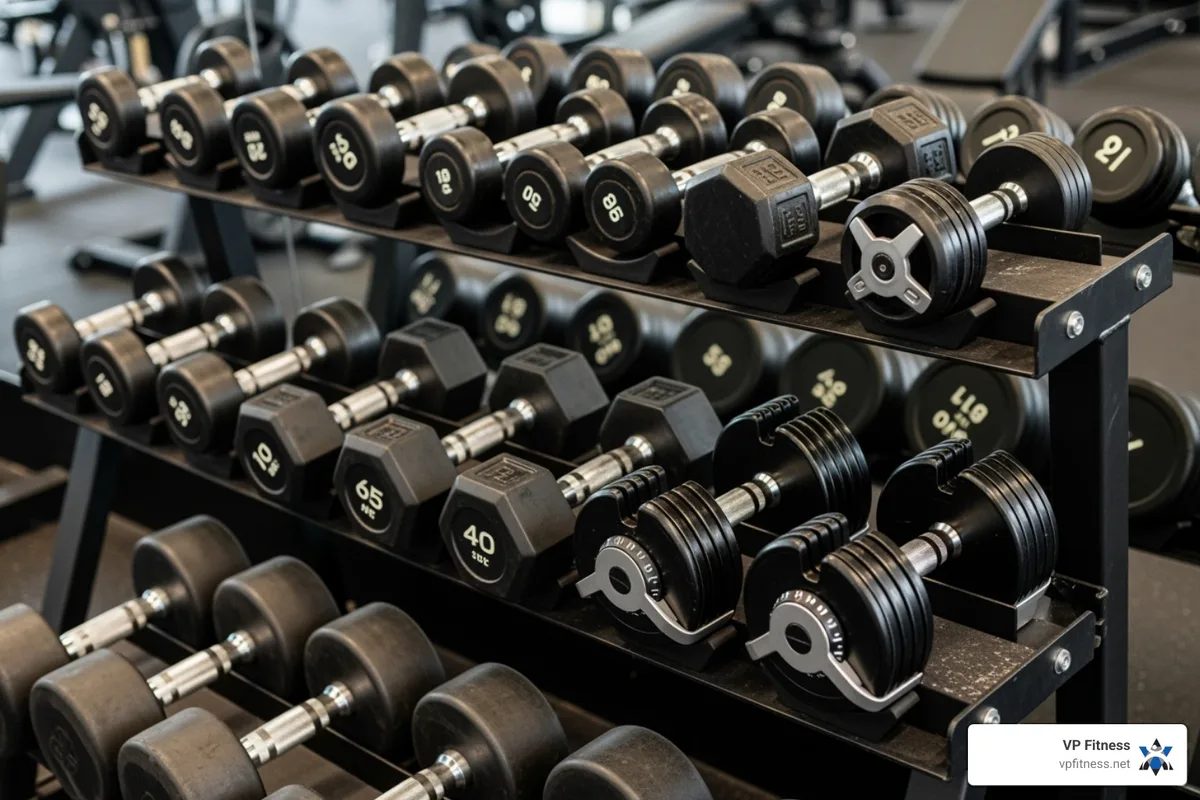
Image source: Bing (Web (fair-use with source credit))
How Much Do Dumbbells Actually Cost? A Smart Buyer's Guide
When you're looking to build a home gym or just add a few key pieces of equipment, dumbbells are often at the top of the list. But stepping into the world of weights can be confusing because how much do dumbbells cost varies wildly. You'll find everything from bargain vinyl-coated pairs to high-end, precision-engineered adjustable sets.
Our research indicates that a typical pair of dumbbells can range from $20 to well over $500, depending on material, type, and weight. Understanding the factors that influence pricing will help you make a smart investment. For instance, a 25 lb rubber-coated dumbbell typically retails for around $1.50 to $2.50 per pound, but this can fluctuate.
Quick Answer: What to Expect
Dumbbell costs depend on type, material, and weight. A basic pair of fixed-weight dumbbells often costs $1.50-$3.00 per pound, putting a 20 lb pair in the $30-$60 range. Adjustable sets are pricier, starting around $100-$150 for lighter options and going up to $500+ for heavier, high-quality models.
Fixed Weight Dumbbells: The Most Common Choice & Their Prices
Fixed weight dumbbells are the classic, no-fuss option. You buy them at a specific weight, and they stay that way. This simplicity is a big part of their appeal, especially for beginners or those who know exactly what weights they need for their routine.
Cast Iron vs. Rubber & Neoprene Coated
The biggest factor in the price of fixed weight dumbbells is the coating and material. Solid cast iron dumbbells are generally the most affordable, especially if they have a simple black oxide or bare iron finish. They're durable but can be noisy and potentially rust if not cared for.
Rubber-coated dumbbells offer more protection for your floors and the weights themselves. They tend to be quieter and easier to grip. This coating adds to the manufacturing cost, so expect to pay a bit more per pound compared to plain cast iron.
Neoprene-coated dumbbells are typically found in lighter weights (under 15 lbs) and offer a comfortable, easy-to-grip surface, often in vibrant colors, making them great for cardio or lighter strength work. As of 2026, a 20 lb rubber-coated dumbbell typically falls between $1.80 and $3.00 per pound.
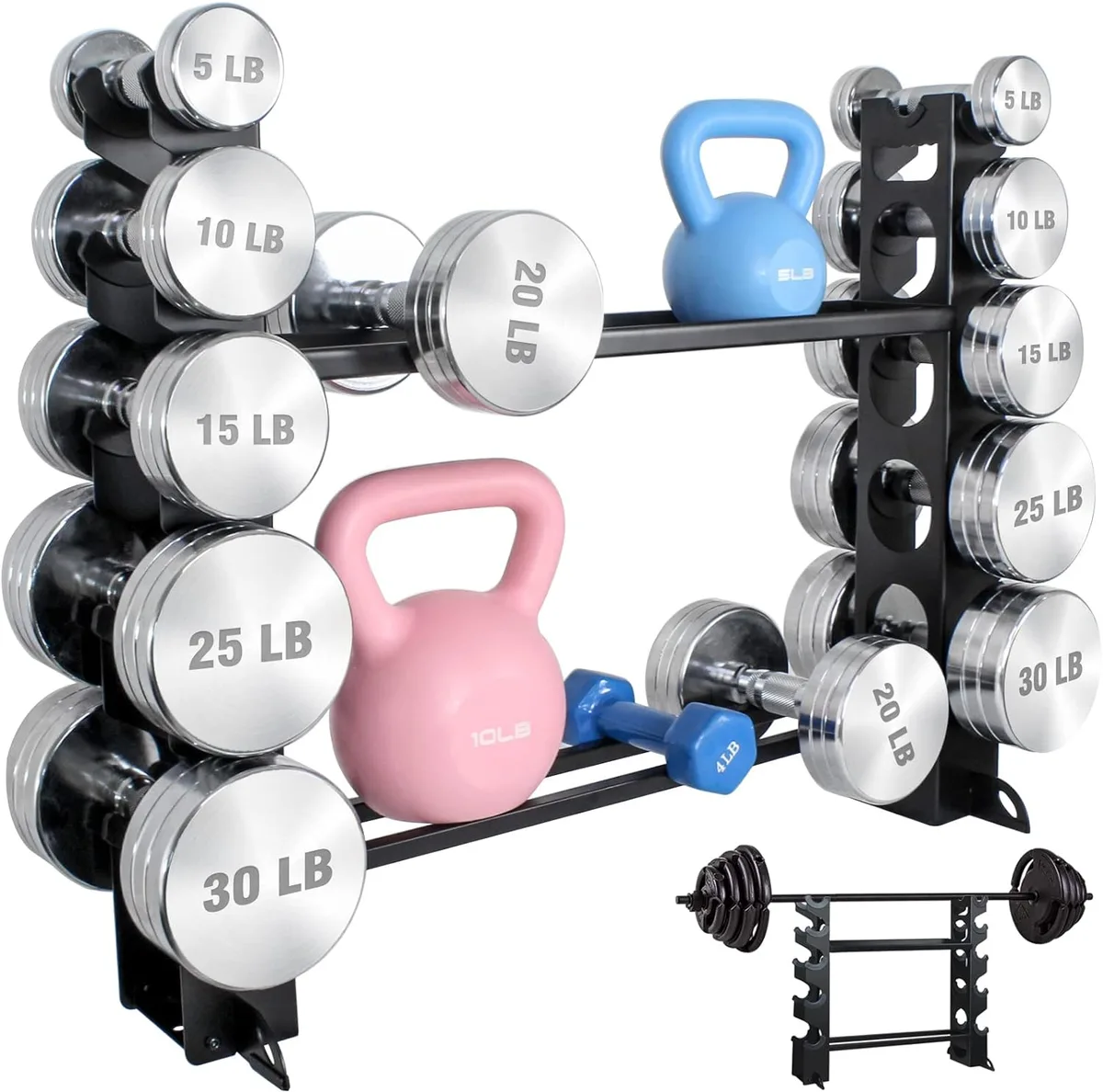
Image source: Bing (Web (fair-use with source credit))
Here’s a general idea of what you might find:
- Bare Cast Iron (Hex or Round): Often the cheapest option, $1-$2 per pound. Can be noisy and might chip.
- Rubber-Coated (Hex or Round): Typically $1.50-$3.00 per pound. More floor-friendly and quieter.
- Neoprene-Coated (Usually Round): Common for lighter weights, $2-$4 per pound. Comfortable grip, often used for higher reps or cardio.
For those building a home gym, investing in a range of fixed-weight dumbbells can be ideal if you have the space. Many users find having pairs from 5 lbs up to 30 or 50 lbs covers most common exercises. If you're just starting, consider a few key pairs like 10 lbs, 15 lbs, and 25 lbs to begin with, rather than buying a whole set upfront.
Adjustable Dumbbells: The Space-Saving, Sometimes Pricier Option
Adjustable dumbbells are a game-changer for home fitness enthusiasts with limited space. Instead of owning multiple pairs of fixed weights, you have one set that can be modified to various weights. This can significantly reduce clutter and, in some cases, the overall cost if you need a wide range of weights.
The cost of adjustable dumbbells varies considerably based on the mechanism used for changing the weight. Simpler spin-lock collars on a bar are the most basic and affordable. More sophisticated selectorized systems, where you dial or slide to change the weight, are considerably more expensive but offer much faster transitions between exercises.
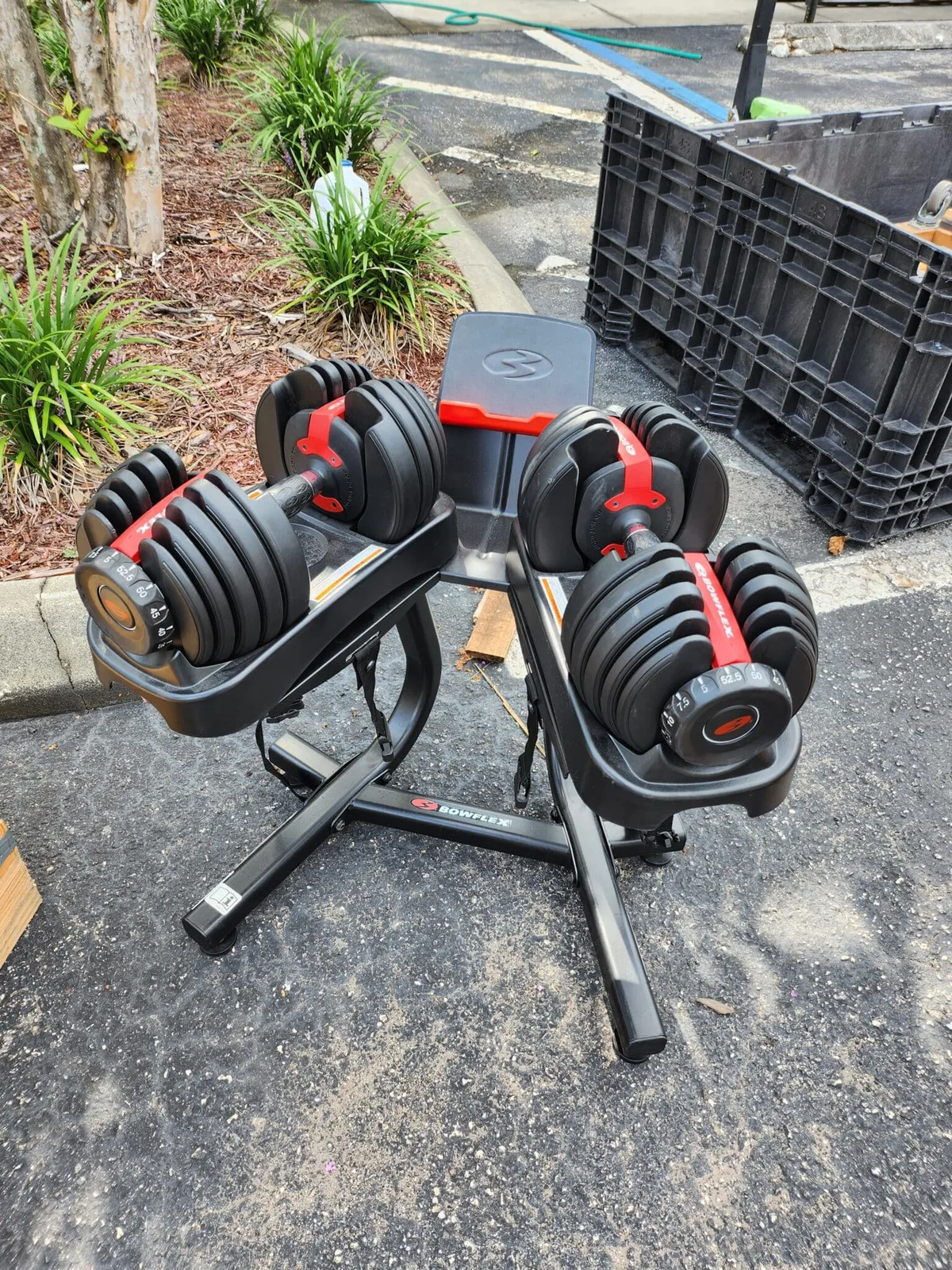
Image source: Bing (Web (fair-use with source credit))
- Spin-Lock Adjustable Dumbbells: These consist of a bar, collars, and weight plates you add or remove. A set that goes up to 50 lbs per dumbbell can often be found for $150-$300. They require manual plate changes.
- Selectorized Dumbbells: These are the high-tech option. You typically use a dial or a pin system to select your desired weight, and the plates automatically load or unload. A pair of these can range from $250 for lighter sets (up to 25 lbs each) to over $700 for heavier sets (up to 50 lbs or more each). The convenience is a major selling point here.
These are ideal for people who want to progress their strength training without dedicating a whole room to weight storage. While the initial outlay for a good pair of selectorized dumbbells might seem high, consider the cost of buying equivalent fixed-weight pairs. A set of fixed 5, 10, 15, 20, 25, 30, 35, 40, 45, and 50 lb dumbbells would easily cost over $1000.
Factors Driving Dumbbell Prices Up (or Down)
It’s not just about the weight; several other elements play a significant role in how much you’ll end up paying for a set of dumbbells. Understanding these factors helps you pinpoint where your money is going and whether the price aligns with the value you're getting.
Material Matters
As we've touched on, the core materials used directly impact cost. Raw cast iron is cheaper to produce than solid steel or specialized composites. Rubber and neoprene coatings add expense due to the material itself and the labor involved in applying it.
High-end dumbbells might use premium steel for their bars and offer precisely machined weights, driving up the price.
Brand Name Premium
Like many products, dumbbells come with brand recognition. Well-established fitness equipment brands often command higher prices for their dumbbells, even if the specifications are similar to lesser-known manufacturers. This premium can be for perceived quality, warranty, or simply brand loyalty.
If you're looking for the most budget-friendly option, exploring brands with solid reviews but less name recognition can be a smart move.
Grip Quality
The grip on a dumbbell is crucial for safety and workout effectiveness. Dumbbells with knurled (textured) steel grips offer excellent traction, preventing slippage. However, this finishing process adds to the manufacturing cost.
Cheaper dumbbells might have smoother, less aggressive knurling or even a simple chrome finish that can become slippery with sweat. Contoured grips, designed to fit the hand more naturally, are also a feature found on pricier models.
Set vs. Individual Purchase
Buying dumbbells as a complete set often offers better value per pound than purchasing individual pairs. Retailers frequently bundle popular weight increments together. However, if you only need a few specific weights to round out your collection, buying them individually might be more cost-effective than investing in a full set you won't fully utilize.
Consider what your current workout needs are and what you anticipate needing in the next year or two.
Dumbbells for Every Budget: Price Ranges & What You Get
When you're figuring out how much to spend on dumbbells, it helps to know what kind of quality and features you can expect at different price points. This isn't an exact science, as sales and brands vary, but it gives you a solid framework for your budget.
Entry-Level (Under $100)
In this range, you're generally looking at lighter fixed-weight dumbbells, usually in the 5 lb to 20 lb range per pair. You might find neoprene-coated or basic rubber-coated options, possibly a very light spin-lock adjustable set with minimal weight plates. Quality might be basic, but they're perfect for beginners or those focusing on high-rep exercises or cardio circuits.
Don't expect premium finishes or heavy-duty construction here.
Mid-Range ($100 – $300)
This is a sweet spot for many home gym enthusiasts. Here, you can afford a wider selection of fixed-weight dumbbells, perhaps up to 30-50 lbs per pair, often with good quality rubber coating and solid hex shapes. You'll also find decent quality spin-lock adjustable dumbbell sets that can go up to 50 lbs or more per dumbbell.
Brands in this range usually offer better durability and more comfortable grips than entry-level options.
Premium (Over $300)
Stepping into the premium category opens up options for higher-end fixed weights, including solid steel dumbbells with superior knurling, or high-quality selectorized adjustable dumbbells that can reach 50 lbs, 75 lbs, or even 100 lbs per dumbbell. These are built for serious lifters and offer exceptional durability, smooth weight transitions, and ergonomic designs. Many of these come with longer warranties, reflecting their robust construction.
If you're looking for the most advanced or heaviest weights, this is where you'll be shopping.
Dumbbell Alternatives & When They Make Sense
While dumbbells are incredibly versatile, they aren't the only game in town for strength training at home. Sometimes, other equipment might fit your needs and budget better, or complement your dumbbell workouts.
- Kettlebells: Similar to dumbbells, kettlebells are free weights, but their unique shape allows for dynamic movements like swings and snatches. They're excellent for building explosive power and cardiovascular endurance. A single kettlebell can offer a full-body workout, and their cost per unit can be comparable to fixed-weight dumbbells.
- Barbell Sets: For foundational strength building, especially for compound lifts like squats and deadlifts, a barbell and weight plates are essential. While the initial investment can be higher, barbells allow you to lift significantly more weight than most dumbbells. This is a different kind of strength training, often less focused on isolation.
- Resistance Bands: These are incredibly affordable and portable, offering variable resistance. They are fantastic for warm-ups, rehabilitation, and adding intensity to bodyweight exercises. While they won't replace heavy dumbbells for pure strength gains, they are a valuable, low-cost addition to any home gym.
- Weight Machines: Unlike free weights, weight machines guide your movement, often making them safer for beginners or those with specific physical limitations. They target muscles precisely but can be expensive and take up considerable space. If your goal is targeted muscle isolation and you have the budget, a machine might be considered, though they lack the functional strength benefits of free weights.
Mistakes People Make When Buying Dumbbells
One of the biggest mistakes is buying too much weight too soon. Many people overestimate their current strength and end up with dumbbells that gather dust. It’s far better to start with lighter weights and gradually increase as you get stronger, which also means a more manageable initial cost.
Another common error is not considering storage. Fixed weight dumbbells, especially in heavier increments, can take up a surprising amount of space. If you have limited room, a compact adjustable set is usually a wiser investment than a dozen pairs of fixed weights.
Also, be wary of exceptionally low prices. Extremely cheap dumbbells might compromise on build quality, grip, or weight accuracy, leading to premature replacement or even injury risk.
Are Super Cheap Dumbbells Worth It?
Generally, no. While you might find incredibly low prices, especially online or at discount stores, these often signal lower quality. They might use inferior materials that rust quickly, have poorly secured weight plates, or offer an uncomfortable, slippery grip.
The longevity and safety of your equipment are paramount, so look for mid-range options from reputable sellers.
Expert Tips for Getting the Best Bang for Your Buck
When you're trying to stretch your fitness budget, a few smart strategies can help you acquire quality dumbbells without overspending. Firstly, shop around and compare prices from different retailers, both online and in brick-and-mortar stores. Don't forget to factor in shipping costs for online purchases, as heavy weights can add up quickly.
Consider buying used equipment. Many people sell their unused dumbbells, often in great condition, at a fraction of the original price. Local classifieds, online marketplaces, or even gym equipment liquidators can be goldmines for finding quality used dumbbells.
Always inspect used weights carefully for any signs of damage, rust, or wear that could affect their performance or safety.
When to Buy New vs. Used
- Buy New: If you need the absolute latest technology (like high-end selectorized models), want a specific warranty, or are purchasing very light weights where used options are scarce.
- Buy Used: Ideal for heavier fixed weights or basic spin-lock adjustable sets. You can save significant money, especially on items that are built to last. Always prioritize safety and inspect carefully.
Dumbbells for Different Needs: Who Benefits Most?
The best type of dumbbell for your needs really depends on your workout goals. If you're focused on bodybuilding and need a wide range of progressive weight increments, adjustable dumbbells can be very appealing. For functional fitness or CrossFit-style training, where quick transitions between weights are common, selectorized adjustable sets shine.
However, if you’re a beginner, have very specific weight needs, or prefer the simplicity of a dedicated weight, fixed dumbbells are excellent. For instance, someone performing a lot of bicep curls and triceps extensions might find having dedicated 10 lb and 15 lb pairs more efficient than constantly adjusting an Olympic bar. People focused on high-intensity interval training (HIIT) might also prefer fixed weights for speed.
When Do Higher-End Dumbbells Make Sense?
Higher-priced dumbbells, particularly premium adjustable sets, are often an investment for serious fitness enthusiasts or those dedicated to home training. If you’re someone who trains frequently, progresses rapidly through weight increments, or demands precision and speed during workouts (like in circuit training), the convenience and performance of top-tier adjustable dumbbells justify the cost.
These models, often featuring precision-engineered selector mechanisms, allow for quick weight changes, saving valuable workout time. They also tend to be more compact, making them ideal for smaller living spaces. The longevity and warranty offered by premium brands can also provide peace of mind, ensuring they withstand rigorous use for years.
For example, a high-quality selectorized set designed for home use might cost upwards of $500 but could replace an entire rack of fixed dumbbells, making the per-pound cost competitive for advanced users.
Frequently Asked Questions About Dumbbell Costs
How much should I expect to pay per pound for dumbbells?
Our research shows that for standard fixed-weight dumbbells, you can expect to pay anywhere from $1.50 to $3.00 per pound. This price can be lower for bare cast iron or higher for premium coatings and materials.
Are adjustable dumbbells more expensive overall than buying a set of fixed weights?
It depends on the range of weights you need. If you require many different fixed weights, an adjustable set can be more cost-effective. A high-end adjustable set might cost $500, but replacing all those fixed weights could easily exceed $1000.
What is the cheapest way to buy dumbbells?
Buying used fixed-weight dumbbells or basic spin-lock adjustable sets is often the most economical approach. Look for sales on entry-level neoprene or rubber-coated pairs if buying new.
Do shipping costs significantly impact the total price of dumbbells?
Yes, shipping can add a considerable amount to the total cost, especially for heavier sets. Always factor in shipping fees when comparing prices online, as it can sometimes make local purchases or options with free shipping more attractive.
Is it better to buy dumbbells individually or as a set?
Buying as a set often provides better value per pound. However, if you only need a few specific weights to complement what you already own, buying individually might be more practical and cost-effective.
Why are selectorized adjustable dumbbells so much more expensive?
Selectorized dumbbells use more complex engineering for quick weight changes, often involving internal mechanisms and precision-machined parts. This convenience and advanced technology come at a higher manufacturing cost.