Are Adjustable Dumbbells Worth It
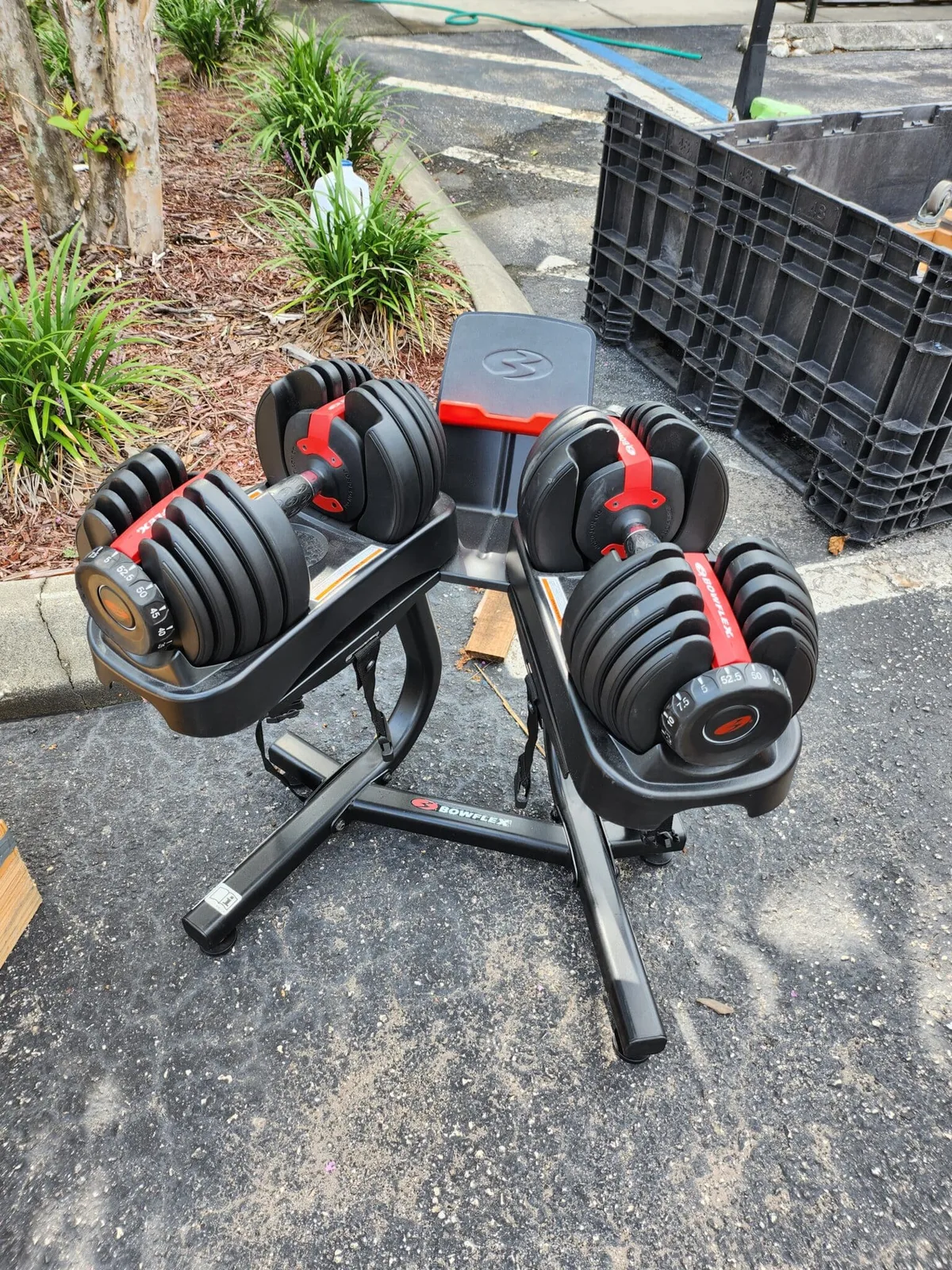
Image source: Bing (Web (fair-use with source credit))
Are Adjustable Dumbbells Actually Worth the Investment?
Thinking about building a home gym and wondering if those adjustable dumbbells are a good fit? It’s a common question, and the answer really boils down to your specific needs, space, and fitness goals. We've looked at the specs and user feedback to give you the straight scoop on whether they live up to the hype.
Most adjustable dumbbell systems allow users to select weights anywhere from 5 pounds up to 50 pounds or even 90 pounds per dumbbell, all within a single unit. This versatility is a major draw, but it's important to consider the full picture before you decide. Let's break down what makes them tick and if they’re the right piece of equipment for you.
Adjustable Dumbbells: What You're Getting For Your Money
When you invest in a set of adjustable dumbbells, you're essentially buying a compact weight system that can mimic multiple pairs of fixed dumbbells. The primary appeal is the ability to change the weight quickly, often with a dial or a pin mechanism, without needing a whole rack of individual weights. This makes them incredibly convenient for exercises that require progressive overload or for performing supersets where you move from one exercise to another with minimal rest.
Manufacturer specifications indicate that many popular models offer weight ranges from as low as 5 lbs up to 50 lbs, with some premium options extending to 90 lbs or more per dumbbell. The mechanism for changing weight typically involves turning a dial at the end of the dumbbell or using a pin to select the desired weight plates. This clever design is what allows a single pair to replace what could be 10 or more pairs of traditional dumbbells.
The Trade-Offs: Adjustable Dumbbells vs. Fixed Weights
Choosing between adjustable dumbbells and a traditional set of fixed dumbbells is a big decision for any home gym. Fixed dumbbells are straightforward, they are exactly the weight they appear to be, offering a reliable and durable option. Their main advantage is their simplicity and often their lower initial cost if you're only buying a few pairs.
However, building a comprehensive set of fixed dumbbells can quickly become expensive and consume a significant amount of space.
Adjustable dumbbells, on the other hand, offer a space-saving solution. Imagine replacing an entire rack of dumbbells with just one pair. This is where their value truly shines.
Aggregate user reviews report that the convenience of quick weight changes is a major benefit, especially for complex workout routines. However, they can be more expensive upfront than a single pair of fixed weights, and the adjustment mechanisms, while usually robust, are an extra point of potential wear over time.
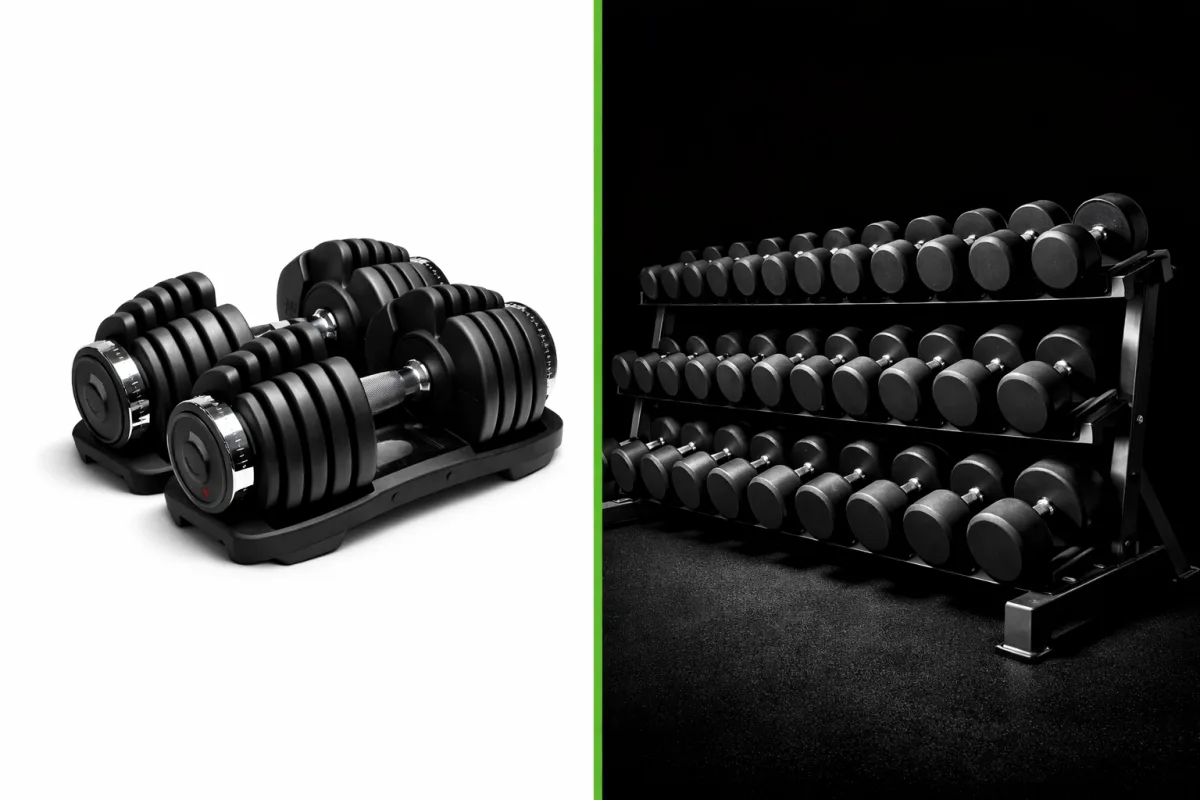
Image source: Bing (Web (fair-use with source credit))
Who Really Benefits Most from Adjustable Dumbbells?
Let's get real: adjustable dumbbells aren't for everyone, but they're fantastic for certain lifters and situations. If you’re tight on space in your home gym, these are a game-changer. Instead of dedicating a whole corner to racks of weights, a single pair of adjustable dumbbells can handle a wide spectrum of your training needs.
You can easily switch from light weights for isolation exercises to heavier loads for compound lifts.
This type of equipment is particularly well-suited for individuals who are progressing in their strength journey. As you get stronger, you won't need to immediately buy new, heavier fixed dumbbells. You can simply adjust your existing set to a higher weight.
This makes them a more economical choice over the long run compared to constantly purchasing new pairs of fixed weights. Plus, for those who enjoy dynamic workouts like supersets or drop sets, the rapid weight adjustment is a huge plus.
Image source: Bing (Web (fair-use with source credit))
Real-World Workout Scenarios with Adjustable Dumbbells
Picture this: you're halfway through a circuit training routine. You’ve just finished a set of dumbbell rows at 30 pounds and need to immediately jump into bicep curls at 20 pounds. With fixed dumbbells, this involves putting the weights down, walking over to your rack, picking up the new weight, and then starting your next set.
It's a time-consuming process that breaks your momentum and your heart rate.
Adjustable dumbbells streamline this entirely. A quick turn of the dial, or a swap of a pin, and you’re ready for the next exercise within seconds. This speed is invaluable for maximizing workout efficiency, especially in busy home gym environments.
For example, a complex leg workout might involve goblet squats at 40 lbs, lunges at 25 lbs, and calf raises at 50 lbs. Switching between these weights on an adjustable set takes mere moments, keeping your workout intense and your rest periods minimal.
Common Pitfalls When Buying and Using Adjustable Dumbbells
While adjustable dumbbells offer a lot of perks, there are definitely some common mistakes people make when buying and using them. One big one is not considering the weight increments. Some sets jump in 5-pound increments, which is fine for many, but if you're doing a lot of very specific progression work, you might find yourself wanting smaller jumps, like 2.5 pounds.
Always check the available increments before purchasing.
Another pitfall is overlooking the durability of the adjustment mechanism. Cheaper models might use plastic parts that can break under stress, especially if dropped. Verified buyer feedback reports that some users have experienced issues with pins not locking securely or dials becoming stiff over time.
When researching, look for models that use sturdy materials like steel and have a proven track record for reliability, as many manufacturers offer warranties as long as 10 years on their mechanisms.
Costs and Considerations: What to Expect
The upfront cost of adjustable dumbbells can seem high, ranging anywhere from $100 for basic models to over $1,000 for high-end, professional-grade sets. A common mid-range pair, capable of going up to 50 lbs per dumbbell, typically falls between $250 and $400. When you compare this to purchasing individual pairs of fixed dumbbells from 5 lbs to 50 lbs in 5-pound increments (which would be 10 pairs), the cost of fixed weights can easily exceed $500-$800 and take up significantly more floor space.
It's crucial to factor in the long-term value. If you plan to consistently increase your training weight, adjustable dumbbells offer a progressive path without requiring constant new purchases. For example, a set that starts at 5 lbs and goes up to 50 lbs in 2.5 lb increments can cater to a wide range of exercises and strength levels.
When considering price, look at the total weight capacity, the quality of materials, and the warranty offered by the manufacturer.
What's the Typical Price Range?
- Entry-Level (Up to 25-35 lbs per dumbbell): $100, $200
- Mid-Range (Up to 50 lbs per dumbbell): $250, $400
- High-End (Up to 70-90+ lbs per dumbbell): $500, $1,000+
Is the Initial Investment Justified?
Our research indicates that for individuals who value space efficiency and the ability to adapt weight easily, the initial investment is often justified. Over several years, the cost per pound of weight can become much lower than continually buying more fixed dumbbells. Consider your current and future training goals; if you anticipate needing a wide range of weights, adjustable dumbbells present a compelling value proposition.
Are They Durable Enough for Serious Training?
Durability is a key concern, especially with the moving parts involved in adjustable dumbbells. Manufacturer specifications often highlight the materials used, such as cast iron or steel for the weight plates and a robust mechanism for weight selection. Reputable brands typically offer warranties, some extending up to 10 years on the adjustment system, which speaks to their confidence in the product's longevity.
However, editorial analysis of user feedback shows that while most adjustable dumbbells are built to last, they aren't invincible. Dropping them from significant heights, especially onto hard surfaces, can damage the weight plates or, more critically, the internal adjustment mechanism. Some models rely on plastic components within the adjustment system, which can be more prone to wear or breakage over time compared to all-metal designs.
Always check reviews for mentions of durability and look for models with solid construction and good warranty support.
What Materials Are Common?
- Weight Plates: Cast iron or steel (often coated in rubber or urethane for protection).
- Adjustment Mechanism: Steel, aluminum, or durable composite plastics.
- Handle: Often knurled steel for grip, sometimes with a rubber coating.
How Do They Handle Impact?
While designed for regular use, adjustable dumbbells are generally not intended to be slammed or dropped excessively. This can compromise the integrity of the weight selection system. For exercises that involve dynamic dropping, like Olympic lifts (which typically use barbells anyway), traditional bumper plates are more appropriate.
For standard strength training, they hold up well with proper care.
Can They Really Replace a Full Set of Weights?
Yes, for most common strength training exercises, a good pair of adjustable dumbbells can effectively replace a substantial portion of a fixed dumbbell collection. A set that goes up to 50 lbs can handle everything from light isolation work like lateral raises to heavier compound movements such as goblet squats or Romanian deadlifts. If your training requires weights significantly over 50 lbs, you might need to consider supplementary equipment or a higher-end adjustable set that offers greater weight capacity.
The versatility is their main selling point. You can perform a vast array of exercises targeting every major muscle group. Think about doing chest presses, shoulder presses, rows, curls, extensions, lunges, and more, all with the same pair of adjustable weights.
For many individuals building a home gym, the ability to transition seamlessly between different weight requirements for various exercises is a significant advantage over being limited by the specific weights you own.
What Exercises Are Best Suited?
- Compound Lifts: Squats, deadlifts, presses, rows.
- Isolation Exercises: Bicep curls, tricep extensions, lateral raises.
- Full-Body Circuits: Easy to transition between exercises with different weight needs.
When Might You Need More?
If your program consistently involves lifting weights heavier than the maximum capacity of your adjustable set (e.g., well over 50-70 lbs for advanced athletes), you may need to supplement with additional fixed dumbbells or consider a higher-capacity adjustable system. For specialized Olympic or powerlifting training that requires very specific, heavy loads, barbells and plates are typically the primary tools.
How to Care for Your Adjustable Dumbbells
Proper maintenance will ensure your adjustable dumbbells last for years. The most critical aspect is keeping the weight adjustment mechanism clean and free of debris. After each workout, especially if you're training in a dusty environment or outdoors, wipe down the dumbbells.
This prevents grit from interfering with the dial or pin system.
Periodically, inspect the adjustment mechanism for any signs of wear or stiffness. Some manufacturers recommend applying a light lubricant, like silicone spray, to the mechanism if it becomes difficult to turn. Always consult your product manual for specific care instructions, as different designs may have unique maintenance needs.
Storing them properly, ideally in their cradles or on a designated rack, also prevents damage and keeps them organized.
What's the Best Way to Clean Them?
- Regular Wiping: Use a damp cloth to wipe down the weight plates and handle after each use.
- Mechanism Cleaning: For the adjustment mechanism, use a dry brush or compressed air to remove dust and small particles.
What About Lubrication?
- Consult your user manual. Some mechanisms benefit from a light silicone-based lubricant applied sparingly to moving parts. Avoid oily lubricants that can attract dust.
Are They Safe to Use? Understanding the Risks
When used correctly, adjustable dumbbells are as safe as any other form of free weight. The primary safety concern revolves around the weight selection mechanism. It's essential to ensure the desired weight is fully locked in before you begin lifting.
Many systems provide a clear visual or auditory confirmation when the weight is set correctly. Never start an exercise if you are unsure the weight is properly secured.
As mentioned earlier, dropping adjustable dumbbells can be risky, not just for the equipment but also potentially for your feet or the floor. Always maintain control throughout the lift and lower the weights with intention. If the mechanism feels loose or faulty, stop using the dumbbells immediately and consult the manufacturer or consider replacement.
As of 2026, standards for home fitness equipment continue to evolve, but following basic safe lifting practices remains paramount.
Frequently Asked Questions About Adjustable Dumbbells
How long does it take to change the weight?
This varies greatly by design. Dial-based systems can often change weights in just a few seconds, sometimes less than 5. Pin-based systems might take slightly longer, perhaps 10-20 seconds, depending on how quickly you can pull and reinsert the pin.
Our research suggests faster adjustment leads to more efficient workouts, especially for supersets.
What if the adjustment mechanism breaks?
Most reputable manufacturers offer a warranty, often for several years, covering defects in the adjustment mechanism. If yours breaks, contact the seller or manufacturer directly. For less expensive models without robust warranties, repair might be difficult or uneconomical, and replacement could be the best option.
Can I use adjustable dumbbells for plyometrics?
Generally, no. Adjustable dumbbells are designed for strength training, not for explosive, dynamic movements that involve dropping the weights. The adjustment mechanisms are not built to withstand the repeated impact of being dropped, which could lead to damage or failure.
Always use equipment designed for its intended purpose.
How much space do they actually save?
A single pair of adjustable dumbbells, when stored in their rack or cradle, typically occupies a footprint of about 1-2 square feet. Compare this to a rack holding dumbbells from 5 lbs to 50 lbs, which can take up 10-20 square feet or more of floor space. This makes them ideal for apartments, small rooms, or any home gym with limited square footage.
The Final Verdict: Are They Right for Your Home Gym?
Ultimately, the decision on whether adjustable dumbbells are "worth it" hinges on your personal fitness goals, available space, and budget. If you’re aiming for a versatile, space-saving home gym that allows for progressive overload without accumulating dozens of individual weights, then yes, they’re a fantastic investment. They offer incredible convenience for switching between exercises and weights, keeping your workouts efficient and challenging.
However, if you prioritize absolute simplicity, prefer not to deal with any mechanical components, or require extremely heavy weights beyond the typical 50-70 lb range, a set of fixed dumbbells might still be a better fit. Weigh the upfront cost against the long-term value, consider the space you have, and think about how smoothly you want your workouts to flow. For many, the benefits of adaptability and space efficiency make adjustable dumbbells a smart and practical choice for a comprehensive home training setup.