How to Choose the Right Dumbbell Weight
Choosing the right dumbbell weight is one of the most crucial steps for anyone looking to build strength, muscle, or simply improve their overall fitness. Grabbing weights that are too heavy can lead to injury and poor form, while weights that are too light won't provide the stimulus your muscles need to grow and adapt. Getting this decision right sets the foundation for effective and safe training.
Image source: Bing (Web (fair-use with source credit))
This guide breaks down exactly how to determine the ideal starting weight for your workouts, considering your current fitness level, your specific goals, and the types of exercises you plan to perform. We’ll cover how to test for the right weight and what to do as you get stronger, ensuring your training remains challenging and productive.
Quick Answer
To choose the right dumbbell weight, start with a weight that allows you to perform 8-12 repetitions with good form but is challenging by the last few reps. Consider your fitness level, strength goals, and the specific exercise you're doing. For instance, a 10-pound dumbbell might be suitable for bicep curls, but too light for squats.
The Problem: Picking Dumbbell Weights That Actually Work
You've decided to incorporate dumbbells into your training routine, which is a fantastic choice for building strength and muscle. However, a common hurdle many face is figuring out which weight to actually pick up. It's not as simple as just grabbing the first pair that feels okay.
If a weight is too heavy, you risk straining muscles, developing bad lifting habits, or worse, causing injury. On the flip side, if the weight is too light, you won't be challenging your muscles enough to see real progress. This can lead to frustration and a feeling that your workouts aren't effective, even when you're putting in the effort.
Your First Steps: What to Consider Before You Grab a Weight
Before you even think about picking up a dumbbell, there are a few key factors to consider. These will act as your guideposts for selecting a weight that’s appropriate for you right now.
How Your Fitness Level Changes Everything
Your current fitness level is the most significant determinant of what dumbbell weight you should start with. Someone new to strength training will need a much lighter weight than someone who has been lifting consistently for years. Research from the National Strength and Conditioning Association (NSCA) emphasizes starting conservatively and prioritizing form to build a solid foundation.
- Beginner: If you’re new to lifting or returning after a long break, focus on learning the movement patterns. You'll likely start with lighter weights to ensure proper technique.
- Intermediate: You’ve got a few months to a year of consistent training under your belt. You should have a good understanding of form and be ready to challenge yourself with slightly heavier weights.
- Advanced: You've been training consistently for years and have a well-developed strength base. You'll be using significantly heavier weights and focusing on progressive overload to continue seeing gains.
Image source: Bing (Web (fair-use with source credit))
If you're unsure where you fall, it's always safer to err on the side of caution and start lighter. You can always increase the weight, but recovering from an injury can take much longer.
What Are Your Workout Goals?
Your primary fitness goals heavily influence the weight you should choose, especially concerning the number of repetitions you aim for. The weight that’s ideal for building maximum strength will likely be different from the weight used for building muscle endurance.
- Strength Building: If your main goal is to increase maximal strength (lifting the heaviest weight possible), you'll typically work in lower repetition ranges. This often means using a heavier dumbbell where you can only perform 1-5 repetitions with good form.
- Muscle Growth (Hypertrophy): For building muscle mass, the most common range is 8-12 repetitions per set. You'll want a weight that makes those last few reps challenging but still allows you to maintain correct form.
- Muscular Endurance: If your goal is to have muscles that can perform repeated movements for extended periods, you'll use lighter weights for higher repetitions, often 15-20 or more.
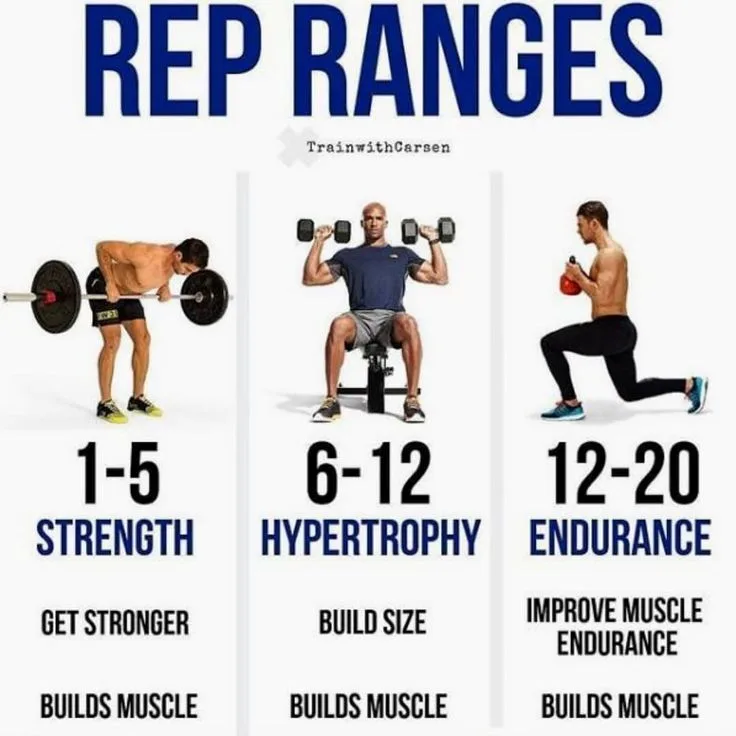
Image source: Bing (Web (fair-use with source credit))
Aggregating data from various exercise science studies indicates that for hypertrophy, a weight that allows for 70-85% of your one-rep max (the most weight you can lift for a single repetition) is generally effective when targeting the 8-12 rep range. As of 2026, this remains a widely accepted principle.
Which Exercises Will You Do?
Different exercises recruit different muscle groups and involve varying ranges of motion, which means the appropriate dumbbell weight can change significantly from one movement to another. For example, an exercise that uses large muscle groups, like a dumbbell squat, will require a heavier weight than an isolation exercise targeting smaller muscles, like a dumbbell bicep curl.
- Compound Exercises: These movements work multiple muscle groups simultaneously and typically allow you to lift heavier weights. Examples include dumbbell bench presses, rows, squats, and lunges.
- Isolation Exercises: These target a single muscle group and usually involve lighter weights. Examples include bicep curls, triceps extensions, and lateral raises.
It’s common and perfectly normal to use a heavier set of dumbbells for squats and a lighter set for bicep curls within the same workout. Understanding this difference helps you select an appropriate weight for each specific exercise you perform. For guidance on exercise selection and programming, resources from the American College of Sports Medicine (ACSM) provide excellent frameworks.
The Quickest Way to Estimate Your Starting Dumbbell Weight
Once you've considered your fitness level, goals, and the exercise type, there's a practical method to estimate your starting weight. It involves finding a weight that challenges you within a specific repetition range. This is the most direct way to land on a suitable weight without overcomplicating things.
Testing with Repetition Ranges
The most effective way to find your starting weight is to pick a dumbbell and see how many repetitions you can complete with good form.
- Select a Weight: Choose a dumbbell that you think might be appropriate based on the factors above. If you're completely new, start with the lightest available weights.
- Perform Repetitions: Aim to complete your target number of repetitions (e.g., 8-12 for muscle growth).
- Assess Difficulty:
- Too Easy: If you can easily complete more than your target number of reps (e.g., you can do 15 reps when aiming for 8-12) and still feel like you have plenty of energy left, the weight is too light.
- Just Right: If you can complete your target number of reps (e.g., 8-12) but the last 1-3 reps are genuinely challenging and require significant effort to maintain good form, you've likely found your weight.
- Too Heavy: If you struggle to complete even half of your target repetitions with good form, or if your form breaks down significantly before you reach the target, the weight is too heavy.
This testing process should be done for each specific exercise you plan to perform with dumbbells. Don't assume the weight that works for a squat will work for a shoulder press.
Common Dumbbell Weight Mistakes and How to Dodge Them
Even with the best intentions, it’s easy to stumble when trying to select the right dumbbell weight. Understanding these common pitfalls can save you a lot of frustration and potential setbacks.
- The Ego Lift: This is perhaps the most frequent mistake. People choose a weight that looks impressive or that they wish they could lift, rather than what they can actually lift with proper form. This often leads to cheating movements, poor technique, and an increased risk of injury.
- Not Adjusting for Different Exercises: As mentioned, the weight for a bicep curl is very different from a squat. Assuming you can use the same weight for all dumbbell exercises is a recipe for ineffective training. Always test or estimate a weight for each new movement.
- Sticking with the Same Weight Too Long: Progress is key in strength training. If you've been using the same set of dumbbells for weeks or months without feeling a noticeable increase in challenge within your target rep range, you’re likely not progressing efficiently. This is known as reaching a plateau.
- Ignoring Form: Your form is paramount. If you have to sacrifice good technique to lift a certain weight, that weight is too heavy. Poor form not only reduces the effectiveness of the exercise but also significantly increases your risk of injury.
- Not Warming Up Properly: A thorough warm-up prepares your muscles and nervous system for the work ahead. Trying to lift heavy weights cold can make your muscles feel tighter and more prone to strains.
To avoid these issues, always prioritize proper technique over the number on the dumbbell. If you’re ever in doubt, it's better to go lighter and perform more controlled repetitions.
Adjusting Your Dumbbell Weight: When and How to Go Heavier
Once you've established your starting dumbbell weights, the next crucial step is knowing when and how to increase them. This process, known as progressive overload, is what drives long-term strength and muscle gains. Without it, your muscles will eventually stop adapting and your progress will stall.
When to Increase Weight:
The most straightforward indicator that it’s time to increase your dumbbell weight is when you can comfortably complete the upper end of your target repetition range for all prescribed sets with excellent form.
- Example: If your goal is hypertrophy (8-12 reps) and you're doing dumbbell rows, and you can consistently perform 3 sets of 12 repetitions with perfect form and without excessive strain on the final rep, it's time to consider a heavier weight. Aggregate reviews from fitness professionals suggest this benchmark is highly reliable.
How to Increase Weight:
When it's time to go heavier, the general rule of thumb is to increase by the smallest increment available. For most dumbbell sets, this means going up by 2.5 to 5 pounds (or roughly 1-2.5 kilograms).
- Select the Next Weight: Choose the next available heavier dumbbell.
- Re-test Your Reps: Perform the same exercise with the new, heavier weight. You will likely find that you can only do fewer repetitions now, perhaps 6-8 reps. This is expected.
- Work Back Up: Your goal now is to gradually work your way back up to the higher end of your target rep range (e.g., 12 reps) with this new weight. Once you can do that for all sets with good form, you’ll be ready to increase the weight again.
This method ensures you're consistently challenging your muscles without introducing excessive fatigue or compromising your form. This principle is supported by numerous studies on resistance training, as documented by organizations like the American College of Sports Medicine (ACSM).
Dumbbell Weight Options: What Are You Actually Choosing Between?
When you go to buy dumbbells, you'll see a few different types. While they all serve the same basic purpose, adding resistance to your workouts, their design and materials can affect how you use them and how long they last. Understanding these differences can help you make a more informed decision if you're looking to buy your own set.
- Cast Iron Dumbbells: These are the classic, no-frills dumbbells. They are durable and straightforward, often found in gyms. They can be prone to rusting if not cared for, and they can be noisy if dropped. Their smooth surface means you need to grip them firmly.
- Rubber-Coated Dumbbells: These are popular in commercial gyms because the rubber coating helps protect the floor if dropped and reduces noise. The coating also provides a slightly better grip than bare cast iron. However, they can have a distinct rubber smell initially.
- Neoprene Dumbbells: Often found in lighter weights, neoprene dumbbells are coated in a soft, often colorful, material. They offer an excellent grip, are comfortable to hold, and are usually designed for exercises where you might hold the dumbbells for extended periods or do high-rep sets. They are less common for very heavy lifts.
- Adjustable Dumbbells: These are a space-saving option. They consist of a handle and a set of weight plates that can be added or removed using a collar. They offer a wide range of weight options in a single pair, which is great for progressive overload. However, adjusting them between sets can take time.
Each type has its pros and cons. For a home gym where space might be a concern, adjustable dumbbells are a strong contender. For durability and a no-nonsense approach, classic cast iron or rubber-coated weights are excellent.
When to Seek Professional Guidance on Dumbbell Weights
While this guide provides a solid framework for selecting dumbbell weights, there are certain situations where consulting a fitness professional or healthcare provider is highly recommended. They can offer personalized advice tailored to your specific needs and health status.
If you have any pre-existing health conditions, especially cardiovascular issues, joint problems, or a history of injuries, it's crucial to get the go-ahead from your doctor before starting or significantly altering a strength training program. They might have specific weight recommendations or limitations for you.
Similarly, if you're completely new to exercise or feel overwhelmed by the choices, a certified personal trainer can be invaluable. They can assess your form in real-time, help you identify your true starting weights for various exercises, and create a safe and effective workout plan. This is especially important if you're working towards specific rehabilitation goals or have very particular strength targets.
The principles outlined by the Mayo Clinic on starting a fitness program often emphasize consulting with a healthcare provider.
Frequently Asked Questions About Choosing Dumbbell Weights
What if I'm unsure between two weights?
If you find yourself wavering between two dumbbell weights, always choose the lighter one. It’s much safer to start with a weight you can control and gradually increase it as you get stronger. Pushing too hard with a weight that's too heavy can lead to injury and poor form, hindering your progress more than choosing a slightly lighter weight.
How often should I increase my dumbbell weight?
You should aim to increase your dumbbell weight when you can comfortably complete the upper end of your target repetition range for all sets with perfect form. For example, if your goal is 8-12 reps and you can easily do 3 sets of 12 with a particular weight, it's time to go up. This progression might happen every few weeks or even every couple of months, depending on your training intensity and consistency.
Can I use different weights for different exercises?
Absolutely, yes. It's not only common but also recommended to use different dumbbell weights for different exercises within the same workout. Exercises that engage larger muscle groups, like dumbbell squats or deadlifts, will naturally require heavier weights than exercises that target smaller muscles, such as bicep curls or triceps extensions.