What Muscles Does a Spin Bike Work
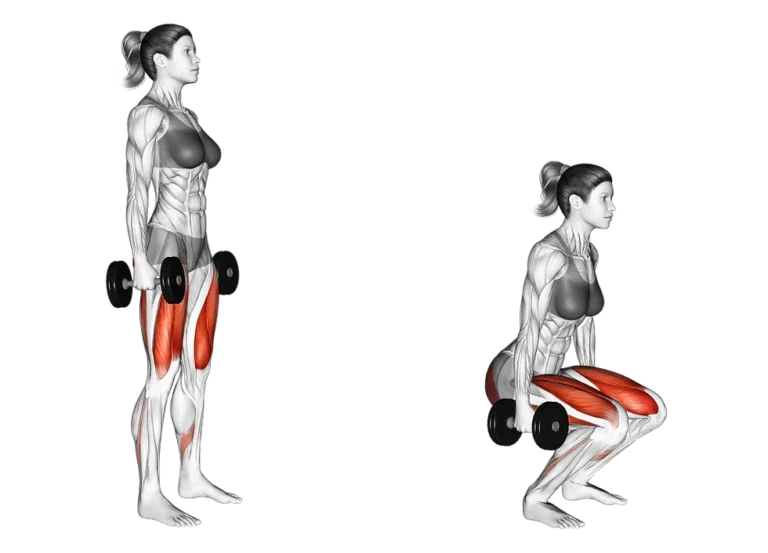
You can feel your quads screaming after a steep climb, but the truth is, a spin bike works far more than the front of your thighs. So what muscles does a spin bike work? The short answer: your quads, hamstrings, glutes, calves, hip flexors, and even your core and upper back all join the pedal stroke.
Which muscles carry the load depends on your body position, resistance, and the phase of the stroke.
Manufacturer specifications and biomechanics research confirm that a smooth pedal stroke is a coordinated sequence of muscle contractions, not just a push down on the pedals. As of 2026, even budget-friendly spin bikes come with cadence and resistance ranges that expect riders to understand muscle function. Before you crank up the tension, let's break down the pedal stroke and see exactly which muscles are working.
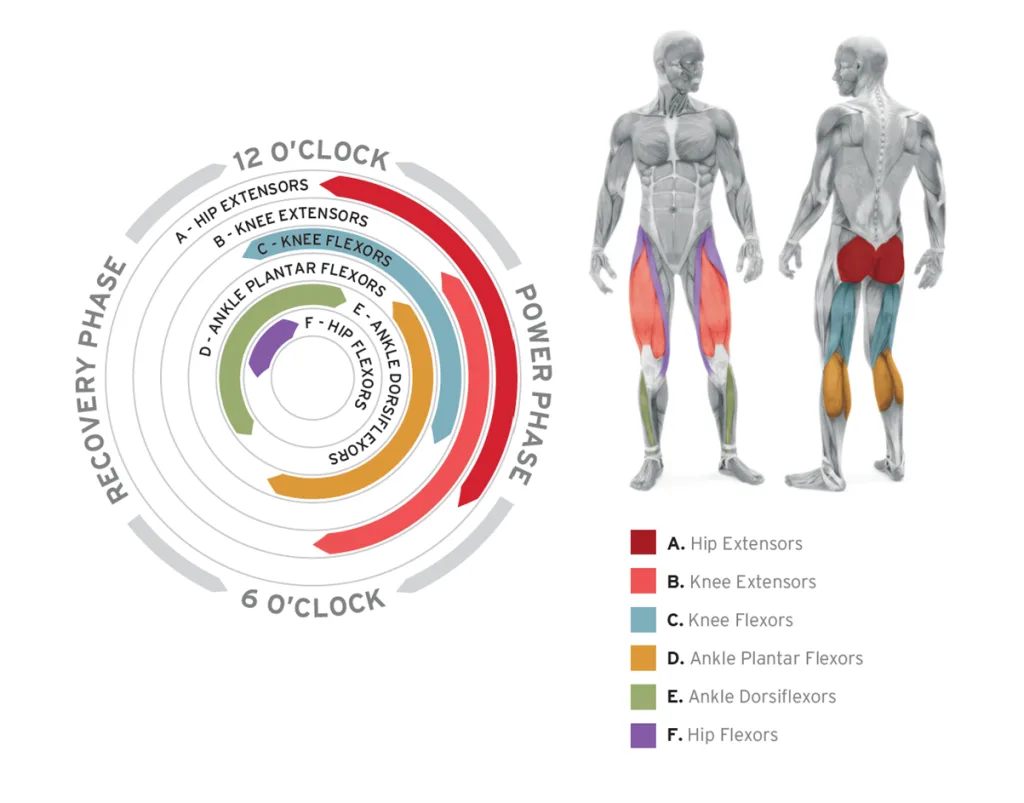
Image source: Bing (Web (fair-use with source credit))
Quick Answer: What Muscles a Spin Bike Works (and What It Misses)
Spin biking works your quads, hamstrings, glutes, calves, hip flexors, and core. Your upper back and shoulders act as stabilizers. Heavy resistance shifts emphasis to the glutes and quads.
High cadence involves the hamstrings and core more. The bike misses your upper body through a full range of motion.
The Pedal Stroke Breakdown: Which Muscles Fire When
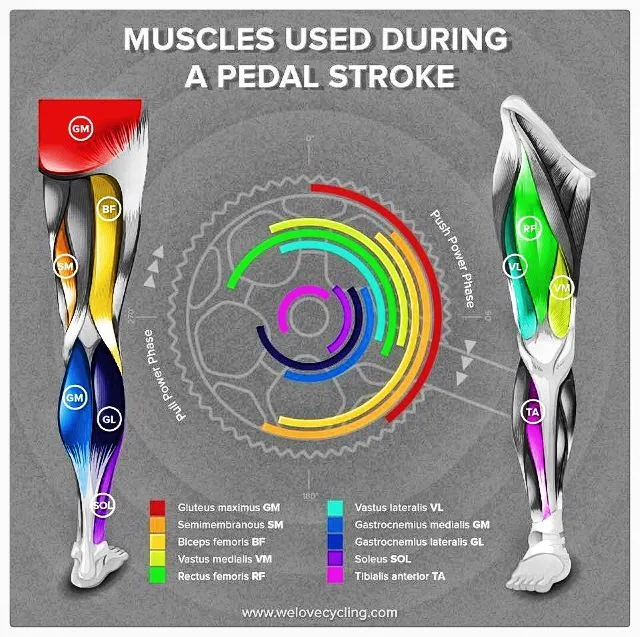
Image source: Bing (Web (fair-use with source credit))
Think of your leg moving in a circle, not just up and down. Each phase of the pedal stroke recruits a different set of muscles. According to the American College of Sports Medicine, muscle activation shifts with resistance and cadence, which is why technique matters as much as effort.
Here's a closer look at each phase.
Downstroke: Quads and Glutes
The downstroke runs from the top of the pedal stroke to the bottom. Your quadriceps extend the knee while your gluteus maximus extends the hip. These two muscle groups produce most of your raw power.
Heavy resistance forces them to work even harder.
If you stand on the pedals, the glutes take on a bigger share of the load. This is the phase that makes your thighs burn during climbs. Riders who always stay seated tend to overwork the quads and shortchange the glutes.
Upstroke: Hamstrings and Hip Flexors
The upstroke is where most riders lose power. Instead of actively pulling up, they simply let the pedal rise. Pulling through the bottom and lifting your heel toward the rear engages the hamstrings and the iliopsoas, one of your main hip flexors.
Beginners often skip this phase entirely. That's a mistake, because training the upstroke keeps your pedal stroke smooth and gives your quads a brief recovery moment every rotation. The result is a more efficient ride and better hamstring involvement.
Ankle Push: Calves and Shins
At the bottom of the stroke, your foot performs a quick push-forward and downward motion, as if you're scraping mud off your shoe. That movement activates the gastrocnemius and soleus in the calf. The tibialis anterior, running along the front of your shin, helps stabilize the ankle.
If your calves cramp during rides, you're probably mashing the pedals without using this ankle phase. Focus on smooth circles instead of stomping, and the cramping often disappears.
Seated vs. Standing: How Your Position Changes the Muscle Work
Your riding position changes the equation. Seated riding keeps your hips flexed and forces your quads to do more of the early part of the stroke. Standing up shifts your center of gravity forward and adds your body weight to the pedal.
That extra load is why standing climbs feel so much harder.
In a standing position, your glutes and hamstrings have to produce more force to drive the pedal down and pull it back up. Your core also lights up because it has to keep your upper body stable over the handlebars. Spin classes often cue "seated climb" and "standing climb" for a reason.
Seated climbs build quad strength. Standing climbs recruit more glutes and test your core stability.
If your goal is building your glutes, include plenty of standing work with heavy resistance. If you want to build quad endurance, stay seated. Both positions are valuable, and mixing them is the smartest approach.
- Seated: quads, hip flexors, lower abs.
- Standing: glutes, hamstrings, core, upper back.
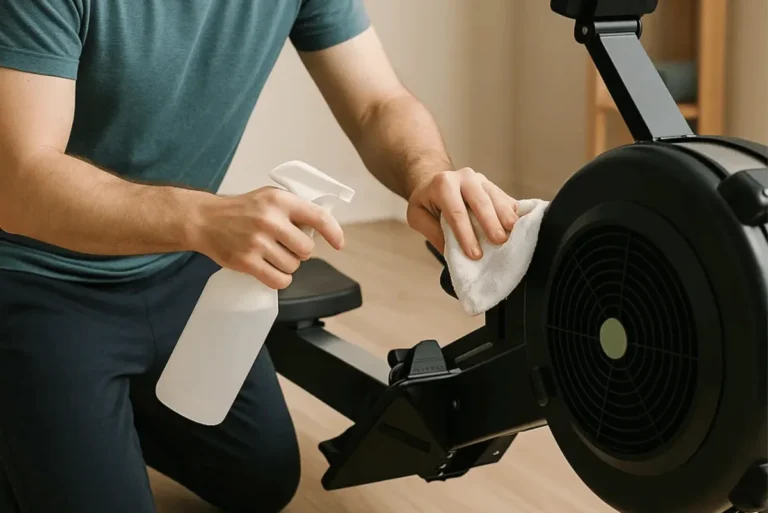
Small setup changes matter on every cardio machine, from the saddle height on a bike to the foot straps on a rower. If you use both, it's worth spending five minutes adjusting a rower to your proportions so you don't create imbalances. And if you're wondering whether the rower belongs in your routine at all, our cardio versus strength comparison breaks down what each machine actually delivers.
Why Bike Fit and Resistance Matter More Than You Think
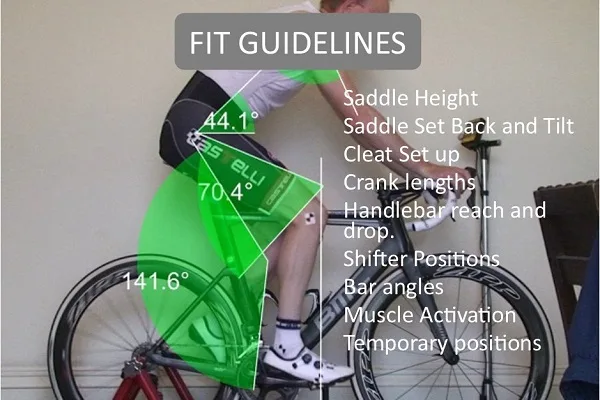
Image source: Bing (Web (fair-use with source credit))
Poor bike fit is the number one reason people feel the wrong muscles or no muscles at all. Saddle height directly controls how much your quads and glutes can actually fire. If the saddle is too low, your knees stay bent and your quads do far too much work.
That can lead to patellar tendinitis. If it's too high, your hips rock side to side and your hamstrings strain to reach the bottom of the stroke.
A proper fit starts with the saddle. Set it so your knee has a slight bend at the bottom of the pedal stroke. Your foot should be flat through the downstroke.
Handlebar height changes your torso angle and core engagement. Bars set too low force your lower back to work harder. Bars set too high let your upper body slack off and reduce core activation.
Resistance works the same way. Zero resistance gives you nothing to push against, so you end up spinning your legs without meaningful muscle tension. Too much resistance forces you to grind at a low cadence, which loads the quads and knees.
The sweet spot is a resistance level where you can hold a steady cadence between 80 and 100 RPM while still feeling each pedal stroke.
Common Spin Bike Mistakes That Waste Effort or Cause Injury
Here are the most common errors we see in aggregate user reports and coaching feedback.
- Cranking the resistance way too high. It feels tough, but it turns the workout into a strength grind and stresses the knees. Use a cadence you can maintain.
- Spinning with almost no resistance. You'll burn out your hip flexors and never load the glutes. The pedal has to feel solid under your foot.
- Death-gripping the handlebars. Your upper back and shoulders take over, and your core checks out. Keep a light touch and a flat wrist.
- Ignoring the upstroke. Pushing down only means your hamstrings and hip flexors never learn to work. Think of pulling your knee toward the handlebar.
- Bouncing in the saddle. That means your core isn't braced. A strong pedaling motion should keep your hips still.
Fix these issues, and the right muscles will start doing the work. If you also use a rower, form mistakes show up just as quickly. Our guide to correct rowing technique walks through the most common errors and how to fix them.
How to Train Smarter: Expert Tips for Targeting Specific Muscles
Knowing which muscles fire is only half the battle. The next step is choosing workouts that actually emphasize them. Small tweaks to cadence, resistance, and body position change the training outcome more than adding extra rides.
Try this simple goal-based approach:
| Your Goal | Best Approach | Why It Works |
|---|---|---|
| Build glute strength | Standing climbs with heavy resistance, 60 to 70 RPM | Your body weight adds load, and the glutes drive hip extension |
| Stronger hamstrings | Upstroke drills, actively pull your heel back | Forces the hamstrings and hip flexors to work instead of resting |
| Quad endurance | Seated climbs at 80 to 90 RPM | Keeps knees bent and quads under load for longer |
| Core stability | Ride out of the saddle with a light touch on the bars | Your torso has to brace itself without full support |
One of the most effective drills is one-legged pedaling. Unclip one foot and pedal with the other for 20 to 30 seconds. It exposes dead spots in your stroke, especially at the bottom and top of the pedal circle.
Do it on a low resistance setting until the motion feels smooth.
Progressive overload matters just like in the gym. If you always spin at the same resistance and cadence, your muscles adapt and stop changing. Add a few minutes of heavy seated work each week, then gradually increase the resistance.
If you're also using a rower, keep an eye on how you maintain a rowing machine so you get a balanced workout without equipment issues.
Recovery matters too. Your legs need rest days to repair and grow. Aim for two or three focused spin sessions per week, not seven.
And if you're planning to add more equipment to your home gym, check how much space a rowing machine needs before you commit to the setup.
Frequently Asked Questions About Spin Bike Muscles
Does spin biking build leg muscle?
Yes, spin biking builds muscle endurance and some size in the quads, glutes, and hamstrings. Heavy resistance with low cadence acts like a strength stimulus for the lower body. Lighter resistance with high cadence favors endurance.
Over time, your legs will look more defined and feel stronger.
Can spinning tone your glutes?
Spinning can tone your glutes if you train them deliberately. Standing climbs and heavy seated climbs at 60 to 70 RPM recruit the gluteus maximus most effectively. Keep your torso tall and push through your heels.
Riders who only spin at high cadence in the saddle often miss out on glute activation.
Is a spin bike good for belly fat?
A spin bike can help you lose overall body fat, including around your belly. It burns calories, and when you ride at a pace that raises your heart rate, your body uses stored fat for fuel. Spot reduction doesn't work.
A calorie deficit, consistent riding, and strength training are the real plan.
How often should I ride to see muscle changes?
Most riders notice changes in four to six weeks with three rides per week. Each session should last 30 to 45 minutes and include a mix of seated, standing, low-resistance, and high-resistance work. Consistency beats intensity.
Two hard rides and one easy ride per week is a solid starting point.
Are spin bikes easier on the knees than running?
Yes, a spin bike is gentler on the knees than running because it removes the impact. That said, a badly fitted bike can still irritate the knees. Make sure your saddle height allows a slight knee bend at the bottom of the stroke, and avoid grinding at very low cadence with excessive resistance.