Are Rowing Machines Worth It
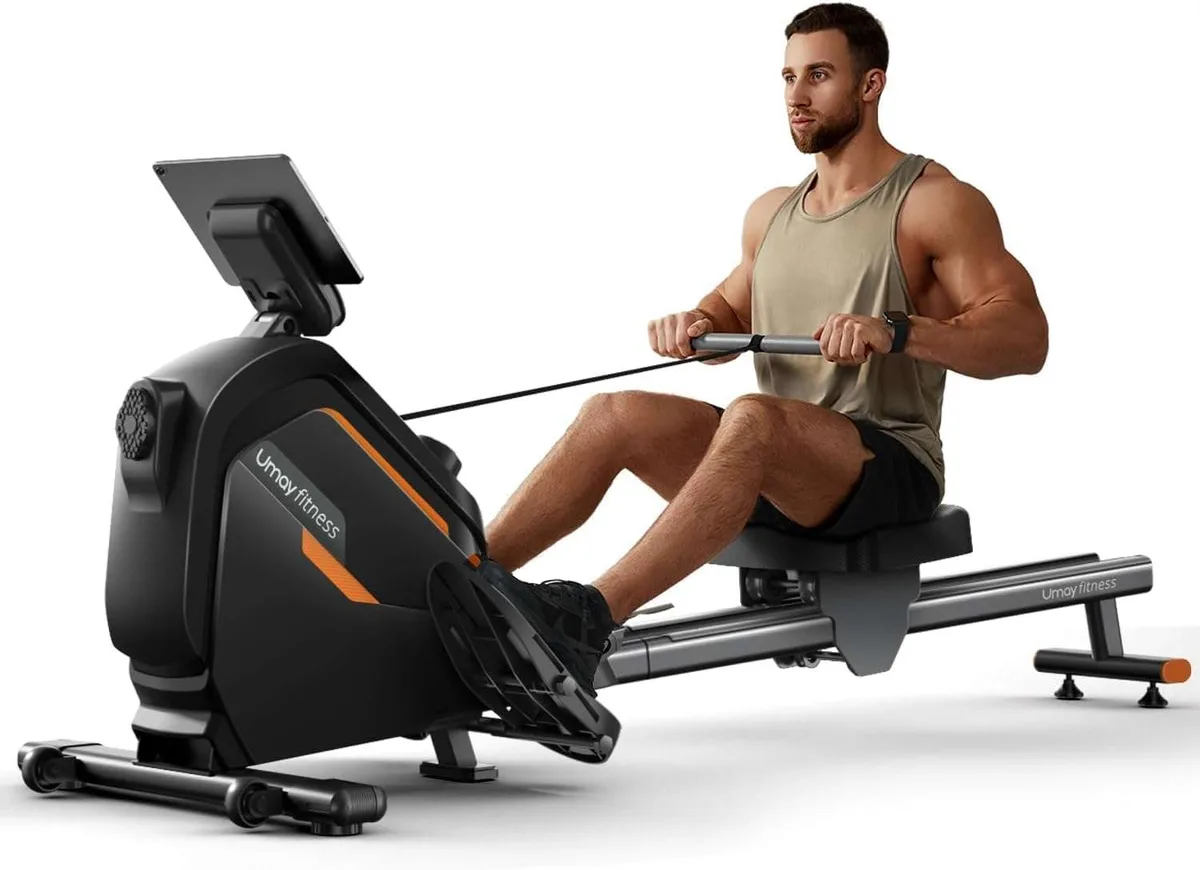
Image source: Bing (Web (fair-use with source credit))
Considering a rowing machine for your home gym can feel like a big decision, and figuring out if they're truly worth the investment is key. You want a workout that's effective, fits your space, and doesn't break the bank. We've looked into what makes these machines tick and if they live up to the hype for everyday fitness.
In our research, we found that the best rowing machines, like those from leading manufacturers, can offer a significant cardiovascular and full-body strength workout. However, they require a certain commitment to form and space. Per biomechanical studies, a well-executed rowing stroke engages over 85% of your body's muscles, making it a highly efficient exercise tool.
Quick Answer
Yes, rowing machines are worth it if you're looking for a low-impact, full-body workout that boosts cardiovascular health and muscular endurance. They are an excellent choice for home fitness, offering convenience and efficiency. However, their worth depends on your fitness goals, available space, and willingness to learn proper technique.
Rowing Machines: The Full-Body Fitness Lowdown
A rowing machine, often called an ergometer, is designed to simulate the motion of rowing a boat. It's not just about pushing and pulling; it's a coordinated movement that engages your legs, core, and arms simultaneously. This makes it a unique tool in the home fitness landscape.
Unlike treadmills that primarily focus on legs or ellipticals that can sometimes feel less intense, a rowing machine demands engagement from nearly every major muscle group.
The core of a rowing machine's function lies in its resistance system. This can be air-based, where a fan spins to create resistance; water-based, using a tank of water; magnetic, employing electromagnets; or hydraulic, which uses cylinders. Each type offers a slightly different feel and sound during operation.
For instance, air rowers tend to be noisier but provide a smooth, progressive resistance that scales with your effort. Manufacturer specifications often detail the resistance type and any adjustable settings available.
Key Benefits of Rowing at Home
The biggest draw for many people considering a rowing machine is its capacity for a comprehensive, full-body workout. It's a rare piece of equipment that effectively combines cardiovascular conditioning with strength building in a single session. This means you can get a great calorie burn and improve your heart health while simultaneously toning muscles throughout your body.
Here’s a breakdown of the primary advantages:
- Full-Body Engagement: Rowing works your legs (quads, hamstrings, glutes), core (abs, obliques, lower back), and upper body (back, shoulders, biceps, triceps). This comprehensive muscle activation is hard to find in other cardio machines.
- Low-Impact Exercise: The smooth, gliding motion puts minimal stress on your joints, making it an excellent option for individuals with knee, hip, or back issues. It's a gentler way to get a vigorous workout compared to running.
- Cardiovascular Health Improvement: Consistent rowing elevates your heart rate, strengthening your heart and lungs, and improving overall endurance. This can help reduce the risk of heart disease and other related conditions.
- Calorie Burning & Weight Management: Due to the high percentage of muscles engaged, rowing machines are highly effective at burning calories. A 30-minute moderate rowing session can burn upwards of 300 calories, depending on your intensity and body weight.
- Improved Posture and Core Strength: The rowing motion requires you to maintain an upright posture and engage your core for stability. Over time, this can lead to better posture and a stronger, more stable midsection.
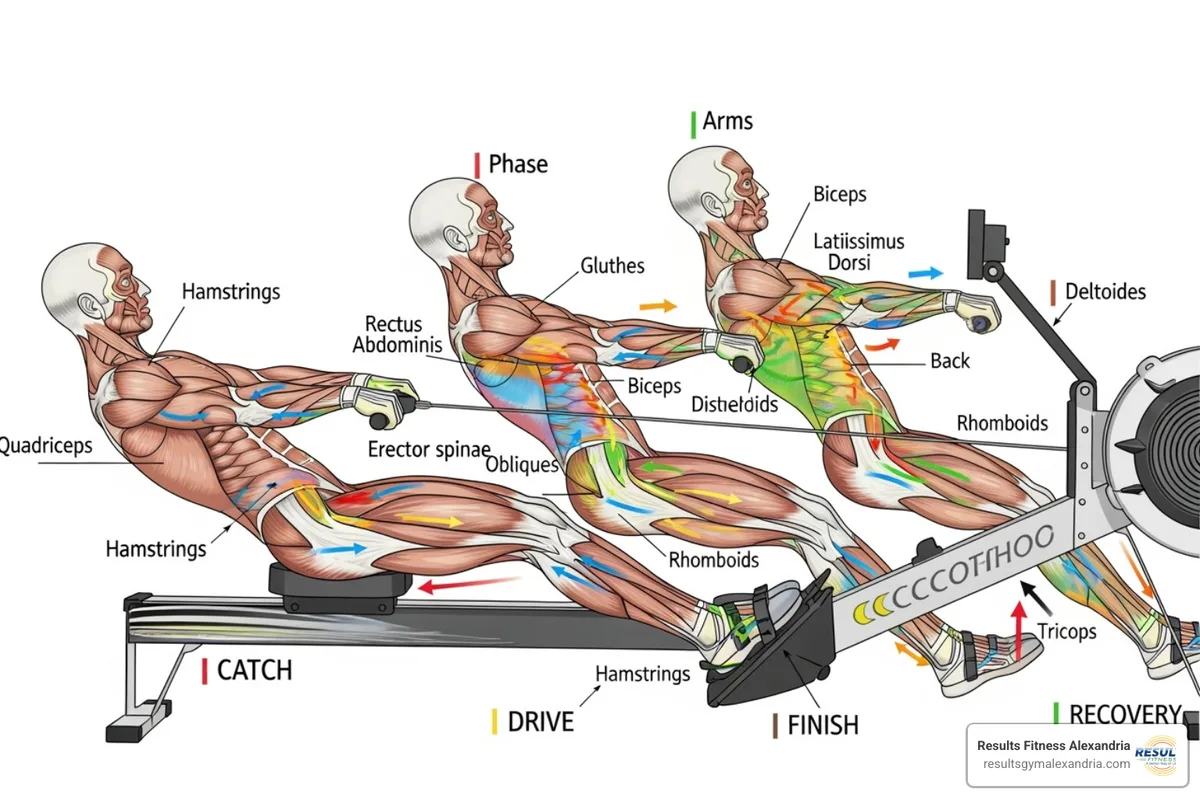
Image source: Bing (Web (fair-use with source credit))
This efficiency makes it a time-saving option for those with busy schedules. Instead of needing separate sessions for cardio and strength, you can tick both boxes in one go.
Rowing Machine Drawbacks to Consider
While rowing machines offer a lot, they aren't without their downsides. It's crucial to be aware of these before you decide if it's the right fit for your home. The initial investment, for one, can be substantial, and even compact models require a dedicated space.
Here are the main drawbacks to weigh:
- Initial Cost: Entry-level rowing machines can start around $300, but high-quality, durable models, especially those with air or water resistance, can range from $800 to over $2,000. This is a significant upfront expense compared to some other home fitness equipment.
- Space Requirements: Even foldable rowing machines need a decent footprint when in use, typically around 6 to 9 feet in length. While some fold vertically for storage, they still need a corner or closet to stand in. If you live in a small apartment, this can be a major challenge.
- Noise Levels: Air resistance rowers, while popular for their smooth feel, can be quite noisy, generating a whooshing sound that might disturb housemates or neighbors. Water rowers offer a more soothing, rhythmic sound, but magnetic rowers are generally the quietest.
- Learning Curve for Proper Form: Achieving the full benefits and avoiding injury requires learning correct rowing technique. It’s a skill that takes practice, and poor form can lead to back strain or other issues. Many users report that it takes a few weeks to feel truly comfortable and efficient.
- Monotony: For some, the repetitive nature of rowing can become boring over time. While consoles offer various programs and metrics to keep things interesting, it might not appeal to everyone who prefers more varied workouts.
Manufacturer specifications often list noise levels in decibels (dB) for air and magnetic models, which can help you gauge the operational sound.
Who Should (and Shouldn't) Buy a Rowing Machine?
Deciding if a rowing machine is worth it really boils down to your personal fitness journey and circumstances. They excel in certain areas but might not be the best choice for everyone. Understanding who benefits most will help you make a clear decision.
Rowing Machines are likely a great fit if:
- You want a full-body workout: As mentioned, the comprehensive muscle engagement is a huge plus. If you're aiming for efficiency and want to work multiple muscle groups simultaneously, a rower is hard to beat.
- You need low-impact cardio: For individuals recovering from injuries, managing joint pain, or simply preferring a gentler approach to cardio, the smooth motion of rowing is ideal. Many seniors find it a safe and effective way to stay active. You can find many options that are considered some of the best elliptical machine for seniors.
- You have limited space but can accommodate storage: If you can find a model that folds and you have a dedicated storage spot, it can be a space-saving solution for a powerful workout. It's a great alternative for those who might consider 12 Best Compact Elliptical Machine.
- You're training for rowing or cross-training: Obvious for aspiring or current rowers, but also great for athletes in other disciplines looking to build endurance and strength.
- You value convenience: Being able to get a challenging workout at home, on your own schedule, is a major advantage for busy individuals.
However, a rowing machine might not be your best bet if:
- You have a very tight budget: While cheaper models exist, they often lack durability and features. If your budget is under $300, you might be better off exploring other options.
- You have absolutely no dedicated storage space: Even folded rowers take up room. If your living situation is extremely cramped, you might need to look at truly compact equipment.
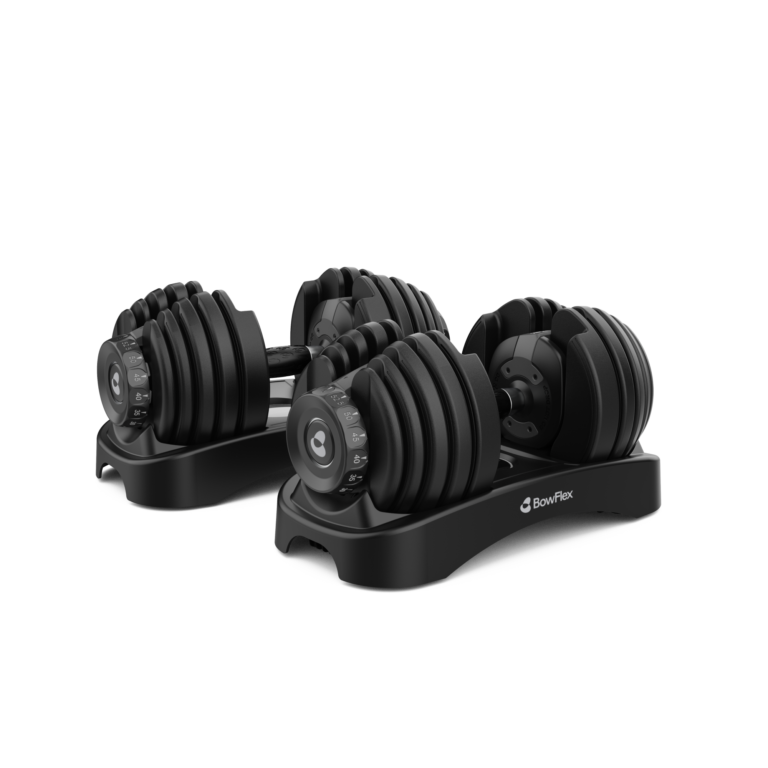
- You dislike repetitive motions or are easily bored: If you find steady-state cardio tedious, the primary function of a rower might not keep you engaged long-term. You might prefer something more dynamic like adjustable dumbbells for 12 Best Dumbbells for Full-body Workouts.
- Noise is a major concern and you can't soundproof: If you live in close quarters and noise is an issue, an air rower might be out unless you opt for a quieter magnetic or water model.
Rowing Machine vs. Other Home Cardio Equipment
When you're looking to get fit at home, a rowing machine isn't your only option. It competes with a variety of cardio machines, each offering its own unique set of benefits and drawbacks. Understanding how rowing stacks up against these alternatives can clarify whether it's the right tool for your specific needs.
Here's a quick comparison:
| Feature | Rowing Machine | Treadmill | Elliptical Machine | Exercise Bike |
|---|---|---|---|---|
| Workout Type | Full-body, low-impact cardio & strength | Primarily lower body, cardio | Full-body (arms optional), low-impact cardio | Lower body, cardio |
| Muscle Groups | Legs, core, back, arms, shoulders | Legs, glutes, calves | Legs, glutes, arms, shoulders (with moving handles) | Legs, glutes |
| Impact | Low | High (running) to medium (walking) | Low | Low |
| Space | Can be long; some fold for storage | Long; some fold vertically | Varies; many compact models available | Varies; some compact or recumbent options |
| Noise | Varies (air can be loud, magnetic is quiet) | Varies; motor noise can be significant | Generally quieter than treadmills | Generally quiet |
| Cost | Moderate to High ($300 – $2000+) | Moderate to High ($500 – $3000+) | Moderate to High ($400 – $2500+) | Low to Moderate ($200 – $1500+) |
| Calories Burned | High | High (especially running) | Moderate to High | Moderate |
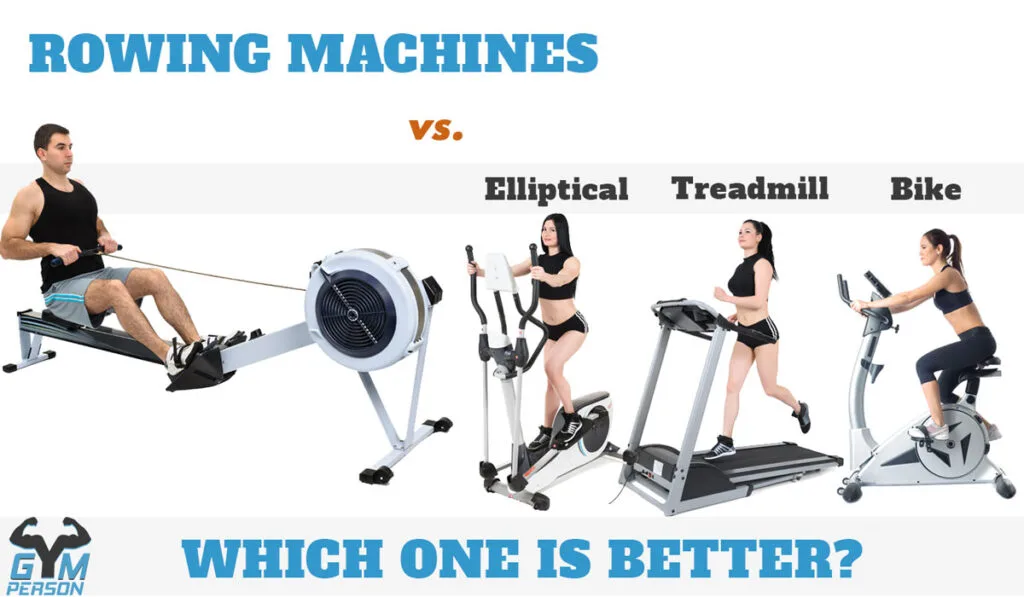
Image source: Bing (Web (fair-use with source credit))
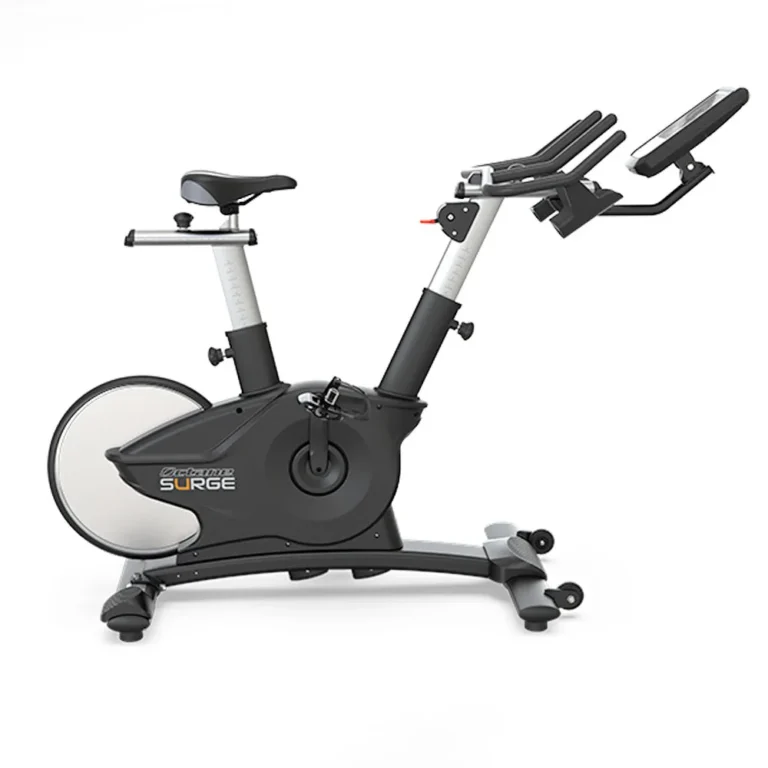
If your primary goal is high-intensity leg cardio, a treadmill or a quality exercise bike like those featured in our list of 12 Best Exercise Bike for Weight Loss might be more straightforward. If you're looking for a versatile, low-impact workout that hits more muscle groups than just your legs, a rowing machine often takes the lead. For those specifically seeking a compact solution for cardio, exploring 12 Best Compact Elliptical Machine options is a good next step.
Step-by-Step Process: Mastering Your Rowing Technique
Proper form is absolutely critical for both safety and effectiveness when using a rowing machine. Getting it right from the start means you’ll get the most out of your workout and significantly reduce the risk of injury. Think of it as learning a dance, it requires coordination and practice.
The rowing stroke can be broken down into four main phases:
- The Catch: This is your starting position. You'll be seated with your knees bent, shins roughly vertical, arms extended, and your back straight and slightly hinged forward from the hips. Your shoulders should be relaxed.
- The Drive: This is the power phase. Initiate the movement by pressing your legs down, keeping your core engaged and your back straight. As your legs extend, lean back slightly from your hips. Only then do you pull the handle towards your chest, aiming for your sternum.
- The Finish: Your legs are fully extended, your torso is leaning back slightly (around 10-11 o'clock position), and the handle is at your chest. Your shoulders should remain relaxed.
- The Recovery: This is the return phase. Extend your arms first, then hinge forward at your hips, and finally, bend your knees to return to the catch position. The recovery should be slower than the drive, allowing you to reset and prepare for the next stroke.
Remember to keep your movements smooth and fluid. Avoid jerking motions, especially at the start of the drive. Focus on using your legs for power, your core for stability, and your arms to guide the handle.
Consistently practicing these phases will build muscle memory and make your rowing more efficient.
Rowing Machine Costs: What to Expect
When evaluating if a rowing machine is worth it, the price tag is a major factor. The cost can vary dramatically depending on the brand, the type of resistance, build quality, and included features. It’s helpful to understand the price spectrum before you start shopping.
Here's a general breakdown of what you can expect:
- Entry-Level ($300, $600): These machines typically use hydraulic resistance or basic magnetic systems. They are often lighter, may have less robust construction, and might lack advanced consoles or features like folding mechanisms. They're suitable for very casual use but may not hold up to intense or frequent workouts.
- Mid-Range ($600, $1200): This bracket often includes well-regarded air rowers (like some Concept2 models) or quality magnetic and water resistance machines. They offer better build quality, smoother resistance, and more advanced console displays with various programs. Many mid-range models also feature folding designs for easier storage.
- Premium ($1200+): Top-tier rowing machines, often from established brands like WaterRower or higher-end Concept2 models, fall into this category. They are built with premium materials, offer superior durability, exceptionally smooth and adjustable resistance, and sophisticated consoles with advanced connectivity options. These are designed for serious fitness enthusiasts and frequent use.
When budgeting, also factor in potential shipping costs, which can be significant for large items, and any assembly tools you might need. Warranties also vary, with higher-end models typically offering longer coverage on parts and frame.
Common Rowing Mistakes and How to Fix Them
Even with the best intentions, new rowers often fall into common traps that reduce effectiveness and increase injury risk. Spotting these mistakes early and correcting them can make a huge difference in your overall experience. The key is to focus on smooth, controlled movements rather than brute force.
Here are a few common errors and how to address them:
- Mistake: Pulling with arms too early in the drive.
- Fix: Focus on initiating the drive by pressing with your legs first. Think "legs, then back, then arms." Your arms are the last to move and the first to extend during the recovery.
- Mistake: Rounding the lower back.
- Fix: Always maintain a straight or slightly hinged-forward back, especially at the catch and during the drive. Engage your core to support your spine. If you find your back rounding, it means you’re likely leaning too far forward or trying to pull too much weight.
- Mistake: Too much body swing.
- Fix: While a slight lean back at the finish is correct, excessive swinging indicates a lack of core control. Aim for a controlled lean, keeping your core engaged throughout the stroke.
- Mistake: Rushing the recovery.
- Fix: The recovery should be about twice as long as the drive. This allows you to reset your position and control your breathing. A rushed recovery can lead to poor form and a less effective workout.
Learning proper technique is crucial. Many manufacturers provide detailed video guides on their websites, which are invaluable resources. If you find yourself consistently struggling with form, consider seeking advice from a certified fitness trainer experienced with rowing machines.
Maintaining Your Rowing Machine for Longevity
To ensure your rowing machine remains a valuable fitness asset for years to come, regular maintenance is essential. Neglecting upkeep can lead to decreased performance, increased noise, and premature wear and tear on components. Most maintenance tasks are straightforward and don't require specialized tools.
Here’s a basic maintenance schedule:
- After Every Use:
- Wipe down the seat, footrests, and handle with a damp cloth.
- Clean the frame to remove sweat and dust.
- Weekly (or as needed):
- Air Rowers: Check and clean the fan blades and housing to remove dust and debris. Some models allow for easy removal of the fan cover.
- Water Rowers: Check the water level in the tank. You may need to add or remove water depending on evaporation. Follow manufacturer guidelines for water treatment (often a small amount of chlorine or a special additive) to prevent algae growth.
- Magnetic Rowers: Ensure all bolts and connections are secure. These generally require the least maintenance.
- Monthly (or as per manufacturer):
- Lubricate any moving parts or tracks as specified in your user manual.
- Inspect the bungee cord (if applicable) or drive chain for signs of wear.
- Check the console and its connections.
Always refer to your specific rowing machine’s user manual for detailed maintenance instructions. For example, some water rower tanks may need occasional draining and cleaning with specialized solutions. Keeping it clean and well-maintained ensures smooth operation and prevents costly repairs down the line.
Frequently Asked Questions About Rowing Machines
How long does it take to assemble a rowing machine?
Assembly time can vary, but most rowing machines can be set up in 30 to 90 minutes. It often involves attaching the front and rear stabilizers, connecting the seat rail, and attaching the handle. Always follow the manufacturer’s instructions carefully, as they usually include clear diagrams.
Are rowing machines good for weight loss?
Yes, rowing machines are excellent for weight loss because they provide a high-intensity, full-body workout that burns a significant number of calories. When combined with a balanced diet, consistent rowing sessions can lead to substantial weight loss over time.
How often should I use a rowing machine?
For general fitness, using a rowing machine 3-5 times per week is a good goal. Beginners can start with 2-3 sessions per week and gradually increase frequency and intensity as their endurance improves. Listening to your body and allowing for rest days is important.
What's the difference between air, water, magnetic, and hydraulic resistance?
- Air resistance uses a fan; resistance increases with speed. It's often noisy.
- Water resistance uses a water tank; it provides a smooth, rhythmic feel and sound.
- Magnetic resistance uses magnets; it's typically quiet and offers consistent tension.
- Hydraulic resistance uses pistons; it's often found on more budget-friendly models and can feel less natural.
Can rowing machines help build muscle?
Rowing machines primarily build muscular endurance and tone rather than significant muscle mass. They engage many muscle groups, so you will see some muscle development, especially in your legs, glutes, and back, but for significant hypertrophy, you'll likely need to incorporate weight training alongside it. For more targeted strength building, consider investing in a 12 Best Dumbbells for Strength Training.
Your Rowing Machine Decision Guide
So, are rowing machines worth it? For many people seeking an efficient, low-impact, full-body workout at home, the answer is a resounding yes. They offer a unique combination of cardiovascular conditioning and strength building that few other pieces of equipment can match.
As of 2026, the market offers a wide range of options to suit different budgets and space constraints.
However, the value proposition hinges on your individual needs and commitment. If you're willing to learn proper form, have the space for it (or a good folding model), and are looking for a comprehensive fitness solution, a rowing machine is an excellent investment. If budget is extremely tight, or you have absolutely no space for even a folded unit, you might need to explore alternatives.
Ultimately, the decision rests on aligning the benefits, like improved cardio health and muscle tone, with the potential drawbacks, such as cost and the need for correct technique. Consider your fitness goals, available space, and budget to make the best choice for your home gym.



4 Comments