How to Juice Celery
Juicing celery can be a fantastic way to boost your daily nutrient intake, offering a simple, liquid source of vitamins and minerals. But if you've never done it before, the process can seem a little intimidating, and you might wonder about the best way to get the most out of your produce. Getting the right technique is key for a smooth, flavorful juice.
Our research indicates that understanding the simple steps involved can make juicing celery an effortless part of your routine. For instance, manufacturer specifications often highlight the importance of consistent feeding speeds for optimal extraction, with some masticating juicers designed to operate at RPMs as low as 40 to efficiently process fibrous vegetables. We’ll walk you through everything you need to know to make delicious, fresh celery juice.
Why Visuals Make Juicing Celery So Much Easier
When you're learning how to juice celery, seeing is really believing. While I can describe what to do, actually seeing the consistency of the juice, how the celery moves through the chute, and the texture of the pulp makes a huge difference. It’s like trying to learn a new cooking technique from a recipe versus watching a short video.
A diagram or a quick series of photos can show you the ideal chunk size for your specific juicer type. You'd see exactly how much pressure to apply with the plunger, if one is needed, and how to best feed the fibrous stalks to avoid jamming the machine. These visual cues help you avoid common pitfalls and get it right on your first try.
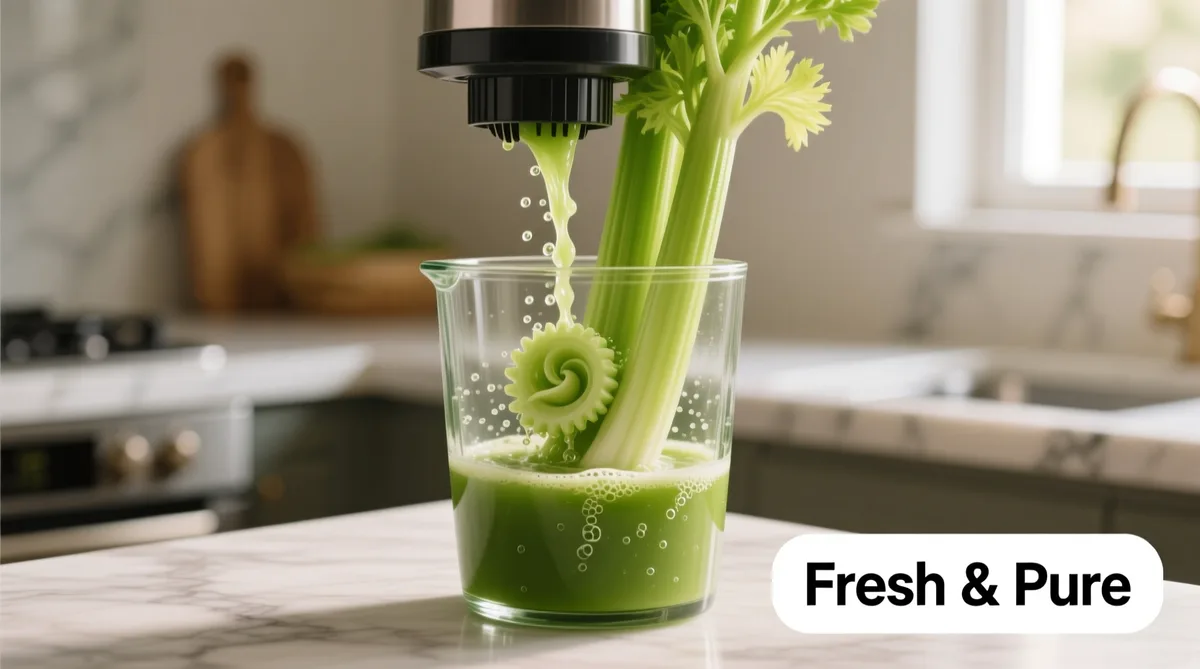
Image source: Bing (Web (fair-use with source credit))
Quick Answer
To juice celery, wash and chop fresh stalks, then feed them into a juicer. Use a masticating juicer for best results and clean it immediately. Enjoy fresh for optimal benefits.
Your Celery Juicing Toolkit: What You'll Need
Getting ready to juice means having the right gear. It’s not complicated, but having these items on hand makes the process smooth and efficient.
- Juicer: This is your primary tool. There are two main types people use for celery:
- Masticating Juicers: These use a slow-moving auger to chew and press the celery, yielding more juice and preserving more nutrients. They're excellent for fibrous greens like celery.
- Centrifugal Juicers: These use a high-speed spinning basket. They're faster but can sometimes aerate the juice more and may not be as efficient with tougher fibers.
- Celery: Look for fresh, crisp stalks. Limp celery can be harder to juice effectively.
- Cutting Board and Knife: For preparing the celery into manageable pieces.
- Juice Collection Container: A pitcher or glass to catch the fresh juice.
- Pulp Container: Most juicers have a separate bin for the pulp.
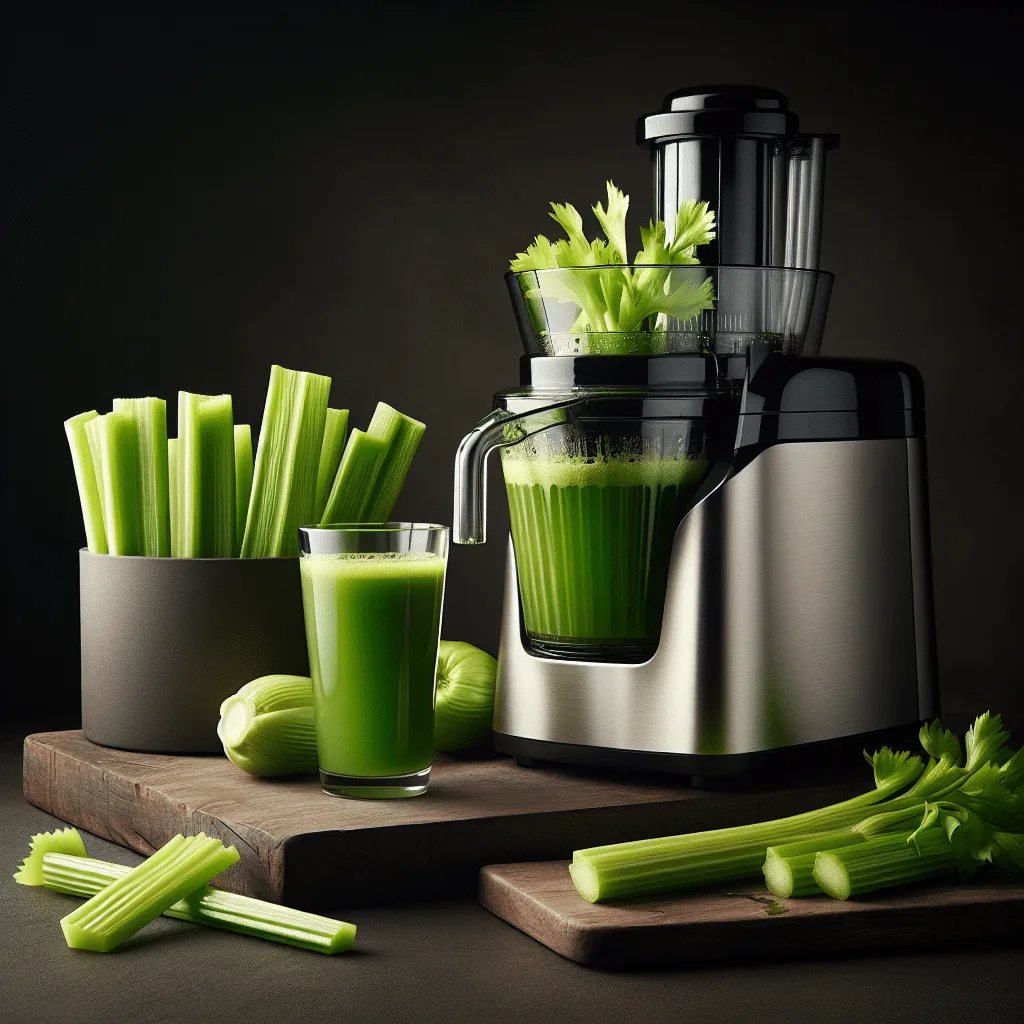
Image source: Bing (Web (fair-use with source credit))
Step-by-Step: Juicing Celery Like a Pro
Here’s how to get that vibrant celery juice, broken down into simple actions.
Washing and Prepping Your Celery
This is where we start. It's simple but crucial for a clean, delicious juice.
- Rinse Thoroughly: Take your bunch of celery and rinse each stalk under cool running water. You want to get rid of any dirt or gritty residue that might be clinging to the stalks.
- Trim the Ends: Cut off the very bottom root end of the celery bunch. You can also trim off any dry or damaged leaf tips, but often the green leafy tops are nutritious and can be juiced.
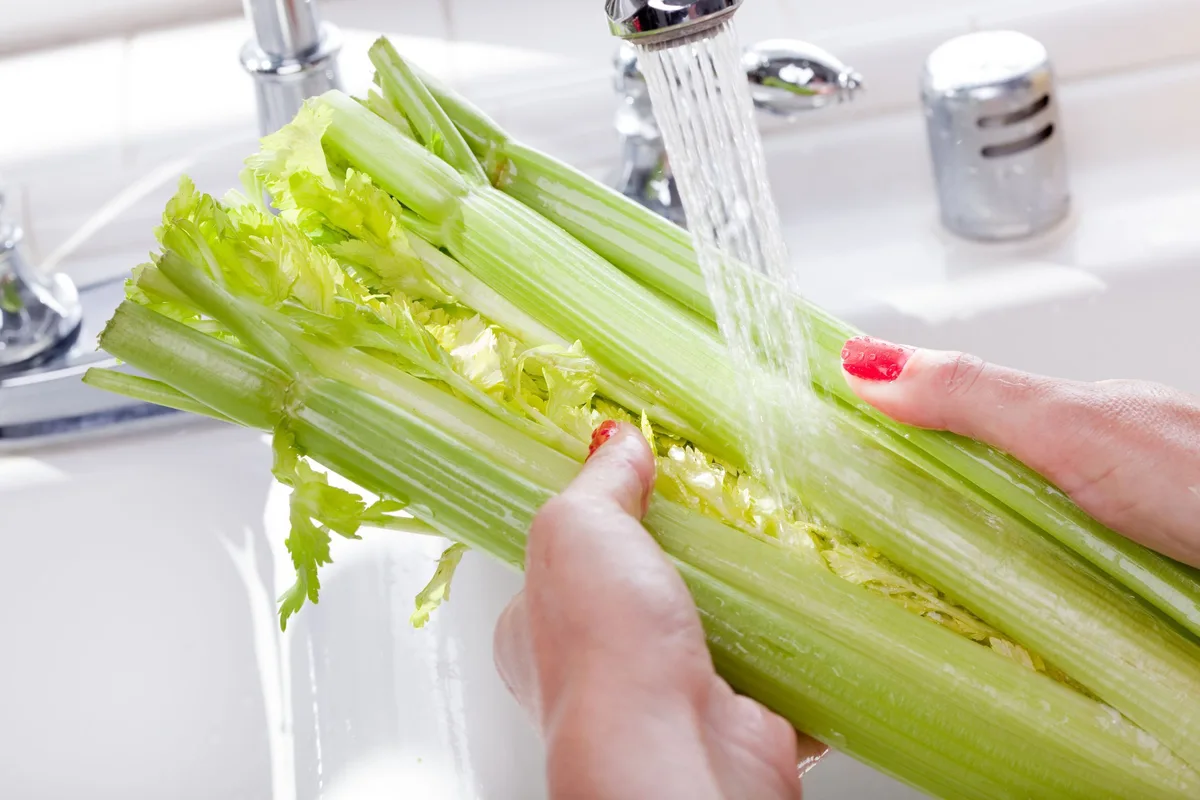
Image source: Bing (Web (fair-use with source credit))
Cutting Celery into Juicer-Friendly Pieces
The size you cut your celery depends heavily on the type of juicer you're using.
- For Masticating Juicers: These typically have a narrower feed chute. You'll want to cut the celery into lengths that are easy to feed through, usually around 2-4 inches long. Cutting them lengthwise if they’re very thick can also help.
- For Centrifugal Juicers: These often have a wider feed chute. You can usually cut the celery into slightly larger pieces, perhaps 3-5 inches.
The goal is to create pieces that fit easily into the chute without forcing them. This prevents strain on the juicer motor. If you're unsure, always err on the side of smaller pieces to be safe.
Feeding the Juicer for Optimal Juice
Now for the main event, getting the juice flowing!
- Turn On Your Juicer: Make sure your juicer is properly assembled and your collection containers are in place. Then, power it on.
- Feed the Celery: Gently feed the prepared celery pieces into the juicer's feed chute. Do this at a steady pace.
- Use the Plunger (If Needed): If your juicer came with a plunger, use it to gently push the celery down the chute. You're guiding it, not forcing it. For celery, this often requires minimal pressure, especially with a good masticating juicer.
- Listen and Observe: Pay attention to the sound of the juicer. If it sounds strained, stop and check for any jams. You're looking for a steady stream of juice.
Managing the Pulp
As you juice, pulp will be generated. What you do with it makes a difference.
- Collect Separately: Most juicers separate the pulp into a different container. This is normal.
- Don't Waste It: This pulp is rich in fiber and can be used in other recipes. You can add it to smoothies for extra body, mix it into muffin batter, or even incorporate it into veggie burgers. Our research shows that minimizing food waste is a key aspect of sustainable home cooking.
- Consider Re-Juicing (Optional): For some masticating juicers, if you feel a lot of juice is still retained in the pulp, you can sometimes feed the pulp back through the machine for an extra yield. This is a more advanced technique and might not be necessary with all models.
Expert Tips for the Best Celery Juice
Having juiced a lot of celery myself, I've picked up a few tricks that make the process smoother and the juice tastier.
- Celery Freshness is Key: Always start with the freshest, crispest celery you can find. Limp or wilted celery can be stringy and difficult to process, often leading to less juice and more effort. It can also cause your juicer to work harder.
- Chill Your Celery: For an extra refreshing juice, try chilling your celery in the refrigerator beforehand. This can also help it feed through the juicer more easily.
- Clean Immediately: This is hands-down the most crucial tip for any juicing endeavor. Clean your juicer right after you finish using it. Dried-on celery pulp can become incredibly difficult to remove, turning a quick task into a scrubbing marathon. A quick rinse and scrub while the parts are still wet takes minutes.
- Consider Batching: If you plan to drink celery juice regularly, prep a few days' worth of washed and chopped celery at once. Store these prepped pieces in an airtight container in the refrigerator. This saves time when you're ready to juice. For example, batching can help you maintain a consistent intake of nutrients without the daily prep hassle.
Common Celery Juicing Pitfalls to Sidestep
Even with the best intentions, a few common mistakes can trip you up when juicing celery. Knowing these can save you frustration and ensure you get the best results.
- Using Old or Limp Celery: As mentioned, this is a big one. Old celery yields less juice and can clog your juicer. Always opt for vibrant, firm stalks. If the celery feels soft or floppy, it's usually past its prime for juicing.
- Overstuffing the Feed Chute: Trying to force too much celery into the chute at once, or using pieces that are too large, can strain your juicer's motor. This can lead to overheating, reduced performance, or even damage over time. Feed pieces steadily and let the machine do the work.
- Delaying Cleanup: This is the number one frustration for new juicers. If you leave the pulp and juice residue to dry on the juicer parts, cleaning becomes a real chore. A quick rinse and wipe down immediately after use is far easier. For instance, manufacturer specifications for many masticating juicers suggest immediate disassembly and washing to prolong the life of the auger and screens.
- Forgetting to Wash: While it might seem obvious, rushing the washing process means you could end up with gritty bits in your juice. A thorough rinse is essential for a clean, pleasant-tasting beverage.
Frequently Asked Questions About Juicing Celery
How long does it take to juice celery?
Juicing celery is typically a quick process, often taking only 2 to 5 minutes per bunch, depending on your juicer's efficiency and your prep speed. Cleanup usually takes a bit longer, so starting that immediately is key.
Can I juice celery with a blender?
You can't effectively "juice" celery with a standard blender because it doesn't separate the liquid from the pulp. A blender will create a smoothie. To get pure celery juice, a dedicated juicer is necessary.
What kind of juicer is best for celery?
Masticating juicers are generally considered best for celery. Their slow, chewing action is excellent at extracting maximum juice from fibrous vegetables and tends to produce less foam. Centrifugal juicers can work, but they might be less efficient and can produce warmer juice.
How much celery juice can I expect from a bunch?
You can typically expect about 10 to 16 ounces of juice from a standard bunch of celery, though this varies based on the freshness and juiciness of the celery, as well as the efficiency of your juicer. This is why using vibrant, crisp celery is so important for yield.