How to Clean a Centrifugal Juicer
You've got your centrifugal juicer, and you're ready for a daily dose of vibrant, fresh juice. That's fantastic! But keeping that amazing machine clean is absolutely key.
If you're wondering how to clean a centrifugal juicer effectively, you're in the right place. It’s simpler than you might think and makes a big difference.
Regular cleaning ensures your juice tastes pure and your juicer lasts longer. We’ll cover the quick rinse-and-scrub routine that should happen after every use, plus a few tips for tackling tougher jobs. Stick with us, and you'll have a spotless juicer in no time.
Quick Answer
To clean a centrifugal juicer, first unplug it and disassemble all removable parts. Rinse them under warm water. Then, wash each part with mild dish soap and a soft brush, paying special attention to the filter screen with a stiff brush.
Rinse again thoroughly, dry all components completely, and wipe down the motor base with a damp cloth.
Why Cleaning Your Centrifugal Juicer Matters
Keeping Your Juice Fresh and Healthy
Think about it: every time you juice, tiny bits of pulp and juice residue can cling to the juicer's parts. If left to sit, these bits can start to ferment or dry out, which affects the flavor of your next batch. Our research indicates that residual organic matter can also harbor bacteria, compromising the health benefits of your fresh juice.
Manufacturer specifications for juicers often emphasize immediate cleaning for optimal hygiene and taste.
Protecting Your Investment
Your centrifugal juicer is an appliance you rely on for healthy living. Just like any tool or machine, proper maintenance, especially regular cleaning, is crucial for its longevity. Aggregate reviews report that juicers that aren't cleaned properly can experience motor strain or component wear, potentially shortening their lifespan.
Following a consistent cleaning routine, as recommended by most appliance manufacturers, helps ensure your juicer continues to perform at its best for years to come, as of 2026.
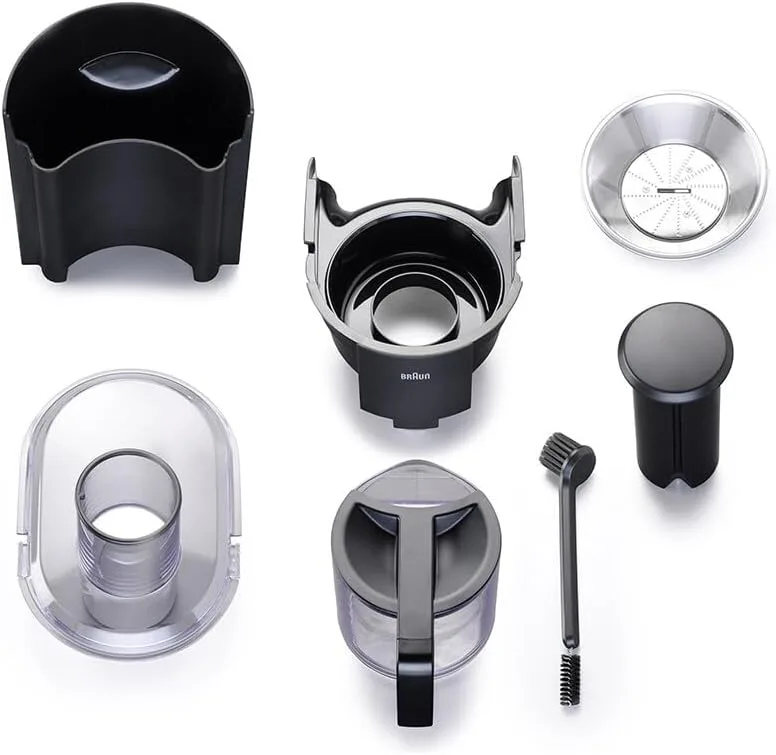
Image source: Bing (Web (fair-use with source credit))
What You Need for a Sparkling Juicer
You don't need a specialized arsenal for juicer cleaning. Most of what you'll need is likely already in your kitchen. Having these items handy makes the cleaning process smooth and efficient, preventing residue from hardening.
- Warm Water: The primary cleaning agent, effective at loosening fresh pulp.
- Mild Dish Soap: A standard liquid dish soap works best. Avoid abrasive cleaners that could damage juicer parts.
- Soft Brush or Sponge: Ideal for cleaning the larger, smoother surfaces of the juicer.
- Stiff Brush or Toothbrush: Essential for scrubbing the fine mesh of the filter basket, where pulp tends to get stuck.
- Clean Towels: For drying parts thoroughly. Microfiber towels are great for this.
- Optional: White Vinegar or Baking Soda: These can be useful for tackling stubborn stains or odors if they arise.
The Step-by-Step Cleaning Process for Centrifugal Juicers
The best approach is to clean your juicer immediately after each use. This prevents juice and pulp from drying and becoming difficult to remove. Follow these steps for a thorough clean.
Step 1: Disassemble Your Juicer
First, always unplug your centrifugal juicer from the power outlet for safety. Then, carefully take apart all the removable components. This typically includes the lid, the juice bowl or pulp collector, and the filter basket.
Note how each piece connects; it's usually quite intuitive, but checking your user manual can clarify any uncertainty.
Step 2: Rinse All Parts
Take all the disassembled parts, except for the motor base, to your sink. Run them under warm tap water. This initial rinse is crucial for washing away the bulk of the loose pulp and juice, making subsequent scrubbing much easier.
You'll see a significant amount of residue wash away during this step.
Step 3: Wash with Soap and Water
Now, it’s time for a more thorough clean. Use your soft brush or sponge with a little mild dish soap and warm water to scrub the larger parts like the lid and juice bowl. For the filter basket, which has a fine mesh, a stiff brush or an old toothbrush is your best friend.
Gently scrub the mesh from both the inside and outside to dislodge any trapped fibrous material.
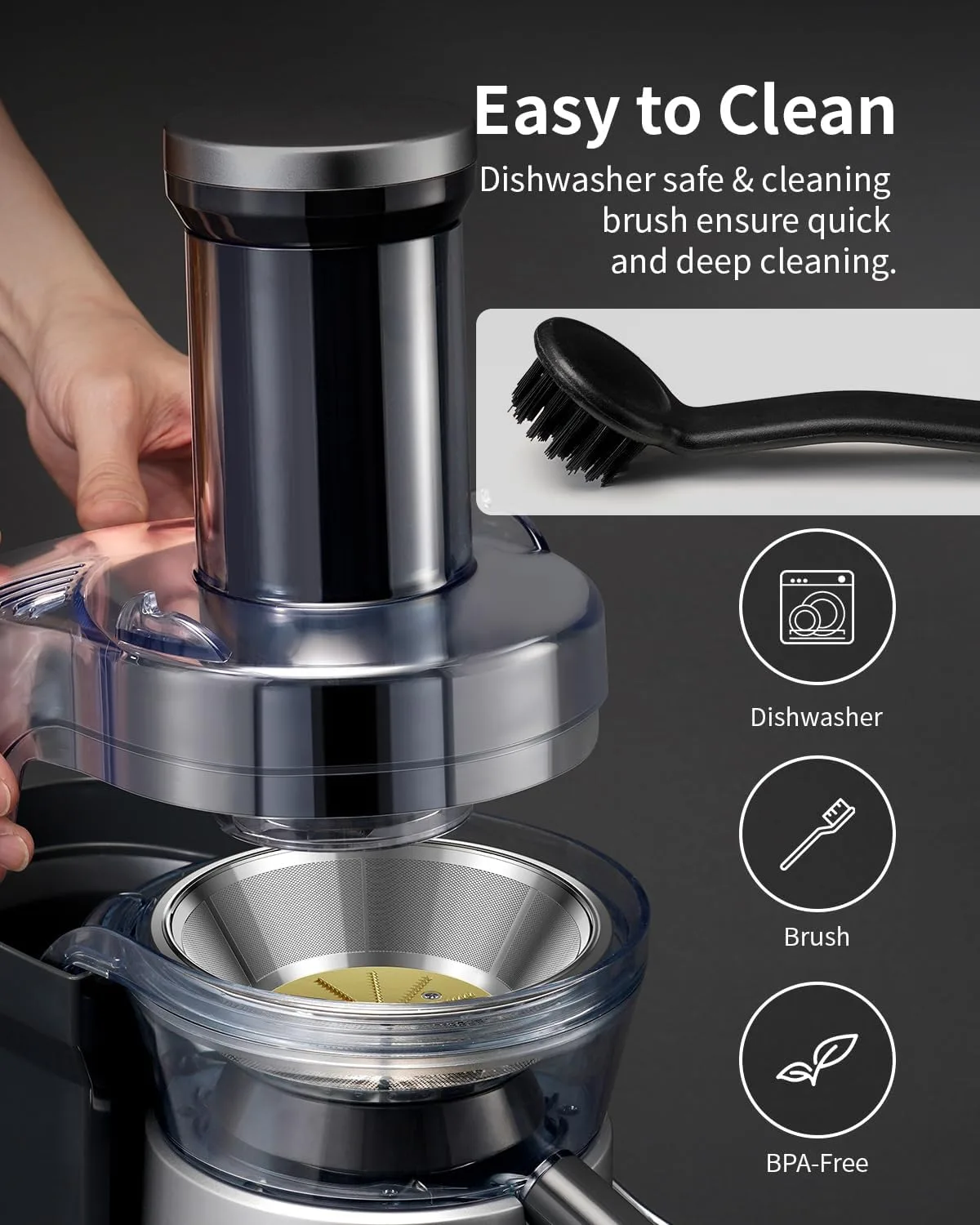
Image source: Bing (Web (fair-use with source credit))
For the Filter: Be persistent with the mesh. Gently work the bristles of the stiff brush into the holes to ensure all pulp is loosened.
Tackling Tough Stains: If you notice any persistent stains or odors, consider soaking the parts for 15-30 minutes in a solution of warm water mixed with a tablespoon of baking soda or a splash of white vinegar before scrubbing.
Step 4: Rinse Again Thoroughly
After scrubbing, rinse all the parts thoroughly under clean, running water. Ensure that no soap suds or cleaning solution residue remains. This is vital to prevent any soapy or vinegary taste from transferring into your fresh juice.
A good rinse ensures pure flavor.
Step 5: Dry Everything Completely
Proper drying is essential to prevent mold and mildew growth on your juicer parts. Lay all the cleaned components out on a clean, dry towel. You can also use a separate dry towel to gently wipe down each piece, ensuring they are completely dry before reassembly or storage.
Pay special attention to the filter basket's mesh.
Common Juicer Cleaning Mistakes to Avoid
Even with a straightforward cleaning process, a few common missteps can make the job harder or even damage your juicer. Being aware of these can save you time and keep your appliance in top shape.
Rinsing the Motor Base
This is a critical safety and longevity point. Never submerge the motor base in water. Doing so can cause electrical damage, short circuits, or even pose a safety hazard. If juice or pulp gets on the motor base, use only a damp cloth to wipe it clean, followed by a dry cloth. This is a fundamental guideline manufacturers stress for all kitchen appliances with electrical components.
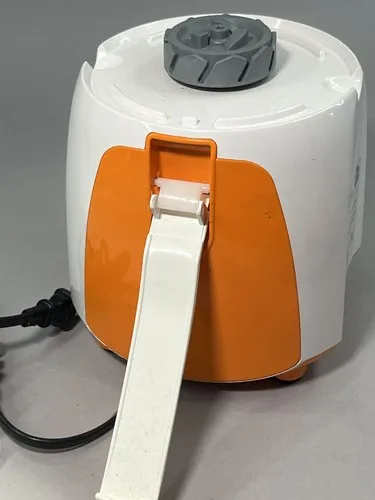
Image source: Bing (Web (fair-use with source credit))
Letting Parts Dry with Residue
If you rinse parts and then let them air dry without ensuring all pulp is gone, that residue can harden. Dried-on pulp becomes much harder to scrub off later, potentially requiring more aggressive cleaning methods that could damage the juicer parts. The goal is to remove all organic matter while it's still wet and pliable.
Using Harsh Abrasives
While you need to scrub the filter basket effectively, avoid using steel wool, abrasive scouring pads, or harsh chemical cleaners on any part of your juicer. These materials can scratch or dull the plastic components and, more importantly, damage the fine mesh of the filter screen. A damaged filter won't extract juice efficiently and could lead to premature wear.
Expert Tips for Effortless Juicer Maintenance
Clean Immediately After Use
This is the golden rule of juicer care. Fresh pulp and juice residue are significantly easier to wash away than dried, hardened gunk. Manufacturer specifications for many centrifugal juicers highlight that immediate cleaning minimizes the risk of permanent stains and makes the overall process quicker and less labor-intensive.
If you don't have time for a full wash, at least rinse all the parts thoroughly with warm water right after you finish juicing. This simple step prevents a much larger chore later.
Harness the Power of the Brush
Don't underestimate the humble brush! Specifically, the stiff brush or an old toothbrush designated for your juicer's filter basket is indispensable. The fine mesh of the filter screen is where pulp particles most often get lodged.
Aggressively scrubbing this area with the right tool ensures all fibrous bits are removed, preventing clogs and ensuring efficient juicing performance. Aggregate user feedback confirms that a good scrubbing brush significantly reduces cleaning time.
Occasional Deep Cleaning
While daily cleaning is essential, performing a deeper clean every month or so can be beneficial. This can involve soaking parts in a diluted vinegar solution, as mentioned earlier, to break down any mineral deposits or oils that might have built up over time. This kind of maintenance helps maintain the juicer's efficiency and can prevent the buildup of stubborn residues that daily washing might miss.
For detailed instructions, always refer to your specific juicer's manual, as cleaning recommendations can vary by model.
Frequently Asked Questions About Centrifugal Juicer Cleaning
How often should I clean my centrifugal juicer?
You should clean your centrifugal juicer thoroughly after every single use. This prevents pulp from drying and becoming difficult to remove, ensures hygienic operation, and maintains the best juice flavor. A quick rinse immediately after juicing is also highly recommended if a full wash isn't possible at that moment.
Can I put juicer parts in the dishwasher?
This depends entirely on your specific juicer model and its manufacturer's recommendations. Some juicer parts are dishwasher-safe (usually top-rack), while others can be warped or damaged by the high heat and harsh detergents. Always consult your juicer's user manual before placing any parts in the dishwasher to avoid voiding warranties or damaging the components.
What's the best way to clean a really clogged filter screen?
For a heavily clogged filter screen, try soaking the part in warm water with a tablespoon of baking soda or a splash of white vinegar for about 30 minutes before scrubbing. Use a stiff brush or an old toothbrush to meticulously work the cleaner into the mesh from both sides. Ensure you rinse it thoroughly afterward.
How do I get rid of stubborn stains or smells?
Stubborn stains or odors can often be tackled with a baking soda paste or a vinegar soak. Make a paste of baking soda and water, apply it to stained areas, let it sit for 15-30 minutes, then scrub. For odors, a soak in a mild vinegar-water solution (e.g., 1 part vinegar to 4 parts water) for an hour can help neutralize them.
Always rinse all parts extremely well after using these methods.
How do I dry my juicer parts properly?
The best way to dry juicer parts is to lay them out on a clean, absorbent towel and allow them to air dry completely. You can also gently wipe them with a clean, dry towel. Ensure the filter basket is completely dry, as moisture trapped in the mesh can lead to mold.
Never reassemble or store parts while they are still damp.