How to Use a Slotted Spoon
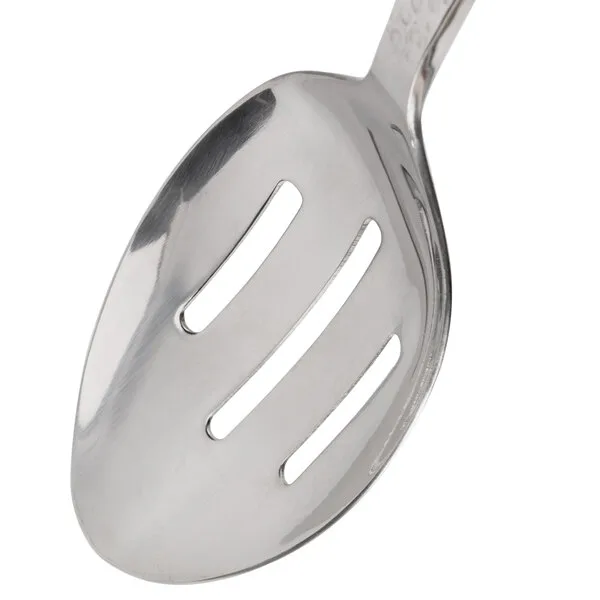
Image source: Bing (Web (fair-use with source credit))
When and Why to Use Your Slotted Spoon
You're reaching for a tool to grab solid food out of hot liquid and want to know how to use a slotted spoon effectively. It's a simple kitchen gadget, but knowing its purpose and technique can save you time, prevent messes, and help you serve your meals perfectly.
This handy utensil's design is all about separation. Unlike a solid spoon, its key feature is the series of holes, or slots, that allow liquids to drain away. Manufacturer specifications for typical stainless steel slotted spoons often indicate a bowl capacity of around 1/4 cup to 1/2 cup, with handle lengths ranging from 12 to 16 inches for comfortable reach.
Quick Answer
Use a slotted spoon to lift solid food from liquids, allowing the liquid to drain through its holes. Dip, scoop, and gently tilt the spoon to let water or oil escape while holding onto pasta, vegetables, or fried items. Avoid overfilling and tilting too aggressively to prevent food from slipping out.
Understanding How the Slotted Spoon Works
The magic of the slotted spoon lies in its perforations. These aren't just random holes; they're strategically sized and spaced to achieve a specific culinary goal: efficient drainage. When you scoop up something like boiled potatoes or cooked pasta, the liquid clinging to the food can easily pass through these slots and back into the pot or pan.
This means you're not hauling a heavy, dripping mass of food. You’re left with primarily the solids, ready to be seasoned, sauced, or served. The material of the spoon also plays a role; stainless steel is durable and easy to clean, while nylon or silicone versions are great for non-stick cookware.
Your Step-by-Step Guide to Using a Slotted Spoon
Using a slotted spoon is pretty intuitive, but a few key steps ensure you get the best results every time. It’s about combining gentle scooping with a controlled tilt.
Scooping and Draining
Dip the spoon into the liquid, positioning it to capture the solid food you want to retrieve. Gently move the spoon underneath the item, like a piece of cooked chicken or a few dumplings, and bring it up.
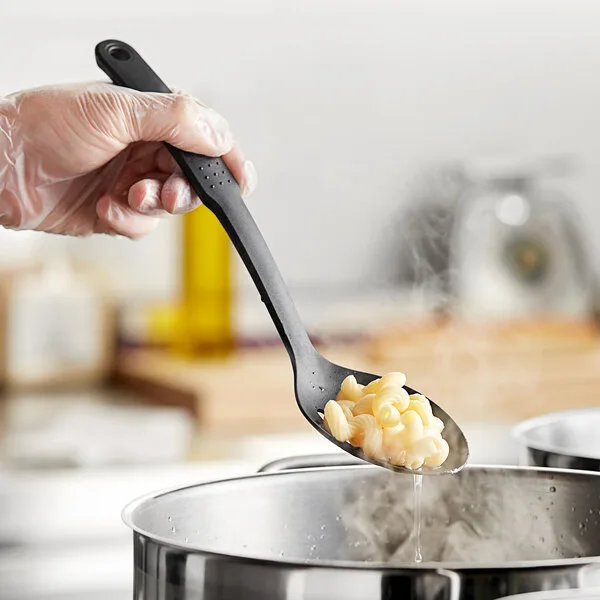
Image source: Bing (Web (fair-use with source credit))
Once the food is in the spoon, lift it clear of the main liquid. Then, tilt the spoon slightly. This subtle angle is crucial for letting the excess liquid drain away through the slots.
The Gentle Tilt Technique
The degree of tilt depends on the food. For something firm like potatoes, a more pronounced tilt is fine. However, if you’re handling delicate items such as poached eggs or flaky fish, a very gentle tilt is necessary to avoid breaking them apart.
Give it a second or two to drain thoroughly before transferring the food.
Avoiding Common Mistakes
- Overfilling: Trying to scoop too much food at once means the slots can’t drain effectively, and you risk dropping food.
- Aggressive Tilting: This can cause your food to slide out of the spoon, especially if it’s small or delicate.
- Not Draining Long Enough: A quick lift might still leave too much liquid behind, which can dilute sauces or make fried foods greasy.
Best Scenarios for Your Slotted Spoon
This tool really shines in situations where you need to isolate solid components from a liquid bath. It's a go-to for many common cooking tasks.
Draining Pasta and Veggies
When you've boiled pasta, corn, green beans, or potatoes, a slotted spoon is your best friend. Instead of wrestling with a colander, you can simply lift the cooked items directly from the boiling water, letting it drain back into the pot. This is particularly helpful if you need to remove just a portion of the vegetables or if you’re serving pasta family-style directly from the cooking pot.
Serving from Soups and Stews
Want to serve the tender chunks of meat and vegetables from a hearty stew or a flavorful soup? A slotted spoon lets you scoop out the solid pieces, leaving the rich broth behind. This is perfect for dishes where the solids are the main event, and you want to control the amount of liquid served with each portion.
Frying and Poaching
In the world of frying, a slotted spoon is invaluable for retrieving items like dumplings, fritters, or even some types of fish from hot oil. It allows the excess oil to drip away, helping to create a crispier texture and reducing greasiness. For poaching, like eggs or fish fillets, it provides a gentle way to lift the cooked item without damaging its delicate structure.
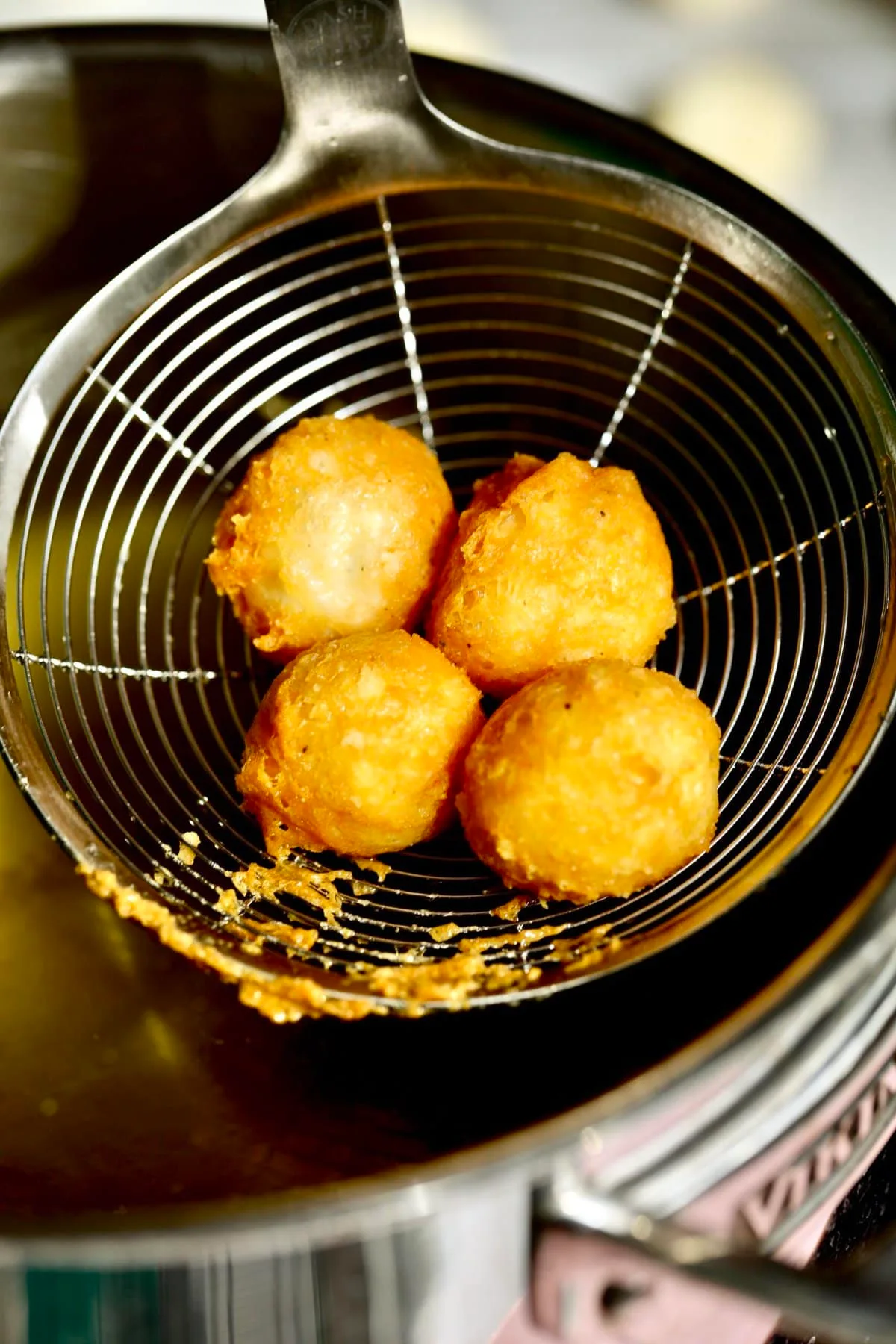
Image source: Bing (Web (fair-use with source credit))
Slotted Spoon vs. Other Tools
While a slotted spoon is incredibly versatile, other tools serve similar purposes. A colander is great for draining large quantities, like a whole pot of pasta, but it’s too bulky for scooping individual items. A spider strainer, with its fine mesh basket, is excellent for delicate items and quick scooping of small ingredients like gnocchi or ravioli, but it can be harder to clean if food gets stuck in the mesh.
A regular solid spoon is for stirring and serving liquids, not for drainage. For tasks that require maximum liquid removal and quick frying, a spider strainer or a skimmer might sometimes be preferred, but the slotted spoon offers a good balance of capacity and drainage for everyday use.
Best Scenarios for Your Slotted Spoon
This tool really shines in situations where you need to isolate solid components from a liquid bath. It's a go-to for many common cooking tasks.
Draining Pasta and Veggies
When you've boiled pasta, corn, green beans, or potatoes, a slotted spoon is your best friend. Instead of wrestling with a colander, you can simply lift the cooked items directly from the boiling water, letting it drain back into the pot. This is particularly helpful if you need to remove just a portion of the vegetables or if you’re serving pasta family-style directly from the cooking pot.
Serving from Soups and Stews
Want to serve the tender chunks of meat and vegetables from a hearty stew or a flavorful soup? A slotted spoon lets you scoop out the solid pieces, leaving the rich broth behind. This is perfect for dishes where the solids are the main event, and you want to control the amount of liquid served with each portion.
Frying and Poaching
In the world of frying, a slotted spoon is invaluable for retrieving items like dumplings, fritters, or even some types of fish from hot oil. It allows the excess oil to drip away, helping to create a crispier texture and reducing greasiness. For poaching, like eggs or fish fillets, it provides a gentle way to lift the cooked item without damaging its delicate structure.
Image source: Bing (Web (fair-use with source credit))
Slotted Spoon vs. Other Tools
While a slotted spoon is incredibly versatile, other tools serve similar purposes. A colander is great for draining large quantities, like a whole pot of pasta, but it’s too bulky for scooping individual items. A spider strainer, with its fine mesh basket, is excellent for delicate items and quick scooping of small ingredients like gnocchi or ravioli, but it can be harder to clean if food gets stuck in the mesh.
A regular solid spoon is for stirring and serving liquids, not for drainage. For tasks that require maximum liquid removal and quick frying, a spider strainer or a skimmer might sometimes be preferred, but the slotted spoon offers a good balance of capacity and drainage for everyday use.
Best Scenarios for Your Slotted Spoon
This tool really shines in situations where you need to isolate solid components from a liquid bath. It's a go-to for many common cooking tasks.
Draining Pasta and Veggies
When you've boiled pasta, corn, green beans, or potatoes, a slotted spoon is your best friend. Instead of wrestling with a colander, you can simply lift the cooked items directly from the boiling water, letting it drain back into the pot. This is particularly helpful if you need to remove just a portion of the vegetables or if you’re serving pasta family-style directly from the cooking pot.
Serving from Soups and Stews
Want to serve the tender chunks of meat and vegetables from a hearty stew or a flavorful soup? A slotted spoon lets you scoop out the solid pieces, leaving the rich broth behind. This is perfect for dishes where the solids are the main event, and you want to control the amount of liquid served with each portion.
Frying and Poaching
In the world of frying, a slotted spoon is invaluable for retrieving items like dumplings, fritters, or even some types of fish from hot oil. It allows the excess oil to drip away, helping to create a crispier texture and reducing greasiness. For poaching, like eggs or fish fillets, it provides a gentle way to lift the cooked item without damaging its delicate structure.
Image source: Bing (Web (fair-use with source credit))
Slotted Spoon vs. Other Tools
While a slotted spoon is incredibly versatile, other tools serve similar purposes. A colander is great for draining large quantities, like a whole pot of pasta, but it’s too bulky for scooping individual items. A spider strainer, with its fine mesh basket, is excellent for delicate items and quick scooping of small ingredients like gnocchi or ravioli, but it can be harder to clean if food gets stuck in the mesh.
A regular solid spoon is for stirring and serving liquids, not for drainage. For tasks that require maximum liquid removal and quick frying, a spider strainer or a skimmer might sometimes be preferred, but the slotted spoon offers a good balance of capacity and drainage for everyday use.
Best Scenarios for Your Slotted Spoon
This tool really shines in situations where you need to isolate solid components from a liquid bath. It's a go-to for many common cooking tasks.
Draining Pasta and Veggies
When you've boiled pasta, corn, green beans, or potatoes, a slotted spoon is your best friend. Instead of wrestling with a colander, you can simply lift the cooked items directly from the boiling water, letting it drain back into the pot. This is particularly helpful if you need to remove just a portion of the vegetables or if you’re serving pasta family-style directly from the cooking pot.
Serving from Soups and Stews
Want to serve the tender chunks of meat and vegetables from a hearty stew or a flavorful soup? A slotted spoon lets you scoop out the solid pieces, leaving the rich broth behind. This is perfect for dishes where the solids are the main event, and you want to control the amount of liquid served with each portion.
Frying and Poaching
In the world of frying, a slotted spoon is invaluable for retrieving items like dumplings, fritters, or even some types of fish from hot oil. It allows the excess oil to drip away, helping to create a crispier texture and reducing greasiness. For poaching, like eggs or fish fillets, it provides a gentle way to lift the cooked item without damaging its delicate structure.
Image source: Bing (Web (fair-use with source credit))
Slotted Spoon vs. Other Tools
While a slotted spoon is incredibly versatile, other tools serve similar purposes. A colander is great for draining large quantities, like a whole pot of pasta, but it’s too bulky for scooping individual items. A spider strainer, with its fine mesh basket, is excellent for delicate items and quick scooping of small ingredients like gnocchi or ravioli, but it can be harder to clean if food gets stuck in the mesh.
A regular solid spoon is for stirring and serving liquids, not for drainage. For tasks that require maximum liquid removal and quick frying, a spider strainer or a skimmer might sometimes be preferred, but the slotted spoon offers a good balance of capacity and drainage for everyday use.
Best Scenarios for Your Slotted Spoon
This tool really shines in situations where you need to isolate solid components from a liquid bath. It's a go-to for many common cooking tasks.
Draining Pasta and Veggies
When you've boiled pasta, corn, green beans, or potatoes, a slotted spoon is your best friend. Instead of wrestling with a colander, you can simply lift the cooked items directly from the boiling water, letting it drain back into the pot. This is particularly helpful if you need to remove just a portion of the vegetables or if you’re serving pasta family-style directly from the cooking pot.
Serving from Soups and Stews
Want to serve the tender chunks of meat and vegetables from a hearty stew or a flavorful soup? A slotted spoon lets you scoop out the solid pieces, leaving the rich broth behind. This is perfect for dishes where the solids are the main event, and you want to control the amount of liquid served with each portion.
Frying and Poaching
In the world of frying, a slotted spoon is invaluable for retrieving items like dumplings, fritters, or even some types of fish from hot oil. It allows the excess oil to drip away, helping to create a crispier texture and reducing greasiness. For poaching, like eggs or fish fillets, it provides a gentle way to lift the cooked item without damaging its delicate structure.
Image source: Bing (Web (fair-use with source credit))
Slotted Spoon vs. Other Tools
While a slotted spoon is incredibly versatile, other tools serve similar purposes. A colander is great for draining large quantities, like a whole pot of pasta, but it’s too bulky for scooping individual items. A spider strainer, with its fine mesh basket, is excellent for delicate items and quick scooping of small ingredients like gnocchi or ravioli, but it can be harder to clean if food gets stuck in the mesh.
A regular solid spoon is for stirring and serving liquids, not for drainage. For tasks that require maximum liquid removal and quick frying, a spider strainer or a skimmer might sometimes be preferred, but the slotted spoon offers a good balance of capacity and drainage for everyday use.
Best Scenarios for Your Slotted Spoon
This tool really shines in situations where you need to isolate solid components from a liquid bath. It's a go-to for many common cooking tasks.
Draining Pasta and Veggies
When you've boiled pasta, corn, green beans, or potatoes, a slotted spoon is your best friend. Instead of wrestling with a colander, you can simply lift the cooked items directly from the boiling water, letting it drain back into the pot. This is particularly helpful if you need to remove just a portion of the vegetables or if you’re serving pasta family-style directly from the cooking pot.
Serving from Soups and Stews
Want to serve the tender chunks of meat and vegetables from a hearty stew or a flavorful soup? A slotted spoon lets you scoop out the solid pieces, leaving the rich broth behind. This is perfect for dishes where the solids are the main event, and you want to control the amount of liquid served with each portion.
Frying and Poaching
In the world of frying, a slotted spoon is invaluable for retrieving items like dumplings, fritters, or even some types of fish from hot oil. It allows the excess oil to drip away, helping to create a crispier texture and reducing greasiness. For poaching, like eggs or fish fillets, it provides a gentle way to lift the cooked item without damaging its delicate structure.
Image source: Bing (Web (fair-use with source credit))
Slotted Spoon vs. Other Tools
While a slotted spoon is incredibly versatile, other tools serve similar purposes. A colander is great for draining large quantities, like a whole pot of pasta, but it’s too bulky for scooping individual items. A spider strainer, with its fine mesh basket, is excellent for delicate items and quick scooping of small ingredients like gnocchi or ravioli, but it can be harder to clean if food gets stuck in the mesh.
A regular solid spoon is for stirring and serving liquids, not for drainage. For tasks that require maximum liquid removal and quick frying, a spider strainer or a skimmer might sometimes be preferred, but the slotted spoon offers a good balance of capacity and drainage for everyday use.
Best Scenarios for Your Slotted Spoon
This tool really shines in situations where you need to isolate solid components from a liquid bath. It's a go-to for many common cooking tasks.
Draining Pasta and Veggies
When you've boiled pasta, corn, green beans, or potatoes, a slotted spoon is your best friend. Instead of wrestling with a colander, you can simply lift the cooked items directly from the boiling water, letting it drain back into the pot. This is particularly helpful if you need to remove just a portion of the vegetables or if you’re serving pasta family-style directly from the cooking pot.
Serving from Soups and Stews
Want to serve the tender chunks of meat and vegetables from a hearty stew or a flavorful soup? A slotted spoon lets you scoop out the solid pieces, leaving the rich broth behind. This is perfect for dishes where the solids are the main event, and you want to control the amount of liquid served with each portion.
Frying and Poaching
In the world of frying, a slotted spoon is invaluable for retrieving items like dumplings, fritters, or even some types of fish from hot oil. It allows the excess oil to drip away, helping to create a crispier texture and reducing greasiness. For poaching, like eggs or fish fillets, it provides a gentle way to lift the cooked item without damaging its delicate structure.
Image source: Bing (Web (fair-use with source credit))
Slotted Spoon vs. Other Tools
While a slotted spoon is incredibly versatile, other tools serve similar purposes. A colander is great for draining large quantities, like a whole pot of pasta, but it’s too bulky for scooping individual items. A spider strainer, with its fine mesh basket, is excellent for delicate items and quick scooping of small ingredients like gnocchi or ravioli, but it can be harder to clean if food gets stuck in the mesh.
A regular solid spoon is for stirring and serving liquids, not for drainage. For tasks that require maximum liquid removal and quick frying, a spider strainer or a skimmer might sometimes be preferred, but the slotted spoon offers a good balance of capacity and drainage for everyday use.
Best Scenarios for Your Slotted Spoon
This tool really shines in situations where you need to isolate solid components from a liquid bath. It's a go-to for many common cooking tasks.
Draining Pasta and Veggies
When you've boiled pasta, corn, green beans, or potatoes, a slotted spoon is your best friend. Instead of wrestling with a colander, you can simply lift the cooked items directly from the boiling water, letting it drain back into the pot. This is particularly helpful if you need to remove just a portion of the vegetables or if you’re serving pasta family-style directly from the cooking pot.
Serving from Soups and Stews
Want to serve the tender chunks of meat and vegetables from a hearty stew or a flavorful soup? A slotted spoon lets you scoop out the solid pieces, leaving the rich broth behind. This is perfect for dishes where the solids are the main event, and you want to control the amount of liquid served with each portion.
Frying and Poaching
In the world of frying, a slotted spoon is invaluable for retrieving items like dumplings, fritters, or even some types of fish from hot oil. It allows the excess oil to drip away, helping to create a crispier texture and reducing greasiness. For poaching, like eggs or fish fillets, it provides a gentle way to lift the cooked item without damaging its delicate structure.
Image source: Bing (Web (fair-use with source credit))
Slotted Spoon vs. Other Tools
While a slotted spoon is incredibly versatile, other tools serve similar purposes. A colander is great for draining large quantities, like a whole pot of pasta, but it’s too bulky for scooping individual items. A spider strainer, with its fine mesh basket, is excellent for delicate items and quick scooping of small ingredients like gnocchi or ravioli, but it can be harder to clean if food gets stuck in the mesh.
A regular solid spoon is for stirring and serving liquids, not for drainage. For tasks that require maximum liquid removal and quick frying, a spider strainer or a skimmer might sometimes be preferred, but the slotted spoon offers a good balance of capacity and drainage for everyday use.
Opting for the Right Tool: Slotted Spoon vs. Other Options
Choosing the right utensil for the job makes cooking smoother. While a slotted spoon is excellent for separating solids from liquids, it's not the only option. A colander is ideal for draining large quantities, like an entire pot of pasta, but it’s cumbersome for scooping individual items.
A spider strainer, characterized by its deep mesh basket, is fantastic for delicate ingredients or quickly scooping small items like gnocchi. However, cleaning its fine mesh can sometimes be tedious. A standard solid spoon is designed for stirring and serving liquids, not for draining.
When maximum liquid removal is critical, especially in frying for crispiness, a spider strainer or skimmer might be preferred. Yet, the slotted spoon provides a solid balance for daily use, offering good capacity and effective drainage.
Expert Tips for Perfect Drainage
Achieving optimal drainage with your slotted spoon often comes down to a few subtle techniques and considerations. It's not just about scooping; it's about how you handle the spoon after.
- Material Matters for Grip: While most slotted spoons are metal or plastic, note that some metal versions can be slippery when wet. If you're handling very large or heavy items, a spoon with a textured or rubberized grip can offer better control.
- Consider the Slot Size: For smaller items like peas or rice, you'll want a spoon with smaller, more numerous slots to prevent them from escaping. Larger slots are fine for items like potatoes or meatballs.
- Shake It Out: After you've tilted the spoon to drain, give it a very gentle side-to-side shake over the pot or a clean bowl. This can dislodge any lingering droplets of liquid without dislodging the food.
- Drain Over the Pot: Whenever possible, drain your food directly over the pot you're cooking in. This way, any liquid that drips back goes where it belongs, minimizing cleanup.
Frequently Asked Questions About Slotted Spoons
How do I clean a slotted spoon?
Cleaning a slotted spoon is typically straightforward. For most materials like stainless steel or durable plastics, a simple wash with warm, soapy water and a sponge or brush is sufficient. Ensure you get into the slots to remove any trapped food particles.
Most slotted spoons are also dishwasher-safe, but always check the manufacturer's recommendations for your specific utensil.
What materials are slotted spoons made from?
Slotted spoons are commonly made from stainless steel for durability and heat resistance. You'll also find them made from nylon, silicone, or bamboo, especially for use with non-stick cookware. Each material has its pros and cons regarding heat tolerance, scratch resistance, and ease of cleaning.
Can I use a slotted spoon for scooping batter?
While you can scoop batter with a slotted spoon, it's generally not the best tool for the job if you want consistent results. Batter is meant to be a cohesive unit, and the slots will allow much of the liquid component to drain away before it even hits the pan. For batters, a solid spoon, ladle, or a dedicated batter dispenser works much better.
Are slotted spoons safe for non-stick pans?
Yes, slotted spoons made from nylon or silicone are safe for use with non-stick pans. Metal slotted spoons, however, can potentially scratch or damage the non-stick coating if used aggressively. It's always best to opt for softer materials when cooking in non-stick cookware.
How long does it take for food to drain properly?
The draining time depends on the food's texture and how much liquid it holds. For pasta, a few seconds of tilting is usually enough. For items like boiled vegetables that might hold water in crevices, letting it drain for 5-10 seconds might be beneficial.
Avoid over-draining, which can dry out your food.