How to Cook Eggs in a Microwave
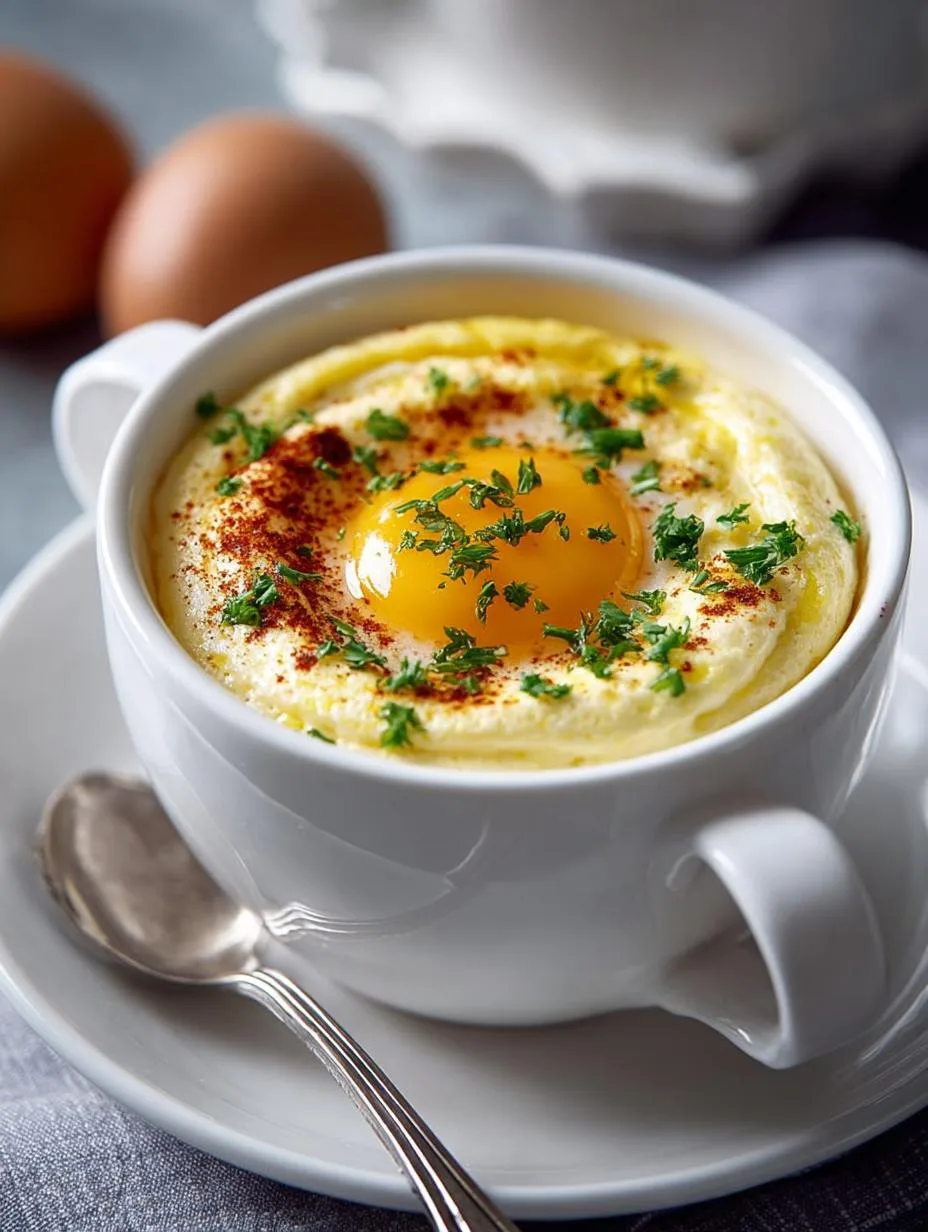
Image source: Bing (Web (fair-use with source credit))
Microwaving eggs can seem like magic, but it’s really about understanding gentle heat and timing. If you've ever ended up with a rubbery, exploded mess, you know that just blasting your eggs on high power isn't the way to go. Mastering this simple technique means you can whip up a quick, protein-packed meal in just a couple of minutes.
Our research indicates that precise timing and power levels are key to achieving a desirable texture, much like the detailed operational guidelines found in appliance manuals. As of 2026, understanding these nuances is critical for efficient microwave cooking. Let’s break down exactly how to get it right, starting with the basics.
Quick Answer
Cook eggs in the microwave by cracking them into a microwave-safe mug, gently whisking, and heating in short bursts. Start with 30-45 seconds at 50% power, stir, and continue in 15-20 second intervals. Watch for the whites to become mostly opaque but still glossy.
Let them rest for 30 seconds to finish cooking.
What You'll Need for Microwave Eggs
To get started with cooking eggs in the microwave, you won't need much beyond the basics. The most important thing is a suitable container.
- Microwave-safe mug or bowl: This is non-negotiable. Look for ceramic or glass that doesn't have any metallic trim, as metal can cause sparks and damage your appliance. Standard coffee mugs work wonderfully.
- Your egg(s): One or two eggs is usually the sweet spot for most mugs.
- A fork or small whisk: You’ll need this to break the yolks and mix everything together.
- A splash of liquid (optional): A teaspoon or two of milk or water can help create a softer texture.
- Seasoning: Salt and freshly ground black pepper are essential for flavor.

Image source: Web (Bing) / commons.wikimedia.org (Web image (fair-use with source credit))
The Step-by-Step: How to Cook Eggs in the Microwave
Cooking eggs in a microwave is all about controlled heat. We’re aiming for a texture similar to scrambled or softly poached eggs, not rubber. The process itself is straightforward, but paying attention to the details makes all the difference.
Cracking and Whisking for Success
First things first, grab your microwave-safe mug or bowl. Crack your egg(s) directly into it. If you’re using more than one egg, it’s a good idea to gently poke the yolks with your fork before whisking.
This helps them break more easily and ensures a more even cook.
Next, add your optional splash of milk or water. Just a little goes a long way to keep the eggs moist. Then, give it all a good whisk with your fork until the whites and yolks are mostly combined.
You don't need to whip it into a frenzy; a quick mix is perfect. Finally, season with salt and pepper to your liking.
Microwaving in Bursts: The Timing Trick
This is where the magic (and potential for disaster) happens. Microwaves cook unevenly and very quickly, so we work in short intervals. This allows you to check on the progress and stop before you overcook.
Start by placing your mug in the microwave. For a single egg, set your microwave to 50% power (or medium setting) and cook for 30 to 45 seconds. If you’re doing two eggs, you might need to add an extra 15-20 seconds initially.
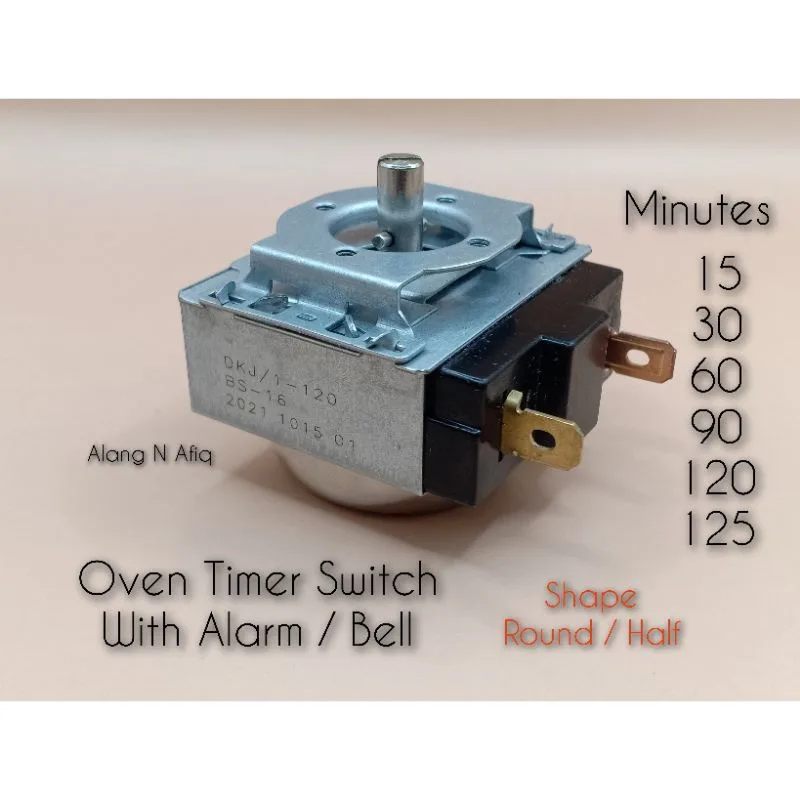
Image source: Bing (Web (fair-use with source credit))
After the initial burst, carefully remove the mug. You’ll see the edges are starting to set. Give the mixture another stir.
This helps redistribute the heat and ensures even cooking. If the eggs are still very runny, put the mug back in for another 15-20 seconds. Repeat this process, microwave, stir, check, until the eggs are almost cooked through.
What "Almost Done" Looks Like
This is the most critical visual cue. You're looking for the egg whites to be mostly opaque, meaning they've turned from clear to white. However, they should still have a slightly glossy or wet appearance.
The center might still look a bit jiggly, and that’s exactly what you want.
If you continue microwaving until the eggs look completely firm and dry in the microwave, they will be overcooked by the time you take them out and let them rest. The residual heat will finish the cooking process. Aiming for slightly underdone in the microwave ensures a better final texture.
Visual Cues: Knowing When Your Microwave Eggs Are Ready
Understanding what to look for visually is key to avoiding the dreaded rubbery egg. When microwaving, especially in bursts, your eyes are your best tool. You're not just setting a timer; you're observing the changes.
The egg whites will be the first to show significant change, moving from translucent to opaque white. You want to stop the cooking process when they are mostly white but still have a sheen to them. Imagine a perfectly poached egg white; it's set but not chalky or dry.
The center should still appear slightly undercooked, perhaps a bit jiggly or wet. This is the "almost done" stage. If you see any clear liquid, give it another short burst, perhaps 10-15 seconds.
If it looks completely solid and dry, you’ve gone too far, and the texture will likely be tough.
Common Microwave Egg Mistakes to Sidestep
Even with simple instructions, a few common missteps can turn your microwave egg attempt into a less-than-ideal meal. Being aware of these pitfalls can save you from repeated frustration.
- Using High Power for Too Long: This is the number one reason for rubbery or exploded eggs. Microwaves are powerful and cook quickly. Always start with lower power settings (like 50%) and use short intervals. If you cook them on high for a full minute, they'll likely be overdone.
- Not Stirring: For scrambled-style eggs, stirring is essential for even cooking. Without it, you'll get patches of cooked and uncooked egg. For a whole egg style, stirring helps ensure the yolk doesn't cook unevenly or create a tough spot.
- Skipping the Rest Time: Eggs, like many foods cooked in the microwave, continue to cook after you remove them from the appliance due to residual heat. If you take them out when they look perfectly done, they will likely be overcooked by the time you’re ready to eat them. Letting them rest for about 30 seconds allows the cooking to finish gently.
- Forgetting to Vent or Poke: If you're attempting a whole egg (yolk intact), piercing the yolk membrane is crucial. If not, the yolk can build up pressure and explode, creating a mess. Even with whisked eggs, some people find a gentle poke of the surface helps prevent minor bubbling or splattering.
Simple Ways to Upgrade Your Microwave Eggs
Once you’ve mastered the basic microwave egg, it’s easy to elevate it with a few simple additions. These upgrades take your quick meal from basic to brilliant with minimal extra effort.
- Cheesy Goodness: Stir in a tablespoon of shredded cheese (cheddar, mozzarella, or Monterey Jack work well) during the last 15-20 second cooking burst. The heat will melt it perfectly.
- Veggie Boost: Add finely chopped, pre-cooked vegetables like spinach, bell peppers, or mushrooms. It’s best to add these after the first cooking interval, allowing them to heat through with the eggs.
- Herbs and Spices: Beyond salt and pepper, consider a pinch of red pepper flakes for a kick, a dash of hot sauce, or some fresh chives or parsley stirred in right at the end.
- A Little Fat for Flavor: A tiny pat of butter stirred in at the end can add richness and a smoother mouthfeel.
Microwave Eggs vs. Stovetop: When to Choose What
While microwaving eggs offers unparalleled speed, it's not always the best choice for every situation or preference. Understanding the strengths of each method helps you pick the right tool for the job.
| Method | Best For | Pros | Cons |
|---|---|---|---|
| Microwave Eggs | Speed, single servings, quick snacks, minimal cleanup | Extremely fast, very little cleanup, requires basic tools | Texture can be less consistent, easier to overcook, not ideal for large batches |
| Stovetop Eggs | Texture control, larger batches, specific preparations (fried, omelet) | Superior texture control, versatility (fried, scrambled, omelets), good for batches | Requires more attention, longer cooking time, more cleanup |
If you need a single serving of eggs right now and don't want to fuss with a pan, the microwave is your champion. It’s perfect for a last-minute breakfast before dashing out the door. However, if you're aiming for a perfectly crispy fried egg, a fluffy omelet, or cooking for a crowd, the stovetop still reigns supreme.
You get more control over browning, texture, and volume with traditional methods. If you're looking to learn more about cooking staples like rice, exploring resources on how to cook white rice in a rice cooker or how to prevent rice from sticking in rice cooker can offer similar quick-cooking solutions for other foods.
FAQs About Cooking Eggs in the Microwave
How long does it typically take to cook one egg in the microwave?
Cooking one egg in the microwave usually takes between 60 and 90 seconds total. This time is broken into short bursts, with stirring in between, to ensure even cooking. The exact time can vary based on your microwave's wattage.
Can I cook more than two eggs in the microwave at once?
It's generally not recommended to cook more than two eggs in the microwave at a time. Larger quantities are much harder to cook evenly and increase the risk of uneven heating or explosions. Sticking to one or two eggs per microwave-safe mug or bowl is best.
What if my microwave doesn't have power level settings?
If your microwave only has a "high" setting, you'll need to be extra careful with timing. Start with very short bursts, like 20-30 seconds, and check frequently. You may need to experiment to find the right amount of time for your specific appliance, as high power can easily overcook eggs.
Is it safe to microwave eggs in their shells?
No, it is absolutely not safe to microwave eggs in their shells. The internal pressure builds up rapidly, causing the egg to explode. Always crack eggs into a microwave-safe container before heating.
What is the best way to reheat microwaved eggs?
To reheat microwaved eggs, place them in a microwave-safe container and add a tiny splash of water or milk. Heat on 50% power in 20-30 second intervals, stirring in between, until warmed through. This helps prevent them from drying out.