How to Remove Microwave Odors
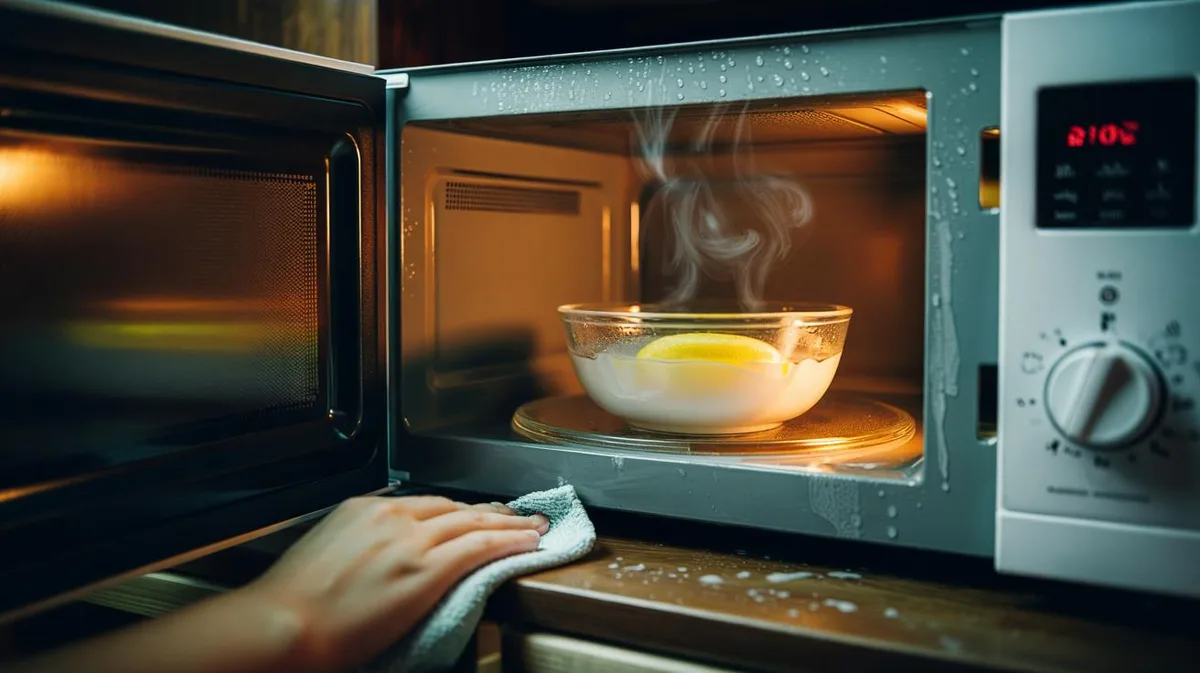
Image source: Bing (Web (fair-use with source credit))
Microwaves are kitchen workhorses, but they can quickly become a source of lingering, unpleasant smells. Whether it's burnt popcorn, fish, or something mysteriously unidentifiable, knowing how to remove microwave odors effectively is essential for a pleasant cooking environment. Don't let a stinky microwave ruin your appetite or your kitchen's atmosphere.
Our research confirms that microwave odor issues can range from a mild annoyance to a persistent problem that affects food flavor. According to manufacturer specifications, regular cleaning can prevent many odor issues, but when they arise, a systematic approach is best. We'll walk you through the most effective methods to tackle these smells.
Quick Answer
The best way to remove microwave odors involves a multi-step process starting with simple natural remedies. First, wipe down the interior with a damp cloth. Then, steam the microwave for several minutes using a bowl of water mixed with vinegar or lemon juice.
For stubborn smells, try a baking soda paste or activated charcoal. Ensure the microwave is aired out completely afterward to dissipate any remaining scent.
The Stinky Microwave Problem: Why It Happens
Microwave odors are a common kitchen complaint, and they usually stem from food particles that get splattered and cooked onto the interior surfaces. When food residue is left behind, it can burn, decay, or simply emit volatile compounds that cling to the plastic and metal. Different types of food produce different kinds of smells; for example, fish oils and strongly spiced dishes are notorious for leaving behind powerful odors that are hard to banish.
Over time, these residues build up, creating a persistent smell that can transfer to your freshly heated food, diminishing its taste and your enjoyment. Even a quick reheat can re-release the trapped odors. Our research indicates that these smells are often caused by organic compounds that have oxidized or broken down within the enclosed, heated environment of the microwave.
- Food Splatter: Uncovered food is the prime culprit. Steam and boiling liquids can splash onto the ceiling, walls, and turntable.
- Burnt Residue: Overcooked or forgotten food can char, leaving a difficult-to-remove burnt smell.
- Grease Buildup: Fatty foods can leave behind a greasy film that traps odors.
- Mold or Mildew: Spills that aren't cleaned promptly can lead to mold growth, especially in damp corners, which produces a musty scent.
Quick Fixes for Common Microwave Smells
When you're faced with a less-than-pleasant aroma emanating from your microwave, several quick fixes can often do the trick without much fuss. These methods are ideal for recent spills or mild, lingering smells. They rely on common household ingredients and a bit of steam power to lift and neutralize odors.
- Vinegar Steam: Fill a microwave-safe bowl with 1 cup of water and 2 tablespoons of white vinegar. Microwave on high for 3-5 minutes, or until the mixture boils and steam fills the cavity. Let it sit with the door closed for another 5-10 minutes to allow the steam to work. Carefully remove the hot bowl and wipe down the interior with a damp cloth. The acidic nature of vinegar helps break down odor molecules.
- Lemon Power: Similar to vinegar, lemon juice is a natural deodorizer. Combine 1 cup of water with the juice of half a lemon (or a few lemon slices) in a microwave-safe bowl. Heat on high for 3-5 minutes until steaming, then let it sit for 5-10 minutes. Wipe down the interior afterward. This method leaves a fresh, citrusy scent.
These methods are excellent for tackling everyday cooking odors. If the smell persists or is particularly strong, you might need to move on to more intensive cleaning solutions.
Deep Cleaning for Stubborn Odors: A Step-by-Step Approach
When those quick fixes don't quite cut it, it's time for a deeper clean. Stubborn microwave odors, like those from burnt popcorn or intensely flavored foods, require a more targeted approach. This process involves using common kitchen staples that are known for their absorbent and neutralizing properties.
Baking Soda & Vinegar Power Duo
This combination is a classic for a reason. Baking soda is a fantastic absorbent and mild abrasive, while vinegar's acidity tackles grease and neutralizes odors.

Here’s how to tackle those tough smells:
- Make a Paste: Mix 1/2 cup of baking soda with a few tablespoons of water to create a thick paste.
- Apply It: Spread this paste all over the interior surfaces of the microwave, avoiding the vents and any electronic components. Pay special attention to stained areas.
- Let It Sit: Allow the paste to sit for at least 30 minutes, or even a few hours for very stubborn smells.
- Wipe Down: Use a damp cloth or sponge to wipe away the dried baking soda paste. You may need to rinse the cloth frequently.
- Vinegar Rinse: For an extra boost, dampen a clean cloth with white vinegar and wipe down all interior surfaces again. This helps to neutralize any remaining baking soda residue and tackle any lingering odors.
- Air Out: Leave the microwave door open for an hour or two to ensure it dries completely and any vinegar scent dissipates.
This two-pronged approach is highly effective because baking soda absorbs the odors, while vinegar chemically breaks down odor-causing compounds.
Lemon & Water Steam Clean
If you prefer a fresh, natural scent, the lemon and water steam method can be intensified for deeper cleaning.
Steps for a Lemon-Fresh Microwave:
- Prepare the Solution: Fill a microwave-safe bowl with 1 cup of water. Squeeze in the juice of one lemon, and then toss the lemon halves into the bowl as well.
- Steam It Up: Place the bowl in the microwave and heat on high power for 5 minutes. Let it sit, undisturbed, with the door closed for at least 15 minutes. This allows the steam, infused with lemon oil and acidity, to loosen grime and neutralize odors.
- Wipe Clean: Carefully remove the hot bowl. Using a damp cloth or sponge, wipe down the interior surfaces. The loosened food particles and odors should come away easily.
- Dry Thoroughly: Ensure all surfaces are dry before closing the door.
The citric acid in lemons acts as a natural degreaser and deodorizer, making it a great alternative to vinegar for those who dislike its scent.
Activated Charcoal or Coffee Grounds Method
For odors that are particularly persistent and resistant to other cleaning methods, absorbent materials like activated charcoal or used coffee grounds can be incredibly effective. These materials work by trapping odor molecules within their porous structures.
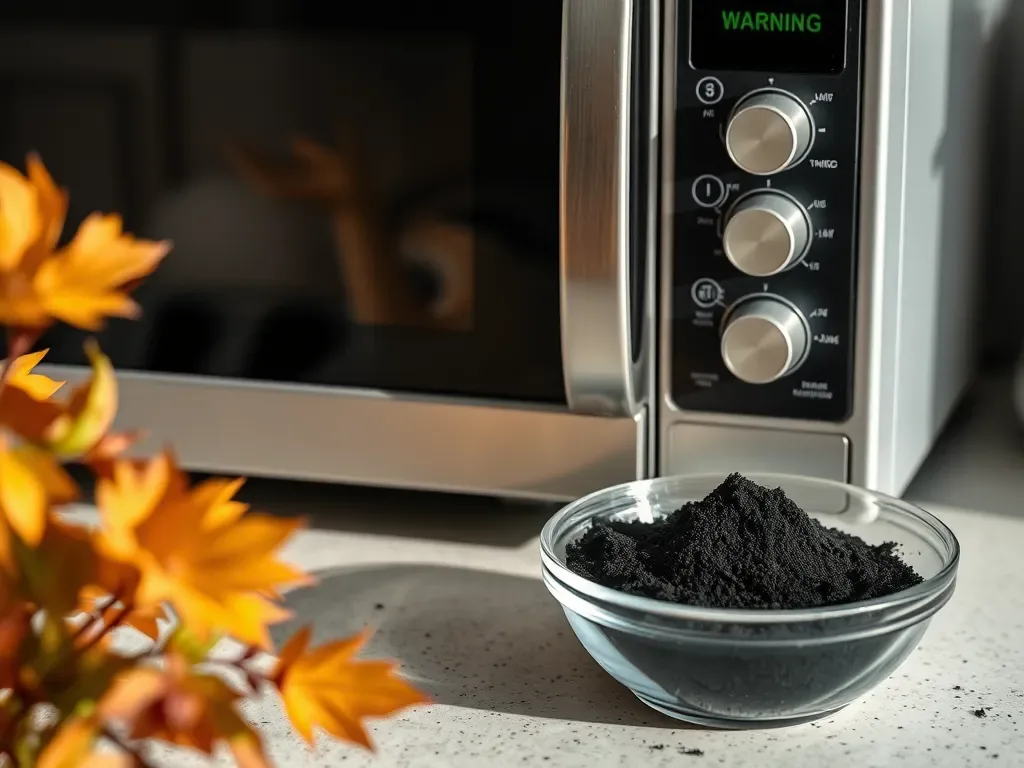
How to Use Absorbents:
- Choose Your Absorbent:
- Activated Charcoal: You can buy activated charcoal briquettes (ensure they are plain, without lighter fluid) or charcoal filters. Place a few pieces in a small, microwave-safe dish.
- Used Coffee Grounds: Spread about half a cup of damp, used coffee grounds in a microwave-safe bowl.
- Place Inside: Put the bowl or dish of your chosen absorbent inside the microwave.
- Leave Overnight: Close the microwave door and leave the absorbent inside overnight, or for at least 8-12 hours. Do not turn the microwave on during this time.
- Remove and Air Out: After the absorption period, remove the dish. Wipe down the microwave's interior with a dry cloth, and then leave the door open for a few hours to air it out.
This method is passive, meaning it doesn't require heating or steaming, but it leverages the strong adsorptive capabilities of these materials to pull odors out of the air and surfaces. This is a great option if you’re worried about using heat or water-based methods on particularly sensitive internal components.
When Basic Cleaning Isn't Enough: Tougher Odor Battles
Sometimes, despite your best efforts with baking soda, vinegar, or lemon, a stubborn odor stubbornly clings to your microwave. This usually happens when the smell has deeply penetrated the plastic or enamel surfaces, or if there’s a particularly resilient burnt-food residue. For these situations, you need to go a bit further.
- Commercial Deodorizers: Many brands offer specific microwave odor removers. These are often gel or spray formulations designed to neutralize strong smells. Always follow the product instructions carefully, and ensure the product is safe for use in food preparation areas. Some rely on specialized chemical reactions to break down odor molecules rather than just masking them.
- Deeper Scrubbing: For burnt-on food, a non-abrasive scrubbing pad (like those made for delicate cookware) might be necessary. Combine this with a slightly stronger cleaning solution. A mixture of warm water and a few drops of mild dish soap can help break down greasy, burnt residues. Work in small sections, applying gentle pressure. Rinse thoroughly to remove all soap residue.
- Ventilation is Key: After any deep cleaning, it's crucial to maximize ventilation. Leave the microwave door open for an extended period, ideally for a full day if possible. If you have a kitchen fan or can open windows, use them to create airflow around the appliance. This helps to carry away any remaining odor molecules that might have been released during cleaning.
In some very rare cases, especially with older microwaves or severe burning, the smell may be impossible to remove completely. If the odor is dangerous (like electrical burning) or persists after multiple attempts, it might be time to consider replacing the appliance for safety and hygiene reasons.
Avoiding Future Microwave Stink: Prevention Tips
The best way to deal with microwave odors is to prevent them from happening in the first place. A few simple habits can keep your microwave smelling fresh and clean, saving you a lot of scrubbing down the line. Consistent, small efforts are far easier than tackling a major odor problem later.
- Cover Your Food: This is the golden rule of microwave use. Always use a microwave-safe cover, lid, or even a paper towel to prevent splatters. This stops food particles from reaching the interior walls, ceiling, and turntable in the first place. It dramatically reduces the amount of cleaning needed.
- Wipe Up Spills Immediately: If something does spill, don't wait. Wipe it up as soon as the microwave is cool enough to handle. Fresh spills are much easier to clean and less likely to leave strong odors than dried-on, baked-in messes.
- Regular Quick Cleans: Aim for a quick wipe-down of the interior at least once a week, or after heating particularly messy foods. This prevents minor splatters from becoming odor-trapping residues. You can use a damp cloth or a mild dish soap solution for this.
- Don't Overcook: Be mindful of cooking times. Overcooked food, especially popcorn, is a common cause of intense, hard-to-remove burnt smells.
- Airing Out: After heating particularly aromatic foods, consider leaving the microwave door ajar for a few minutes to let steam and smells escape. This is a small step that can make a big difference.
By incorporating these simple prevention tactics into your routine, you can largely avoid the need for extensive odor removal sessions and keep your microwave a pleasant appliance to use. If you're looking for advice on maintaining other kitchen appliances, learning how to clean a rice cooker can offer similar benefits for freshness and longevity.