How to Fix a Rice Cooker That Won’t Turn On
If your rice cooker won't turn on, you don't have to toss it out and buy another. Learning how to fix a rice cooker that won't turn on usually comes down to one small safety part and a few simple checks. Most repairs take about 20 minutes.
You just need a screwdriver and a multimeter.
In our research, the thermal fuse is the most common failure point. Most rice cookers use a fuse rated around 240°C and 10 amps, and once it blows, the whole appliance goes dead. As of 2026, replacement fuses cost a couple of dollars.
Start with the easy checks, then follow the workflow below.
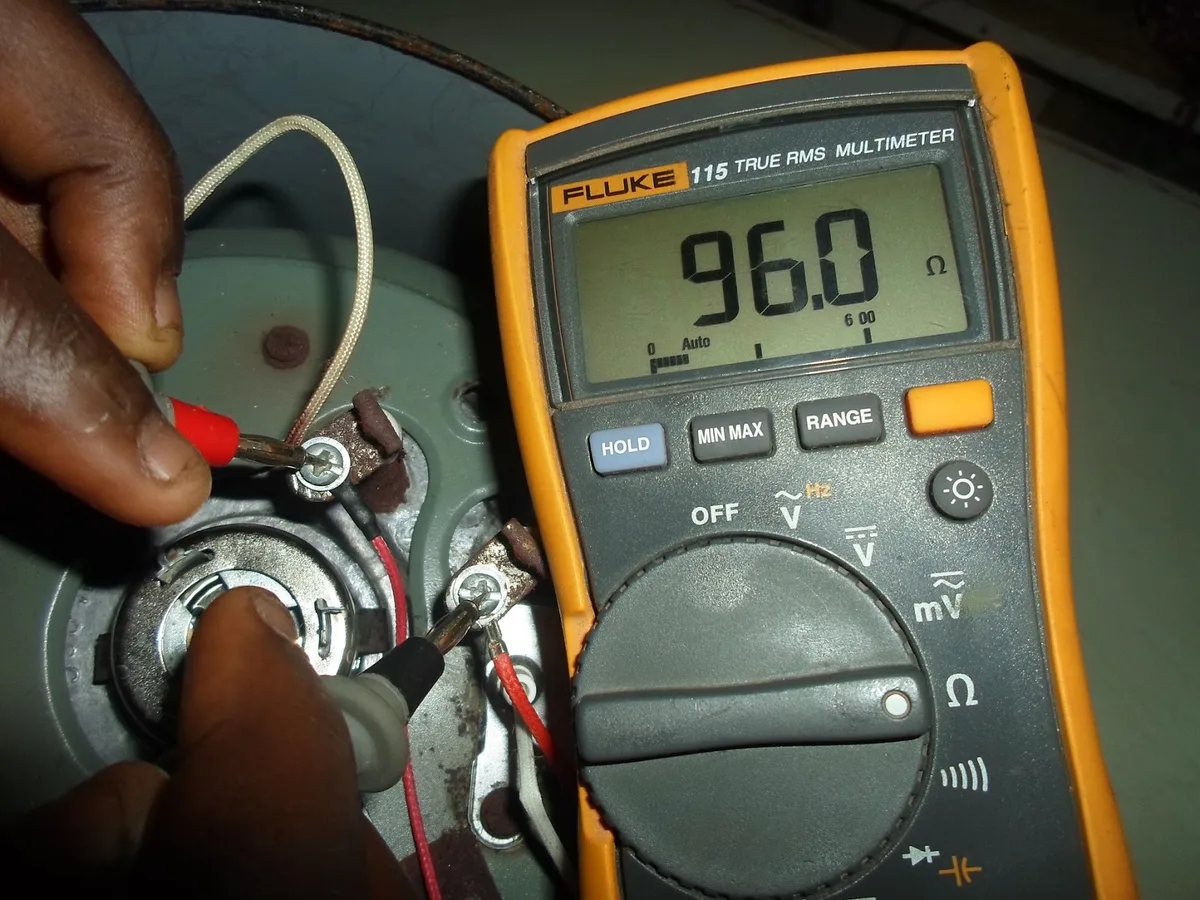
Image source: Bing (Web (fair-use with source credit))
Quick Answer
Start with the outlet, cord, and plug. Then open the base and test the thermal fuse. If the fuse reads infinite resistance, replace it.
That fixes most dead rice cookers.
Why Your Rice Cooker Won’t Turn On: Start Here Before You Panic
First, define the failure. “Won’t turn on” can mean no light, no heat, or both. If the light works but the cooker doesn’t heat, you have a different problem. If nothing at all happens, you almost always have a power path issue.
Run the 10-second checks before you open anything:
- Test the outlet with a phone charger or lamp.
- Inspect the plug for bent prongs or burn marks.
- Check the cord for cuts, especially near the plug.
- If the cord is detachable, reseat it firmly.
A loose connection or a dead outlet causes more “dead” rice cookers than you’d expect. If the outlet has no power, reset the breaker before touching the appliance. If the cord looks damaged, stop diagnosing and replace it.
This if-then logic works beyond rice cookers too. When a hand mixer suddenly stops, you run the same checks: cord, switch, motor. The fix follows the problem.
Now think about value. If your cooker is a budget model under $30, weigh the repair cost against replacement. If it’s a higher-end fuzzy logic unit, a $5 fuse is absolutely worth your time.
What’s Inside: The Three Parts That Actually Fail
Open the base and you’ll find three main components. The power cord brings AC into the cooker. The thermal fuse sits inline and protects against overheating.
The magnetic switch controls the cook and warm cycle.
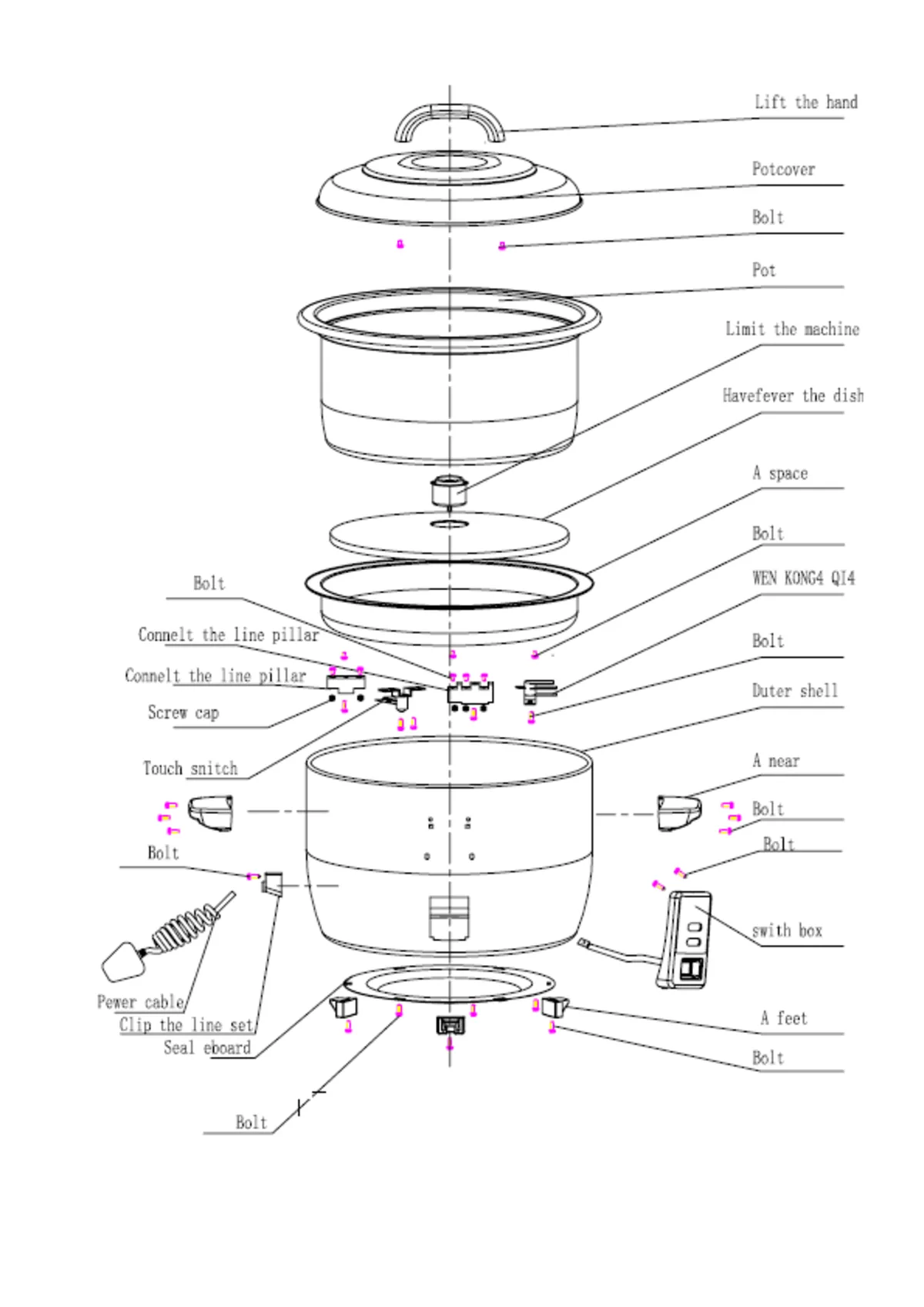
Image source: Bing (Web (fair-use with source credit))
Here’s what each part does and how it fails:
| Part | Function | Failure Mode |
|---|---|---|
| Power cord | Delivers electricity | Frays, breaks, bent prongs |
| Thermal fuse | Safety cutoff | Blows once, stops all power |
| Magnetic switch | Engages heating element | Sticky or burnt contacts |
| Heating plate | Converts electricity to heat | Rarely fails; heats slowly |
Most dead rice cookers point to the fuse or the switch. The heating plate is rarely the culprit. When the plate fails, the cooker usually heats too slowly instead of ignoring you completely.
Small appliances fail in patterns. Even kitchen scales have a predictable set of weak points, which is why a methodical approach saves time. You’re not guessing.
You’re testing the most likely failures first.
Step-by-Step: Diagnose the Exact Fault in 20 Minutes
Grab a Phillips screwdriver, a multimeter, and maybe needle-nose pliers. Set the multimeter to continuity or resistance mode. A good fuse reads near 0 ohms.
An open fuse reads infinite.
Follow the steps in order:
- Unplug the rice cooker and wait five minutes.
- Remove the screws on the bottom. Keep them in a cup.
- Disconnect the two wire leads on the thermal fuse.
- Touch the multimeter probes to the fuse ends.
- If the meter reads infinite, replace the fuse.
- If it reads near 0 ohms, test the magnetic switch next.
To test the magnetic switch, press the cook lever down and check continuity across the terminals. No continuity means the switch is burnt or stuck.
Some models have clips along the base instead of screws. Gently pry with a flathead screwdriver, but watch for plastic tabs. They snap easily.
If you don’t have a multimeter, a cheap continuity tester does the same job. It beeps or lights up when the circuit is complete. That’s enough to tell you whether the fuse is alive or dead.
The Usual Fix: Replacing the Thermal Fuse
The thermal fuse is a small component wrapped in white or orange heat-resistant material. It sits near the heating plate or the switch. When it blows, it’s dead forever.
There is no reset button.
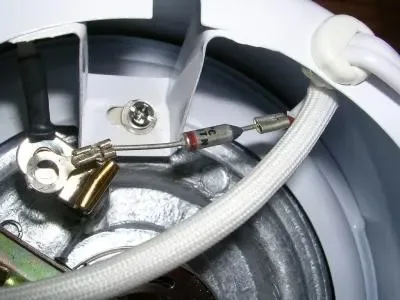
Image source: Bing (Web (fair-use with source credit))
To replace it, match the rating printed on the old fuse. The label usually reads something like 240°C or 10A. Buy the exact same rating.
A “close enough” substitute is a fire risk.
The swap itself is simple:
- Note which wire goes where, or take a photo.
- Use a screw connector or solder the new fuse in place.
- Never twist and tape the wires together.
- Reassemble the base and test with water, never empty.
Safety testing bodies like Underwriters Laboratories require a properly rated thermal cutoff in small appliances. Bypassing that fuse is how cookers catch fire. Don’t do it.
In our research, a replacement fuse costs $2 to $8. Installation takes about 15 minutes. That’s still far cheaper than a new rice cooker, and the process is similar to changing batteries in a kitchen scale.
One part, one tool, done.
The Other Fixes: When It’s Not the Fuse
If the fuse tests fine, shift your attention to the cord and the magnetic switch.
A frayed power cord is easy to spot. Look for cuts, dark spots, or a loose fit inside the base. If the cord is detachable, order a manufacturer replacement.
If it’s fixed, you can shorten the cord at the damaged section or replace the entire assembly.
A sticky magnetic switch is just as common. Over time, cooked-on starch and grease build up on the contacts. The lever presses down but the switch never makes a clean connection.
Clean the contacts with fine sandpaper or electrical contact cleaner, then test again.
Digital rice cookers have one extra possibility. Inspect the control board for cracked solder joints or bulging capacitors. A visible bulge on top of a small cylindrical capacitor means the board needs repair or replacement.
One last trap: a dead indicator light. If the cooker still heats but the light stays off, the appliance isn’t “dead.” You just have a burnt lamp. In that case, the fix is cosmetic, not functional.
Before you reassemble, clean the base with a dry brush. Dust attracts moisture and can cause intermittent faults. And when you store the cooker, keep the cord loosely wrapped, because tight bends stress the wires over time.
That simple habit extends the life of any small appliance.
Safety First: What Not to Do When Repairing a Rice Cooker
Unplug the rice cooker before you open anything. Wait five minutes so capacitors discharge, especially on digital models. That one habit prevents most electrical accidents.
Never bypass the thermal fuse. It's the part that stops a malfunctioning cooker from starting a fire. Replace it only with a fuse rated the same temperature and amperage.
A mismatched part is a genuine fire risk.
Check for certification marks. Look for UL, ETL, or CE markings inside the base. Those marks mean the appliance passed recognized safety testing.
The U.S. Consumer Product Safety Commission also tracks recalls for small appliances with faulty thermal protection.
Stop if you see melted plastic, charred wires, or smell burning electronics. That's beyond a simple fuse swap. Guessing could cause worse damage.
Take the cooker to a repair shop, or recycle it.
The same judgment applies to other countertop gear. A dead hand mixer is usually worth opening up. A noisy hand mixer often just needs new brushes or a cleaned gearbox.
Sometimes repair is trivial, sometimes it's not.
Know when DIY isn't worth the effort. If you don't have a multimeter, a $10 one is cheaper than a new cooker. If the control board looks fried and the cooker cost $25, replacement wins.
Follow the same troubleshooting pattern you would with any small appliance.
FAQs: Fixing, Testing, and Deciding the Fate of Your Rice Cooker
Can I just reset the thermal fuse?
No. A thermal fuse is a one-time cutoff. Once it blows, it's dead forever.
There's no reset button and no way to reactivate it. You must replace it with a new fuse rated the same temperature and amperage. The swap takes minutes.
Why did my rice cooker die after a power surge?
A surge sends voltage above the appliance's rating. The thermal fuse or control board absorbs the spike and fails. That's why plugging cookers into a surge protector is wise.
In our research, power surges are a leading cause of sudden rice cooker failure.
How much does a thermal fuse cost, and where can I find one?
A replacement thermal fuse costs $2 to $8. Look for the rating printed on the old fuse, usually 240°C and 10A. Search that exact spec online or visit a local electronics shop.
Appliance parts dealers carry common ratings.
Is it cheaper to repair or replace a $30 rice cooker?
Repair is almost always cheaper. A fuse and fifteen minutes of work beats buying a new appliance. The same testing methods apply to any small appliance you own.
For a digital cooker that costs $150, repair is the obvious choice.
When should I stop DIY and buy a new rice cooker?
Stop if you see melted plastic, charred wiring, or if water entered the base while plugged in. Also stop if you lack the tools or confidence. Those signs point to damage beyond a fuse.
Follow the same diagnostic steps you would with any dead countertop appliance. A basic cooker costs up to $40, so you're not risking much to start fresh.





One Comment