How to Use a Cordless Hand Mixer

Image source: Bing (Web (fair-use with source credit))
How to Use Your Cordless Hand Mixer: A Quick Guide
Tired of getting tangled up in cords while you're trying to whip cream or beat eggs? A cordless hand mixer offers a fantastic solution, giving you the freedom to move around your kitchen without restriction. These battery-powered gadgets are designed for convenience, making everyday baking and cooking tasks a breeze.
Our research indicates that most cordless hand mixers offer enough battery life for typical home use, with many models providing over 20 minutes of runtime per charge, according to manufacturer specifications. This means you can tackle most recipes without interruption. Let's dive into how to get the most out of yours.
Quick Answer
To use a cordless hand mixer, ensure it's charged. Attach the beaters securely, then dip them into ingredients before starting on the lowest speed. Gradually increase speed as needed, moving the mixer around the bowl.
Clean beaters and wipe down the body after use.
Getting Your Cordless Mixer Ready to Mix
Before you can start whipping up meringues or creaming butter and sugar, your cordless hand mixer needs a little preparation. It's not complicated, but a few basic steps ensure it's ready to perform its best.
Charging Up and Beater Basics
Most new cordless hand mixers arrive with a partial charge, but it’s always a good idea to give it a full charge before its first use. This ensures you have maximum power for your initial mixing tasks and helps establish a healthy battery life from the start. Typically, a full charge can take anywhere from 2 to 5 hours, depending on the model; always check your specific user manual for exact times.
- Initial Charge: Connect the provided charger to the mixer and plug it into a wall outlet. A light indicator usually shows when charging is complete.
- Beater Attachment: Your mixer will come with beaters, usually wire whisks for lighter tasks or dough hooks for heavier mixtures. To attach them, align the beater shaft with the corresponding slot on the mixer body. Push firmly until you hear or feel a distinct click, indicating they are locked in place. Ensure both beaters are seated equally.
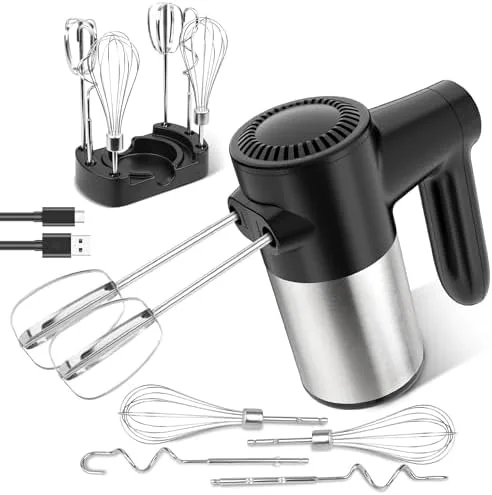
Image source: Bing (Web (fair-use with source credit))
Manufacturer specifications often confirm that properly seated beaters are crucial for efficient and safe operation. For example, some brands note that beaters must be fully engaged to prevent them from detaching during use.
Mixing Techniques for Smoother Results
Using a cordless hand mixer effectively isn't just about pressing buttons; it's about understanding how to guide the tool through your ingredients for the best outcome. The key is control, especially at the start.
Starting Slow and Gentle Dips
This is arguably the most critical technique for a clean kitchen and perfectly mixed ingredients. Always begin by placing the beaters into your bowl of ingredients before you switch the mixer on. Then, select the lowest speed setting on your mixer.
Our research shows that starting on high speed with dry ingredients like flour or powdered sugar is a primary cause of kitchen explosions. The low speed allows the beaters to gently start incorporating the ingredients without flinging them outwards.
Moving the Mixer for Even Batter
Once you’ve started on a low speed and the ingredients are beginning to combine, you can gradually increase to a medium or high speed as your recipe requires. However, don't just hold the mixer in one spot. Keep the beaters moving throughout the bowl.
Gently sweep them across the bottom and up the sides, making sure to scrape down the bowl with a spatula periodically. This ensures all the ingredients are incorporated evenly and prevents dense lumps from forming at the bottom.
Aggregate reviews report that consistent movement helps create a smoother texture in batters and creams. It's this combination of controlled speed and intentional movement that turns a simple mix into something special. For instance, when whipping cream, moving the mixer in a circular motion and slightly lifting it can incorporate more air, resulting in fluffier results.
Common Mistakes When Using a Cordless Hand Mixer
Even with a straightforward tool like a cordless hand mixer, there are a few common missteps that can lead to frustration or less-than-ideal results. Being aware of these can save you time and a mess.
The Splatter Effect and How to Avoid It
The most frequent complaint, as seen in user feedback, is ingredient splatter. This almost always happens when the mixer is turned on at too high a speed, especially when it’s first introduced to a bowl of ingredients.
- Start Low: As mentioned, always start on the lowest speed. This allows the ingredients to begin clumping together before the high-speed rotation has a chance to fling them.
- Dip First: Ensure the beaters are submerged in the mixture before powering on.
- Angle Control: Sometimes, angling the beaters slightly towards the center of the bowl can help contain splashes.
- Bowl Size: Using a bowl that is appropriately sized for your recipe is also key; an overflowing bowl is a recipe for disaster.
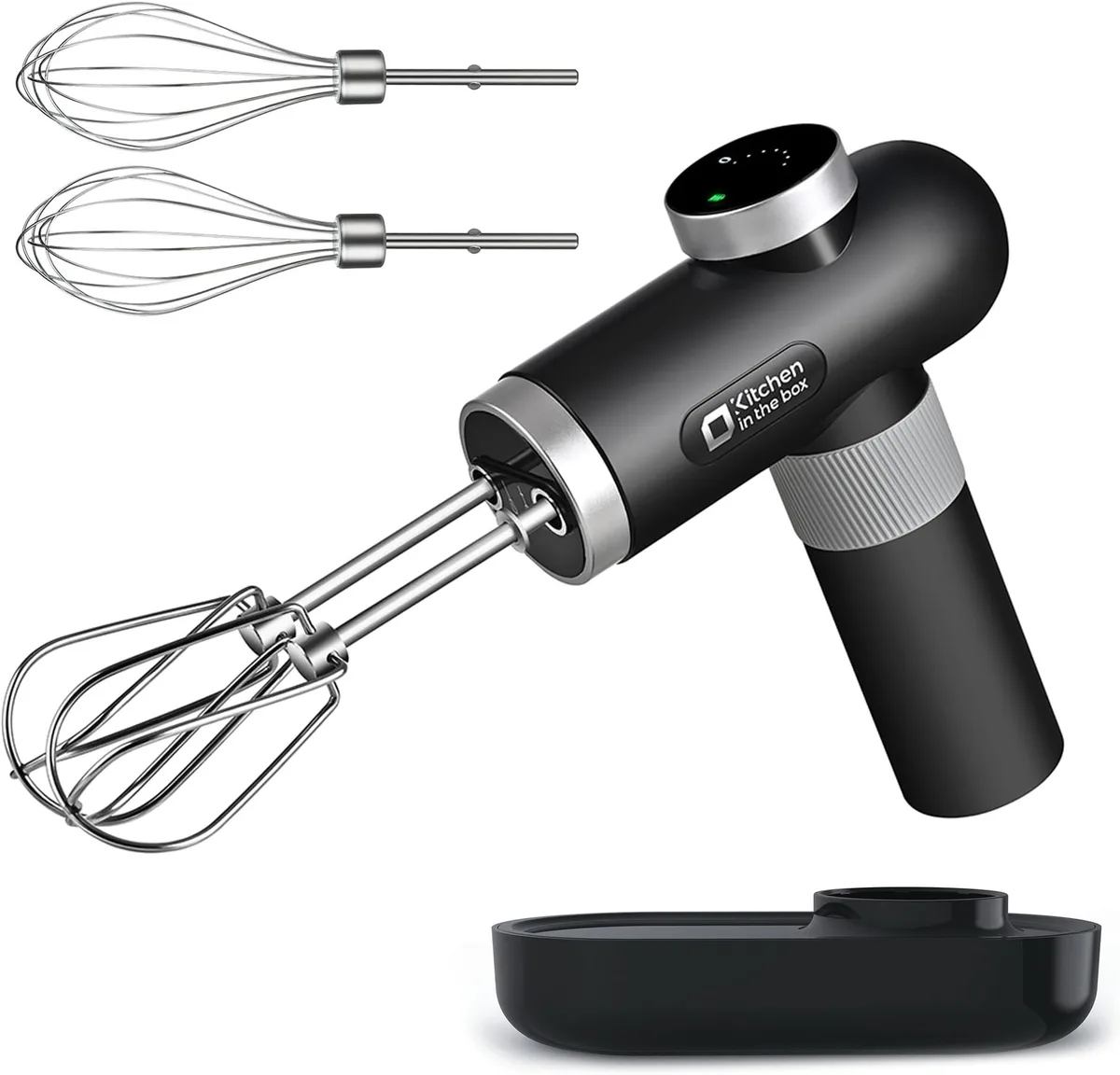
Image source: Bing (Web (fair-use with source credit))
Manufacturer guidelines for some models, like those from Cuisinart, emphasize beginning on speed one for optimal control. As of 2026, many manufacturers continue to highlight this fundamental tip across their product lines.
Another common mistake is attempting to mix excessively stiff doughs, like dense bread dough, with a small hand mixer. While dough hooks are designed for this, these mixers are best suited for batters, creams, and lighter doughs. Overworking the motor can lead to overheating and premature wear.
If your recipe calls for a very heavy dough, a stand mixer is a much better tool for the job. Editorial analysis of user reviews indicates that attempting such tasks often leads to the mixer shutting off due to overheating or strain.
Cleaning Your Cordless Hand Mixer
Keeping your cordless hand mixer in good shape means cleaning it properly after each use. Fortunately, it's a simple process that won't take up much of your time.
Beaters Off, Wiped Down, and Stored
The most critical part to clean is the beaters themselves, as they come into direct contact with your food.
- Detach: Always ensure the mixer is turned off and unplugged (if it has a separate charging cable that detaches, remove it). Then, press the beater release button, usually located at the top of the mixer. Gently pull the beaters free.
- Wash: Most beaters are dishwasher safe, which is the easiest option. If washing by hand, use warm, soapy water and a soft cloth or sponge. Rinse them thoroughly.
- Dry: Make sure the beaters are completely dry before storing them to prevent rust or damage.
The body of the cordless hand mixer usually just needs a quick wipe-down. Use a damp cloth to clean the exterior. Avoid getting water into the motor housing or any electrical components.
For stubborn spots on the body, a little mild dish soap on the damp cloth can help, but always follow up with a clean, damp cloth to remove any residue. Ensure the entire unit is dry before storing it.
Proper cleaning helps maintain hygiene and prolongs the life of your appliance. For instance, aggregate user feedback suggests that washing beaters immediately after use prevents food particles from hardening, making them much easier to clean. This simple maintenance step can prevent issues down the line, similar to how regular upkeep prevents problems in appliances like coffee makers, for example, following guidelines on how to clean a coffee maker ensures longevity.
Who Needs a Cordless Hand Mixer?
A cordless hand mixer isn't necessarily for everyone, but it fills a very specific niche exceptionally well. Understanding its strengths helps you decide if it's the right fit for your kitchen toolkit.
Perfect for Quick Tasks and Small Kitchens
These mixers shine when you need to perform light to moderate mixing tasks quickly and without fuss. Think whipping up a small batch of cream for dessert, quickly beating a couple of eggs for breakfast, or combining ingredients for muffins. Their primary advantage is the lack of a cord, which means no searching for an outlet, no cord management, and the freedom to mix directly in any bowl, anywhere on your counter or even at a small prep table.
For those living in apartments or homes with limited counter space, a cordless model also offers a more streamlined storage solution compared to bulkier stand mixers. They are often compact and easy to tuck away in a drawer or small cabinet.
If you're someone who bakes occasionally or needs a reliable tool for everyday culinary tasks that don't demand heavy-duty power, a cordless hand mixer is a great choice. It simplifies the process and eliminates cord-related annoyances that can sometimes derail a cooking project, much like the ease of use associated with a French press for brewing coffee. For more complex or larger-scale baking, however, you might find a stand mixer more suitable.
Frequently Asked Questions About Cordless Hand Mixers
How long does a cordless hand mixer typically run on a full charge?
Battery life varies, but most models offer around 15 to 30 minutes of continuous use on a full charge. This is usually sufficient for most common baking and cooking tasks.
Can I use a cordless hand mixer for heavy doughs?
Generally, no. While some models come with dough hooks, cordless hand mixers are best suited for lighter batters, creams, and meringues. Heavy doughs can strain the motor and lead to overheating.
How do I attach the beaters to my cordless hand mixer?
Align the beaters with the slots on the mixer body and push them in firmly until you hear or feel a click. Ensure both beaters are securely locked before use.
What's the best way to clean the beaters?
Most beaters are dishwasher safe. Alternatively, wash them by hand with warm, soapy water and a soft cloth. Always ensure they are completely dry before storing to prevent rust.
Are cordless hand mixers more powerful than corded ones?
Power levels can vary greatly between individual models, regardless of whether they are cordless or corded. It's more important to check the motor specifications and user reviews for the specific model you are considering.
Can I use my cordless hand mixer while it's charging?
No, this is generally not recommended and can be unsafe. Always ensure the mixer is fully charged and disconnected from the charger before using it.