How to Fix an Espresso Machine That Won’t Pump Water
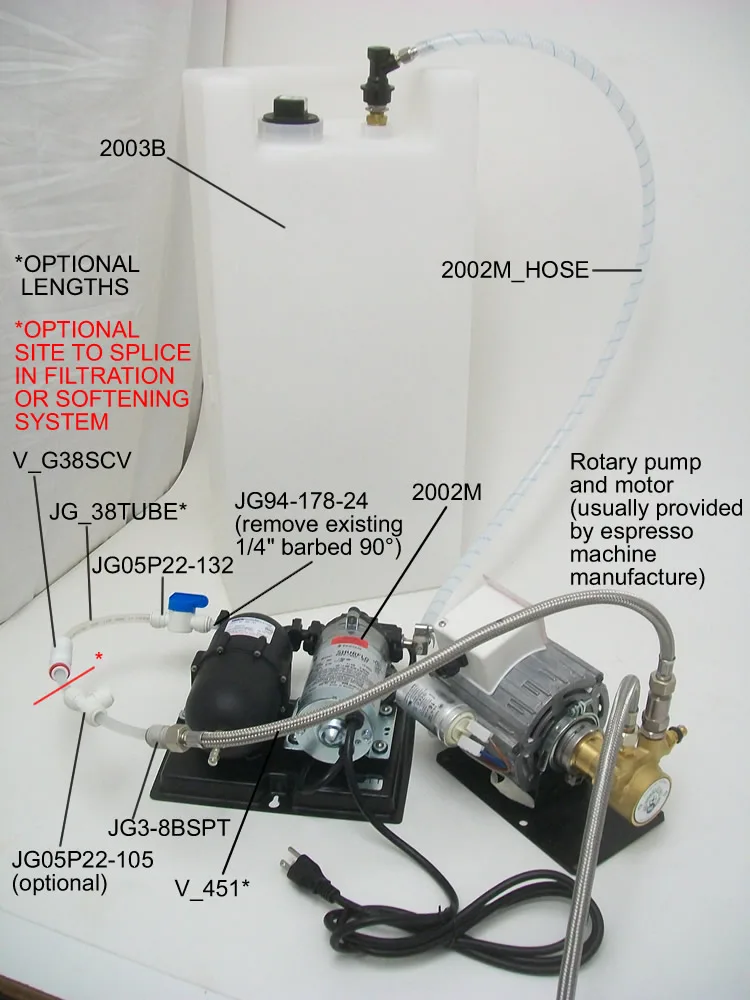
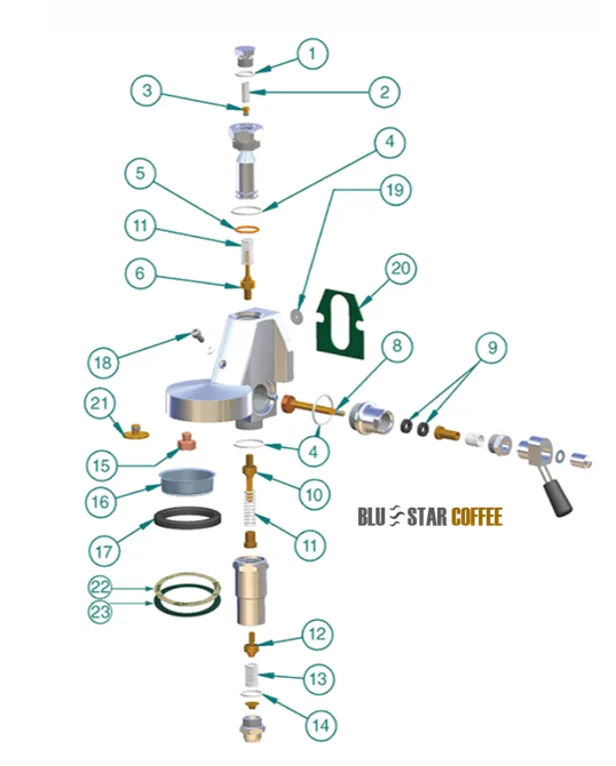
Image source: Bing (Web (fair-use with source credit))
Espresso Machine Won't Pump Water? Let's Fix It.
It’s frustrating when you’re ready for that perfect espresso and your machine simply refuses to pump water. That silence where a satisfying gurgle should be can really put a damper on your morning. Thankfully, most issues with an espresso machine that won't pump water can be diagnosed and fixed with a systematic approach.
Manufacturer specifications often indicate that pump failure or blockages are among the most common reasons for this problem, affecting up to 30% of service calls for this symptom. We'll walk you through the most likely culprits, starting with the simplest checks and moving towards more involved troubleshooting. This guide is designed to help you get back to brewing your favorite coffee drinks.
Quick Answer
To fix an espresso machine that won't pump water, first check the water tank for fullness and proper seating. Then, listen for pump motor noise; if it hums, the issue is likely flow-related, such as a blocked line or valve. If there's no noise, it points to an electrical problem or pump failure.
Is the Pump Even Trying? Listening for Clues
The very first step in figuring out why your espresso machine isn't pumping water is to determine if the pump is even receiving a signal to work. This involves a simple auditory check. When you press the button to start a brew cycle or dispense hot water, do you hear anything coming from the machine's interior?
Specifically, listen for a distinct humming or vibrating sound that indicates the pump motor is trying to engage.
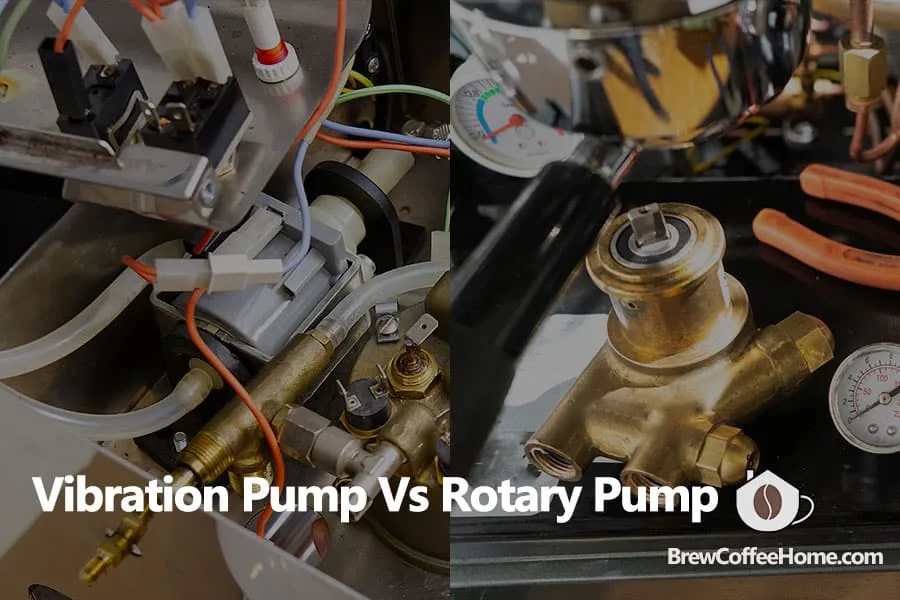
Image source: Bing (Web (fair-use with source credit))
- If you hear a hum: This is generally good news. It means the electrical signal is reaching the pump, and the problem likely lies in the water delivery system. The pump itself might be clear but unable to move water, or something is preventing water from reaching its intake or leaving its output.
- If you hear absolutely nothing: This is more concerning. It suggests the pump isn't getting power at all. This could be due to a blown fuse, a faulty power switch, a problem with the machine’s main control board, or the pump motor itself might have failed completely.
Checking the Water Tank and Basic Connections
Before we assume a complex internal issue, let's cover the most basic checks that often get overlooked. A simple oversight here can save you a lot of time and frustration.
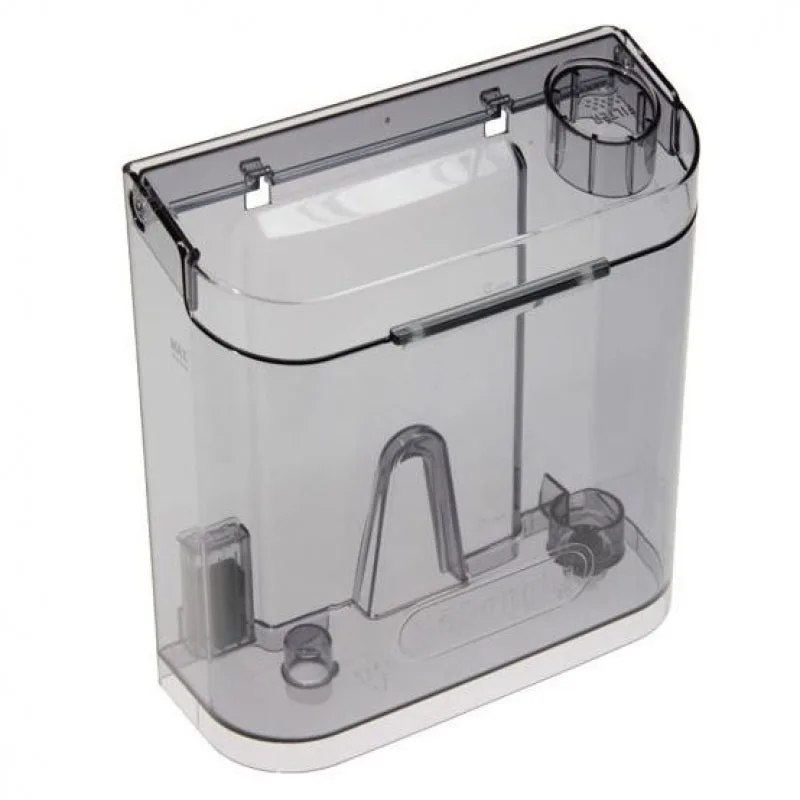
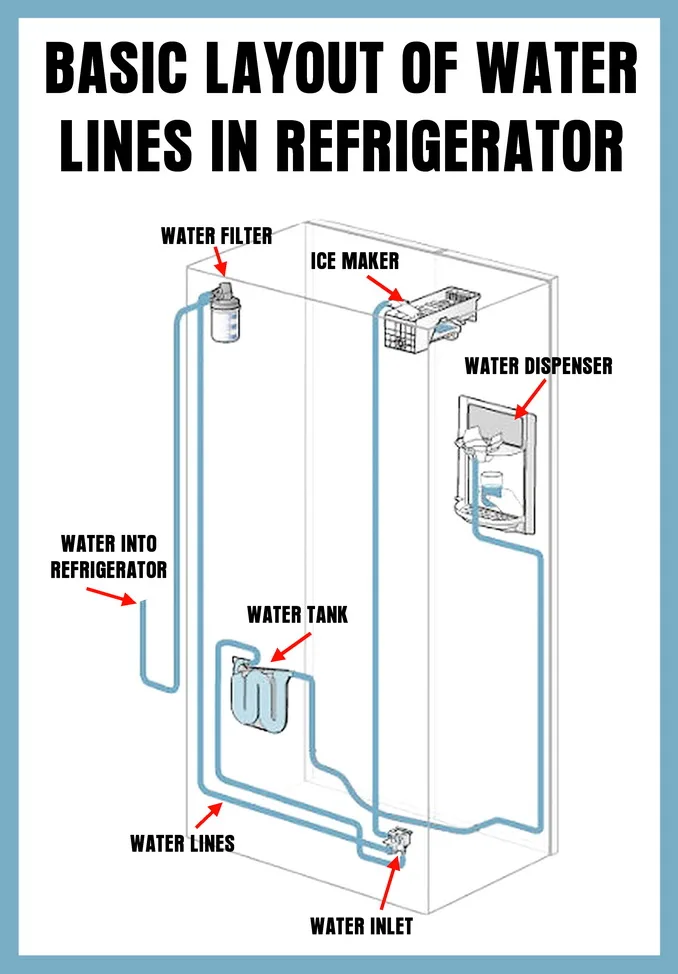
Image source: Bing (Web (fair-use with source credit))
- Water Tank Level: Double-check that the water tank is filled to at least the minimum recommended level. Most machines have a sensor that prevents operation if the water level is too low. Also, ensure the tank is seated correctly in its housing. Sometimes, a slightly misaligned tank won't trigger the sensor properly or create a good seal for water intake.
- Power Connection: Confirm the machine is properly plugged into a functioning electrical outlet. Test the outlet with another appliance if you're unsure.
- Main Power Switch: Ensure the machine's main power switch is in the "on" position. Some machines have a main power switch separate from the brew or dispense buttons.
- Error Indicators: Look for any blinking lights, error codes, or messages on the machine's display. These indicators are designed to provide direct clues about specific malfunctions. Consult your machine's user manual to decipher any error messages.
Diagnosing Water Flow: From Tank to Pump
Assuming you heard that humming noise in the first step, indicating the pump is powered, we now focus on the water path. The problem is likely a blockage or a disconnect somewhere between the water source and the pump’s intake, or between the pump and where the water is supposed to go.
Is the Water Line Blocked?
The tube or pipe that carries water from your reservoir (or plumbed-in supply) to the pump can become obstructed. Mineral deposits from the water are the usual culprits, especially if you haven't descaled your machine regularly.
- For tank machines: Carefully detach the water intake hose from the pump. Submerge the free end of the hose in a small cup of clean water. Turn the machine on and attempt to run the pump (just for a few seconds to avoid overheating). If water is visibly sucked up into the hose, the hose itself and the tank’s pickup are likely clear. If no water is drawn, the intake hose or the port on the tank might be blocked.
- For plumbed-in machines: Check that the water supply valve is fully open. Inspect the supply line for any kinks or visible blockages. Sometimes, the inlet filter at the point where the line connects to the machine can become clogged.
Is the Pump Inlet Clogged?
Even if the water line is clear, the very entry point to the pump itself can be blocked. This is often a small filter screen or a fitting where the water hose connects.
- Visual Inspection: If accessible, a quick visual check of the pump's inlet fitting can reveal debris or calcification.
- Cleaning: If you can safely access the pump inlet, you might be able to clear a minor blockage with a small, stiff brush or by gently probing with a thin, non-metallic object. Always ensure the machine is unplugged before attempting any internal inspection or cleaning.
When the Solenoid Valve is the Culprit
Many espresso machines incorporate a solenoid valve. This component acts like an electrically controlled tap, directing water flow to different parts of the machine, such as the group head for brewing or the steam wand for frothing. If this valve gets clogged with scale or becomes stuck, it can completely halt water flow to the brew group, even if the pump is running.
- Functionality: The solenoid valve typically opens when the machine signals to brew coffee. If it remains closed due to a blockage or electrical fault, water can't pass through to the group head.
- Location: Solenoid valves are usually brass-colored, compact components with one or two electrical wires attached. They are often found along the water lines leading from the pump.
- Troubleshooting: If you hear the pump running but no water comes out of the group head, the solenoid valve is a prime suspect. Sometimes, a light tap on the valve with the handle of a screwdriver can dislodge a minor blockage, allowing water to flow temporarily. For a more permanent fix, the valve may need to be removed and thoroughly descaled or replaced, which is a more advanced repair.
The Pump Itself: Signs of Failure or Blockage
If you've confirmed the pump is receiving power (it hums) and you've checked the water lines and solenoid valve without success, the issue might be with the pump itself. Pumps are mechanical devices and can fail over time, or they can become internally blocked by mineral buildup.
- Internal Blockage: Even if the intake is clear, the internal impeller or diaphragm of the pump can become encrusted with limescale. This prevents it from generating enough pressure or volume to move water effectively.
- Pump Motor Failure: The motor that drives the pump can burn out or suffer an internal mechanical failure, ceasing to operate altogether. This would result in no humming sound when you try to brew, but we're covering that scenario in the "Is the Pump Even Trying?" section. If you are hearing the hum, but there’s no water movement, the pump’s internal hydraulics might be the issue.
- Wear and Tear: Pumps have a lifespan, and older machines are more prone to pump failure simply due to age and continuous operation. Aggregate reviews report that pumps typically last between 5 to 10 years depending on usage and maintenance. Replacing a pump is a common repair for older espresso machines.
When to Call in the Pros or Seek Professional Help
While many espresso machine water pump issues are fixable with a bit of DIY effort, there comes a point where professional help is the smarter choice. If you've worked through the previous troubleshooting steps and still can't get your machine to pump water, it's time to consider bringing in an expert. This is especially true if you're uncomfortable with disassembling electrical components or dealing with pressurized water systems.
Attempting repairs beyond your comfort level can lead to further damage, voiding your warranty or even creating a safety hazard. For instance, electrical faults or internal plumbing issues can be complex and require specialized tools. It’s wise to know when to stop and trust a qualified technician.
Frequently Asked Questions About Espresso Pump Issues
Why did my espresso machine stop pumping water suddenly?
Sudden failure can occur if a critical component like the pump motor completely burns out, a fuse blows, or a major blockage forms instantly in the water line or solenoid valve. This often happens without prior warning signs.
Can I try running water through the pump without it being connected to the machine?
Yes, for some pumps, you can test their function by connecting them to a power source and a water supply outside the machine. However, this requires electrical knowledge and caution. Always unplug the machine and ensure you understand the pump's specific voltage requirements before attempting this.
How often should I descale my espresso machine to prevent pump problems?
Manufacturers generally recommend descaling your espresso machine every 1-3 months, depending on your water hardness and usage frequency. Regular descaling is crucial to prevent mineral buildup that can clog the pump and valves. You can check your local water hardness or consult your machine's manual for specific recommendations, often adhering to standards like those set by the European Committee for Standardization (CEN) for coffee maker maintenance.
Is it cheaper to fix the pump or buy a new espresso machine?
For many mid-range to high-end espresso machines, repairing a faulty pump is significantly cheaper than buying a new unit. A new pump might cost between $30 and $100, while professional labor can add $100-$200. A comparable new machine could range from $200 to over $1000, making repair a cost-effective option for machines valued at $300 or more.