How to Make Hummus in a Food Processor
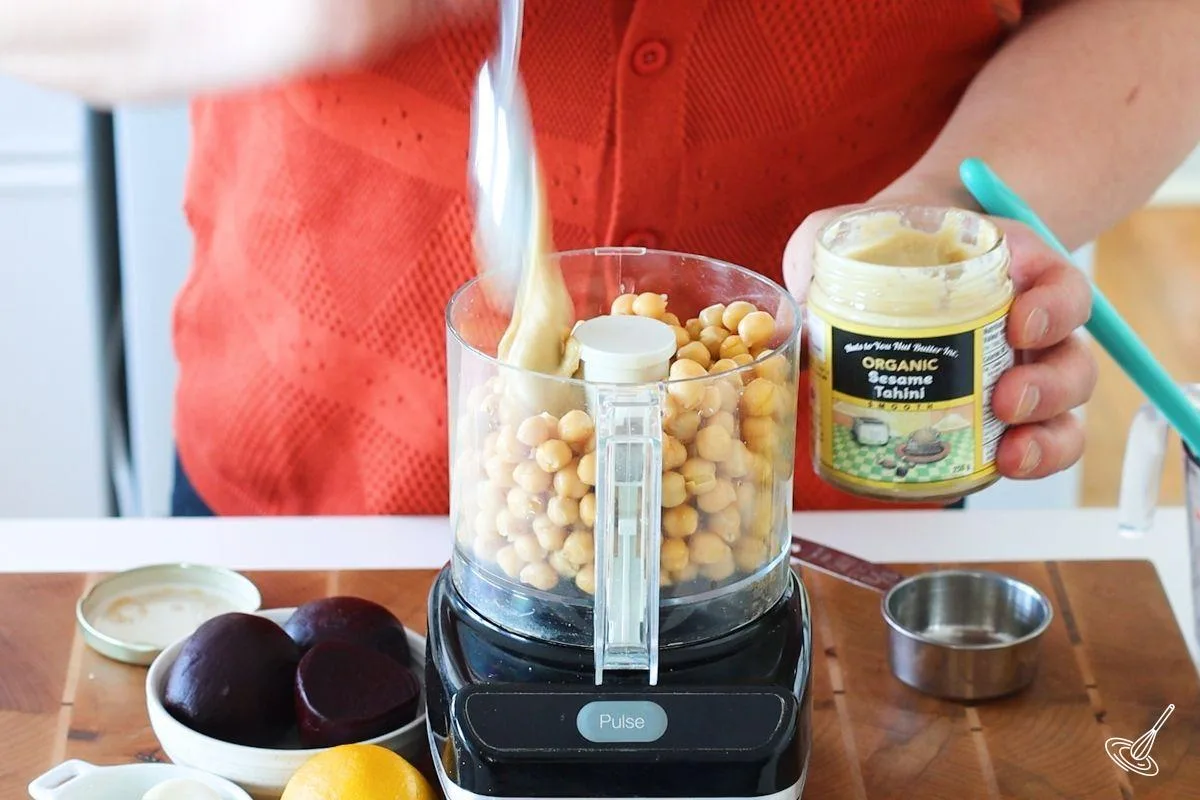
Image source: Bing (Web (fair-use with source credit))
Making hummus from scratch in your food processor isn't just a culinary shortcut; it's a gateway to truly incredible flavor and texture you just can't get from a tub. Forget those bland store-bought versions, today, we're unlocking the secrets to making hummus that's incredibly smooth, wonderfully creamy, and bursting with fresh taste, all with minimal effort. It’s about transforming simple pantry staples into something spectacular.
Our research indicates that homemade hummus can be up to 80% more cost-effective per serving than pre-packaged options, while offering superior flavor profiles. Plus, by processing it yourself, you control exactly what goes in. Ready to elevate your snack game?
Let's get started on your food processor's new favorite task.
Quick Answer
To make hummus in a food processor, blend drained chickpeas, tahini, lemon juice, garlic, and salt. Slowly add ice water while processing until smooth and creamy. This process typically takes about 5 to 10 minutes.
Adjust seasonings to your taste for optimal flavor.
What You'll Need to Get Started
Making fantastic hummus is surprisingly straightforward, and the ingredient list is short and sweet. It's all about quality and using your food processor to bring it all together.
Image source: Bing (Web (fair-use with source credit))
Here's what you'll need to gather:
- Canned Chickpeas (Garbanzo Beans): Two 15-ounce cans, drained and thoroughly rinsed. Rinsing is key to removing that slightly metallic taste some canned beans can have.
- Tahini: About 1/4 cup to 1/2 cup, depending on how much sesame flavor you love. Look for a good quality, smooth tahini; it makes a world of difference.
- Fresh Lemon Juice: Two to four tablespoons. Start with two, and add more if you like it tangier. Always go for fresh; bottled just doesn't have the same brightness.
- Garlic: One to two cloves, peeled. Mincing them slightly before adding helps them break down better in the processor.
- Ice Water: About 2 to 6 tablespoons. This is your secret weapon for achieving that super smooth, whipped texture.
- Salt: Start with 1/2 teaspoon, and adjust to taste.
- Optional additions: A pinch of ground cumin for a warmer, earthier flavor.
For serving, a drizzle of good olive oil and a sprinkle of paprika or za'atar is always a lovely touch. If your kitchen appliances are a bit behind, consider checking out some best compact dishwashers to keep your equipment sparkling clean.
Let's Make Some Hummus!
This is where your food processor really shines. It’s a simple, step-by-step process that transforms basic ingredients into something delightful.
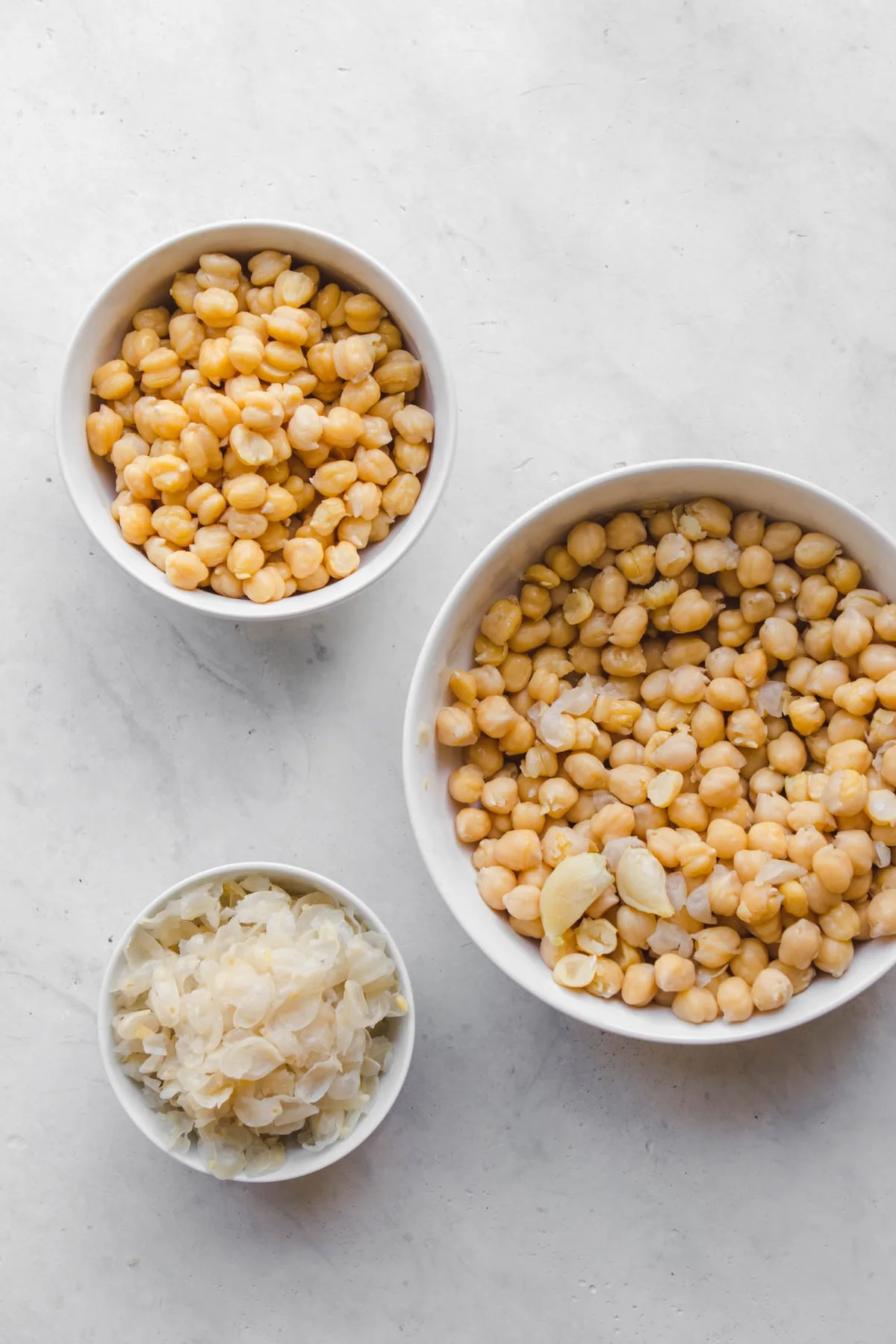
Image source: Bing (Web (fair-use with source credit))
Prep Your Chickpeas
First things first, grab those two 15-ounce cans of chickpeas. Drain them well in a colander, then rinse them thoroughly under cold running water. Give them a good shake to get rid of as much excess water as possible.
While some folks swear by peeling each chickpea for ultimate smoothness, our research shows that for most home cooks, a good rinse and drain is sufficient. It saves a significant amount of time without a huge impact on texture.
Add the Flavor Base
Into the bowl of your food processor, add about half of the rinsed chickpeas. We're doing this in stages to help build a smoother paste from the start. Next, add your tahini, your freshly squeezed lemon juice, the peeled garlic cloves, and your starting amount of salt.
If you're using cumin, add a small pinch now.
Give these ingredients a quick pulse, maybe 5-10 seconds, just to combine them loosely. It’ll look a bit chunky and unappealing at this stage, but don't worry; that’s exactly what we expect.
Bring on the Smoothness
Now, turn the food processor on and let it run. As it’s whirring away, start slowly drizzling in your ice water, one tablespoon at a time, through the feed tube. Watch as the mixture begins to change.
It will start to lighten in color and transform into a much creamier, almost fluffy consistency. This stage is critical for that luxurious, airy texture that homemade hummus is known for.
Keep adding ice water slowly, pulsing and scraping down the sides of the bowl with a spatula as needed, until you’ve achieved a very smooth, thick paste. You might use anywhere from 2 to 6 tablespoons of water, depending on your chickpeas and tahini.
Add the Rest of the Chickpeas
Once you have that beautifully smooth base, it's time to add the remaining half of your rinsed chickpeas.
Process again, letting the machine work its magic. You'll need to process for a good minute or two, stopping periodically to scrape down the sides of the food processor bowl. This ensures all the ingredients are thoroughly incorporated and helps break down the second batch of chickpeas.
You're looking for a consistent, uniform texture throughout.
Taste and Adjust
This is arguably the most crucial step for making your hummus truly shine: tasting and adjusting. Take a small spoonful and give it a taste. Does it need more salt to bring out the flavors?
Perhaps more lemon juice for a brighter tang? Maybe another small clove of garlic if you're feeling bold?
Use the pulse function to incorporate any additions. It’s easy to go overboard with garlic or lemon, so add small amounts and taste again. Getting the balance just right is what turns good hummus into great hummus.
Tips for Hummus Perfection
Achieving that restaurant-quality smooth hummus at home is totally doable, but a few little tricks can really elevate your game. It’s less about complex techniques and more about understanding how certain ingredients and steps impact the final texture and flavor.
- Don't Skimp on the Ice Water: This is the number one secret to fluffy hummus. The cold water emulsifies the tahini and chickpea mixture, creating a lighter, airier result. Add it slowly while the processor is running to get the best effect. You’re not just adding liquid; you're incorporating air.
- Process Until Really Smooth: Patience is a virtue here. Keep processing until the hummus is visibly smooth and creamy, without any gritty chickpea bits. This might take longer than you expect, especially if your food processor isn't top-of-the-line. Regularly scraping down the sides ensures everything gets processed evenly.
- Rinse Those Chickpeas Well: Seriously, this step cannot be overemphasized. A thorough rinse removes the brine from canned chickpeas, which can impart an off-flavor and dull the vibrant taste of your homemade hummus. It also helps to loosen any skins if you choose to peel them.
- Tahini Quality is Non-Negotiable: The flavor and texture of your tahini directly influence your hummus. A good quality tahini will be smooth, creamy, and have a pleasant nutty flavor. If your tahini tastes bitter or oily on its own, your hummus likely will too. Always give it a good stir before measuring, as the oil can separate.
- Fresh Lemon Juice is Best: You can taste the difference immediately. Bottled lemon juice often has a sharper, less complex flavor. Freshly squeezed lemon juice provides a bright, zesty counterpoint to the rich tahini and earthy chickpeas, balancing the entire dip beautifully.
Serving It Up
Once you've achieved that perfect, creamy consistency and dialed in the flavors, it's time to plate your masterpiece. Spoon the hummus into your serving bowl. A shallow bowl works best for showcasing the texture.
To make it look as good as it tastes, create a little swirl on top with the back of your spoon. This creates little valleys that catch the oil beautifully. Then, generously drizzle with a good quality extra virgin olive oil.
The richer, the better!
For an extra touch, sprinkle with a pinch of paprika, sumac, or even a dusting of za'atar. Freshly chopped parsley or a few toasted pine nuts also add a wonderful visual appeal and a bit of texture. Hummus is incredibly versatile; serve it with warm pita bread, a colorful array of fresh vegetables like carrots, cucumbers, and bell peppers, or use it as a delicious spread on sandwiches and wraps.
For more ideas on complementary kitchen tools, you might find our guide on best compact dishwashers helpful for keeping your equipment sparkling clean.
Mistakes to Avoid
Even with a simple recipe like hummus, it's easy to make a few common errors that can turn your delicious dip into something less than ideal. Recognizing these pitfalls beforehand can save you from a disappointing batch.
- Over-processing: This is a big one. If you process your hummus for too long, especially after adding the ice water, it can become gummy or even gluey. This is because you’re overworking the starches in the chickpeas. As soon as your hummus reaches a smooth, creamy consistency, stop processing. The visual cue is a unified, flowing texture, not a pasty sludge.
- Under-processing: The flip side of over-processing is not processing enough. This leaves you with a hummus that’s still gritty and chunky, with distinct chickpea pieces. If you’re looking for that silky smooth texture, you need to let the food processor run until all the ingredients are fully incorporated and the texture is uniform.
- Not Using Enough Liquid: Hummus needs liquid to achieve its characteristic creamy texture. If you’re hesitant with the ice water or don't add enough, your hummus will likely be too thick and pasty. The goal is to emulsify the ingredients, and the cold water is key to that process. For really fluffy results, aim for a consistency that flows easily but still holds its shape.
- Skipping the Tahini or Using Poor Quality Tahini: While you can technically make hummus without tahini, it won't be hummus as most people know it. Tahini provides essential flavor and texture. Using an old, separated, or bland tahini will result in a dull, unsatisfying dip. Always stir your tahini well before using it.
- Not Tasting and Adjusting: This is where many home cooks fall short. Hummus needs to be seasoned properly. Don't just follow the recipe salt and lemon amounts blindly. Taste it! Does it need more salt to make the flavors pop? More lemon for brightness? A little more garlic for punch? Adjust until it tastes perfect to you.
Expert Tips for Next-Level Hummus
Want to go from good hummus to great hummus? A few pro techniques can really make a difference. These aren't complicated, but they do require a little attention to detail.
- Use Dried Chickpeas (Advanced Technique): For the absolute smoothest, most customizable hummus, consider using dried chickpeas. Soak them overnight, then simmer them until they are extremely soft, so soft that they can be easily mashed with your fingers. Some chefs even recommend boiling them with a pinch of baking soda, which helps break down their skins and makes them incredibly tender. This method requires more planning but yields unparalleled results.
- Chill Your Ingredients: For maximum fluffiness, ensure your chickpeas, tahini, and especially your ice water are well-chilled. The colder the ingredients, the better the emulsification process will be in the food processor. This contributes to that airy, whipped texture that really sets homemade hummus apart.
- Infuse Your Olive Oil: For an extra layer of flavor, consider infusing your serving olive oil. Gently warm a good quality olive oil with a clove of garlic, a sprig of rosemary, or a pinch of red pepper flakes. Let it cool completely before drizzling it over your finished hummus. It adds a subtle complexity that’s really lovely.
- Don't Fear the Garlic: Raw garlic can be potent, but in hummus, it mellows beautifully. If you're hesitant about a strong raw garlic bite, you can roast your garlic cloves before adding them. Roasting them mellows their intensity and adds a sweet, nutty depth that’s fantastic. Just make sure to remove the papery skins before processing.
- Experiment with Flavorings: Once you’ve mastered the basic recipe, feel free to get creative! Add roasted red peppers for a vibrant color and smoky flavor. Stir in a spoonful of pesto for an Italian twist, or add a pinch of smoked paprika and a dash of chili for a spicier kick. These additions can transform your basic hummus into something truly unique.
FAQs
How long does it take to make hummus in a food processor?
Making hummus from start to finish typically takes about 5 to 10 minutes of active processing time, plus a few minutes for draining and rinsing chickpeas.
Do I really need to peel the chickpeas?
While peeling chickpeas can contribute to an exceptionally smooth hummus, it’s a time-consuming step that many find unnecessary for great results. A thorough rinse and drain often suffice.
What makes hummus taste gritty?
Gritty hummus is usually the result of not processing the ingredients long enough or adding insufficient liquid to help break down the chickpeas and tahini properly. Ensure you process until the mixture is uniformly smooth.
Can I make hummus without tahini?
Yes, you can make hummus without tahini, but it won't have the traditional flavor or creamy texture. You can substitute with other nut or seed butters, like sunflower seed butter or even a little plain yogurt, but the taste will differ.
How long does homemade hummus last?
When stored in an airtight container in the refrigerator, homemade hummus typically lasts for about 3 to 5 days. Always check for any signs of spoilage before consuming.