How To Use A Car Inverter: Simple Step-By-Step Guide
A car inverter turns your vehicle’s DC power into AC power so you can safely run everyday electronics.
If you have ever wanted to charge a laptop on a road trip, power a camera at a job site, or keep small gear running during an outage, a car inverter can be a very useful tool. I’ve used them in real-world setups where convenience mattered, and the biggest lesson is simple: the right inverter makes life easier, but the wrong one can drain your battery or damage your devices. In this guide, I’ll walk you through how to use a car inverter the right way, what to plug in, what to avoid, and how to stay safe while getting the most from your setup.
What a car inverter does
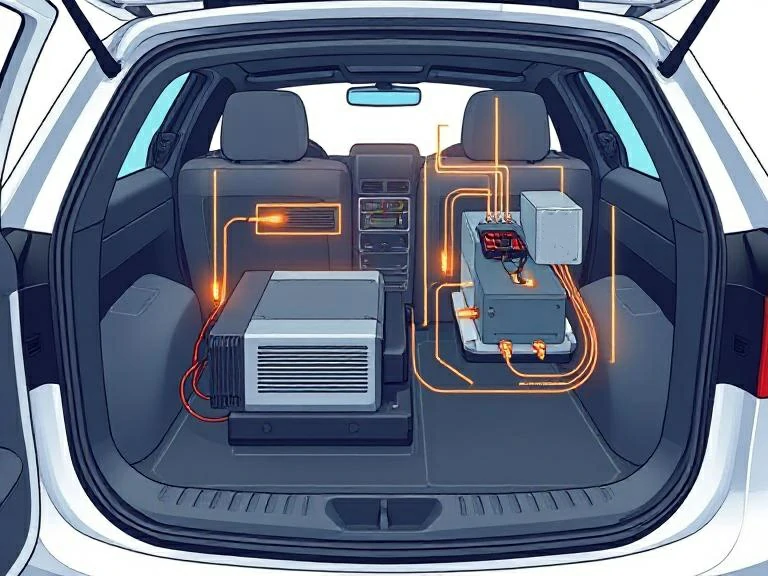
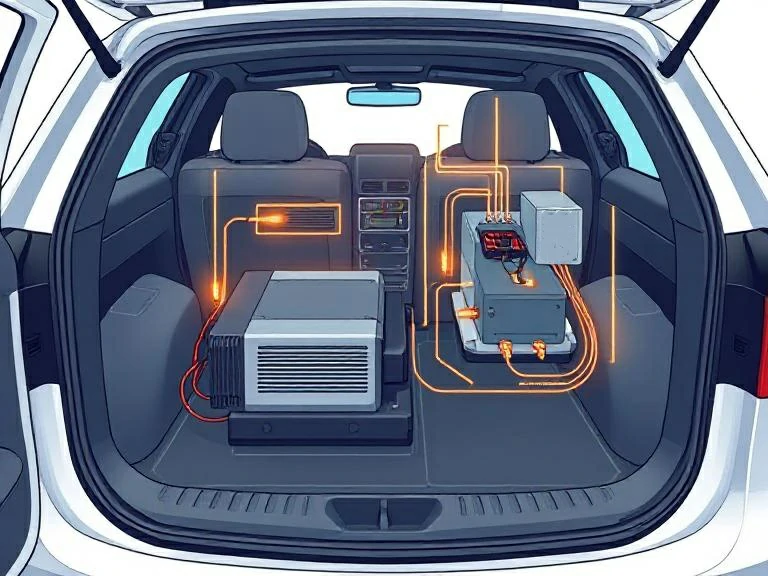
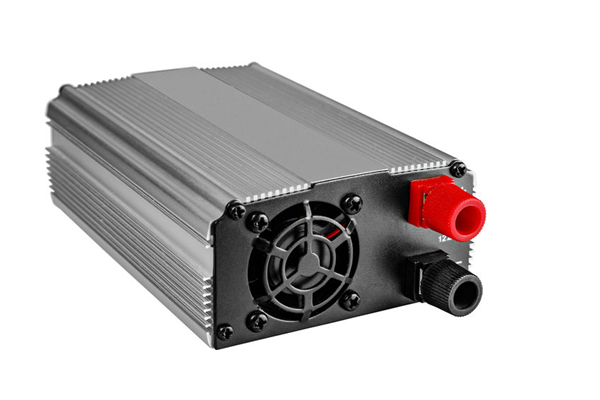
A car inverter converts direct current, or DC, from your car battery into alternating current, or AC, which is what most household devices use. In plain English, it lets your car act like a small power source for electronics that normally plug into a wall outlet.
Most cars provide 12-volt DC power. A car inverter changes that into 120-volt AC power in the US. That is why it can run items like phones, laptops, tablets, small fans, and some lights.
There are two main types:
• Modified sine wave inverter: This is usually cheaper and fine for simple devices like phone chargers and basic tools.
• Pure sine wave inverter: This gives cleaner power and is better for sensitive electronics like medical devices, gaming consoles, and some laptops.
I always tell people to think of a car inverter like a translator. It helps your car and your device understand each other, but only if the match is right.
How to use a car inverter safely
Using a car inverter is not hard, but you should follow a few simple steps. A careful setup protects both your device and your car battery.
-
Check your inverter’s watt rating
Look at the maximum power it can handle. Make sure the total wattage of your device stays below that limit. -
Turn off the car before connecting
For many plug-in inverters, this reduces risk while you set things up. For hardwired models, follow the product instructions closely. -
Plug the inverter into the correct power source
Most small inverters go into the 12V accessory outlet, also called the cigarette lighter socket. Larger ones usually connect directly to the battery. -
Plug your device into the AC outlet on the inverter
Use one device first if you are testing it. Check for heat, noise, or warning lights. -
Start the car if needed
For larger loads, keep the engine running so the battery does not drain too fast. This is especially important if you plan to use the inverter for more than a few minutes. -
Monitor the setup while in use
Feel the inverter from time to time. Warm is normal. Hot is not. If it shuts off, makes a beep, or smells odd, unplug it right away. -
Unplug devices before shutting down
This helps avoid spikes or sudden power changes.
In my own experience, the biggest mistake people make is assuming all car inverters work the same way. They do not. A tiny phone charger and a power-hungry laptop are very different loads, and your inverter needs to match the job.
Choose the right car inverter for your needs
The best way to use a car inverter is to buy the right one first. This saves time, money, and frustration later.
Here is what to look at:
• Continuous wattage: This is the power the inverter can provide all the time.
• Peak wattage: This is short burst power for startup surges.
• Output type: Pure sine wave is safer for sensitive gear.
• Number of outlets: Some models include AC plugs, USB ports, or both.
• Cooling fan: A good fan helps prevent overheating.
• Safety features: Look for overload, short circuit, overvoltage, and low-voltage shutdown protection.
A simple example helps. If you want to charge a phone and a laptop, a 150W to 300W inverter may be enough. If you want to power a small appliance or tool, you may need a much larger model and a direct battery connection.
One thing I learned the hard way: do not buy only based on price. Cheap inverters can work fine for light use, but weak protection and poor build quality can turn a simple task into a headache.
What you can and cannot plug into a car inverter
A car inverter is useful, but it has limits. Knowing those limits is part of using it well.
Common items you can often power include:
• Smartphones
• Tablets
• Laptops
• Camera chargers
• Portable speakers
• Small LED lights
• CPAP machines, if the inverter is compatible and powerful enough
• Small office gear like printers, depending on wattage
Items that often cause problems include:
• Coffee makers
• Hair dryers
• Microwaves
• Space heaters
• Air conditioners
• Large power tools
Why? These devices draw a lot of power, often more than a car inverter or vehicle outlet can safely supply. Some also have a high startup surge that trips the inverter.
A good rule is to check the wattage label on the device. If the number is close to or above your inverter rating, do not risk it. That small pause can save a blown fuse or a dead battery.
How to calculate power needs
Before using a car inverter, it helps to know how much power your device needs. This is one of the most practical parts of the whole process.
Use this simple formula:
• Watts = Volts × Amps
If your device label shows amps, multiply by the voltage to find watts. Many chargers already list watts, which makes things easier.
Example:
• A laptop charger may say 65W
• A phone charger may use 10W or less
• A small cooler may use 60W to 100W
Always leave extra room. If your device uses 200W, do not choose a 200W inverter. Pick one with a higher continuous rating, like 300W or more.
I like to keep a buffer of at least 20% to 30%. It gives you more stable performance and less strain on the unit.

How to connect a car inverter to your car battery
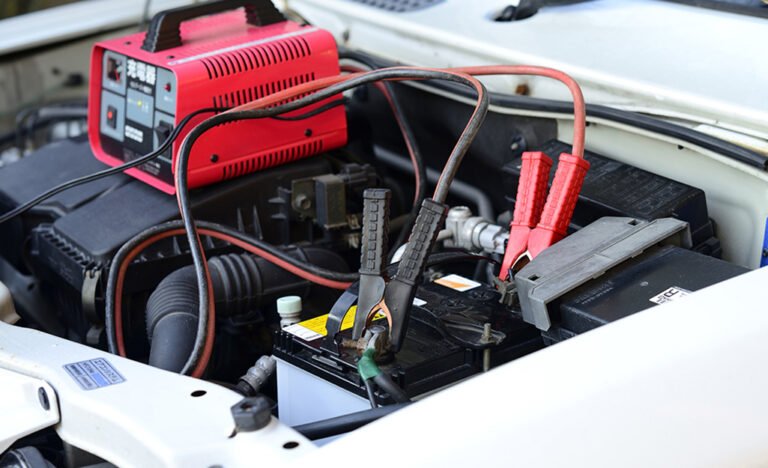
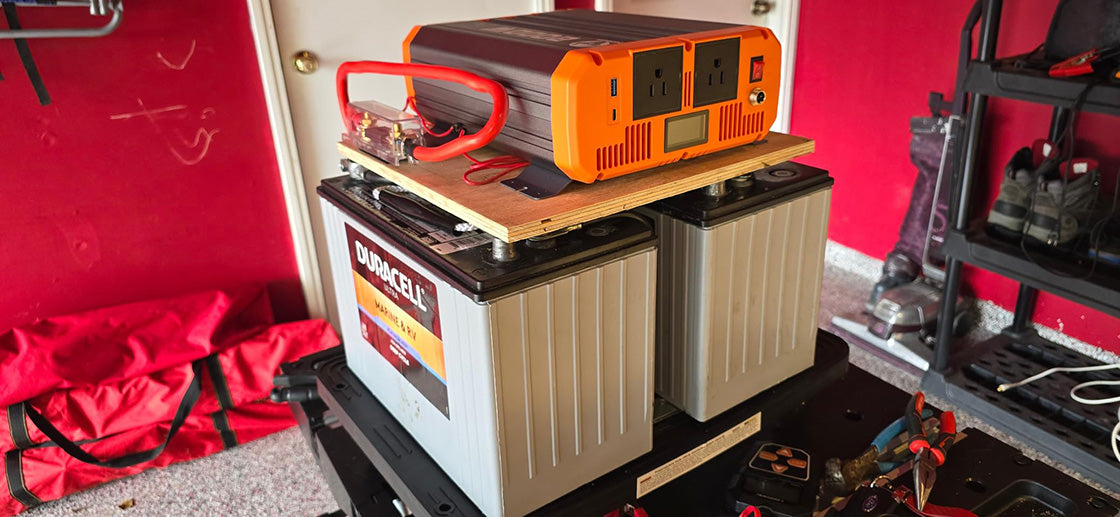
Small inverters usually plug into the 12V socket. Bigger ones often connect straight to the battery. If yours uses battery clamps or hardwiring, follow the instructions carefully.
Basic battery connection steps:
- Make sure the car is off.
- Locate the battery in your vehicle.
- Connect the red cable to the positive terminal.
- Connect the black cable to the negative terminal or a safe ground point, if instructed.
- Keep cables short and secure.
- Place the inverter where it can get airflow.
- Start the car and test the inverter with a small device first.
If you are unsure, ask a qualified installer. I have seen people make the mistake of using thin, cheap cables for a high-power inverter. That can cause heat, poor performance, or failure.
Also, never let the metal clamp ends touch each other. That can create a short circuit fast.
Best practices to avoid draining your battery
A car inverter depends on your battery, so battery care matters. If you use it without caution, you may end up with a car that will not start.
Here are smart habits:
• Run the engine for longer sessions
• Avoid using the inverter with the car off for extended periods
• Use only the power you need
• Check your battery health before heavy use
• Turn off unused devices right away
A battery can handle short charging sessions easily. But a long load, like running a laptop and light at the same time for hours, can pull the battery down more than many people expect.
I once watched a friend try to run a mini fridge from a car inverter during camping without starting the engine. It worked for a while, then the battery dipped too low. The inverter was fine. The battery was not. That is why power planning matters.
Safety tips when using a car inverter
Safety should always come first. A car inverter is handy, but it can create heat and electrical stress if used carelessly.
Follow these safety tips:
• Keep the inverter dry
• Do not cover it while it is running
• Place it where air can move around it
• Do not exceed the watt limit
• Use the right fuse size
• Inspect cords for damage before each use
• Unplug devices when not in use
• Stop using the inverter if it smells burnt or makes unusual noises
Heat is one of the biggest warning signs. If the unit feels too hot to touch, shut it down and let it cool.
Also, do not use a car inverter in a closed, poorly ventilated space with a running engine. Carbon monoxide is dangerous and can be deadly.
Common mistakes to avoid
Even a good inverter can fail if used the wrong way. These are the mistakes I see most often.
• Buying an inverter that is too small
• Forgetting to check startup surge power
• Running high-draw devices from a 12V socket
• Leaving the inverter on when nothing is plugged in
• Using damaged cords or loose adapters
• Placing the inverter on carpet, seats, or other soft surfaces that trap heat
• Ignoring warning lights or shutdown signals
A simple fix often solves the problem. If your inverter keeps shutting off, the load may be too high, the battery may be weak, or the cables may be too thin.
When a pure sine wave inverter is worth it
Not every user needs a pure sine wave inverter, but some do. This type of inverter creates smoother power that closely matches wall power.
Choose pure sine wave if you plan to power:
• Laptops with sensitive chargers
• Medical devices
• Audio equipment
• Game consoles
• Some smart appliances
A modified sine wave inverter may still work for many basic items. But if a device runs hot, buzzes, or behaves strangely, the waveform may be the issue.
When in doubt, check the device manual. Many manufacturers say whether pure sine wave power is required.
Frequently Asked Questions of How to use a car inverter
Can I use a car inverter while driving?
Yes, you can usually use a car inverter while driving as long as the load stays within its rating. In fact, running it with the engine on can help reduce battery drain.
Will a car inverter drain my battery?
Yes, it can if you use it too long with the engine off. The faster the power draw, the faster the battery drains.
Can I plug a power strip into a car inverter?
Yes, but only if the total wattage stays within the inverter limit. A power strip itself does not create more power, so you still need to watch the total load.
Why does my car inverter keep beeping?
Beeping usually means low battery, overload, overheating, or a wiring issue. Check the device load first, then inspect the battery and connections.
Is it safe to leave a car inverter plugged in all the time?
Not usually, especially if it stays on while the car is off. It is better to unplug it when not in use to protect the battery and reduce risk.
Conclusion
Using a car inverter is simple once you understand the basics: match the wattage, choose the right type, connect it safely, and respect your battery’s limits. The best results come from smart use, not just plugging things in and hoping for the best.
If you plan ahead and follow the steps in this guide, your car inverter can be a reliable helper for travel, work, and emergencies. Try the tips above, check your setup before heavy use, and make sure your power needs fit your vehicle. If this guide helped you, explore more practical car tech tips or leave a comment with your setup and questions.