How To Use A Portable Jump Starter: Easy Steps
A portable jump starter lets you safely restart a dead car battery in minutes, without needing another vehicle.
If you have ever been stuck with a dead battery in a parking lot or driveway, you already know how stressful it feels. Knowing how to use a portable jump starter can turn that moment from panic into a calm, simple fix. I have used these devices in cold mornings, after long trips, and on batteries that died at the worst possible time, and the process is much easier than most drivers think.
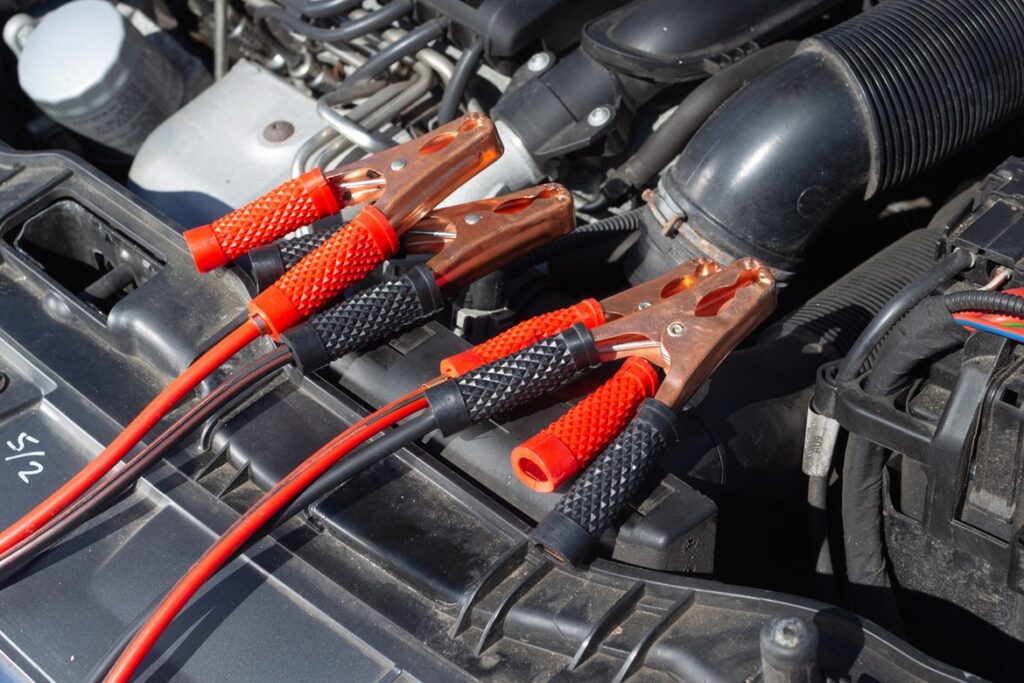
What a portable jump starter is and why it matters
A portable jump starter is a compact battery pack designed to give your car the power it needs to start. Unlike old-school jumper cables, it does not require a second car. That makes it one of the most practical roadside tools you can keep in your trunk.
Most modern units include safety features such as reverse polarity protection, spark protection, and overload protection. Those features matter because a dead battery is annoying, but a bad connection can be dangerous. Learning how to use a portable jump starter the right way helps you avoid damage to your car, your battery, and the jump starter itself.
In real life, this tool is a lifesaver for commuters, parents, road-trippers, and anyone who parks outside in winter. It is also helpful for small engines, like motorcycles, ATVs, and some boats, depending on the unit’s rating.
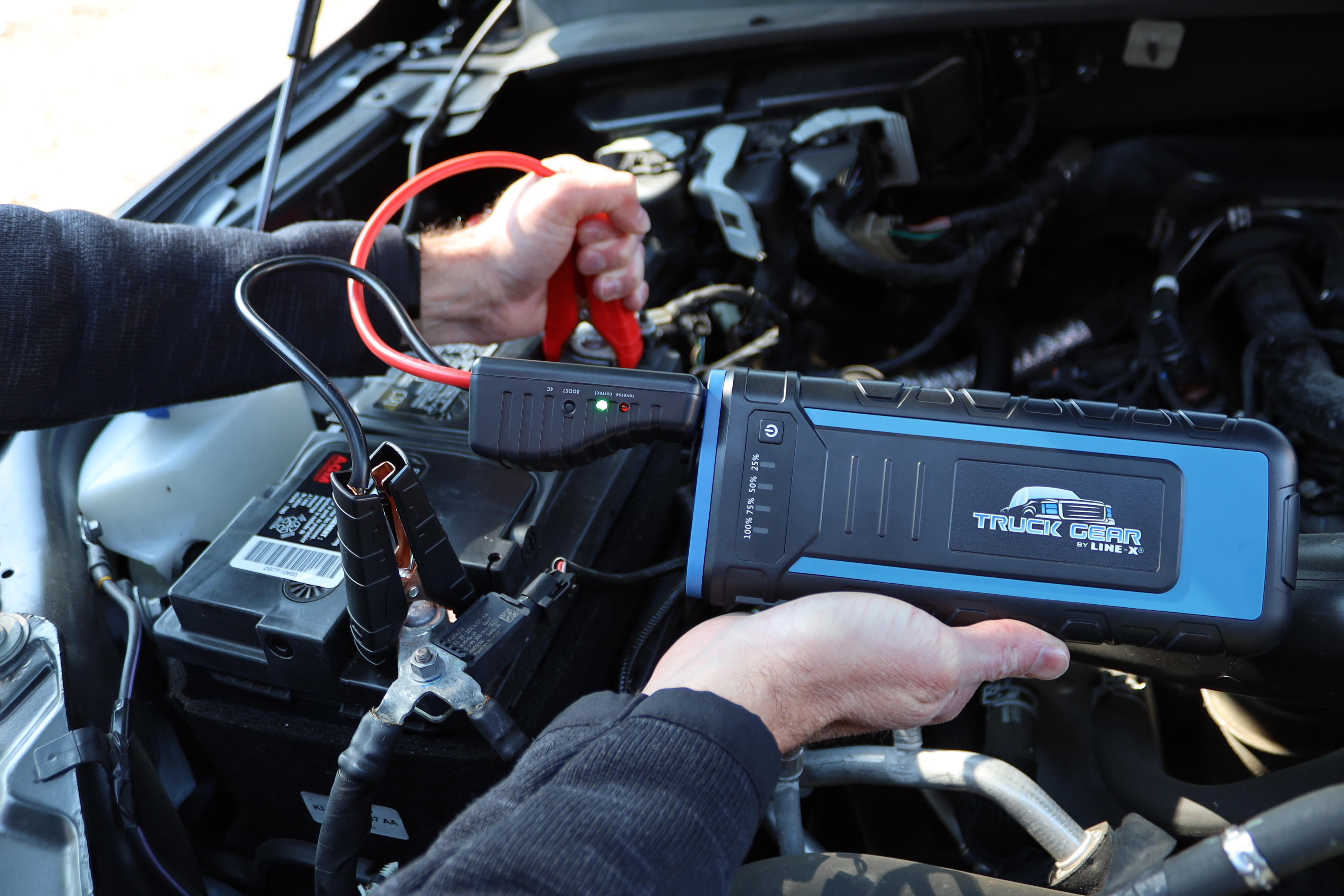
How to use a portable jump starter step by step
Before you begin, make sure the jump starter is charged. Most models work best when fully charged, and a weak unit may not give enough power to start your engine. Also check your owner’s manual if you are unsure where the battery is or whether your vehicle has special jump-start rules.
Here is the basic process I follow when using a portable jump starter:
- Turn off the ignition and remove the key or fob from the vehicle.
- Open the hood and find the battery terminals.
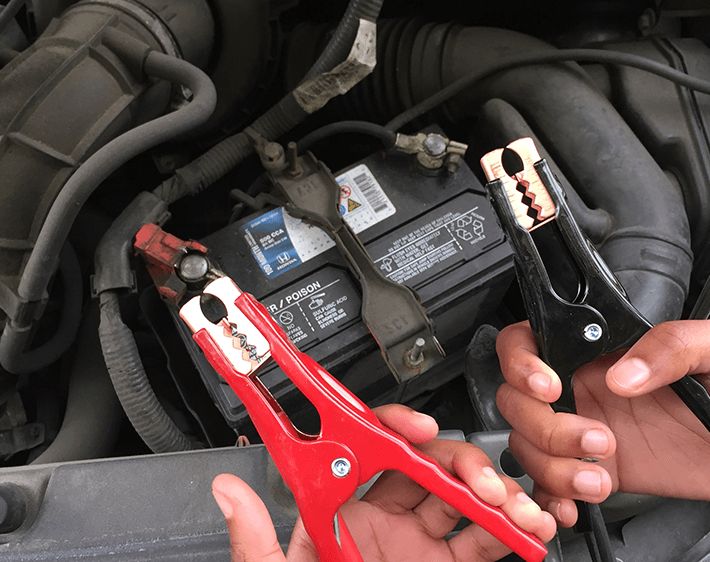
- Connect the red clamp to the positive terminal marked with a plus sign.
- Connect the black clamp to the negative terminal marked with a minus sign or to an unpainted metal ground point if the manual recommends it.
- Make sure the clamps are snug and secure.
- Turn on the jump starter if your model has a power switch.
- Start the vehicle.
- Once the engine starts, disconnect the clamps in reverse order.
A good habit is to pause for a few seconds after connecting the clamps before trying to start the car. That gives the unit time to stabilize. If the engine does not start after one or two attempts, stop and inspect the setup instead of forcing it.
I learned this the hard way one winter when I rushed the process and assumed the battery was the only problem. It turned out one clamp was not seated well, and the jump starter was not the issue at all. Small details matter a lot here.
Step 1: Check the battery and the jump starter
Look at the jump starter first. If the charge is low, recharge it before use. Then inspect the car battery area for cracks, leaks, corrosion, or swelling.
If you see heavy corrosion or a damaged battery case, do not try to force a jump start. That is a sign of a bigger problem, and you may need a mechanic instead. Safety always comes first.
Step 2: Match the clamps correctly
Correct clamp placement is the most important part of how to use a portable jump starter. Red goes to positive. Black goes to negative or to a grounding point if the vehicle manual says so.
If you mix up the clamps, the protection features may stop the unit from working. Some jump starters will beep or flash to warn you. That is a good thing because it helps prevent mistakes before they become expensive ones.
Step 3: Start the vehicle
After the clamps are secure, try starting the engine. Crank the engine for a few seconds only. If it does not start, wait a short time before trying again.
Do not keep cranking for a long time. That can wear out the starter and waste the jump starter’s battery. If the car still will not start after a few tries, the battery may be too far gone, or there may be another issue like a bad alternator or starter motor.
Step 4: Remove the clamps safely
Once the engine is running, remove the black clamp first and then the red clamp. Keep the clamps from touching each other or any metal parts while you do this.
After that, close the hood and let the engine run for a while. This helps recharge the battery a bit. If your battery keeps dying, the problem may not be the battery alone.

Safety tips when using a portable jump starter
A portable jump starter is simple, but it still deserves respect. Car batteries can deliver a lot of power, and a small mistake can cause sparks or damage. I always tell people to move slowly and check each step twice.
Keep these safety tips in mind:
- Read the manual for your specific model before your first use.
- Wear dry gloves if the weather is wet or cold.
- Never let the clamps touch each other while connected to the unit.
- Do not use the jump starter near fuel leaks or strong battery fumes.
- Avoid using a damaged or swollen battery.
- Keep the unit away from water and direct heat.
If your battery is frozen, do not jump it right away. A frozen battery can crack or fail under load. Let it warm up naturally before trying again.
Common mistakes to avoid
Most problems with portable jump starters come from simple errors. The good news is that they are easy to avoid once you know what to watch for.
Here are the mistakes I see most often:
- Using a jump starter with too little power for the vehicle
- Forgetting to charge the jump starter regularly
- Connecting the clamps backward
- Trying too many start attempts in a row
- Using a damaged battery that should be replaced instead
- Storing the unit in a hot trunk for long periods
One of the biggest lessons I have learned is that a jump starter is not magic. It can help start a weak battery, but it cannot fix a battery that is dead beyond recovery. If your car needs a jump every few days, the battery or charging system likely needs attention.
How to choose the right portable jump starter
Not all jump starters are the same. Some are made for small cars, while others are built for larger engines, trucks, or SUVs. Picking the right one makes the whole process easier and safer.
Here are the main things to look for:
- Peak amps: Higher peak amps usually mean more starting power.
- Engine size support: Check whether the unit matches your gas or diesel engine.
- Battery type: Lithium-ion models are lighter and more common now.
- Safety features: Reverse polarity, overcurrent, and short-circuit protection are important.
- Extra functions: Many units also work as power banks, flashlights, or air compressors.
- Storage size: A smaller unit is easier to keep in the car.
For everyday drivers, a compact lithium jump starter is often enough. For larger trucks or diesel engines, you may need a stronger model with higher output. If you are unsure, match the unit to your vehicle class and check the manufacturer specs closely.
How to maintain a portable jump starter
A jump starter only helps if it is ready when you need it. That means a little maintenance goes a long way. I treat mine like an emergency flashlight: easy to forget, but vital when things go wrong.
Follow these simple habits:
- Recharge it every 2 to 3 months, even if you have not used it
- Store it in a cool, dry place
- Check the charge indicator before long trips
- Keep the clamps and cable ends clean
- Replace it if the battery no longer holds a charge well
Many manufacturers recommend periodic charging because lithium batteries slowly lose power over time. If you leave a jump starter dead for months, it may not be ready when your car needs it most.
When a portable jump starter will not help
A portable jump starter is useful, but it has limits. It can start a dead battery in many cases, but it cannot repair a broken alternator, a seized engine, or severe electrical damage.
It may not work if:
- The battery is physically damaged
- The battery is frozen
- The terminals are badly corroded
- The engine has a mechanical problem
- The jump starter is underpowered for the vehicle
If you have already tried a proper jump start and the car still will not run, it is time to look deeper. In those cases, a mechanic can test the charging system, battery health, and starter motor. That saves time and prevents repeated failed attempts.
Frequently Asked Questions of How to use a portable jump starter
How long should I leave a portable jump starter connected?
Usually, you only need it connected long enough to start the engine. Once the car starts, disconnect it right away in the correct order. Letting the engine run afterward helps recharge the battery a little.
Can I use a portable jump starter on any car?
Not always. You need a jump starter that matches the engine size and type of vehicle, especially for larger SUVs, trucks, or diesel engines. Always check the device specs and your vehicle manual first.
Is it safe to use a portable jump starter in the rain?
It can be safe if you stay careful, but avoid exposing the unit or clamps to standing water. Keep your hands dry and work slowly. If conditions are severe, wait for a safer moment if you can.
How often should I charge my portable jump starter?
A good rule is to charge it every 2 to 3 months if you do not use it often. Some models need more frequent checks, so the manual matters here. Keeping it charged is the best way to make sure it works in an emergency.
What if my car still will not start after using the jump starter?
If the engine does not start after a few careful tries, stop and inspect the battery, clamps, and connections. The problem may be a bad battery, corroded terminals, a weak jump starter, or another electrical issue. At that point, a mechanic or roadside service is the smart next step.
Conclusion
Knowing how to use a portable jump starter gives you real peace of mind on the road. It is one of those tools that feels small until the exact moment you need it, then suddenly it becomes priceless. With the right setup, good habits, and a little care, you can handle a dead battery with confidence instead of stress.
If you keep one in your car, charge it often, practice the connection order, and read your manual before an emergency happens. That simple preparation can save you time, money, and a lot of frustration. If this guide helped, explore more car care tips and share it with someone who keeps forgetting to check their battery.