How To Use A Trailer Hitch: Easy Step-By-Step Guide
Using a trailer hitch means matching the right hitch, connecting it correctly, and towing safely every time.
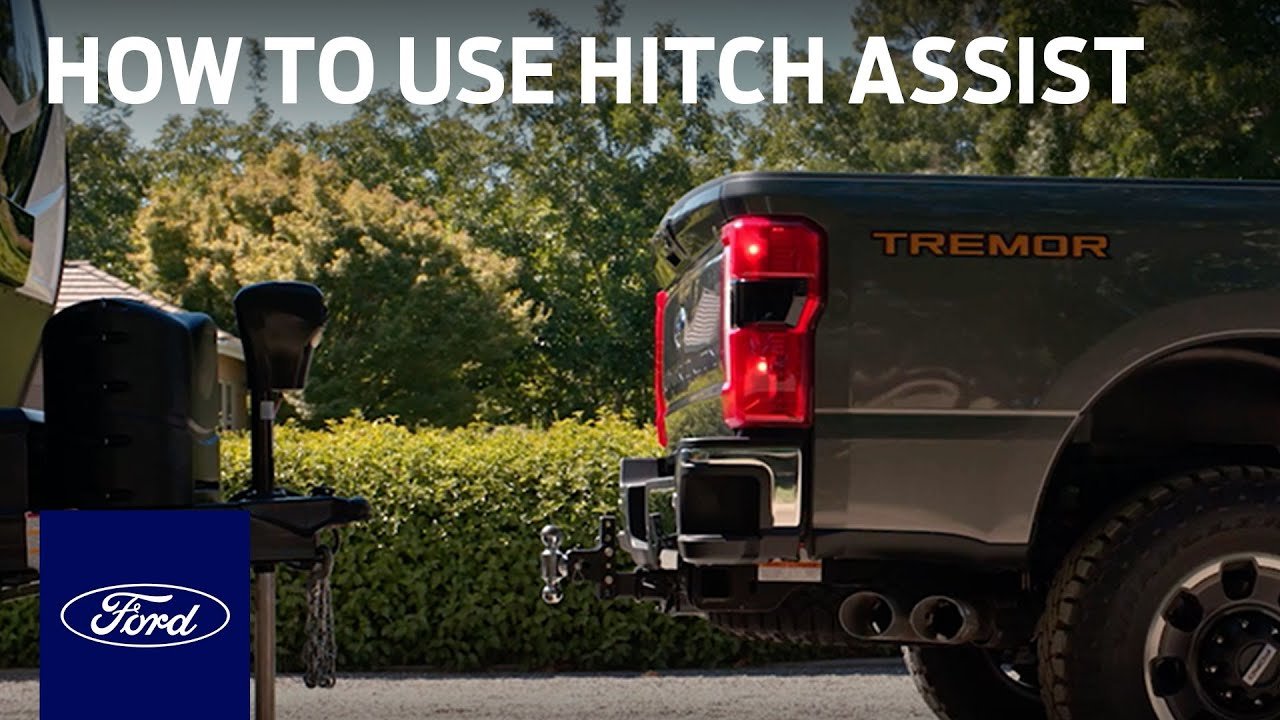
If you have ever stood behind a vehicle and wondered how all the parts fit together, you are not alone. Knowing how to use a trailer hitch is one of those skills that looks simple until you need to haul a trailer, bike rack, cargo carrier, or camper with confidence. Done right, it makes towing feel steady and safe. Done wrong, it can turn a normal drive into a stressful one.
What a trailer hitch is and why it matters
A trailer hitch is the connection point between your vehicle and what you want to tow or carry. It gives you a secure attachment for a trailer ball, bike rack, cargo tray, or other towing accessory. The hitch itself is only one piece of the system, but it is the most important piece because it carries the load and helps keep everything stable.
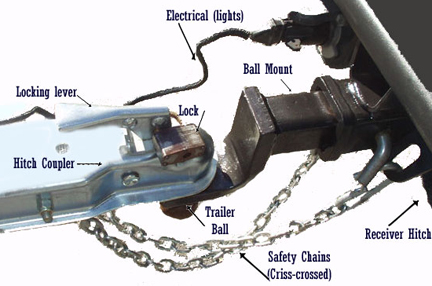
In my experience, people often think the hitch is just a metal bar on the back of a vehicle. That is a mistake. The hitch works with the receiver, ball mount, hitch pin, coupler, safety chains, and wiring. If one part is off, the whole setup can feel loose or unsafe.

Types of trailer hitches and how to choose the right one
Before you learn how to use a trailer hitch, you need to know which type fits your vehicle and your job. Different hitches are built for different weight ranges and towing tasks.
Common hitch classes include:
- Class 1 hitches for light loads like small cargo carriers or very small trailers
- Class 2 hitches for slightly heavier loads such as small utility trailers
- Class 3 hitches for many midsize towing jobs and common travel trailer setups
- Class 4 hitches for heavier towing needs
- Class 5 hitches for the heaviest duty applications
There are also different receiver sizes, usually 1.25 inch or 2 inch. A 2 inch receiver is often more versatile for towing and accessories, but the right size depends on your vehicle and towing needs.
Here is the part I always stress: never guess the capacity. Check your vehicle owner’s manual, the hitch rating, the ball mount rating, and the trailer rating. The safest setup is only as strong as its weakest part.
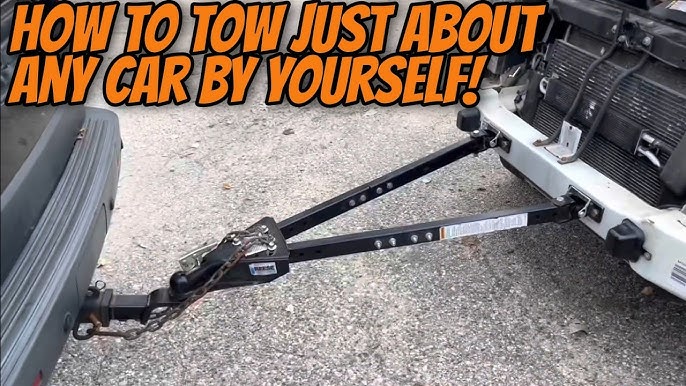
How to use a trailer hitch step by step
Using a trailer hitch is not hard, but it does require care. Take your time and follow each step in order.
-
Check your vehicle’s towing limits
Look up the maximum trailer weight, tongue weight, and any special towing rules in the owner’s manual. These numbers matter more than what “seems fine.” -
Match the hitch to the receiver
Make sure the hitch receiver size matches the ball mount or accessory you plan to use. Forcing the wrong size is unsafe and can damage the equipment. -
Insert the ball mount or accessory
Slide the ball mount into the receiver until the pin holes line up. Then insert the hitch pin and secure it with the clip or lock. -
Attach the correct hitch ball
The hitch ball must match the trailer coupler size. A mismatch can cause the trailer to sway, pop off, or ride poorly. -
Connect the trailer coupler
Lower the trailer coupler onto the ball and lock it in place. Give it a firm test by lifting slightly or checking that the latch is fully closed. -
Attach the safety chains
Cross the safety chains under the coupler so they form a cradle. This helps catch the tongue if the coupler ever disconnects. -
Connect the wiring harness
Plug in the trailer light connector so your brake lights, turn signals, and running lights work. Test the lights before driving. -
Check tongue weight and balance
Load the trailer so weight sits slightly forward of the axle, not too far back. Too little tongue weight can cause sway, while too much can overload the vehicle’s rear. -
Do a final walkaround
Check the hitch pin, coupler latch, safety chains, wiring, tire pressure, and trailer lights. I always do one last check before rolling out, because that habit has saved me from a few awkward mistakes.
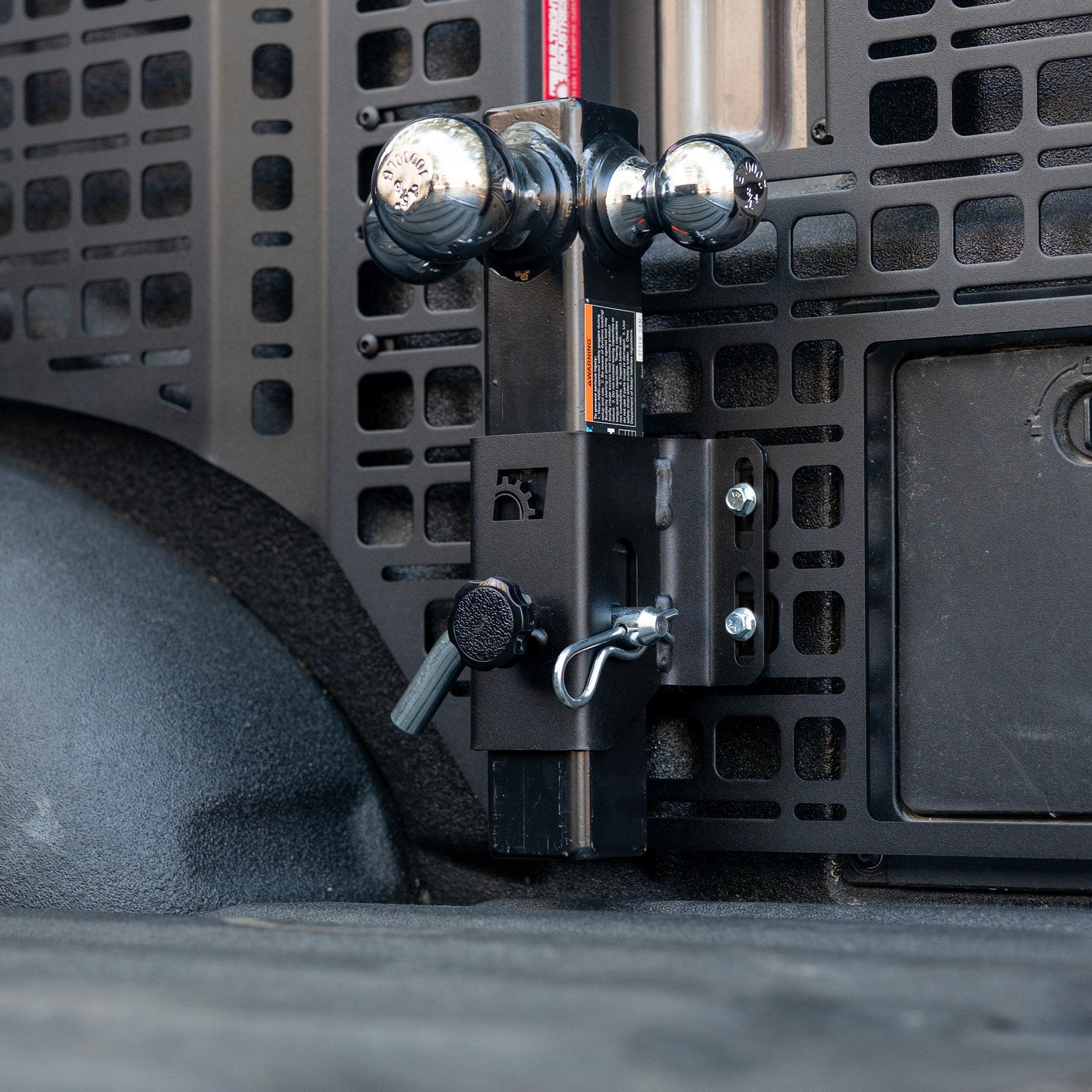
How to hitch a trailer safely
Knowing how to use a trailer hitch safely is just as important as knowing how to connect it. Safety comes from good habits, not luck.
Use these best practices:
- Park on level ground when possible
- Set the parking brake before coupling the trailer
- Use wheel chocks if the trailer can roll
- Make sure the hitch ball size matches the coupler
- Never exceed the lowest weight rating in the setup
- Check that the safety chains have enough slack to turn, but not so much that they drag
- Test trailer lights every time
- Recheck the connection after driving a short distance
A lot of beginners rush this part. I have seen people forget the pin clip or leave the coupler half latched. That kind of mistake is easy to miss and expensive to fix. Slow down. The few extra minutes are worth it.

How to use a trailer hitch for different jobs
A trailer hitch is more versatile than many drivers realize. You can use it for towing, carrying, and even outdoor gear.
Common uses include:
- Towing a utility trailer for home projects
- Hauling a boat or camper
- Mounting a bike rack
- Using a cargo carrier for luggage or tools
- Carrying a hitch-mounted step or platform accessory
Each job has its own limits. For example, a bike rack may seem light, but it still adds weight to the rear of the vehicle. A cargo carrier can also affect visibility and back-end clearance. Always think about how the load changes braking, turning, and parking.

Common mistakes to avoid when using a trailer hitch
Even experienced drivers make mistakes with trailer hitches. The good news is that most problems are preventable.
Watch out for these issues:
- Using the wrong ball size
- Ignoring tongue weight
- Forgetting to secure the hitch pin
- Skipping the safety chains
- Overloading the trailer
- Not checking tire pressure on the trailer
- Driving with loose wiring or broken lights
- Backing up too fast and jackknifing the trailer
One mistake I see often is people assuming the vehicle can tow the trailer just because the hitch fits. Fit does not equal capacity. The hitch may connect perfectly and still be unsafe if the trailer is too heavy.

How to back up with a trailer hitch attached
Backing up with a trailer can feel strange at first, almost like writing with your non-dominant hand. The trailer moves opposite the direction you turn the wheel, so small movements matter.
Use these simple tips:
- Turn slowly and make tiny steering corrections
- Use your mirrors often
- If possible, ask someone to guide you
- Start in a wide open space before trying tight spots
- Stop and realign if the trailer starts to angle too sharply
A trick that helps many drivers is placing one hand at the bottom of the steering wheel. Then move your hand in the direction you want the trailer to go. It is not perfect, but it can make the motion easier to learn.
How to inspect and maintain a trailer hitch
A trailer hitch needs regular checks if you want it to stay reliable. Dirt, rust, loose hardware, and wear can all affect performance.
Inspect the hitch for:
- Cracks or bends in the metal
- Rust around welds and bolts
- Loose nuts and bolts
- Worn hitch pin holes
- Damaged wiring connectors
- A loose or corroded ball mount
Maintenance is simple:
- Clean dirt and road salt after use
- Lubricate moving parts if recommended
- Replace worn hitch pins and clips
- Tighten hardware to the proper torque
- Store accessories in a dry place
The Federal Highway Administration and towing safety guidance from vehicle manufacturers consistently stress proper weight limits, secure connections, and functional lighting. That is because most towing problems come from poor setup, not from the hitch itself.
How to use a trailer hitch with weight ratings in mind
Weight ratings are one of the most important parts of towing. If you want to use a trailer hitch safely, you need to understand them before you hook up anything.
Key terms include:
- Gross trailer weight: the total weight of the trailer and its cargo
- Tongue weight: the downward force the trailer puts on the hitch ball
- Gross combined weight rating: the total weight of the vehicle plus trailer plus cargo
- Receiver rating: the maximum load the hitch receiver can handle
A simple rule of thumb is that tongue weight should usually be about 10% to 15% of the trailer’s total weight, unless your trailer or vehicle manual says otherwise. That range helps reduce sway and improve control. Still, always follow the exact numbers listed by your vehicle and hitch manufacturer.
Real-world tips from experience
After years of seeing people tow everything from small utility trailers to heavier campers, I have learned that confidence comes from repetition and checking the basics. The first few times you use a trailer hitch, it is normal to feel a little tense. That feeling usually fades once you build a routine.
A few practical tips that have helped me and others:
- Keep a small checklist in the glove box
- Use a flashlight at night for coupler and pin checks
- Mark the correct ball size on your hitch setup
- Practice backing up before you need to park in a tight area
- Recheck the load after the first 10 to 15 minutes of driving
The best towing setups are not the fanciest ones. They are the ones that are checked, matched, and used with care.
Frequently Asked Questions
How do I know which trailer hitch I need?
Choose a trailer hitch based on your vehicle’s towing capacity and the type of load you plan to carry. Check the owner’s manual and match the hitch class, receiver size, and weight rating to the job.
Do I need wiring to use a trailer hitch?
If you are towing a trailer, yes, you usually need wiring for brake lights, turn signals, and running lights. If you are only using a bike rack or cargo carrier, wiring may not be needed.
Can I use any hitch ball with any trailer?
No, the hitch ball must match the trailer coupler size. A wrong fit can create a dangerous connection and make towing unstable.
How tight should the trailer hitch connection be?
The coupler should lock firmly onto the ball with no visible looseness. The hitch pin, clip, and safety chains should also be secure before driving.
How often should I inspect my trailer hitch?
Inspect it before every tow and do a more detailed check regularly. Look for rust, cracks, loose hardware, and worn parts so you can catch problems early.
Conclusion
Learning how to use a trailer hitch is really about building good habits. When you match the right hitch, check the weight ratings, secure the coupler, connect the safety chains, and test the lights, towing becomes much easier and far safer.
If you tow now and then, take a few minutes to build a simple checklist and review it before each trip. That small habit can save time, money, and stress. If you found this guide helpful, keep learning, share it with someone who tows, or leave a comment with your own trailer hitch tips.