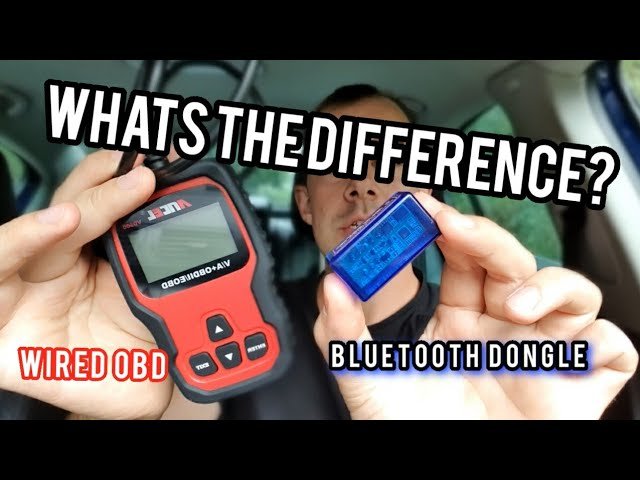
What Is The Difference Between Bluetooth And Wired OBD2 Scanners: Best Guide
Bluetooth OBD2 scanners are more flexible and convenient, while wired scanners are usually faster and more stable.
If you have ever plugged into an OBD2 port and wondered which tool is better, you are not alone. I have tested both Bluetooth and wired OBD2 scanners on daily drivers, older cars, and a few problem vehicles, and the difference comes down to speed, convenience, reliability, and how you plan to use the tool. In this guide, I will break down the real-world differences in a simple way so you can choose the right OBD2 scanner with confidence.
What an OBD2 scanner actually does
An OBD2 scanner reads data from your car’s onboard diagnostic system. It can pull trouble codes, clear check engine lights, and show live sensor data like engine temperature, fuel trims, and oxygen sensor activity. Most 1996 and newer vehicles in the U.S. support OBD2, so these tools are useful for a wide range of cars and trucks.
The scanner is only the bridge between you and the car’s computer. That is why the connection type matters so much. A Bluetooth OBD2 scanner sends data to a phone or tablet, while a wired OBD2 scanner usually connects directly to a handheld unit or laptop through a cable.

What is the difference between Bluetooth and wired OBD2 scanners?
The biggest difference is how they connect and how that affects speed, ease of use, and reliability. Bluetooth OBD2 scanners use wireless communication with a smartphone or tablet app, while wired OBD2 scanners use a physical cable connection to a dedicated device or computer.
In simple terms, Bluetooth OBD2 scanners are more convenient and portable. Wired OBD2 scanners are often more stable and better for users who want a stronger, more direct connection. If you are asking what is the difference between Bluetooth and wired OBD2 scanners, the answer usually comes down to how you plan to diagnose your car and how much trust you want in the connection.
How Bluetooth OBD2 scanners work
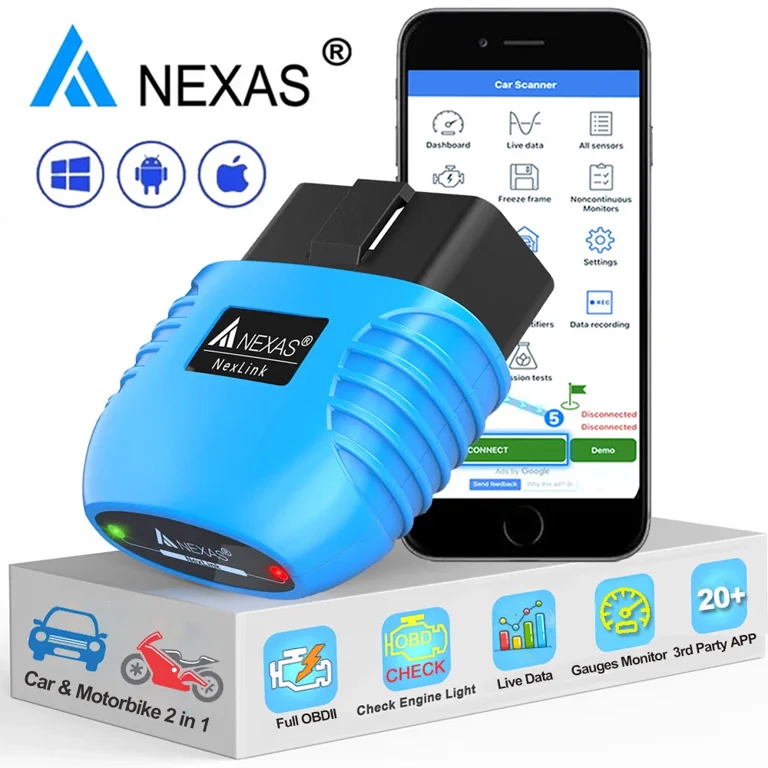
Bluetooth OBD2 scanners plug into the car’s OBD2 port and pair with a phone or tablet. The scanner sends vehicle data wirelessly to an app, where you can read codes, view graphs, and sometimes save reports. Many modern Bluetooth scanners work with both Android and iPhone, though app quality can vary a lot.
I have seen Bluetooth scanners shine in real-life use when someone wants quick checks in a parking lot or at home. They are great for basic diagnostics, but you do have to deal with app setup, phone compatibility, and the occasional pairing issue. If your app is clunky, the scanner will feel less useful even if the hardware is fine.
How wired OBD2 scanners work
Wired OBD2 scanners connect by cable to a handheld scanner or a laptop-based diagnostic tool. Because the connection is physical, they are less likely to suffer from wireless dropouts or pairing problems. This makes them popular with professional technicians and people who want a dependable tool for repeated use.
In my experience, wired tools feel more “direct.” They are often faster to respond, especially when you are checking live data or scanning multiple modules. For people who do not want to rely on a phone battery, an app, or wireless pairing, a wired OBD2 scanner can feel simpler and more trustworthy.
Bluetooth OBD2 scanners: advantages and drawbacks
Bluetooth OBD2 scanners have become very popular because they are easy to carry and easy to use. They also fit the way many people already work today, since most of us keep a smartphone with us at all times. Still, they are not perfect.
Benefits of Bluetooth OBD2 scanners
• Easy to use with a phone or tablet
• Compact and portable
• Often less expensive than professional wired tools
• Good for everyday code reading and light diagnostics
• Useful for logging data over time with apps
Limitations of Bluetooth OBD2 scanners
• Depend on app quality and phone compatibility
• Can have occasional pairing or connection issues
• Some cheaper models may be slow or inaccurate
• Not ideal for users who want a dedicated screen or controls
• May be less reliable for advanced diagnostic sessions
A lesson I learned early on is that not all Bluetooth scanners are equal. A cheap unit may connect fine once, then act flaky the next day. If you choose Bluetooth, spend time on app reviews and scanner chipset quality, not just price.
Wired OBD2 scanners: advantages and drawbacks
Wired OBD2 scanners are still popular for a reason. They are usually built for stability, and that matters when you are trying to diagnose an issue that comes and goes. Many technicians trust them because they remove wireless uncertainty from the equation.
Benefits of wired OBD2 scanners
• Stable physical connection
• Often faster data response
• No Bluetooth pairing problems
• Good for long diagnostic sessions
• Better fit for professional or shop use
Limitations of wired OBD2 scanners
• Less portable than Bluetooth units
• Can cost more, especially professional-grade models
• May require a laptop or dedicated device
• Cables can be awkward in tight spaces
• Not as convenient for casual users
If I were diagnosing a stubborn intermittent problem, I would usually pick a wired setup first. That steady connection helps reduce one more possible source of trouble. When you are chasing a real fault, fewer unknowns make life easier.
Bluetooth vs wired OBD2 scanners: side-by-side comparison
When people compare Bluetooth vs wired OBD2 scanners, they are usually comparing convenience against reliability. Both can read codes, but the overall experience feels different.
| Feature | Bluetooth OBD2 scanner | Wired OBD2 scanner |
|---|---|---|
| Connection | Wireless | Physical cable |
| Device used | Phone or tablet | Handheld unit or laptop |
| Portability | Very high | Medium to low |
| Setup | App pairing required | Usually straightforward |
| Stability | Good, but can drop | Very stable |
| Speed | Depends on app and hardware | Often faster and smoother |
| Best for | Casual users, DIY owners | Pros, heavy users, deeper diagnostics |
If you mainly want to read check engine lights, Bluetooth is often enough. If you want dependable use with less fuss, wired still has the edge. That is the core difference between Bluetooth and wired OBD2 scanners in real life.
Which type is better for everyday drivers?
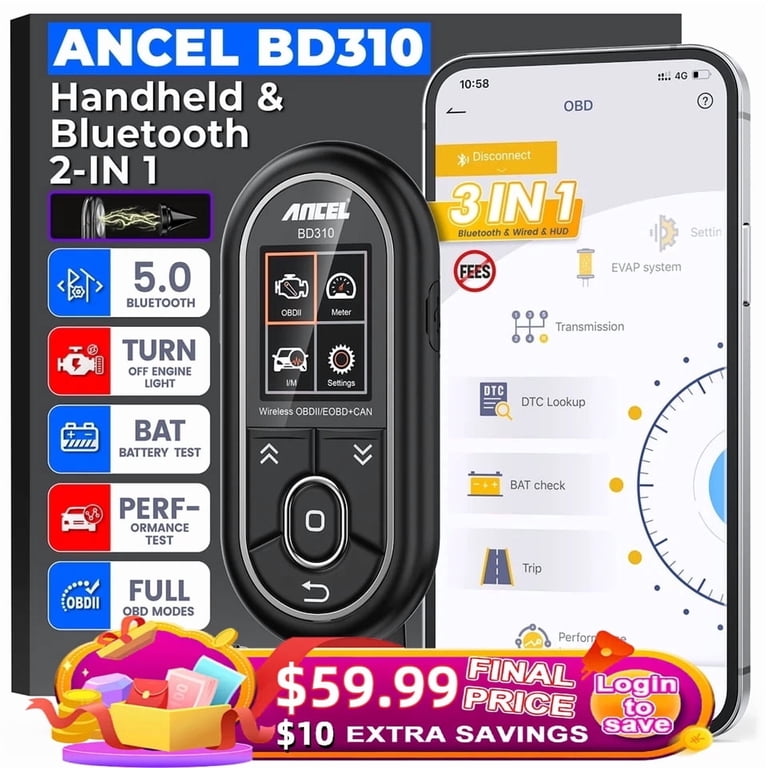
For most everyday drivers, Bluetooth OBD2 scanners make the most sense. They are simple, portable, and usually cheaper, which is perfect if you only need occasional diagnostics. Many owners use them to check a warning light before heading to a shop.
That said, if you do not like apps or you want the scanner to work the same way every time, a wired unit may be a better fit. I have seen plenty of drivers buy Bluetooth first, then switch to wired after getting tired of app issues. The “best” tool is the one you will actually use when the engine light comes on.
Which type is better for professional mechanics?
Professional mechanics often prefer wired OBD2 scanners or high-end diagnostic tools because they need consistency. A shop cannot afford to lose time because a phone disconnected or an app froze. Stability matters more than convenience when customers are waiting.
That does not mean Bluetooth is useless in a shop. Some techs use Bluetooth scanners for quick checks, road tests, or data logging. But for deeper diagnostics, especially on multiple modules, wired tools are still the more trusted option.
What to look for before buying either type
Choosing between Bluetooth and wired OBD2 scanners is easier when you know what features matter. The right features can save you a lot of frustration later.
• Vehicle compatibility with your car’s make, model, and year
• Support for live data, freeze frame, and readiness monitors
• App quality for Bluetooth scanners
• Update support and code definitions
• Build quality and cable length for wired scanners
• Support for enhanced or manufacturer-specific diagnostics
One mistake I see often is people buying the cheapest scanner without checking what it can actually read. A basic code reader may clear a light, but it will not help much if you need live data or deeper system access. Always match the scanner to the kind of work you expect to do.
Real-world use cases and practical advice
If you are a casual DIYer, Bluetooth OBD2 scanners are often the easiest starting point. They let you use a phone you already own, and the setup is usually fast. This is especially handy if you like keeping records of recurring issues.
If you work on cars often, a wired OBD2 scanner can save time and reduce annoyance. In my own testing, wired tools were more dependable during longer sessions and on vehicles with weaker battery voltage. That matters because diagnostic work can get messy fast when the connection keeps dropping.
Here is the simplest rule I use:
• Choose Bluetooth if you want convenience, portability, and lower cost
• Choose wired if you want stability, speed, and a more traditional diagnostic workflow
Frequently Asked Questions
Are Bluetooth OBD2 scanners as accurate as wired scanners?
In most cases, the accuracy depends more on the scanner quality than the connection type. A good Bluetooth scanner can be very accurate for basic code reading and live data, but a low-end model may be slower or less reliable than a decent wired unit.
Do Bluetooth OBD2 scanners work with iPhone and Android?
Many Bluetooth OBD2 scanners work with both, but not all of them do. Some cheaper models support only Android, so it is important to check app compatibility before buying.
Can a wired OBD2 scanner read more codes than Bluetooth?
Not always, but many wired scanners are built for more advanced diagnostics. The real difference is often in the software and features, not just the cable or wireless connection.
Which is better for clearing a check engine light?
Either type can clear a check engine light if the scanner supports that function. Bluetooth is often more convenient for home use, while wired scanners can feel more dependable for repeated service work.
Is Bluetooth OBD2 safe to leave plugged in?
Most Bluetooth OBD2 scanners draw very little power, but leaving any device plugged in for long periods can be a risk on some vehicles. If your car sits for days or weeks at a time, it is smart to unplug the scanner when you are done.
Do professional mechanics use Bluetooth OBD2 scanners?
Yes, some do, especially for quick checks and data logging. But many professionals still prefer wired or dedicated shop-grade diagnostic tools for deeper and more consistent work.
Conclusion
The difference between Bluetooth and wired OBD2 scanners is really about convenience versus stability. Bluetooth OBD2 scanners are easy, portable, and great for everyday drivers, while wired OBD2 scanners offer a steadier connection and often feel better for professional or heavy use. If you understand your own needs first, the choice becomes much easier.
The best scanner is the one that fits your habits, your budget, and the kind of car work you actually do. Start with your real use case, not just the cheapest option on the shelf, and you will make a smarter purchase. If this helped, explore more car diagnostic guides, compare scanner features, and leave a comment with the tool you are thinking about buying.