How To Use Roof Cross Bars: Easy Setup Tips
Roof cross bars help you carry cargo safely by mounting and securing gear on your vehicle’s roof.
If you have ever tried to pack a family road trip, haul a kayak, or make room for luggage, you already know how fast a car can run out of space. That is where roof cross bars come in. With the right setup, roof cross bars can turn a cramped vehicle into a much more flexible travel machine, and using them the right way matters for safety, noise, fuel use, and the life of your gear.
What roof cross bars do and why they matter
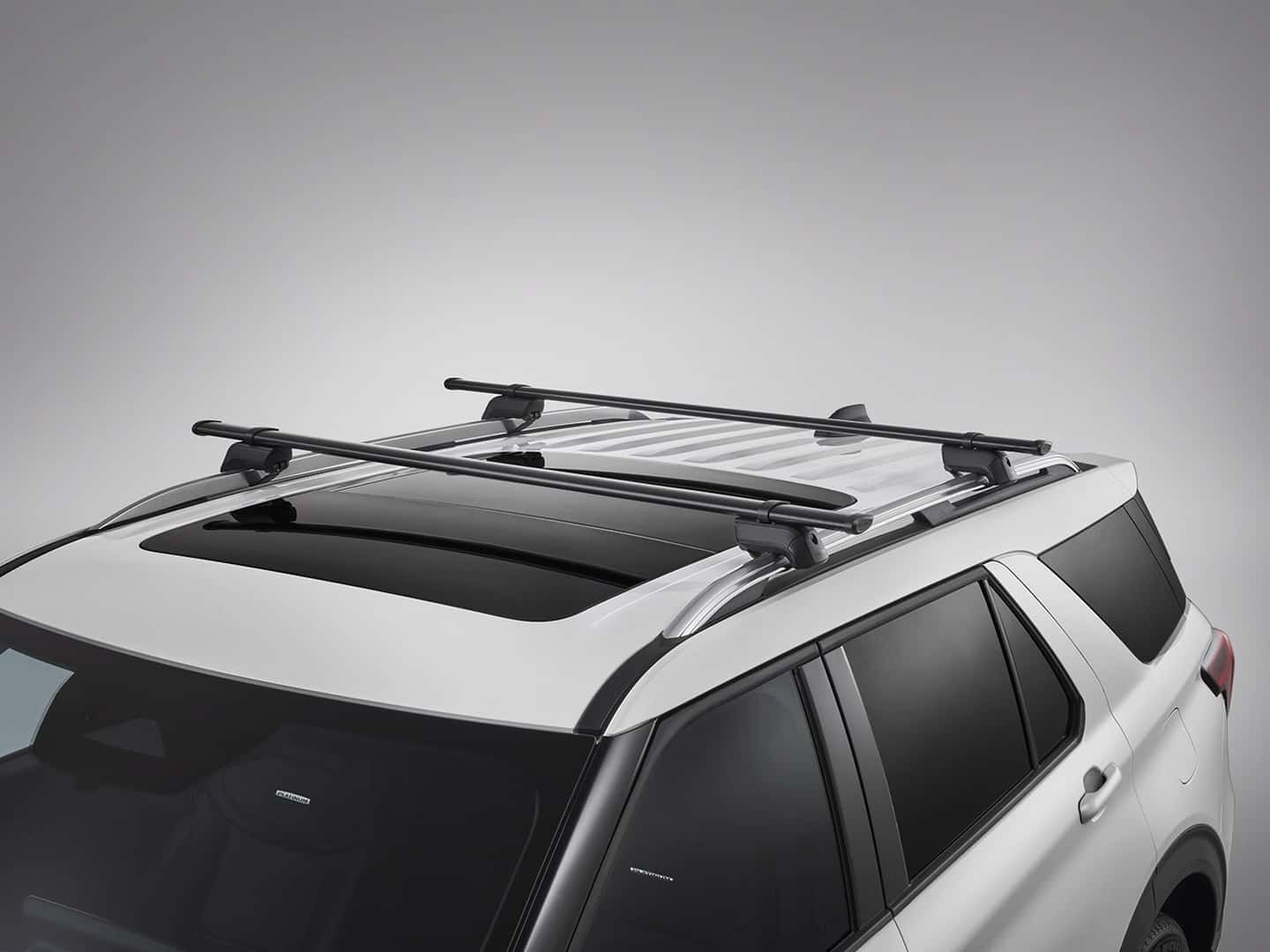
Roof cross bars are the horizontal bars that sit across your vehicle’s roof rack system. Their job is simple: they create a stable base for cargo carriers, bike mounts, kayak racks, ski racks, and roof boxes. Without cross bars, most rooftop accessories have nothing secure to attach to.
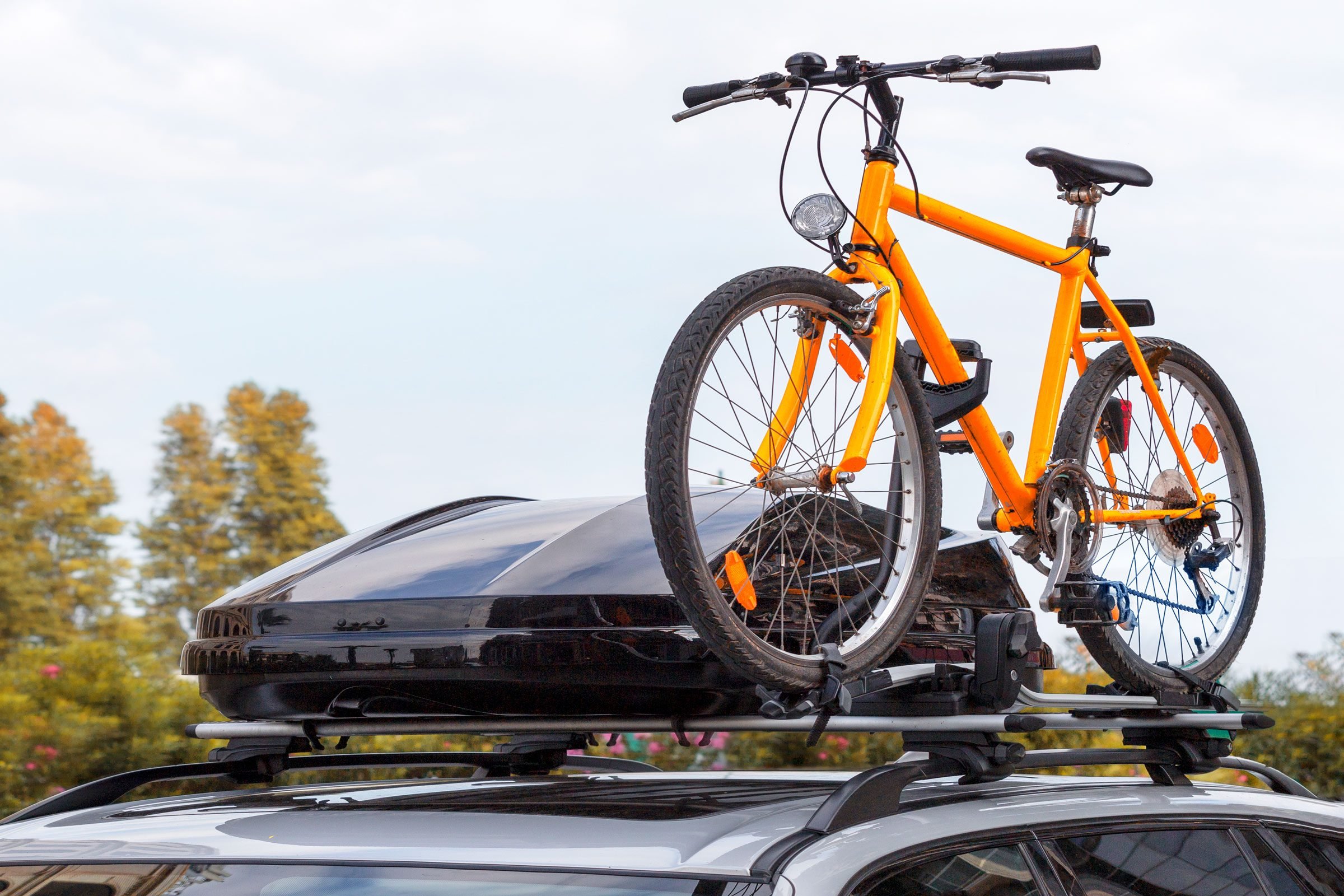
I have seen people buy the right roof box and then skip the basics, only to find the whole setup wobbly at highway speed. That is a costly mistake. When you use roof cross bars correctly, you improve stability, reduce the risk of shifting loads, and make your vehicle much more useful for travel and outdoor trips.
There are also real safety reasons to pay attention. The National Highway Traffic Safety Administration and vehicle manufacturers stress that load limits, proper attachment, and balanced cargo placement matter. Roof systems are only as safe as the weakest part, so the bars, the mounts, and the way you load them all need to work together.
How to use roof cross bars step by step
Using roof cross bars is not hard, but it does require a method. Think of it like tying a good knot. If one part is loose, the whole thing can fail.
1. Check your vehicle’s roof rating
Before you add anything, look up your vehicle’s roof load rating in the owner’s manual. This is the maximum weight your roof can safely carry, including the cross bars and the cargo. People often confuse the roof rating with the weight a rack can hold, but the lower number always wins.
A quick example: if your vehicle’s roof rating is 150 pounds and your bars weigh 15 pounds, you may only have 135 pounds left for cargo and accessories. That small detail can make a big difference.
2. Make sure the cross bars are installed correctly
Roof cross bars must be attached to the proper base system for your vehicle. That base may be raised rails, flush rails, fixed points, or a bare roof system with door clamps. Each setup has its own fit rules, torque values, and spacing requirements.
A mistake I have seen more than once is guessing on bar spacing. If the bars sit too close together or too far apart, some carriers will not lock in correctly. Always follow the fit guide for your exact vehicle and rack brand.
3. Place the cargo on the bars with balance in mind
Center the load when possible. Heavy items should sit low and close to the middle of the roof, not hanging off one side. Balanced weight helps the vehicle handle better and keeps wind drag down.
For long items like ladders, lumber, or kayaks, make sure the front and rear support points are stable. Use proper cradles, foam pads, or saddles if the accessory calls for them. Never assume the bars alone can protect the cargo from movement.
4. Secure the item with the right tie-downs
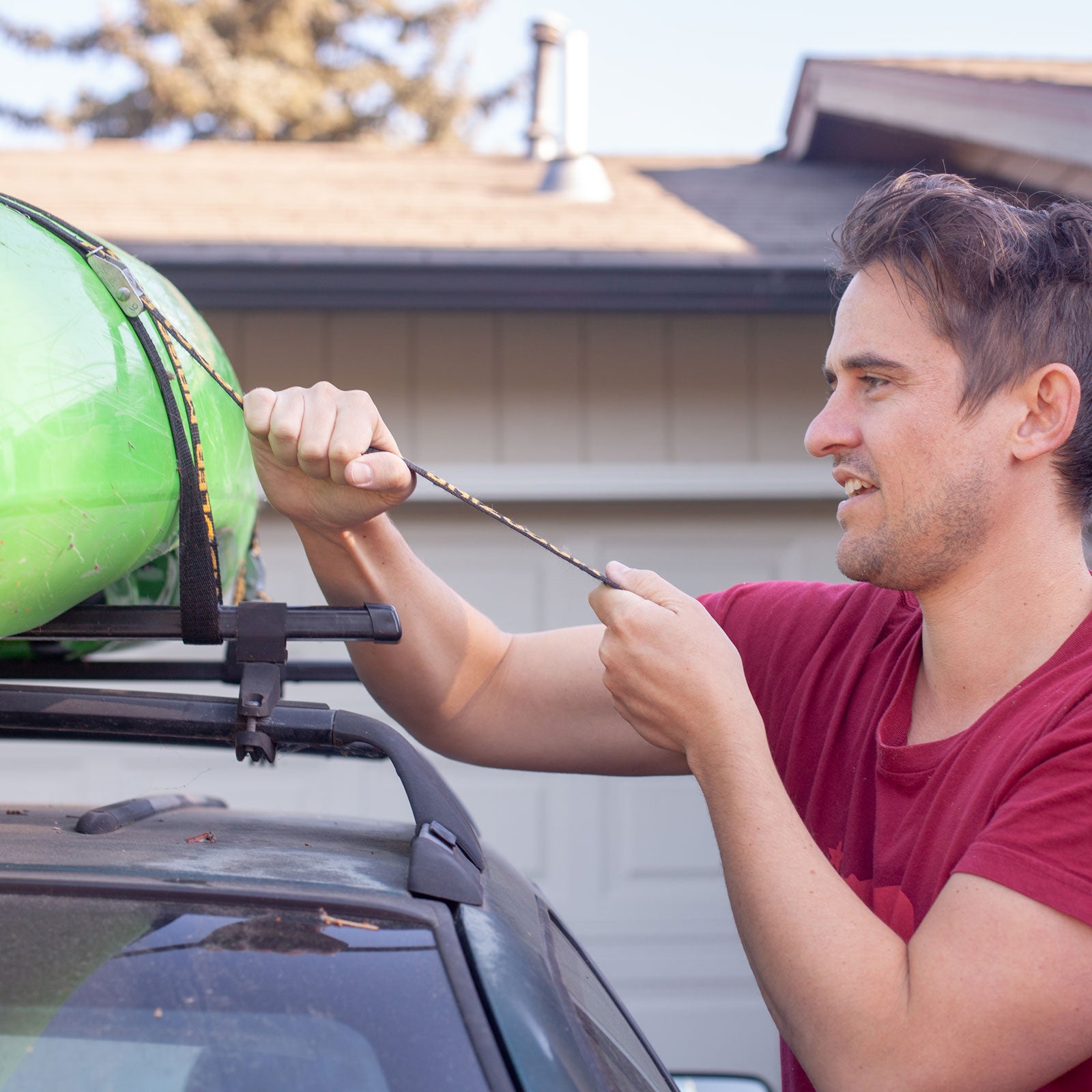
Use straps, cam buckles, or ratchet straps only if they are appropriate for the load. Soft straps are often better for delicate gear, while ratchet straps can be useful for heavier items if used carefully. Tight is good, but over-tightening can crush gear or damage the roof rack.
A simple test I use is the shake test. After securing the load, give it a firm push from several angles. If it shifts, rattles, or twists, it is not ready for the road.
5. Lock and inspect everything before driving
If your cross bars or accessories have locks, use them. Locks do not replace straps, but they do add another layer of security. Then check that all knobs, clamps, and fasteners are snug.
Before pulling away, walk around the vehicle and look for:
- Loose straps
- Twisted tie-downs
- Uneven weight
- Gear sticking out too far
- Open accessory covers or unlocked mounts
This last walkaround has saved me more than once. It takes one minute and can prevent a very long day.
Choosing the right roof cross bars for your vehicle
Not all roof cross bars are the same. The best choice depends on your roof type, your cargo, and how often you plan to use them. A strong, quiet, easy-to-fit system is usually worth the extra money.
Roof type matters
Your vehicle may have:
- Raised side rails
- Flush side rails
- Fixed mounting points
- A naked roof
Each one needs a different mount style. A bar that fits raised rails will not work the same way on a bare roof. This is why vehicle-specific fitment is so important.
Material and design matter too
Most roof cross bars are made from aluminum or steel. Aluminum bars are often lighter and quieter. Steel bars can be very strong and budget friendly, but they may add more weight and drag.
You should also think about the bar shape:
- Aerodynamic bars help reduce wind noise and fuel loss
- Square bars are often more traditional and accessory-friendly
- Round bars may work with some older racks and mounts
Weight capacity and accessory compatibility
Look for both dynamic load capacity and accessory fit. Dynamic load is what matters when the vehicle is moving. That number must match your intended use.
Also check whether your bike rack, cargo box, or kayak mount can attach to the bars without adapters. A good rack system should make loading easy, not feel like a puzzle.
Best practices for safe use
Roof cross bars are simple, but simple does not mean careless. Small habits make a big difference over time.
Keep speed in check
Cargo on the roof changes airflow and handling. You may feel more wind resistance, more noise, and a little less stability at higher speeds. Slowing down helps protect the load and reduces strain on the rack.
Watch the height
This is one of the easiest things to forget. With roof cross bars and cargo installed, your vehicle may not fit in parking garages, drive-throughs, or low carports. I always tell people to memorize their new vehicle height before they leave home.
Recheck after the first few miles
Road vibration can settle straps and mounts. After about 5 to 10 miles, pull over and check everything again. Then check periodically on longer trips.
Remove the rack when not in use
Leaving roof cross bars on all the time can create wind noise and reduce fuel economy. It can also leave your gear exposed to weather and theft. If you only use them seasonally, removing them can be a smart move.
Common mistakes to avoid when using roof cross bars
A lot of problems happen because people rush. Most of them are easy to avoid once you know what to look for.
- Ignoring the roof weight limit can overstress the system and create a safety risk
- Using the wrong accessory mount can cause slipping or poor fit
- Overloading one side can make the vehicle feel unstable
- Forgetting to retighten straps can let the cargo settle and move
- Leaving loose strap tails can cause flapping noise and wear
- Using damaged bars, clamps, or straps can lead to failure
One lesson I learned early: if something feels barely tight enough in the driveway, it will probably feel worse on the highway. Take the extra minute to redo it.
Real-world uses for roof cross bars
Roof cross bars are useful in far more situations than people first expect. They are not just for big adventures.
You can use roof cross bars for:
- Bike carriers for weekend rides
- Kayak and canoe transport
- Ski and snowboard racks in winter
- Cargo boxes for family travel
- Luggage trays for long trips
- Ladder and work gear for home projects
- Surfboards and paddleboards for beach days
For families, cross bars often mean less clutter inside the cabin. For outdoor lovers, they make gear transport easier. For workers, they can turn a standard vehicle into a practical job tool.
Maintenance and care tips
Like any gear, roof cross bars last longer with a little care. Dirt, salt, rain, and sun all take a toll over time.
Clean them regularly
Wipe down the bars and mounts after muddy trips or winter driving. Road salt can wear down metal parts and hardware. A mild soap and water mix is usually enough.
Check for wear
Look for:
- Cracks in plastic parts
- Rust on steel hardware
- Loose bolts
- Bent bars
- Worn rubber pads or seals
If something looks damaged, replace it before the next trip. It is much cheaper to replace a part than to replace lost cargo.
Store them properly
If you remove the bars seasonally, store them in a dry place. Keep the hardware together in a labeled bag so you are not hunting for bolts later. That small habit makes reinstallation much easier.
How roof cross bars affect fuel economy and noise
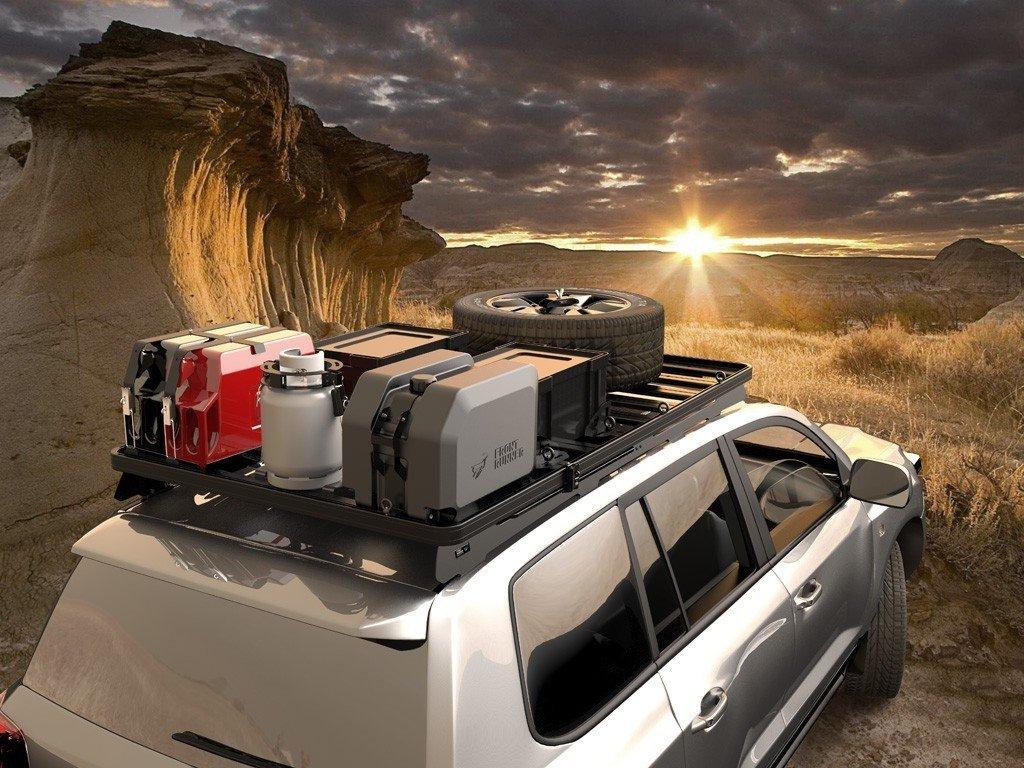
Roof cross bars can increase drag. That means your vehicle may use more fuel, especially at highway speeds. Even empty bars can create extra wind resistance.
Noise is another common issue. Some bars whistle because of their shape, placement, or loose accessories. Aerodynamic bars, fairings, and proper spacing can reduce this problem, but some wind noise is normal. If the sound changes suddenly, it may mean a part has come loose.
Frequently Asked Questions
How do I know if my roof cross bars are installed correctly?
They should sit level, feel firm, and match the recommended spacing for your vehicle and accessory. If you can move them by hand, hear rattling, or see uneven pressure on the mounts, something needs adjustment.
Can I use roof cross bars without a roof rack?
Usually no. Most roof cross bars need a base system such as rails, fixed points, or clamp mounts to attach safely. A bare roof by itself is not enough unless you buy a system designed specifically for it.
How much weight can roof cross bars hold?
That depends on both the vehicle’s roof rating and the rack manufacturer’s limit. Always follow the lower number, since the car’s roof limit is the real safety cap.
Do roof cross bars fit all cars?
No, fit depends on the roof design and the mounting system. Some bars are vehicle-specific, while others are adjustable, but not every setup works on every car.
Should I leave roof cross bars on all the time?
You can, but it is not always ideal. Leaving them on may increase wind noise and reduce fuel efficiency, so many drivers remove them when they are not in use.
Conclusion
Roof cross bars are one of the easiest ways to expand what your vehicle can do, but only if you use them with care. Check your roof rating, install the bars the right way, balance the load, and secure everything before you drive. Those simple steps protect your gear, your vehicle, and everyone on the road.
If you are planning a trip, a project, or a gear haul, take a few minutes to set up your roof cross bars correctly. That small effort pays off every time you drive.