How To Use An Ice Scraper: Easy Car Winter Guide
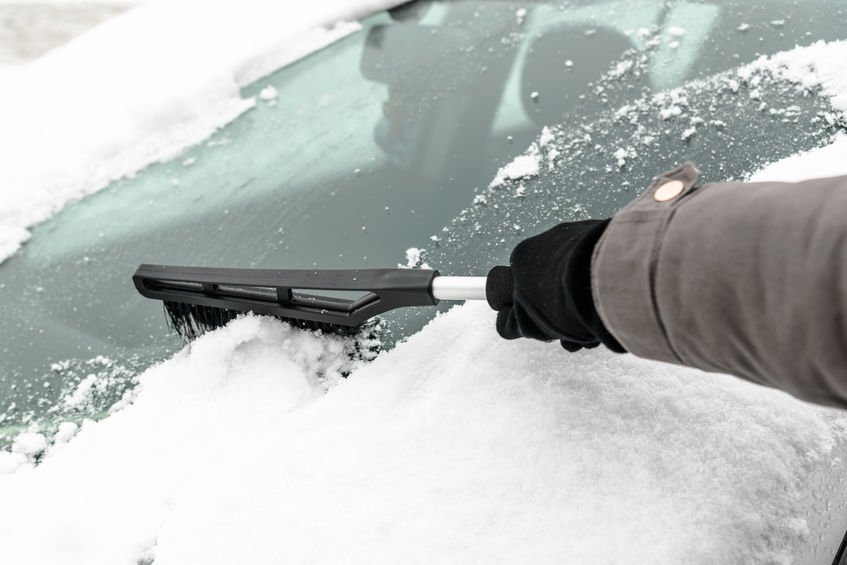
Use an ice scraper by starting at the top of the glass and pushing ice away with firm, steady strokes.
When you know how to use an ice scraper the right way, winter mornings get a lot easier. I’ve spent enough cold mornings clearing windshields to know the difference between doing it fast and doing it safely. The right technique protects your glass, saves time, and helps you drive with a clear view instead of fighting stubborn frost.
What an ice scraper does and why it matters
An ice scraper is a simple tool, but it solves a very real problem. It removes ice, frost, and packed snow from car windows so you can see clearly before you drive. That matters because blocked visibility is one of the biggest winter driving risks.
Using an ice scraper also helps you avoid damage. A bad technique can scratch glass, strain your hands, or leave dangerous patches behind. I’ve seen people press too hard and learn the hard way that patience is cheaper than a new windshield.
How to use an ice scraper the right way
Start with the car turned off or in accessory mode, and make sure the scraper is clean. Hold it at a low angle so the blade stays flat against the glass. Then push the ice away in long, steady strokes instead of stabbing at it.
Follow these basic steps:
- Clear loose snow first with a brush or glove.
- Start at the top of the windshield.
- Push the ice downward or outward.
- Reposition and repeat until the glass is clear.
- Finish by checking the corners, wiper area, and side windows.
If the ice is thick, do not force it in one hard pass. A few controlled strokes are safer and more effective than one aggressive scrape. In my own routine, I always work from the top down because melted ice tends to slide lower as you go.
Best angle, pressure, and motion for better results
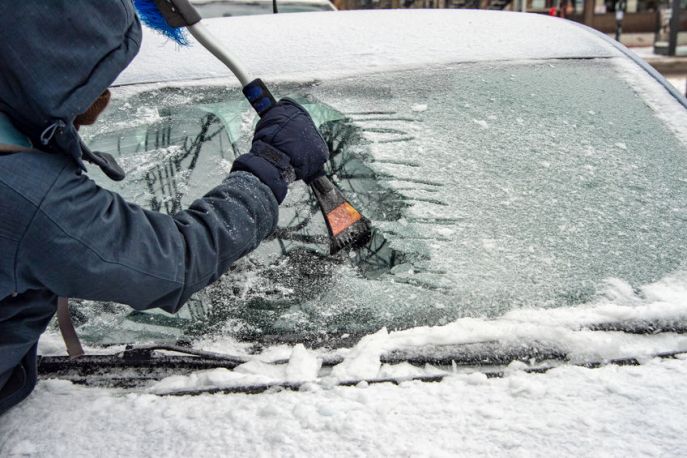
The best way to use an ice scraper is with light to medium pressure. Let the edge do the work. If you press too hard, you increase the chance of scratching the glass or cracking brittle ice in a way that creates messy shards.
A shallow angle is usually best because it keeps more of the blade in contact with the window. Short, jerky motions waste energy and can chip the ice into tiny pieces that stick again. Smooth strokes feel slower at first, but they save time overall.
Here’s what helps most:
- Keep the scraper flat, not upright
- Use short pauses if your hands get cold
- Work in sections if the ice is heavy
- Clear the driver’s side first if you are in a hurry
Common mistakes to avoid when using an ice scraper
One of the biggest mistakes is using a metal tool on glass. That is asking for scratches, especially if there is dirt trapped under the edge. Another common problem is scraping over dry, dusty glass without clearing the loose grit first.
Avoid these mistakes:
- Using excessive force
- Scraping with a broken or chipped edge
- Ignoring side windows and mirrors
– Driving before the full windshield is clear - Pouring hot water on frozen glass, which can cause cracking
I’ve made the mistake of rushing and leaving a thin foggy layer on the passenger side. It looked fine from the driver’s seat, but it still blocked part of my view when I merged. That small error reminded me that winter visibility is about the whole car, not just the center of the windshield.
How to use an ice scraper on thick ice and hard frost
Thick ice needs a little more patience. If the layer is stubborn, let the scraper chip at one edge and then peel it back in sections. For hard frost, a few firm passes usually work better than trying to grind it all off at once.
If conditions are extreme, combine the scraper with a defroster or an approved de-icer spray. That softens the ice and reduces the work needed from the blade. In colder climates, this is often the difference between a 2-minute cleanup and a 10-minute battle.
A good winter routine looks like this:
- Start the engine and turn on the defroster
- Clear the snow from the roof, hood, and windows
- Spray de-icer if needed
- Use the ice scraper on softened spots
- Clean the mirrors and rear window last
Choosing the right ice scraper
Not all ice scrapers are equally useful. A wider blade can clear more glass at once, while a small one may offer better control around mirrors and tight edges. A comfortable handle also matters more than people think, especially when your hands are cold and stiff.
Look for these features:
- Strong plastic blade
- Ergonomic grip
- Built-in brush for snow
- Durable edge that resists cracking
- Size that fits your hand and storage space
From experience, a cheap scraper can work fine for light frost, but it may fail fast in deep cold. If you live where winter bites hard, it is worth buying one that feels solid and balanced.
Safety tips while scraping ice
Safety is the main reason to learn how to use an ice scraper well. Always clear every window you need before driving. A tiny hole in the windshield is not enough, and it can make lane changes or turns much riskier.
Keep these safety habits in mind:
- Wear gloves to protect your hands
- Stand on solid ground to avoid slips
- Watch for ice falling from the roof
- Keep the scraper away from wiper blades
- Remove snow from headlights and taillights too
Also, never use the scraper while driving or while leaning into traffic. Winter roads already demand full attention, so do the job completely before you pull out.
Extra tools and methods that help
An ice scraper works best when it is part of a small winter kit. A soft snow brush helps clear loose snow before scraping. A windshield cover can also save time by preventing frost buildup overnight.
Other useful helpers include:
- De-icer spray for heavy frost
- Microfiber cloth for interior fog buildup
- Gloves with grip for better control
- A windshield cover for overnight parking
These tools do not replace the scraper, but they make it much easier to use. Think of them like backup players on a cold-weather team.
How often to replace an ice scraper
If your scraper blade is cracked, bent, or rough, replace it. A damaged edge can snag and make the job harder. I usually check mine at the start of each winter because even one rough season can wear it down.
Signs you need a new one:
- The edge leaves streaks or scratches
- The handle feels loose
- The plastic is split
- The scraper bends too easily
- It no longer removes ice cleanly
A fresh scraper is a small purchase, but it can save you time and stress on freezing mornings.
Frequently Asked Questions of How to use an ice scraper
What is the correct way to hold an ice scraper?
Hold the scraper with a firm grip and keep the blade flat against the glass. This gives you better control and helps the edge remove ice more cleanly.
Should I scrape ice before or after starting the car?
You can start the car first to let the defroster warm the glass a little, but do not wait too long. Scraping after a short warm-up is often easier, especially on thick frost.
Can an ice scraper damage my windshield?
Yes, if the blade is damaged, dirty, or used with too much force. A clean plastic scraper used properly is safe for normal winter use.
What should I do if the ice is too thick to scrape?
Use a de-icer spray or let the defroster warm the glass before scraping. This softens the ice and makes it easier to remove in sections.
Is it safe to use boiling water on frozen glass?
No, it is not safe. Sudden heat can crack the glass, and the water may refreeze fast on contact.
Conclusion
Learning how to use an ice scraper the right way is one of those small winter skills that pays off every time the temperature drops. With the right angle, light pressure, and a little patience, you can clear ice faster and keep your windshield safe. It also helps to pair the scraper with smart winter habits like using a defroster and removing snow before you drive.
The next time your car is coated in frost, take a calm, steady approach and clear it fully before you hit the road. If you want safer, easier winter mornings, start with a better scraping routine today.