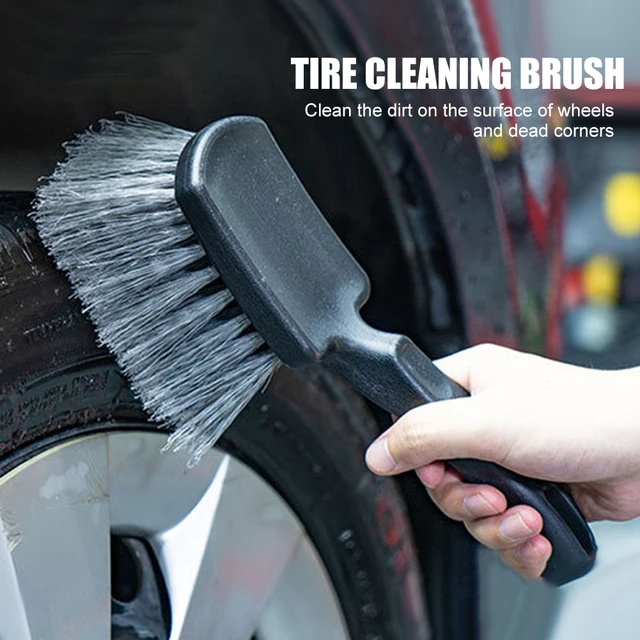
How To Use A Wheel Brush: Easy Cleaning Tips
A wheel brush cleans hard-to-reach wheel spokes, lug nuts, and barrels without scratching the finish.
If you want cleaner wheels without the frustration, learning how to use a wheel brush makes a big difference. In my own detailing work, I’ve found that the right technique matters just as much as the tool itself. Used correctly, a wheel brush helps lift brake dust, road grime, and oily buildup fast, while protecting delicate finishes and making the whole wash feel easier.
What a Wheel Brush Is and Why It Matters
A wheel brush is a cleaning tool made to reach the tight spaces on car wheels. It is usually long, flexible, or shaped to fit around spokes, lug holes, and the inner barrel. Some brushes have soft microfiber heads, while others use flagged bristles or foam for safer cleaning.
Using a wheel brush matters because wheels collect some of the dirtiest grime on your vehicle. Brake dust is especially stubborn, and if it sits too long, it can bond to the surface and become harder to remove. A good wheel brush helps you clean more thoroughly and reduces the chance of scratching with a rough rag or sponge.
In practice, I’ve seen people try to clean wheels with whatever wash mitt they already had. That usually misses the deep spots and pushes dirt around instead of removing it. A wheel brush solves that problem by getting into the areas your hand cannot reach.

Choose the Right Wheel Brush for the Job
Before you learn how to use a wheel brush, it helps to pick the right one. Not every wheel brush works the same way, and the wrong choice can make cleaning slower or less safe. The best brush depends on your wheel style and how much brake dust you deal with.
Look for these features:
- Soft bristles or microfiber: These are safer for painted, coated, and polished wheels.
- Flexible stem: This helps reach behind spokes and into the barrel.
- Comfortable handle: A grip that feels steady makes cleaning easier.
- Chemical resistance: The brush should hold up to wheel cleaners and soap.
- Proper size: A brush that is too large may not fit between spokes.
For deep wheels, a long barrel brush works well. For face cleaning, a smaller detailing brush may be better. I usually keep more than one type on hand because one brush rarely handles every part of the wheel perfectly.
How to Use a Wheel Brush Step by Step
Using a wheel brush is simple, but the order matters. A careful process gives you a better clean and helps protect the wheel finish. The goal is to loosen dirt first, then lift it away without grinding it back into the surface.
Follow these steps:
-
Rinse the wheel first
Spray the wheel with water to remove loose dirt. This helps reduce the chance of dragging grit across the finish. -
Apply a wheel cleaner or car soap
Use a pH-balanced wheel cleaner if needed, or a mild car soap for lightly soiled wheels. Let the product sit for the recommended time, but do not let it dry. -
Wet the wheel brush
Dip or spray the wheel brush with water and cleaner. A wet brush glides better and helps trap dirt in the bristles or fibers. -
Clean the wheel face
Move the brush gently across the spokes, face, and lug area. Use light pressure and short strokes. -
Clean the barrel
Insert the brush behind the spokes and rotate it around the inner barrel. This is where a lot of brake dust hides. -
Clean the lug nuts and tight spaces
Use the tip or a smaller detailing brush for around lug holes and narrow edges. These spots often collect grime that people miss. -
Rinse thoroughly
Rinse away the loosened dirt and cleaner. Check for missed spots before the wheel dries. -
Dry the wheel
Use a clean microfiber towel to dry the wheel and prevent water spots.
This process works well because the wheel brush does the lifting, while the cleaner breaks down the grime. I’ve found that rushing the rinse step is one of the biggest mistakes people make. If dirt stays in the brush or cleaner dries on the wheel, the finish can look dull again fast.
Best Practices for Safe and Effective Cleaning
A wheel brush is only as good as the way you use it. Gentle technique protects both the brush and the wheel. Strong scrubbing may feel productive, but it often causes more harm than good.
Keep these tips in mind:
- Use separate brushes for wheels and painted body panels.
- Rinse the brush often while cleaning to release trapped grit.
- Start with the least dirty wheel so you do not spread heavy grime.
- Use light pressure instead of scrubbing hard.
- Clean one section at a time so the cleaner does not dry.
- Test wheel cleaner on a small area if you are unsure about the finish.
If your wheels are coated, polished, chrome, or black painted, safety matters even more. Some finishes show scratches quickly, so always choose a soft brush and a gentle cleaner. I learned early on that a delicate wheel finish can look ruined by one careless pass with a stiff brush.
Common Mistakes to Avoid
Even simple wheel cleaning can go wrong if you skip a few basics. The good news is that most problems are easy to avoid once you know what to watch for. Good habits save time and protect the wheel surface.
Common mistakes include:
- Using a dirty brush that still holds grit
- Scrubbing dry wheels with no cleaner or rinse water
- Applying too much pressure
- Using harsh chemicals on sensitive finishes
- Cleaning wheels after the brake dust has baked on for weeks
- Mixing wheel brushes with body wash tools
One mistake I see often is letting the cleaner sit too long. If a product dries on the wheel, it can leave spots or streaks. The fix is simple: work one wheel at a time and keep the surface wet.
When to Use a Wheel Brush During Car Washing
The best time to use a wheel brush is early in the wash process. Wheels are usually the dirtiest part of the vehicle, so it makes sense to clean them before moving on to the paint. That way, you avoid splashing wheel grime onto freshly washed panels.
A good routine looks like this:
- Rinse the wheels first
- Apply wheel cleaner
- Agitate with a wheel brush
- Rinse again
- Wash the rest of the vehicle
Many detailers also clean wheels before washing the car body. This keeps the wash process cleaner and more efficient. If the wheels are very dirty, you may want to pre-rinse them twice before brushing.
Types of Wheel Brushes and What They Are Best For
Different brushes serve different jobs, and knowing the difference helps you clean better. This is one of those small details that saves a lot of effort later. A brush that fits the task will clean faster and safer.
Common types include:
- Barrel brush: Best for the inside of the wheel and deep recesses
- Soft spoke brush: Good for wheel faces, spokes, and painted surfaces
- Lug nut brush: Small and narrow for tight crevices
- Foam wheel brush: Gentle on delicate finishes and light dirt
- Microfiber wheel brush: Great for reducing scratch risk while lifting grime
In my experience, a barrel brush is the most overlooked tool in home detailing. People clean the face and forget the back side, where baked-on dust often hides. A proper wheel brush setup gives you a full clean, not just a quick visual fix.
How to Clean and Maintain a Wheel Brush
A clean wheel brush lasts longer and works better. If you leave dirt, brake dust, and cleaner residue in the bristles, the brush can become stiff and less effective. Maintenance is simple, but it makes a real difference.
After each use:
- Rinse the brush under running water
- Work out trapped dirt with your fingers
- Wash it with mild soap if needed
- Shake out extra water
- Let it air dry completely
- Store it in a clean, dry place
Do not toss a wet brush into a sealed bin or trunk. That can cause mildew, bad smells, and broken fibers. I’ve had brushes last much longer just by drying them properly after each wash.
Benefits of Using a Wheel Brush
A wheel brush offers more than just convenience. It helps you clean better, save time, and protect your wheels over the long run. If you care about the look and condition of your vehicle, it is a smart tool to own.
Main benefits include:
- Better access to tight wheel areas
- Less chance of scratching than using rough cloths
- Faster removal of brake dust and grime
- Better results on complex wheel designs
- Easier maintenance between full details
- Improved wheel appearance and shine
There is also a confidence benefit. Once you know how to use a wheel brush properly, wheel cleaning feels less like a chore and more like a repeatable routine. That makes it easier to stay consistent, which is what really keeps wheels looking good.
Limitations You Should Know About
Even the best wheel brush has limits. It cannot fix everything, and it should not be used as a solution for every type of dirt or damage. Knowing those limits helps you avoid disappointment.
A wheel brush may not be enough for:
- Heavy, baked-on brake dust
- Rust spots or corrosion
- Etched finishes from harsh chemicals
- Deep scratches or curb rash
- Extremely narrow areas that need a tiny detailing brush
For severe buildup, you may need a stronger wheel cleaner, a second round of agitation, or professional help. I always remind people that cleaning tools work best when paired with the right products and patience. A brush is a helper, not a miracle fix.
Frequently Asked Questions of How to use a wheel brush
How often should I use a wheel brush?
You can use a wheel brush every time you wash your car, especially if your wheels collect brake dust quickly. For daily drivers, weekly or biweekly cleaning usually keeps buildup under control.
Can I use a wheel brush on all wheel types?
Most wheel brushes are safe for painted, coated, chrome, and alloy wheels if they are soft and used with gentle pressure. Still, always check the finish and test any new cleaner or brush on a small spot first.
Do I need wheel cleaner, or is soap enough?
Mild soap can handle light dirt, but wheel cleaner helps with brake dust and stubborn grime. If your wheels are heavily soiled, a proper wheel cleaner usually gives better results with less scrubbing.
How do I know if my wheel brush is too rough?
If the bristles feel stiff, scratchy, or overly rigid, the brush may be too aggressive for delicate finishes. Soft fibers or flagged bristles are usually safer for regular use.
Should I clean wheels before or after washing the car?
It is usually best to clean the wheels before washing the rest of the car. That way, you remove the dirtiest grime first and reduce the chance of splashing it onto clean paint.
Conclusion
Knowing how to use a wheel brush the right way can make wheel cleaning faster, safer, and a lot more effective. The key is simple: rinse first, use the right cleaner, work gently, and choose a brush that fits your wheel design. Once you build that habit, your wheels will stay cleaner and look sharper with far less effort.
If you want better results, start with one wheel, take your time, and pay attention to the spots most people miss. A small tool can make a big difference when you use it well. Keep practicing, try a few brush types, and explore more detailing tips to make your next car wash easier and more rewarding.